Questions to Ask a Wedding Venue Before You Book: The Complete Checklist
The complete checklist of questions to ask your wedding venue. Pricing, catering, logistics, contracts, and backup plans.

by Sarah Glasbergen on 23 March 2026
Web editor
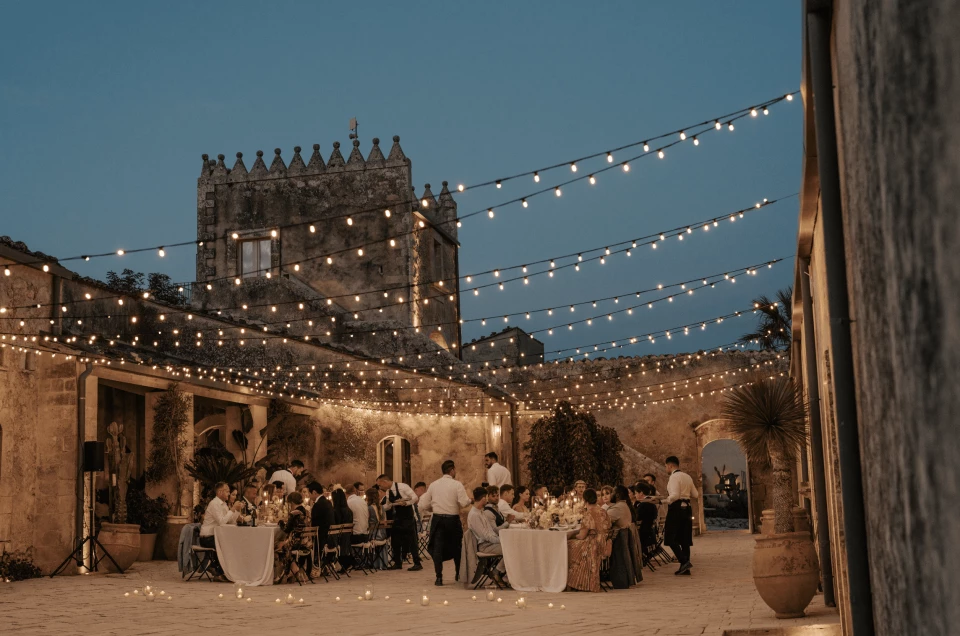
TLDR: Booking a wedding venue is typically the biggest financial commitment in your wedding budget, so asking the right questions upfront can save you thousands of dollars and countless headaches. ThePerfectWedding.com's venue experts have compiled 40+ essential questions organized into seven categories: pricing, capacity, logistics, food and drink, decor, contracts, and backup plans. Print this checklist, bring it to every venue tour, and do not sign anything until every question has a clear answer.
Key Facts at a Glance
- The average couple visits 3 to 5 venues before booking (Source: The Knot, 2025)
- Venue and catering together account for roughly 45% to 50% of the total wedding budget (Source: Zola First Look Report, 2025)
- 28% of couples say they wish they had asked more questions before signing their venue contract (Source: WeddingWire survey, 2025)
- The most common surprise costs: overtime fees, service charges (often 18% to 22%), cake-cutting fees, and vendor meal requirements
- ThePerfectWedding.com recommends visiting venues at the same time of day and season as your planned wedding for the most accurate impression
Pricing and Payment Questions
Understanding the full cost structure is the most important part of your venue conversation. According to ThePerfectWedding.com's wedding planning experts, the base rental price is rarely the final number.
- What is the base rental fee and what does it include? Some venues include tables, chairs, linens, and a coordinator. Others charge for each separately.
- Is there a food and beverage minimum? Many venues require you to spend a minimum amount on catering and drinks, regardless of your guest count.
- What is the service charge or gratuity? This typically ranges from 18% to 22% and is added on top of food and beverage costs. Clarify whether this goes directly to staff or is a venue fee.
- Are there overtime fees? Most venues charge $500 to $2,000+ per hour if your event runs past the contracted end time. Know the rate before your reception gets going.
- What is the payment schedule? Ask about deposit amount, installment dates, and when the final balance is due. Most venues require a 25% to 50% deposit to hold the date.
- Are there any hidden fees? Cake-cutting fees, corkage fees, valet parking, coat check, setup/breakdown charges, and trash removal are common add-ons that are easy to overlook.

Capacity and Layout Questions
- What is the maximum capacity for ceremony and reception? These numbers may differ. A space that fits 200 for a cocktail reception may only seat 150 for a plated dinner.
- Can the ceremony and reception happen in the same space? If so, ask how the room flip works and how long it takes. You will need to plan a cocktail hour to fill the gap.
- Is there a minimum guest count? Some venues require a minimum number of guests, which can be a problem for intimate weddings.
- Where will the dance floor be? Ask if a dance floor is included or if you need to rent one. Confirm its placement relative to dining tables and speakers.
- Is there a bridal suite or getting-ready room? A private space for the couple and wedding party to prepare is essential. Ask if it is included or an additional cost.
Food, Drink, and Catering Questions
Food is often the second-largest wedding expense, and venue catering policies vary dramatically.
- Do you offer in-house catering or can we bring our own caterer? Some venues require you to use their catering team. Others allow outside caterers but may charge a kitchen usage fee.
- Can we schedule a tasting? Most venues with in-house catering offer tastings, often complimentary for the booked couple. Ask when this happens in the planning timeline.
- What bar packages are available? Options typically include open bar (per person), consumption-based, cash bar, or beer-and-wine only. Understand the cost difference between each.
- Can we bring our own alcohol? If yes, ask about corkage fees (typically $10 to $25 per bottle) and whether the venue provides bartenders or if you need to hire them separately.
- How are dietary restrictions handled? Confirm that the kitchen can accommodate vegan, gluten-free, kosher, halal, and allergy-specific meals for your guests.
- Are vendor meals included? Your photographer, DJ, and planner need to eat. Some venues include vendor meals in the package. Others charge per plate.

Logistics and Access Questions
- What are the setup and breakdown times? Ask how early your team can arrive to set up and when everything must be cleared out. Tight windows mean higher stress and potential overtime fees.
- Is there on-site parking? How many spaces? If parking is limited, ask about valet options, shuttle services, or nearby public parking lots. Provide directions and parking info on your wedding website.
- Is the venue wheelchair accessible? Check that the ceremony space, reception area, restrooms, and any connecting pathways are accessible for all guests.
- What is the noise curfew? Residential areas and certain venue types have strict noise limits. Confirm the latest time you can play amplified music.
- Are there restrictions on photography or videography? Some historic venues or houses of worship restrict flash photography, drones, or certain shooting locations.
Decor, Setup, and Vendor Questions
- Are there any decor restrictions? Open flames, confetti, rice throwing, hanging items from the ceiling, and wall attachments may be prohibited. Ask before planning your decor.
- Do you have a preferred vendor list? Some venues require you to choose from their approved list. Others allow any licensed vendor. Know this before booking your other vendors.
- Is there a coordinator or point of contact on the day? A venue coordinator is different from a wedding planner. Ask what level of support the venue provides on the day of your event.
- What AV equipment is available? Microphones, speakers, projectors, and screens may or may not be included. If your ceremony needs amplification or you want to show a slideshow, plan accordingly.
Contract and Cancellation Questions
Never sign a venue contract without understanding these terms.
- What is the cancellation policy? Understand what happens if you need to cancel or postpone. Most deposits are non-refundable, but policies on date changes vary.
- Does the contract include a force majeure clause? After the pandemic, this is essential. A force majeure clause protects you in case of events beyond your control.
- Can we change our guest count after booking? Ask about the deadline for final guest count and whether decreasing numbers affects your minimum spend requirement.
- What insurance is required? Many venues require event liability insurance ($1 million to $2 million coverage is standard). This typically costs $100 to $300 for a single event.
Weather and Backup Plan Questions
- What is the rain plan for outdoor ceremonies? If your ceremony is outdoors, you need a clear indoor or covered backup. Ask when the decision is made and who makes it.
- Is a tent rental possible? If the venue does not have an indoor backup, ask whether tent installation is permitted and whether they have preferred tent rental companies.
- What happens in extreme weather? Heat waves, hurricanes, snowstorms: ask about the venue's policy for extreme weather postponements or relocations.

<b>Expert Tip</b>: "The single best thing you can do is visit the venue at the same time of day and in the same season as your wedding. A space that looks magical at golden hour might feel completely different under harsh midday sun. And always ask to see photos from a real wedding at the venue, not just the marketing shots."
Sarah Glasbergen, Senior Wedding Editor at ThePerfectWedding.com
Venue Questions FAQ
How many venues should we tour before deciding?
Most couples visit 3 to 5 venues. This gives you enough variety to compare without becoming overwhelmed. Schedule tours on the same day if possible so the comparisons are fresh in your mind.
Should we bring anything to a venue tour?
Bring this question checklist (printed or on your phone), a camera for photos and videos, a tape measure if you have specific layout needs, and a notebook for jotting down impressions. Taking a quick video walkthrough is especially helpful for comparing venues later.
When is the best time to book a wedding venue?
For popular venues and peak-season dates (May through October), booking 12 to 18 months in advance is recommended. For off-season or weekday weddings, 6 to 9 months is typically sufficient.
Is it possible to negotiate venue pricing?
Yes, particularly for off-peak dates, Sundays, or if you are booking well in advance. Some venues also offer discounts for smaller guest counts or if you bundle catering and bar packages. It never hurts to ask.
What is the difference between a venue coordinator and a wedding planner?
A venue coordinator manages the logistics specific to that venue (setup, vendor access, timeline at the venue). A wedding planner manages your entire wedding from start to finish, including design, vendor selection, and day-of coordination across all locations. Most couples benefit from both.


