Elopement Ideas for Adventurous Couples: How to Plan a Celebration That Is Uniquely Yours
Creative elopement ideas by setting, costs, step-by-step planning, and how to tell your family. Expert tips!

by Sarah Glasbergen on 23 March 2026
Web editor
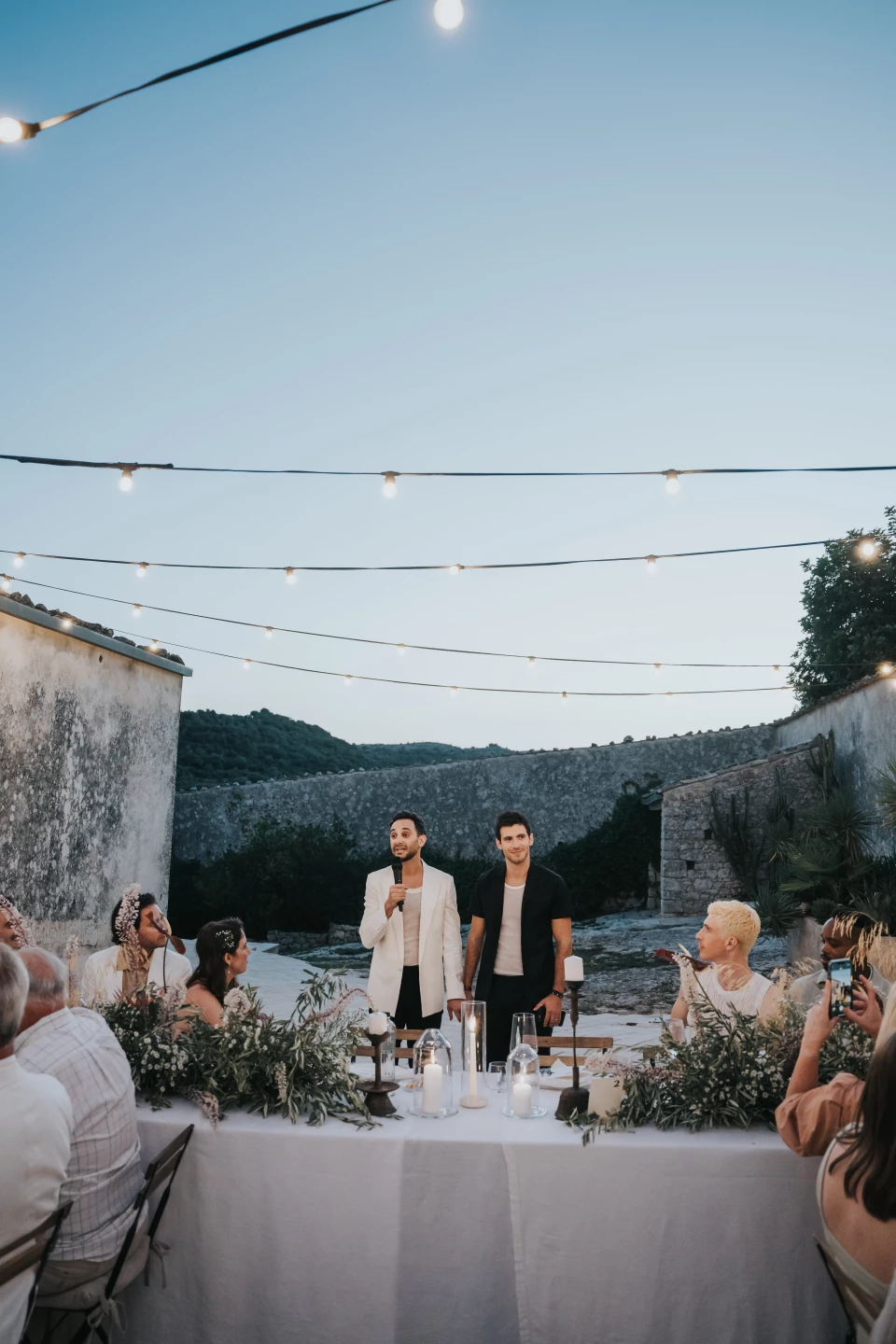
TLDR: Eloping no longer means a secret Vegas wedding (unless that is exactly what you want). Modern elopements are intentional, beautifully planned celebrations that happen on mountaintops, in national parks, on city rooftops, and everywhere in between. According to ThePerfectWedding.com's wedding planning experts, the elopement trend has exploded since 2020, with couples embracing smaller, more personal ceremonies that focus on the relationship rather than the production. Below, we share creative elopement ideas by setting, planning tips, budget breakdowns, and how to tell your family.
Key Facts at a Glance
- Elopements and micro weddings (under 25 guests) have increased by 70% since 2020 (Source: The Knot, 2025)
- The average elopement costs $2,000 to $10,000, including travel, photography, attire, and a celebration meal (Source: Brides.com)
- Most popular elopement destinations: national parks, mountain towns, coastal cliffs, European cities, and Iceland (Source: Zola)
- 87% of eloping couples say they would make the same choice again (Source: WeddingWire survey, 2025)
- Many elopement photographers offer all-inclusive packages including location scouting, permit acquisition, and timeline planning
What Counts as an Elopement?
The definition has expanded significantly. An elopement can be just the two of you exchanging vows on a glacier, or it can include up to 20 of your closest people gathered at a vineyard. The common thread is intentionality: choosing to celebrate your marriage in a way that prioritizes your relationship over tradition, obligation, or spectacle.
ThePerfectWedding.com's editors define an elopement as any wedding that breaks from the conventional format, whether that means the guest count, the location, or the level of planning. If it feels right for the two of you, it is an elopement.

Creative Elopement Ideas by Setting
Mountain and hiking elopements
Say your vows at sunrise on a mountain summit, with nothing but alpine views as your backdrop. Popular spots include the Rocky Mountains (Colorado), the Smoky Mountains (Tennessee), the Pacific Northwest (Washington, Oregon), and Glacier National Park (Montana). Many couples hike to their ceremony location in boots and change into their wedding outfits at the top. Hire an adventure elopement photographer who is comfortable with elevation and backcountry terrain.
Beach and coastal elopements
Barefoot on the sand at golden hour is a timeless elopement choice. Consider the dramatic cliffs of Big Sur, the turquoise waters of the Florida Keys, the rugged coast of Oregon, or the volcanic beaches of Hawaii. Coastal elopements work beautifully at dawn or sunset when the light is soft and the beaches are quiet.
National park elopements
National parks offer some of the most stunning ceremony backdrops in the world. Yosemite, Zion, the Grand Canyon, Acadia, and Joshua Tree are among the most popular choices. Note: most national parks require a special event permit ($50 to $500) for wedding ceremonies. Check the park's website for specific requirements and restricted areas.
City elopements
Not every elopement needs to be in nature. A rooftop ceremony in New York City, a courtyard in New Orleans, a hidden garden in San Francisco, or a chic restaurant in Chicago can be just as magical. City elopements are perfect for couples who love urban culture, great food, and walkable photo locations.
International elopements
Iceland, Italy, the Scottish Highlands, the Amalfi Coast, and the French countryside are dream elopement destinations. Factor in travel logistics, legal requirements (or do a legal ceremony at home first), and local vendor availability. An experienced destination elopement planner makes these trips significantly smoother.
Backyard or intimate home elopements
Your own backyard, a family property, or a friend's beautiful home can be the most meaningful location of all. Set up a simple arch, invite your immediate family, and keep it casual and personal. This option is also the most budget-friendly.
How Much Does an Elopement Cost?
| Elopement Element | Typical Cost Range | Notes |
| Elopement photographer (4-6 hours) | $1,500 - $5,000 | Adventure photographers charge more for hiking/remote locations |
| Officiant | $200 - $800 | Some states allow self-solemnization (no officiant needed) |
| Attire (both partners) | $200 - $2,000 | Many eloping couples choose less formal, more practical outfits |
| Travel and accommodation | $500 - $5,000 | Depends on destination and length of stay |
| Flowers (bouquet + boutonniere) | $100 - $400 | Simple, hand-tied bouquets are perfect for elopements |
| Marriage license | $30 - $100 | Varies by state |
| Permits (national parks, etc.) | $50 - $500 | Required for most public land ceremonies |
| Celebration meal | $100 - $1,000 | From a picnic to a private tasting menu |
Total estimated elopement cost: $2,680 to $14,800. Most couples spend between $3,000 and $8,000 for a well-planned elopement with professional photography, which is a fraction of the average traditional wedding cost of $35,000.

How Do You Plan an Elopement Step by Step?
Step 1: Decide on your vision together. Mountains or beach? Just the two of you or a handful of guests? Morning or evening? Get aligned on the experience you both want.
Step 2: Choose your location. Research permit requirements, weather patterns, and accessibility. Consider the time of year and the kind of photos you want.
Step 3: Hire your photographer first. An experienced elopement photographer often doubles as a planner, helping you choose locations, build your timeline, and navigate logistics. They are your most important vendor.
Step 4: Book your officiant. Check if your state allows self-solemnization (Colorado, Pennsylvania, and a few others do). Otherwise, find a local officiant at your destination.
Step 5: Handle the legal details. Obtain your marriage license in the county or state where the ceremony will take place. Research requirements well in advance.
Step 6: Plan your outfits. Consider the terrain and weather. A cathedral-length train is impractical for a mountain hike. Many eloping brides choose shorter dresses, jumpsuits, or two-piece outfits.
Step 7: Write your vows. Elopement vows are often the most intimate and personal because there is no audience to perform for. Take your time with these.
Step 8: Plan your celebration. A champagne toast at the summit, a private dinner at a local restaurant, or a cozy cabin night can round out the day beautifully.
How Do You Tell Your Family You Are Eloping?
This is often the most stressful part of elopement planning. Here are approaches that work:
Before the elopement: Tell your immediate family about your plans and explain why this choice is meaningful to you. Emphasize that this is about your relationship, not a rejection of your family. Invite parents or siblings to attend if it feels right.
After the elopement: Send a beautiful announcement with a photo from the ceremony. Many couples host a casual celebration party weeks or months later so family and friends can share in the joy.
The middle ground: Some couples live-stream their elopement ceremony so family can watch remotely. This lets you have the intimate experience you want while including loved ones in real time.
<b>Expert Tip:</b> "The most important thing about an elopement is that it is YOUR day, designed entirely around what matters to you as a couple. There is no seating chart to agonize over, no vendor army to manage, and no expectation to perform. It is just you, your partner, your vows, and a moment you will never forget. That kind of intentionality is powerful, and it shows in every single photo."
Sarah Glasbergen, Senior Wedding Editor at ThePerfectWedding.com

Elopement FAQ
Is eloping the same as a courthouse wedding?
Not necessarily. A courthouse wedding is one type of elopement, but elopements can happen anywhere: mountaintops, beaches, forests, cities, or your own backyard. The defining feature is intimacy and intentionality, not the location.
Can you have guests at an elopement?
Yes. Modern elopements often include up to 20 guests, typically immediate family and closest friends. Some couples call this a micro wedding, but the terms overlap. Include whoever feels right.
Do you need a photographer for an elopement?
Technically no, but strongly recommended. Your elopement photos will be the primary way you remember and share the day. A skilled elopement photographer captures not just the ceremony but the adventure, the landscape, and the emotion of the moment.
What do you wear to an elopement?
Anything you want. Many eloping couples choose less formal, more practical attire suited to their location. Hiking elopements call for boots and layers. Beach elopements suit flowy, lightweight fabrics. City elopements allow for more dressed-up looks. Comfort and confidence are the only rules.
How do you make an elopement legal?
You need a valid marriage license, which you obtain from the county or state where the ceremony takes place. You also need an officiant (unless your state allows self-solemnization) and typically 1 to 2 witnesses. Your photographer often serves as a witness.
Can you have a reception or party after an elopement?
Absolutely. Many couples elope privately and then throw a celebration party weeks or months later. This lets you have the intimate ceremony you want and the big party your family wants. It is the best of both worlds.


