How to Create a Wedding Seating Chart: A Step-by-Step Guide That Prevents Drama
Create a wedding seating chart in 6 steps: guest grouping, tricky placements, table layouts, and display ideas.

by Sarah Glasbergen on 30 March 2026
Web editor
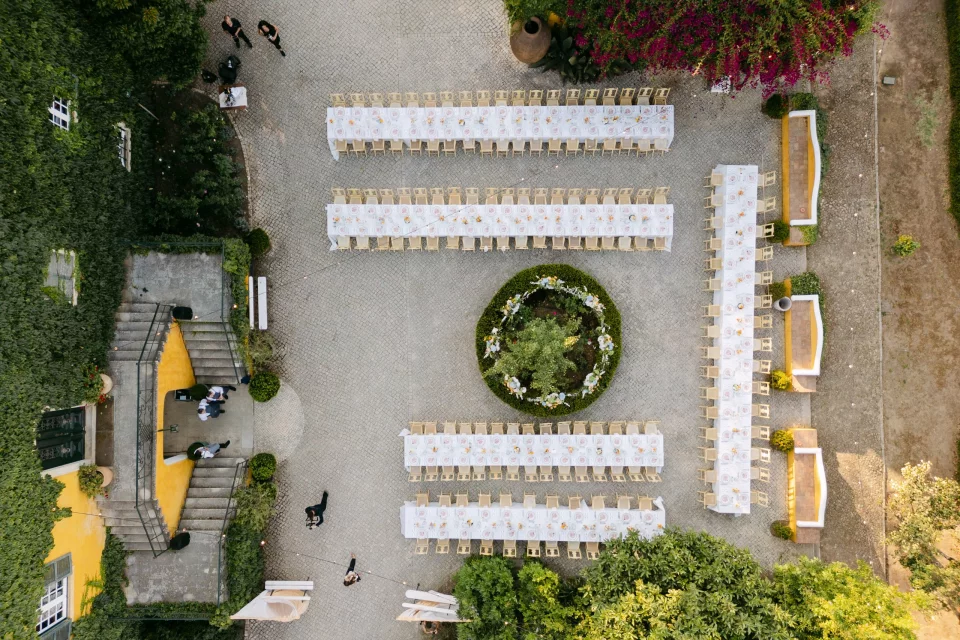
TLDR: A well-planned seating chart prevents awkward encounters, keeps conversation flowing, and ensures every guest has a great time. ThePerfectWedding.com's event experts share a 6-step process for building your seating chart, strategies for difficult placements (divorced parents, exes, loners), table layout options, and tools to make the process painless.
Key Facts at a Glance
- 70% of couples assign tables (not specific seats), which is the recommended approach (Source: The Knot, 2025)
- The average couple spends 3 to 5 hours creating their seating chart (Source: WeddingWire)
- Starting the seating chart 3 to 4 weeks before the wedding (after RSVPs close) is ideal
- Round tables of 8 to 10 are the most common and create the best conversation dynamics (Source: Brides.com)
- For creative display ideas, see our seating chart decor ideas

Step-by-Step: How to Build Your Seating Chart
Step 1: Finalize your guest list
Wait until your RSVP deadline has passed and you have followed up with non-responders. You need a confirmed count before assigning tables. Use your wedding website RSVP tracker for the most accurate count.
Step 2: Choose your table layout
| Table Shape | Seats | Best For | Social Dynamic |
| Round (60 inch) | 8-10 | Most receptions | Everyone can see and talk to each other |
| Round (48 inch) | 6-8 | Intimate weddings | Cozy, close conversation |
| Long/rectangular | 10-20 | Family-style dining, rustic themes | Creates communal, feast atmosphere |
| Mixed (rounds + long) | Varies | Large weddings with different zones | Variety of experiences |
Step 3: Identify your anchor groups
Start with the easy placements: the head table or sweetheart table, immediate family tables, the wedding party table, and any tables that are obvious (college friends, work colleagues, childhood friends). These anchor groups form the foundation.
Step 4: Place the tricky guests
Divorced parents: Separate tables, each surrounded by their own friends and family. Do not force them together. For more on navigating family dynamics, see our family drama guide.
Exes: Opposite sides of the room. If they are both close friends, seat them at tables with strong social buffers (outgoing, friendly guests).
Solo guests or plus-one-less friends: Seat them with the most social, welcoming group. Never put all the solo guests together, that is the lonely table and everyone dreads it.
Elderly guests: Near the exit, away from speakers, and with other guests who will engage them in conversation. Not at the edge of the room where they feel forgotten.
Step 5: Check for conflicts
Review the entire chart and ask: is there anyone at each table who would make another person uncomfortable? If yes, move them. One bad pairing can ruin an entire table's evening.
Step 6: Number the tables and create the display
Assign table numbers (or names) and create your seating chart display. For creative options, see our seating chart decor ideas.

Should You Assign Specific Seats or Just Tables?
Assign tables, not seats (recommended). This is the standard approach. Guests find their assigned table and choose their own seat. It provides structure without being controlling and allows natural social dynamics to unfold.
Assign specific seats (formal events). For very formal, plated-dinner weddings with 100+ guests, assigned seats ensure the caterer serves the correct meal choice to each guest. This requires more planning but provides maximum control.
No seating plan at all (casual events only). Only works for very casual celebrations with fewer than 40 guests where everyone knows each other. Beyond that, free-for-all seating creates anxiety and cliques.
Expert Tip: "The secret to a great seating chart is thinking about table energy, not just avoiding conflicts. Every table should have at least one outgoing, socially confident person who will keep the conversation flowing. I call them 'table anchors.' If you place one at each table, the whole room stays energized."
Sarah Glasbergen, Senior Wedding Editor at ThePerfectWedding.com
Seating Chart FAQ
Do the bride and groom sit together or at a head table?
Both options work. A sweetheart table (just the couple) is intimate and trending. A head table (couple + wedding party) is traditional and social. Choose based on your preference and wedding party size.
Where should parents sit?
Traditionally at tables near the couple, each with their own friends and family. Parents should never feel like afterthoughts at a back table.
When should I start the seating chart?
3 to 4 weeks before the wedding, after your RSVP deadline. Before that, the guest list is not final. Plan your full timeline with our 12-month wedding checklist.
Plan Your Reception on ThePerfectWedding.com
Create your chart display with our seating chart decor ideas, style your tables with our table setting guide, and plan your reception flow with our wedding day timeline. Handle guest logistics with our plus-one etiquette guide and rehearsal dinner guide.


