Is a Wedding Planner Worth It? Types, Costs, and How to Decide
Is a wedding planner worth it? Types, costs, what they do, and when you need one. Honest guide

by Sarah Glasbergen on 18 April 2026
Web editor
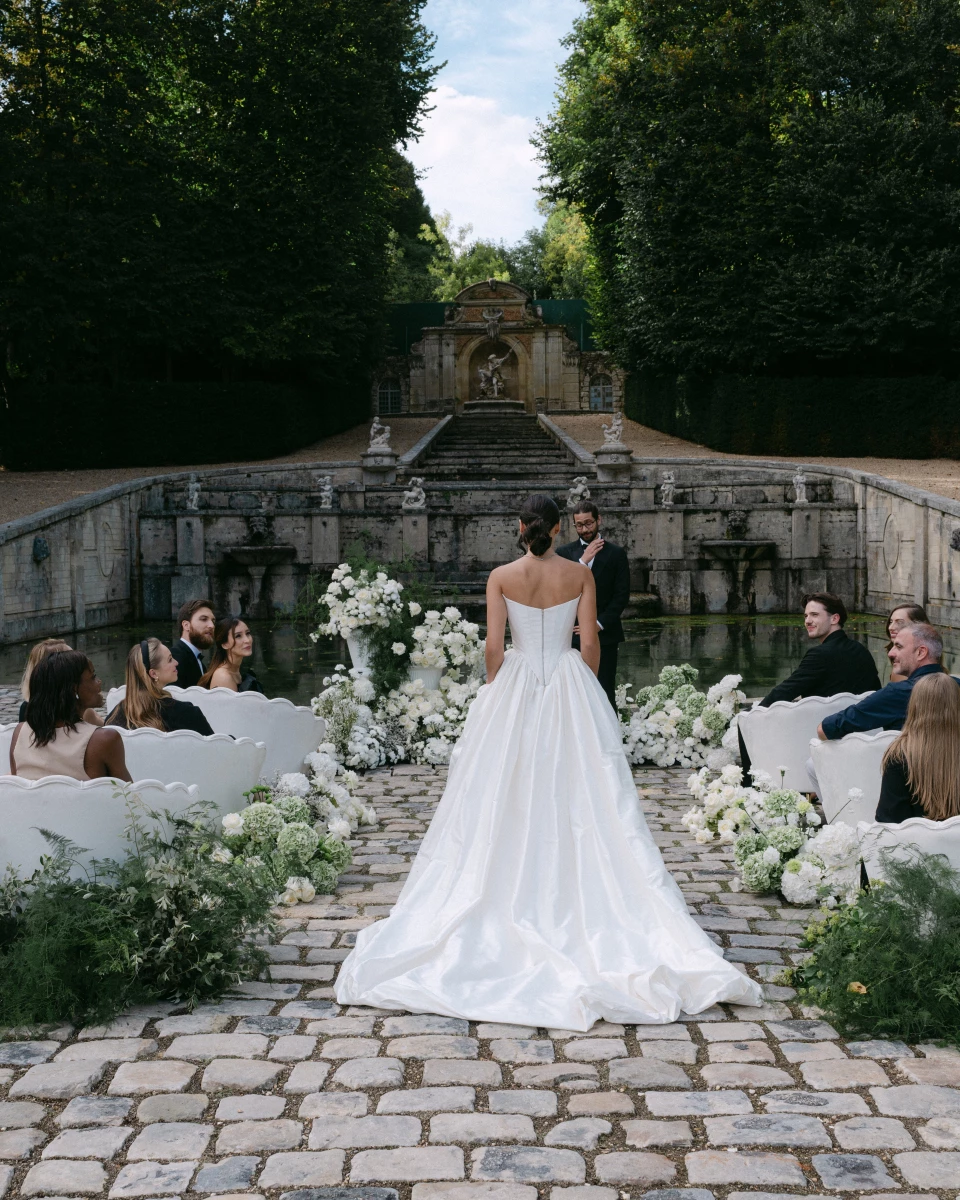
TLDR: A wedding planner can save you time, money, and enormous stress, but whether you need one depends on your budget, your organizational skills, and how much of the planning process you want to enjoy versus outsource. ThePerfectWedding.com's planning experts break down the three types of planners (full-service, partial, day-of), what each costs, what they actually do, and the honest assessment of when you need one and when you can manage without.
Key Facts at a Glance
- Full-service wedding planner: $3,000 to $10,000+ (10% to 15% of total wedding budget) (Source: The Knot, 2025)
- Day-of coordinator: $800 to $2,500 (Source: WeddingWire)
- Planners save couples an average of 10% to 20% on overall wedding costs through vendor relationships and negotiation leverage (Source: Brides.com)
- 88% of couples who hired a planner say it was their best wedding investment (Source: Zola)
- Find planners on our wedding planner page on ThePerfectWedding.com

Types of Wedding Planners
Full-service planner
Manages everything from engagement to honeymoon: budget creation, vendor sourcing and booking, contract negotiation, design and styling, timeline creation, family management, and day-of execution. You make the decisions. They handle the execution. Best for: couples with demanding careers, complex weddings, destination weddings, or anyone who would rather enjoy the engagement than manage a project. Cost: $3,000 to $10,000+.
Partial planner (month-of or design-only)
Steps in for specific aspects: vendor coordination for the final 6 to 8 weeks, design and styling only, or budget management only. You handle the early planning. They refine and execute. Best for: organized couples who enjoy the planning process but want professional polish and day-of management. Cost: $1,500 to $4,000.
Day-of coordinator
Takes over the final 4 to 6 weeks and manages the wedding day itself. They create the timeline, confirm vendors, manage the rehearsal, and run the entire wedding day so you do not have to. You plan everything. They execute it. Best for: couples on a budget who are organized planners but want someone running the show on the actual day. Cost: $800 to $2,500.
What a Planner Actually Does
Saves you time
Wedding planning takes 200 to 400 hours. A planner absorbs 80% of that: vendor research, site visits, contract reviews, email chains, and logistics. You spend 20% of the time making decisions while they handle execution. For couples working full-time, those 300 saved hours are worth the fee alone.
Saves you money
Good planners have vendor relationships that unlock discounts, priority booking, and better terms. They know which vendors overcharge, which are reliable, and where to allocate budget for maximum impact. The 10% to 20% savings they generate often covers their own fee. See our negotiation guide for DIY cost-saving.
Manages stress and family dynamics
The planner is the buffer between you and every stressful interaction: the demanding mother-in-law, the flaky vendor, the bridesmaid who will not respond. They handle difficult conversations so you do not have to. This emotional labor is the most undervalued aspect of what planners provide.
Prevents expensive mistakes
First-time wedding planners (which is every couple) do not know what they do not know. A professional prevents: booking a vendor without insurance, signing a bad contract, forgetting the overtime clause, choosing out-of-season flowers at premium prices, or creating an impossible timeline. One prevented mistake can save thousands.

When You Need a Planner
You definitely need one if
- Your budget is over $30,000 (the complexity demands professional management)
- You are planning a destination wedding
- You and your partner both work demanding jobs with limited free time
- Your families have complex dynamics that require diplomatic management
- You have more than 150 guests
- You are the type of person who gets stressed by project management
You can probably manage without one if
- Your budget is under $15,000 (a planner fee would be a disproportionate expense)
- You have a small guest list (under 50)
- You are naturally organized and enjoy planning
- You have family or friends who are experienced event planners
- Your venue includes a coordinator (many full-service venues do)
But always get a day-of coordinator
Even if you plan everything yourself, a day-of coordinator ($800 to $2,500) is the minimum investment for a stress-free wedding day. Without one, YOU are the coordinator: answering vendor questions, solving problems, managing the timeline. That is not how you want to spend your wedding day. See our day-of timeline for what needs managing.
How to Choose a Planner
Interview at least 3
Ask about: their planning process, communication style, number of weddings they manage simultaneously, vendor relationships, and how they handle emergencies. The best planners are calm under pressure, communicative, and detail-oriented.
Check references
Ask for 3 to 5 recent client references and actually call them. Ask: "What surprised you about working with them?" "Would you hire them again?" "What was their biggest strength?" "Was there anything that could have been better?"
Review their contract
Planners should have clear contracts detailing scope, fees, communication expectations, and cancellation terms. See our contracts guide for what to look for.
Expert Tip: "The question is not 'can I plan my own wedding?' Of course you can. Millions of couples do. The question is 'do I want to spend 300 hours of my engagement managing vendors, negotiating contracts, and solving problems, or do I want to spend that time enjoying being engaged?' Both answers are valid. But be honest with yourself about which person you are before deciding."
Sarah Glasbergen, Founder at ThePerfectWedding.com

Frequently Asked Questions
Is a venue coordinator the same as a wedding planner?
No. A venue coordinator manages the venue's logistics (table setup, catering service, A/V). They do not manage outside vendors, create your timeline, coordinate your bridal party, or solve non-venue problems. A venue coordinator is a bonus, not a substitute for a planner or day-of coordinator.
Can I hire a planner for just part of the planning?
Yes. Many planners offer partial planning: final 6 to 8 weeks of coordination, design-only, or budget management only. This is a cost-effective middle ground between full-service and day-of.
How far in advance should I book a planner?
As early as possible. Full-service planners: book 12 to 18 months before. Partial planners: 6 to 9 months. Day-of coordinators: 3 to 6 months. Top planners book up quickly in peak season. See our planning checklist for the full timeline.
Do planners get kickbacks from vendors?
Ethical planners do not accept kickbacks (commissions from vendors for referrals). This creates a conflict of interest. Ask directly: "Do you receive commissions from any vendors?" Reputable planners refer vendors based on quality and fit, not financial incentives.
More Planning Guides on ThePerfectWedding.com
See our vendor contracts, negotiation guide, budget breakdown, and guest list guide. Budget with our cost guide and hidden costs. Plan with our 12-month checklist and 6-month checklist. Find planners on our planner page and all vendors on our vendor directory.


