Beach Wedding Venue Guide: Sun, Sand, and How to Plan a Ceremony by the Water
Beach Wedding Venue Guide: Sun, Sand, and How to Plan a Ceremony by the Water.

by Sarah Glasbergen on 17 June 2026
Web editor
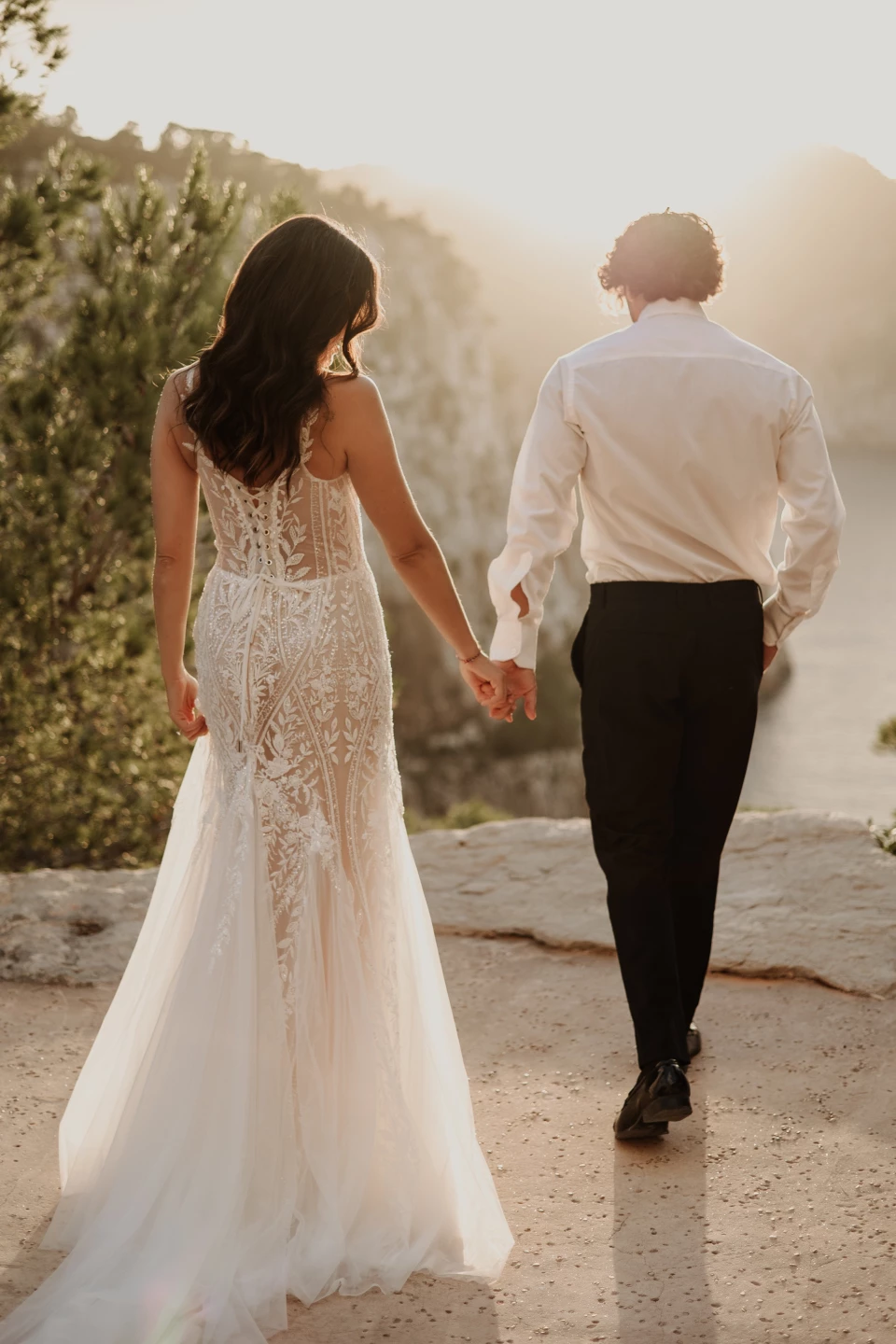
TLDR: A beach wedding delivers crashing waves, golden sunsets, and barefoot romance that no indoor venue can match. But sand, wind, tide schedules, and permits create unique challenges. ThePerfectWedding.com's venue experts cover public vs. private beaches, permit requirements, weather strategies, and how to create a stunning ceremony by the water.
Key Facts at a Glance
- Beach wedding permits cost $50 to $500 depending on location and municipality (Source: The Knot, 2025)
- Wind is the #1 challenge: it affects hair, decor, sound systems, and candles (Source: WeddingWire)
- Popular beach wedding states: Florida, California, Hawaii, South Carolina, and North Carolina (Source: Brides.com)
- See our outdoor planning guide for weather backup strategies

Public vs. Private Beach Venues
Public beaches
Low cost ($50 to $500 for a permit) but limited control. You cannot block other beachgoers. Setup and teardown windows are strict. Noise restrictions apply. No permanent structures. Best for intimate ceremonies with a separate indoor or tent reception nearby.
Private beach venues
Resorts, estates, and private beach clubs offer exclusivity. $3,000 to $20,000+ depending on location. You control the space, the timeline, and the guest experience. Many include chairs, an arbor, and coordination. The premium is for privacy and convenience.
Wind, Sand, and Weather Solutions
Wind
Use weighted decor, wind-resistant hairstyles, and a quality sound system. Skip loose paper (programs, confetti). Secure the aisle runner with stakes. Choose heavy flowers over delicate petals. Brief your photographer on wind angles.
Sand
Skip the stiletto heels. Provide a shoe-check station. Choose flat sandals, wedges, or go barefoot. For wheelchair accessibility, lay temporary flooring or boardwalk mats over the sand.
Tide schedule
Check the tide chart before choosing your ceremony time. Low tide gives you maximum beach space. High tide can eliminate your ceremony area entirely. Time the ceremony for 1 to 2 hours after low tide for the best sand conditions.

Beach Ceremony Essentials
Sound
Waves are louder than you think. A battery-powered speaker system or professional sound setup is essential. Without amplification, guests beyond row 3 will not hear vows. This is the #1 mistake at beach ceremonies.
Sun protection
Provide parasols, fans, or a shaded ceremony structure. Guests facing the sun for 30 minutes will be miserable. Orient the ceremony so the sun is behind guests, not in their eyes. Schedule after 4 PM for the best light and lower temperatures. See our rain plan guide for weather backup strategies.
Expert Tip: "Schedule your beach ceremony for 60 to 90 minutes before sunset. You get the golden hour light for the ceremony AND sunset photos immediately after. This is the single most impactful timing decision for a beach wedding. Everything else, the decor, the flowers, the dress, is secondary to that light."
Sarah Glasbergen, Founder at ThePerfectWedding.com
Frequently Asked Questions
Do I need a permit for a beach wedding?
Almost always for public beaches, yes. Contact the local parks department or municipality 6 to 12 months in advance. Permits typically limit group size, setup time, and equipment. Some beaches prohibit events entirely. Private beach venues handle their own permitting.
What about a beach wedding in winter?
Florida, Southern California, and Hawaii offer year-round beach weddings. Winter beach weddings are quieter, cheaper, and avoid the summer crowd. Temperatures in these regions stay comfortable (60 to 75 degrees). A windbreaker or wrap adds elegance and warmth.
Explore more venue types on ThePerfectWedding.com: Barn venues, Vineyard weddings, Hotel ballrooms, Rooftop venues, Restaurant weddings, Museum/gallery venues, and more. Find venues on our venue directory. Ask the right questions with our venue questions checklist.


