Money Dance and Wedding Reception Traditions Guide
What is the money dance, where does it come from, and is it rude? A guide to the money dance plus reception tradition alternatives

by Sarah Glasbergen on 30 June 2026
Web editor

In short
The money dance is a reception tradition where guests give or pin money to the couple in exchange for a quick dance, symbolically helping them start their life together. It is one of many interactive reception customs you can keep, adapt, or skip to fit your celebration.
Below we explain what the money dance is, its cultural roots, the modern etiquette debate, popular alternatives, and other reception traditions worth knowing.
Long before registries and cash apps, wedding guests found a joyful, public way to give the couple a financial head start: they danced for it.
Key Facts at a Glance
- The money dance appears across many cultures, and at its root money is handed or pinned to the couple to help fund their future together (Source: The Knot, wedding reception traditions).
- It is typically done to upbeat music and is one of the most interactive moments of the reception (Source: The Knot).
- Around 2 million couples married in the US in 2025, and 2026 couples are curating which traditions feel personal rather than doing all of them (Source: The Knot Worldwide 2026 Real Weddings Study).
- Personalization is the dominant 2026 theme, with couples keeping the customs that reflect their heritage and dropping the ones that do not (Source: The Knot Worldwide 2025 Global Wedding Report).
- The money dance goes by many names, including the dollar dance, the apron dance, and the money spray, depending on the culture.
- It has long standing, distinct forms across cultures, including the Polish apron dance, the Filipino pinning of bills, and the Nigerian money spray (Source: cultural wedding tradition references).
What is the money dance at a wedding?
The money dance is a reception tradition where guests pay, usually a small bill, for a brief dance with the bride or groom. The money is pinned to clothing, tucked into a special apron or bag, or simply handed over, and it is meant to give the newlyweds a financial boost as they begin married life.
It is upbeat and social by design. A line forms, the music keeps going, and over a few songs nearly every guest gets a quick spin with one half of the couple. According to ThePerfectWedding.com's reception traditions overview, it remains especially common in families that carry it as a cultural custom.

Where does the money dance come from?
The money dance is not one tradition but many, carried into the US by immigrant communities and adapted over generations. Polish American weddings have a long apron dance custom, Filipino weddings pin bills directly to the couple's clothing, and Greek, Ukrainian, Portuguese, and Nigerian celebrations all have their own versions.
In Nigerian weddings, for example, guests shower or spray money over the dancing couple in a vibrant display of celebration and blessing. The shared thread across all of them is the same: the community physically contributing to the couple's new beginning.
Knowing your specific version matters. Some families expect bills to be pinned directly to clothing, others use an apron or a satin bag, and others toss or shower the cash. If you carry the tradition, ask older relatives how it was done at past family weddings so yours feels like a continuation rather than a generic add on.
Is the money dance rude? The modern etiquette debate
This is the question couples ask most. For families where the money dance is a cultural inheritance, it is a cherished, expected part of the night and carries no awkwardness at all. The tension only appears when a couple adds it purely to collect cash, with no cultural tie.
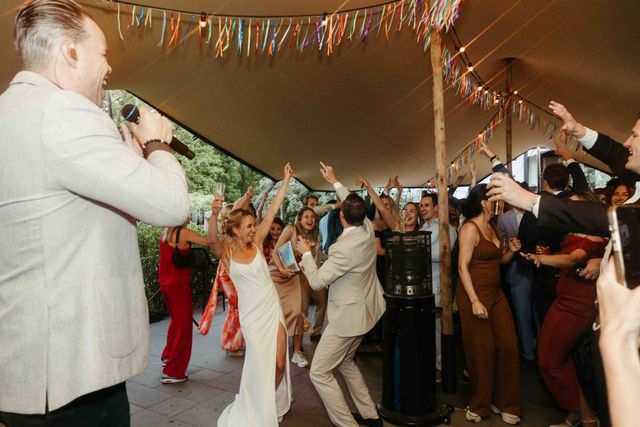
The honest answer is that it depends on your crowd. If the tradition is part of your heritage, embrace it. If it is not, and you worry it will read as a request for money, it is perfectly fine to skip it. In 2026, couples are leaning into the customs that mean something to them and letting go of the rest.
What you need to run a money dance
If you are doing a money dance, a little prep keeps it smooth. Decide how guests will give: pinning bills to clothing, dropping them in a decorative apron or satin bag, or handing them to a designated family member who collects as the line moves. Have those props ready before the reception so nobody is improvising on the floor.
Assign one or two trusted people to keep the line flowing and to gather and stash the money safely afterward. Brief your DJ or MC to announce it clearly, explain how it works for guests who have never seen one, and choose two or three upbeat songs so the energy never dips.
Money dance alternatives and other reception traditions
If the money dance is not for you, plenty of interactive moments create the same energy without the cash element. And if you love tradition, there is a whole menu of classic reception beats to choose from.
- Anniversary dance. All married couples dance, then leave the floor by years married, until the longest married pair remains to share their advice.
- Shoe game. The couple answers funny questions by raising one partner's shoe, a guaranteed crowd pleaser that costs nothing.
- Bouquet and garter toss. The classic singles' moment, still beloved at many receptions.
- First dance and parent dances. The emotional centerpieces of the evening, often the most photographed reception moments.
- Cake cutting and toasts. Timeless beats that give the night structure and great photo opportunities.
How to fit traditions into your reception timeline
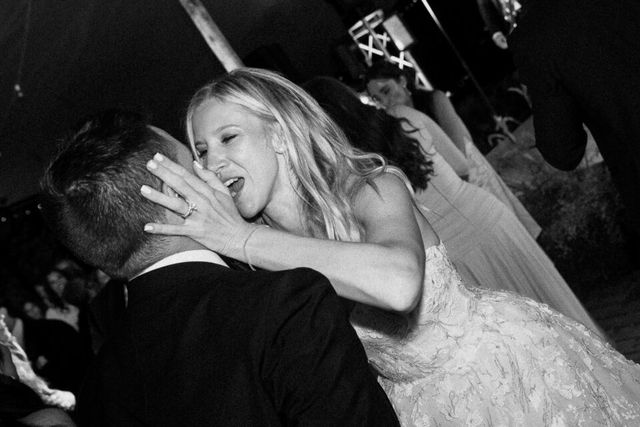
Traditions are wonderful, but stacking too many in a row drains the dance floor. Space them out across the evening so guests get a rhythm of dancing, a tradition, more dancing. A money dance, for instance, slots naturally midway through the open dancing once the floor is warm.
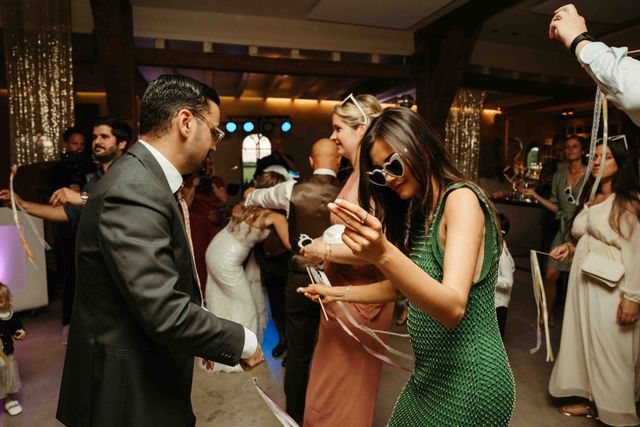
Brief your DJ or MC so each tradition is announced clearly and kept short. The goal is to honor what matters to you without turning the party into a back to back program.
Common mistakes to avoid
- Adding a money dance with no cultural tie just to collect cash. If it does not fit your family, it can feel transactional. Skip it without guilt.
- Cramming every tradition into one block. Space them out so the dance floor never fully empties.
- Not briefing the DJ or MC. An unannounced or rambling tradition loses the room fast.
- Ignoring your guests' expectations. Some crowds expect certain customs, others do not. Read your specific room.
- Forgetting the apron, bag, or pins. If you are doing a money dance, have the practical props ready in advance.
Traditions are at their best when they mean something to you. Keep the ones that tell your story, let go of the rest, and your reception will feel like a celebration instead of a checklist.
Sarah Glasbergen, Founder at ThePerfectWedding.com
Frequently asked questions about the money dance
-
What is the money dance at a wedding?
It is a reception tradition where guests give or pin money to the couple in exchange for a short dance, symbolizing community support for the couple's new life together.
-
What is the money dance also called?
It goes by many names, including the dollar dance, the apron dance, and the money spray, depending on the culture it comes from.
-
Is the money dance rude or tacky?
Not when it is part of your cultural tradition, where it is expected and cherished. It can feel awkward only if added purely to collect cash with no heritage tie.
-
How does the money dance work?
Guests line up, and each pays a small amount, often a single bill, for a brief dance with the bride or groom. The money is pinned on, placed in an apron or bag, or handed over.
-
When does the money dance happen?
Usually midway through the open dancing, once the floor is warmed up. Your DJ or MC announces it and keeps it moving.
-
What are good alternatives to the money dance?
The anniversary dance, the shoe game, the bouquet and garter toss, and classic first and parent dances all create interactive energy without the cash element.
-
How much do guests give during a money dance?
It varies widely by region and family. Many guests give a single small bill, and the amount is far less important than taking part.
-
Do we have to do every reception tradition?
No. The 2026 approach is to keep the traditions that feel personal to you and skip the ones that do not, rather than running through all of them.
Plan a reception that feels like you
Whether you keep every tradition or just a few, a clear timeline keeps the party flowing. Use the planning checklist on ThePerfectWedding.com to map your reception, and find a photographer to capture every dance.


