Your First Dance: How to Prepare and Calm Nerves
How to prepare for your wedding first dance: choreography versus a simple sway, song length, calming nerves, and the details that make it shine.

by Sarah Glasbergen on 11 November 2026
Web editor
In short
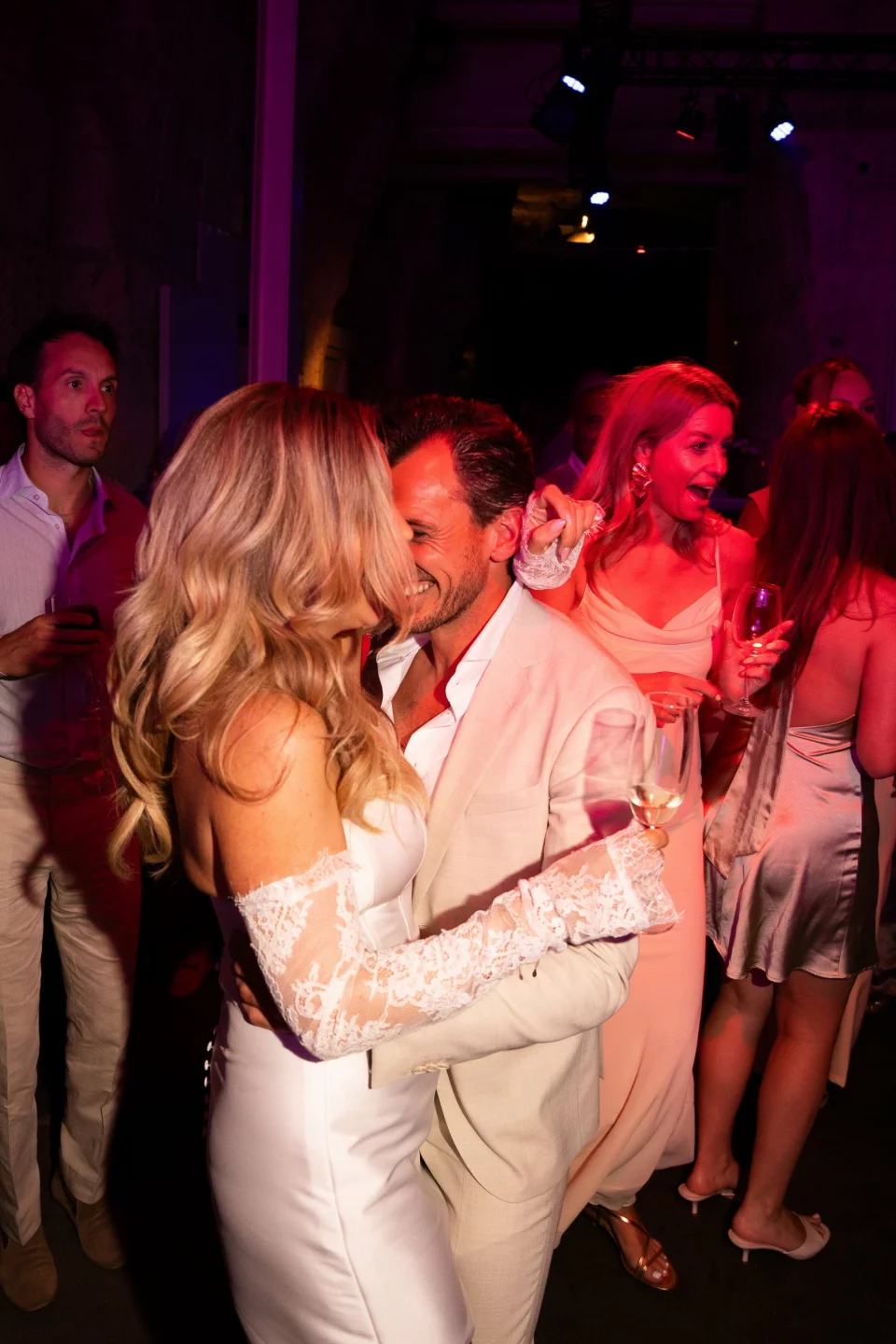
Your first dance is the moment you take the floor together as a married couple, traditionally opening the dancing at the reception. Whether you sway simply or learn a full routine, the secret to enjoying it is a little preparation: pick the right song length, decide how much to choreograph, and plan the spotlight so nerves do not steal the moment.
Below we cover what the first dance is, how to prepare, choreography versus a simple sway, calming the nerves, and the practical details that make it shine. For song ideas, see our dedicated first dance song guides.
The lights dim, your song starts, and suddenly it is just the two of you and a hundred phones. The first dance is equal parts romance and stage fright, and a little planning tips it firmly toward romance.
Key Facts at a Glance
- The first dance traditionally opens the reception dancing, often right after the grand entrance or dinner.
- You do not need to be a good dancer, a confident, slow sway photographs beautifully and is what most couples actually do.
- Many couples shorten or fade their song, since a full track can feel long under a spotlight.
- A few practice runs make a big difference, even just rehearsing the start, a turn, and the ending.
- The spotlight and floor setup matter, so coordinate lighting and space with your venue and DJ.
- 2026 couples lean into authentic, personal moments, whether that is a heartfelt sway or a surprise routine (Source: The Knot Worldwide 2026 Real Weddings Study).
What is the first dance?
The first dance is the couple's dance together as newlyweds, the moment that traditionally opens the dance floor and invites everyone else to join later. It is one of the most anticipated and photographed parts of the reception, a pocket of intimacy in the middle of a party.
According to ThePerfectWedding.com's reception guidance, the first dance works best when it feels like you. There is no requirement to be polished, the moment lands because it is genuine, whether that means a slow embrace or a choreographed surprise.

How to prepare for your first dance
Preparation is what separates a relaxed first dance from an awkward shuffle. Start with the song, then decide how much structure you want, and give yourselves a few low pressure practice runs in the weeks before the wedding.
You do not need a dance studio. Practicing in your living room, in the shoes you will actually wear, is enough to learn how your outfits move and how to hold each other comfortably. Even rehearsing just the first few steps, one turn, and a clear ending will make the real thing feel far smoother.
Choreography or a simple sway?
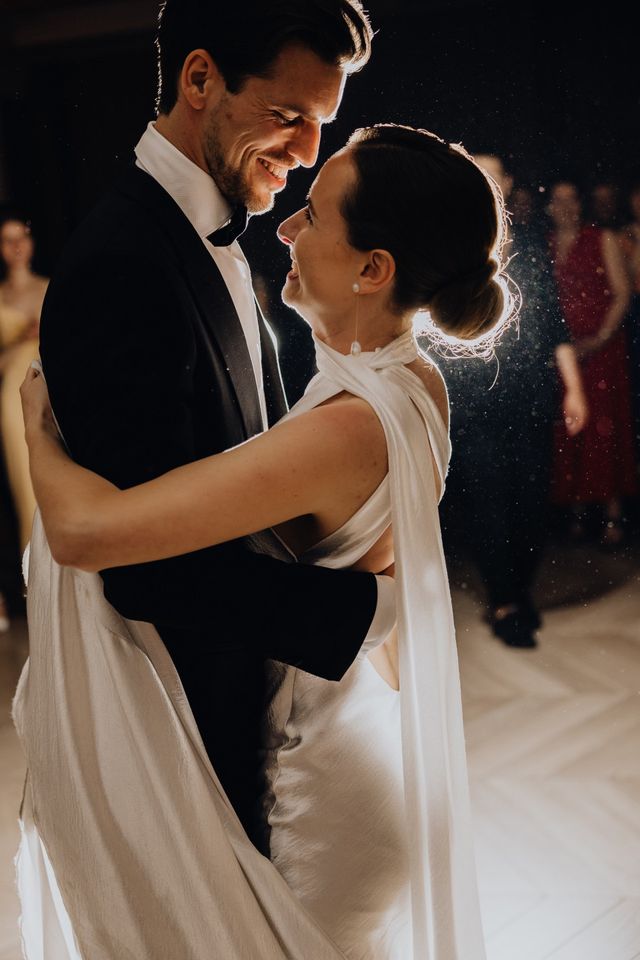
There are two broad routes, and neither is better. A simple sway, holding each other and moving gently, is what most couples do, and it looks timeless and romantic in photos. It is also the lowest stress option by far.
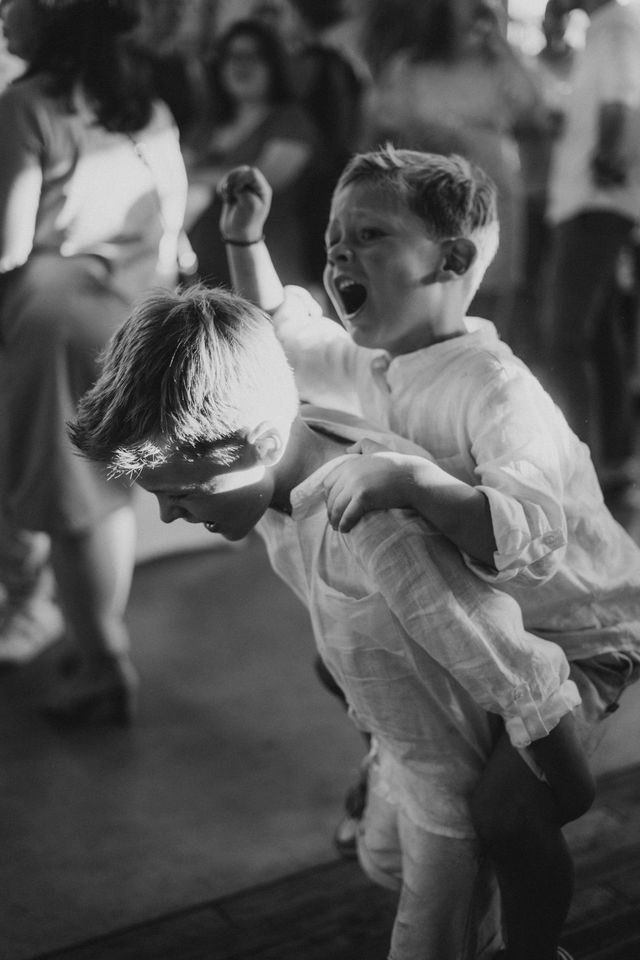
A choreographed routine, whether a few rehearsed moves or a full surprise dance, is more memorable and more fun for guests, but it takes real practice and can heighten nerves. If you go this way, consider a few lessons and keep the routine simple enough that a stumble will not throw you. Many couples blend the two: a gentle start that builds into a surprise.
Calming the nerves
Stage fright is normal. The single best fix is preparation, knowing your song and your first few moves means your body has something to do while the room watches. Beyond that, keep your focus on each other, not the crowd, and remember the guests are rooting for you, not judging your footwork.
Shortening the song helps too. A full track can stretch on under a spotlight, so many couples fade their song after a minute and a half or two minutes, or invite the wedding party and guests to join partway through to take the pressure off.
The practical details that make it shine
A few logistics elevate the moment. Talk to your venue and DJ about the spotlight and the floor, where you will enter, how the song will be cued, and whether the lights will dim. A clear cue means the music starts exactly when you are ready.

Tell your photographer your plan so they can position for the best angle and catch the dips, spins, or quiet moments. And practice in your wedding shoes, because heels, long trains, and new soles all change how you move.
If your venue floor is unfamiliar, ask to feel it underfoot beforehand. Polished stone, grass, and a hired dance floor all grip very differently, and a quick test in your actual shoes saves you from discovering a slippery surface mid spin in front of all your guests.
Surprise dances, and what to do if you truly cannot dance
If a simple sway feels too exposed, you have escape hatches. A surprise dance, starting slow and then breaking into an upbeat, rehearsed routine, delights guests and takes the focus off your technique, because the fun becomes the surprise itself. It does take practice, but the payoff is big.
If you genuinely cannot dance or hate the spotlight, lean on the room. Invite your wedding party or all couples onto the floor partway through your song so you are not alone for long, or keep your dance to a short, sweet thirty seconds before the DJ opens the floor to everyone. You can even skip the traditional first dance and open the dancing as a group instead.
The point is that there is always an option that fits your comfort level. The first dance is a tradition you can shape, not a performance you owe anyone.
Common mistakes to avoid
- Not practicing at all. Even a few living room run throughs make the real dance feel far more relaxed.
- Choosing a song that is too long. Shorten or fade it so the spotlight moment does not drag.
- Over choreographing. A routine that is too complex raises nerves. Keep it simple enough to recover from a slip.
- Forgetting to practice in your shoes. Heels and a train change everything, so rehearse in what you will wear.
- Skipping the cue plan. Coordinate the song cue, lighting, and floor with your DJ and venue in advance.
Nobody remembers whether your footwork was perfect. They remember the way you looked at each other. Prepare just enough to relax, then forget the crowd and dance for the one person who matters.
Sarah Glasbergen, Founder at ThePerfectWedding.com
Frequently asked questions about the first dance
-
What is the first dance at a wedding?
It is the couple's dance together as newlyweds, which traditionally opens the reception dancing and invites guests to join later. It is a romantic, highly photographed moment.
-
Do we need to take dance lessons?
Not at all. Most couples do a simple, confident sway, which looks beautiful in photos. Lessons are only worth it if you want a choreographed routine.
-
How long should the first dance be?
Many couples shorten or fade the song, since a full track can feel long under a spotlight. Around a minute and a half to two minutes is comfortable, or invite others to join partway through.
-
How do we calm our nerves?
Prepare your song and first few moves, focus on each other rather than the crowd, and remember everyone is rooting for you. Shortening the song also reduces the pressure.
-
Should we choreograph our first dance?
Only if you want to. A simple sway is timeless and low stress, while a routine is more memorable but takes practice. Many couples blend a gentle start with a fun surprise.
-
When does the first dance happen?
Usually early in the reception, often right after the grand entrance or after dinner, to open the dance floor for everyone.
-
What should we wear to practice?
Practice in the shoes you will actually wear, and ideally with an idea of your outfit's movement, since heels and a train change how you dance.
-
How do we get good first dance photos?
Tell your photographer your plan and any dips or spins, and coordinate the spotlight and lighting with your venue and DJ so the moment is well lit.
Capture your first dance
The first dance is over in two minutes, so the right photographer is everything. Find wedding photographers on ThePerfectWedding.com who know how to light and frame the moment, and plan it into your reception.


