Wedding Hair Extensions: Types and How to Wear Them
Wedding hair extensions guide: types (clip-in, tape-in, sew-in, halo), human hair versus synthetic, matching color and length, trials, styles, and care.

by Sarah Glasbergen on 3 July 2026
Web editor
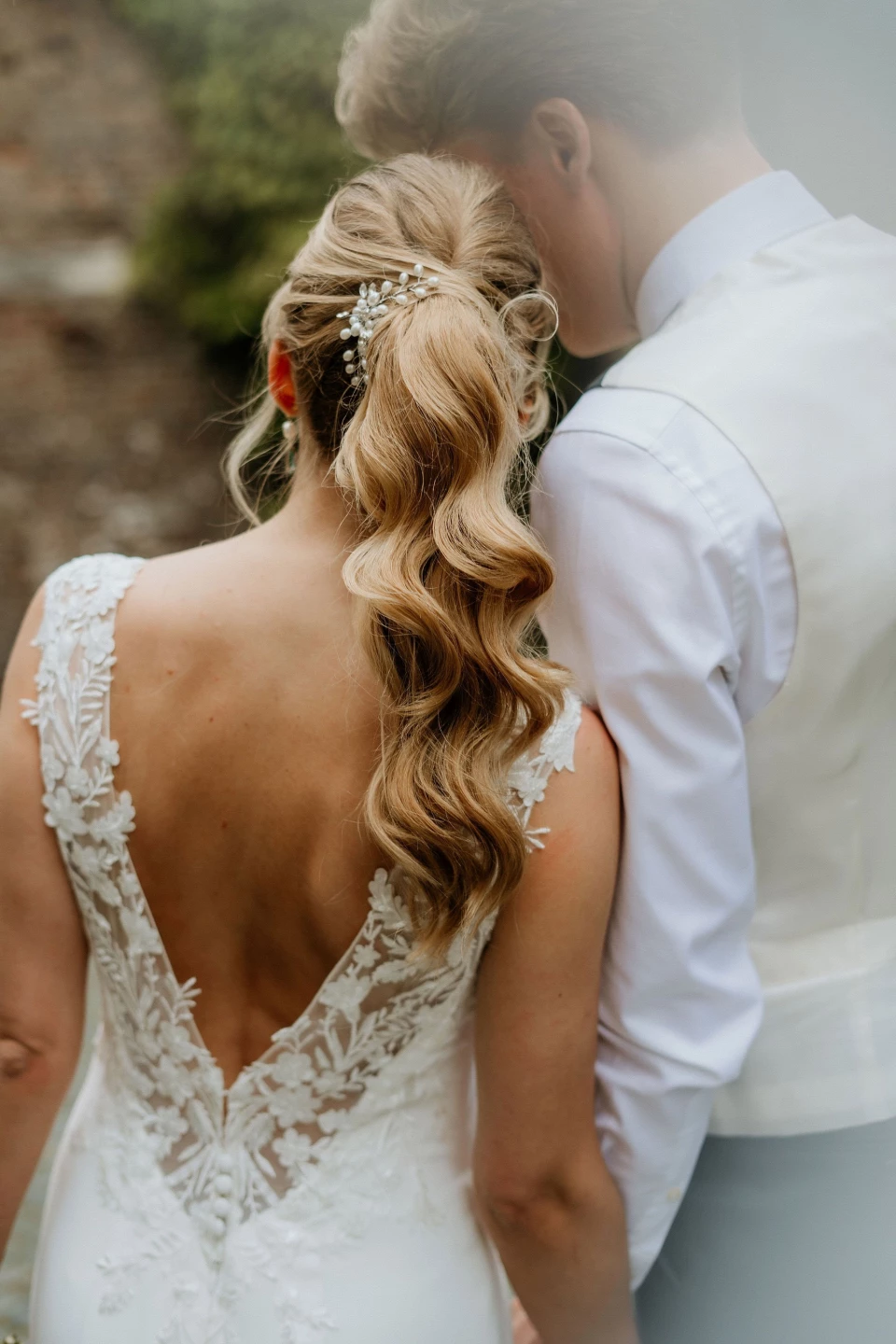
In partnership with Endaring Hair.
In short
Hair extensions are one of the easiest ways to get the length, volume, or fullness you want for your wedding hairstyle, whether you are growing out a cut, filling in fine hair, or simply dreaming of dramatic waves. The keys to a flawless result are choosing the right type, using quality human hair, matching color and texture precisely, and doing a trial with your stylist well before the day.
Below we cover why brides choose extensions, the main types, human hair versus synthetic, how to match them, timing and trials, the styles they unlock, and how to care for them.
Your wedding hairstyle deserves to look exactly the way you pictured it. If your natural hair will not quite get you there, extensions quietly bridge the gap, and done well, no one will ever know they are there.
Key Facts at a Glance
- Hair extensions add length, volume, or fullness for your wedding hairstyle.
- The main types are clip-in, tape-in, sew-in, halo, and ponytail extensions.
- Human hair is strongly preferred for weddings, since it styles and blends naturally.
- Precise color, length, and texture matching is what makes extensions invisible.
- A trial run before the day is essential, ideally with your wedding stylist.
- A specialist such as Endaring Hair can help you match and choose the right set.
Why wear hair extensions on your wedding day?
Extensions are popular with brides for practical, flattering reasons. They add length if you are growing out a style or simply want more to work with, build volume and fullness in fine or thin hair, and make elaborate updos, braids, and cascading waves far easier to create and hold. They can also blend in a color dimension or balayage effect without touching your natural hair.
According to ThePerfectWedding.com's bridal beauty guidance, the goal of wedding extensions is enhancement, not transformation. The best result looks entirely like your own hair on its most beautiful day, which is why matching and quality matter more than anything else.
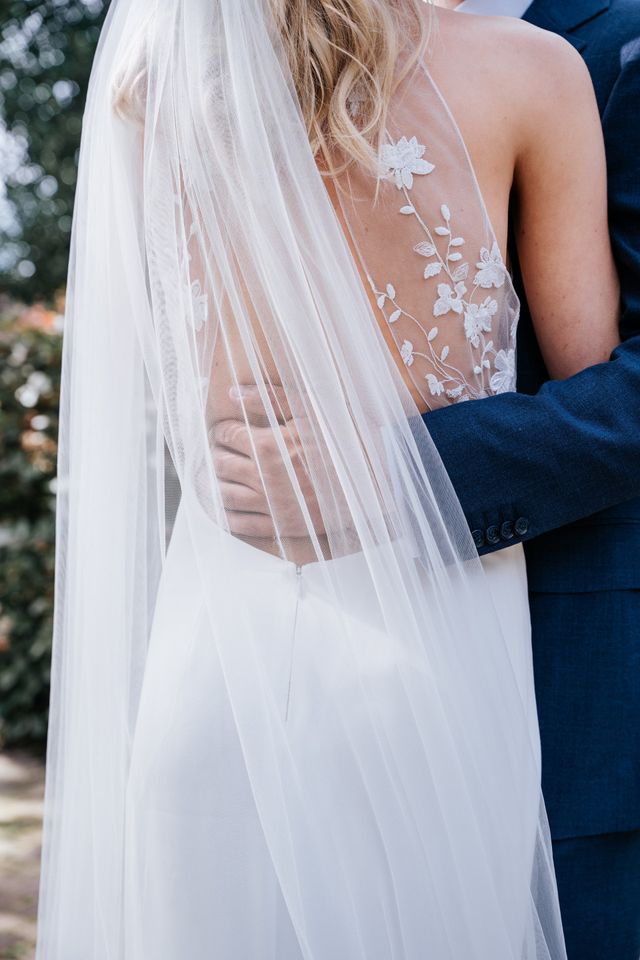
Types of wedding hair extensions
There are several types, and the right one depends on your natural hair, your chosen style, and whether you want them in for just the day or a little longer. Here is how the main options compare:
| Type | How it works | Best for |
|---|---|---|
| Clip-in | Wefts clip in and out in minutes, no commitment | Day-of volume and length, easy removal |
| Tape-in | Thin wefts taped to sections, last several weeks | A seamless look worn for the whole wedding period |
| Sew-in / weave | Wefts sewn into braided hair by a pro | Thick hair, longer wear, maximum security |
| Halo | A single weft on an invisible wire, sits like a headband | Quick volume with no attachment to your hair |
| Ponytail | A wrap-around piece for a fuller ponytail or updo | Sleek ponytails and voluminous updos |
For most brides, clip-in or tape-in extensions strike the best balance of impact and convenience, but a stylist can advise what suits your hair type and style. A specialist like Endaring Hair can help you decide between the options based on your hair and the look you are after.
Human hair versus synthetic
For a wedding, human hair extensions are strongly recommended over synthetic. Human hair blends naturally with your own, can be heat-styled, curled, and straightened to match the rest of your hairstyle, and moves and catches the light the way real hair does. Synthetic hair is cheaper but harder to blend, cannot always take heat, and can look artificial up close and in photos.
Since your wedding is heavily photographed, the natural look and styling flexibility of human hair is well worth it. Quality also affects how well the extensions match and how long they last, so this is one area where investing pays off in the final result.
How to match color, length, and texture
Matching is the single most important factor in extensions looking invisible. Color should blend with your own, accounting for any dimension, highlights, or balayage, and often the best match uses a blend of shades rather than one flat color. Length should suit your height and style, and texture, whether straight, wavy, or curly, needs to mirror your natural hair so everything moves together.
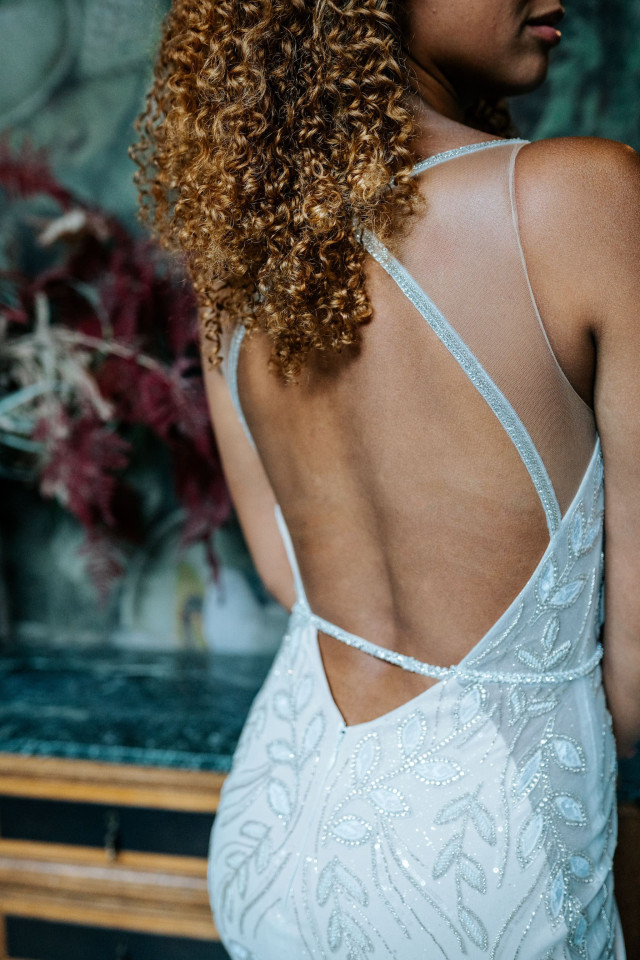
This is where working with a provider that offers proper matching, such as Endaring Hair, makes a real difference. Getting the shade and texture right is delicate work, and a good specialist or stylist will help you select a set that disappears into your own hair rather than sitting on top of it. If you color your hair, coordinate the timing so your extensions match your freshest shade.
Timing, trials, and working with your stylist
Never wear extensions for the first time on your wedding day. Order them with enough lead time to match and, if needed, exchange them, and always do a trial run, ideally the same trial where you test your full wedding hairstyle. This confirms the color, length, and style all work together and gives you time to adjust.
Loop in your hair stylist early. Tell them you are planning extensions so they can advise on type and placement, and bring the extensions to your trial. If a stylist is applying tape-in or sew-in extensions, book that into the timeline. Coordinating the extensions and the hairstyle together, rather than treating them separately, is what produces a seamless, secure result that lasts through dancing.
The styles extensions unlock
With extra length and volume in play, far more hairstyles become possible. Extensions make full, romantic half-up styles and cascading waves easy to achieve, give thin hair the body needed for voluminous updos and braids, and let shorter hair reach lengths that would otherwise take years to grow.
They also help a style hold. Fuller hair supports intricate braids, twists, and pinned updos that can fall flat in fine hair, and they add the polish that reads beautifully in close-up photographs. Whatever look you have saved to your inspiration board, extensions often make it genuinely achievable rather than aspirational. Pair them with the right bridal hair accessories to fine-tune the finish, and our guide to bridal hairstyles for every hair length shows what is possible once you have the length to play with.
Caring for and removing your extensions
On the day, treated well, quality extensions need little fuss, but a few habits keep them looking their best. Style them gently, avoid tugging at the attachment points, and if you use heat, protect the hair as you would your own. For longer-wear types like tape-in or sew-in, follow the aftercare your stylist gives you.
Removal depends on the type: clip-ins and halo pieces come out in seconds at the end of the night, while tape-in and sew-in extensions should be removed by a professional to protect your natural hair. If you want to keep quality human hair extensions for future use, store them clean and tangle-free, and they can be worn again long after the wedding.
Common mistakes to avoid
- Wearing them for the first time on the day. Always trial extensions in advance so there are no surprises.
- Choosing synthetic for the photos. Human hair blends and styles naturally; synthetic can look artificial up close.
- Skipping the color match. A precise, often multi-tone match is what makes extensions invisible.
- Ignoring your stylist. Tell them early so they can advise on type, placement, and timeline.
- Mismatched texture. Straight extensions in curly hair, or the reverse, will not move together. Match the texture.

Great wedding hair is not about having more hair than everyone else. It is about your hair, looking effortlessly like the best version of itself, so you never think about it again once the day begins.
Sarah Glasbergen, Founder at ThePerfectWedding.com
Frequently asked questions about wedding hair extensions
-
Are hair extensions good for a wedding?
Yes. They are a popular, effective way to add length, volume, or fullness for your wedding hairstyle, and when matched and applied well they look completely natural.
-
What type of hair extensions are best for a wedding?
It depends on your hair and style. Clip-in and tape-in extensions are popular for their balance of impact and convenience, while sew-in suits thick hair and halo pieces add quick volume. A specialist can advise.
-
Should I use human hair or synthetic extensions?
Human hair is strongly recommended for weddings. It blends naturally, can be heat-styled to match your hairstyle, and looks realistic in photos, whereas synthetic hair is harder to blend and style.
-
How do I match extensions to my hair?
Match color, length, and texture to your natural hair, often using a blend of shades for dimension. A provider such as Endaring Hair or your stylist can help select a set that disappears into your own hair.
-
When should I get my wedding hair extensions?
Order them with enough lead time to match and exchange if needed, and always test them at a hair trial before the day, ideally alongside your full wedding hairstyle.
-
Do I need to tell my hair stylist about extensions?
Yes, tell them early. They can advise on the best type and placement, apply certain types, and build the extensions into your wedding hair timeline.
-
Can extensions hold an updo?
Absolutely. Added volume and length actually help intricate updos, braids, and pinned styles hold better than they would in fine hair.
-
How do I remove wedding hair extensions?
Clip-in and halo pieces come out in seconds, while tape-in and sew-in extensions should be removed by a professional to protect your natural hair.
Find the hairstyle that is truly you
Extensions are one of many ways to create your dream wedding hair. Explore bridal hairstyle ideas on ThePerfectWedding.com to find the length, volume, and style that fits your day.


