Film vs. Digital Wedding Photography: Which Is Right for Your Wedding?
Film vs. digital wedding photography: visual comparison, cost breakdown, pros and cons, and when to choose each. Expert guide

by Sarah Glasbergen on 27 March 2026
Web editor
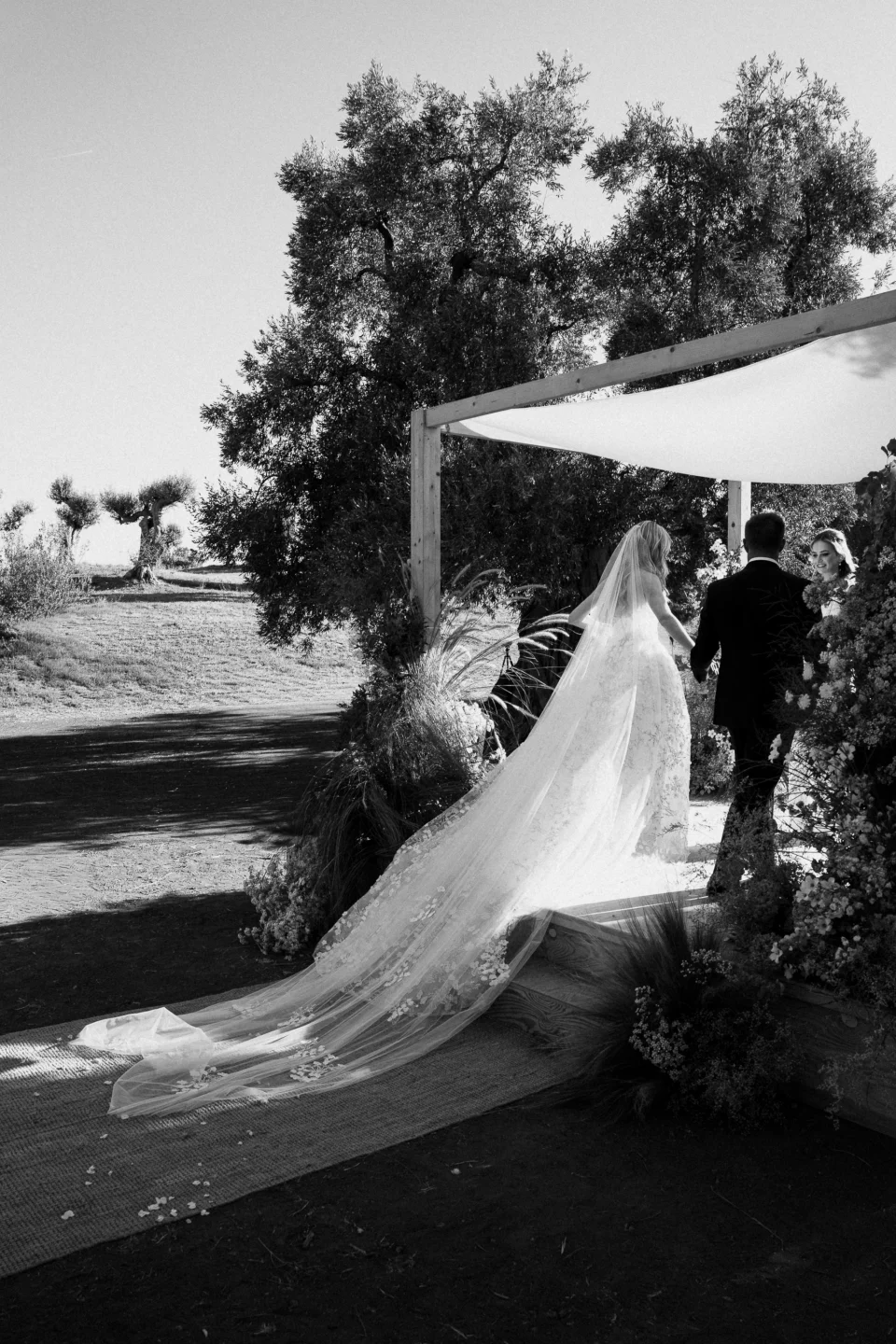
TLDR: Film photography produces a distinctive grain, color depth, and timeless quality that digital cannot perfectly replicate. Digital photography offers consistency, instant results, and virtually unlimited shots. Both produce beautiful wedding images, and the right choice depends on your aesthetic preference, budget, and tolerance for variables. ThePerfectWedding.com's photography experts compare the two in detail with cost breakdowns, visual differences, and questions to ask your photographer.
Key Facts at a Glance
- Film wedding photography has seen a 40% increase in demand since 2023 (Source: Pinterest Trends)
- Average digital wedding photography cost: $2,500 to $5,000 for full coverage (Source: The Knot, 2025)
- Film photography adds approximately $500 to $2,000 to the total cost due to film stock, developing, and scanning (Source: WeddingWire)
- Most "film-look" wedding photos are actually digital images edited to mimic film aesthetics
- Hybrid photographers (shooting both film and digital) are the fastest-growing category in wedding photography

What Is the Difference Between Film and Digital?
| Factor | Film | Digital |
| Image quality | Distinctive grain, rich tones, organic feel | Clean, sharp, highly detailed |
| Color rendering | Natural, warm, film-stock dependent | Customizable in post-processing |
| Cost per image | High ($1-3 per frame for stock + developing) | Essentially free (no per-image cost) |
| Number of shots | Limited (typically 400-800 frames per wedding) | Unlimited (typically 2,000-5,000+ frames) |
| Turnaround time | Slower (developing + scanning: 2-4 extra weeks) | Faster (editing only: 4-8 weeks total) |
| Editing flexibility | Limited (film look is baked in) | Extensive (color, exposure, style adjustments) |
| Reliability | Variable (light leaks, exposure errors possible) | Consistent (instant review on camera screen) |
| Aesthetic | Timeless, nostalgic, editorial | Modern, versatile, adaptable |
When Should You Choose Film?
You love the film aesthetic. The organic grain, warm tones, and slightly imperfect quality of film create an emotional, timeless look that many couples find more romantic than digital. If you are drawn to images that look like they could be from a magazine editorial or a family album from the 1970s, film is your match.
Your wedding has great natural light. Film excels in soft, natural light: golden hour, overcast days, window-lit rooms. In harsh or low-light conditions, digital is more reliable.
You want fewer, more intentional images. Film photographers shoot more deliberately because each frame costs money. The result is a curated, focused gallery rather than thousands of images to sort through.
When Should You Choose Digital?
You want maximum coverage and flexibility. Digital photographers can shoot thousands of frames at no additional cost, ensuring they capture every moment, angle, and expression.
Your wedding involves challenging lighting. Indoor venues, nighttime receptions, candlelit ceremonies: digital cameras handle low-light conditions far better than film.
You want fast turnaround. Without developing and scanning time, digital galleries are typically delivered 2 to 4 weeks faster than film.
Budget is a primary concern. Digital photography is more affordable because there are no ongoing costs for film stock, developing, and scanning.
The Hybrid Approach: Best of Both Worlds
Many photographers now offer hybrid packages: they shoot the key moments (ceremony, portraits, couple shots) on film for that distinctive aesthetic, and use digital for everything else (getting ready, reception, details). This gives you the film look where it matters most without the risk of missed moments.
Hybrid packages typically cost 15% to 30% more than digital-only but significantly less than full-film coverage.
Expert Tip: "Ask to see a full wedding gallery from your photographer, not just curated highlights. Film galleries look different from digital galleries: fewer images, more intentional compositions. If you love that curation, choose film. If you want comprehensive coverage of every moment, choose digital. If you want both, choose a hybrid shooter."
Sarah Glasbergen, Senior Wedding Editor at ThePerfectWedding.com
Film vs. Digital FAQ
Is the "film look" achievable with digital editing?
Partially. Digital presets and filters can mimic film tones and grain, but they do not perfectly replicate the organic quality of real film. True film purists can tell the difference. For most couples, a skilled digital editor can get close.
What if a film photo does not turn out?
This is the primary risk of film. Unlike digital, you cannot review film images in the moment. An experienced film photographer mitigates this risk through metering skill and bracketing exposures, but the inherent unpredictability is part of film's charm (and risk).
Can I request both film and digital from the same photographer?
Yes. Many photographers shoot hybrid. Ask about their hybrid workflow and what percentage of your gallery will be film vs. digital.
Find Photographers on ThePerfectWedding.com
Search film, digital, and hybrid photographers on our vendor directory. For more on choosing the right photographer, see our wedding photography styles guide.


