How to Choose Your Wedding Photographer: The One Vendor You Cannot Redo
How to choose a wedding photographer: styles, consultation questions, portfolio evaluation, and red flags.

by Sarah Glasbergen on 18 April 2026
Web editor
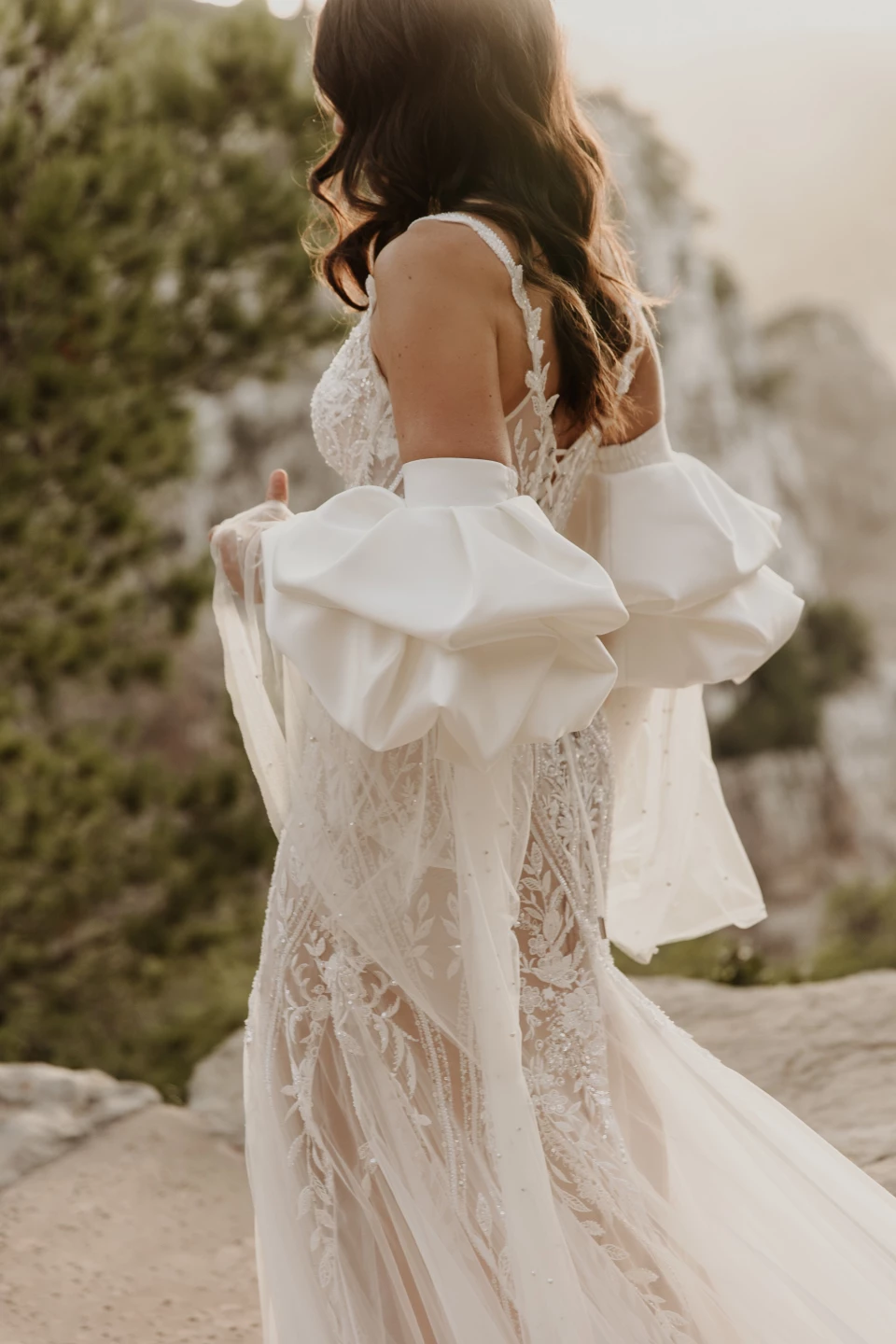
TLDR: Your photographer is the most important vendor decision you will make because they are the only vendor whose product lasts forever. The food is eaten, the flowers wilt, the DJ packs up, but the photos remain for decades. ThePerfectWedding.com's planning experts explain how to evaluate portfolios, what to ask during consultations, how much to budget, and the difference between photography styles so you find the right creative match.
Key Facts at a Glance
- Average US wedding photography cost: $2,500 to $5,000 for 8 hours and a second shooter (Source: The Knot, 2025)
- Book your photographer 9 to 14 months before the wedding. Top photographers book 12+ months out (Source: WeddingWire)
- Style match matters more than price. A $2,000 photographer whose style you love beats a $5,000 photographer whose style you do not (Source: Brides.com)
- Most photographers deliver 400 to 800 edited images within 4 to 8 weeks (Source: Zola)
- See our film vs. digital comparison and find photographers on our photographer page on ThePerfectWedding.com
Photography Styles

Photojournalistic (documentary)
Candid, unposed, storytelling. The photographer captures moments as they happen without directing. Best for couples who want natural, unstaged photos. The photographer is a fly on the wall. The results feel like a documentary of your day. Trade-off: fewer classic posed portraits.

Traditional (classic)
Posed, formal, structured. Group shots, formal portraits, and classic compositions. Every important person and moment is documented methodically. Best for couples who want guaranteed coverage of every family combination and traditional poses. Trade-off: can feel stiff and less emotional.

Fine art
Artistic, editorial, magazine-quality. Creative compositions, dramatic lighting, and a curated aesthetic. Best for couples who want photos that look like a fashion editorial or art exhibit. Trade-off: the photographer's artistic vision may override documentary coverage of small moments.

Light and airy
Bright, soft, pastel-toned. Overexposed highlights, soft shadows, and a dreamy quality. Very popular for outdoor, garden, and romantic weddings. Trade-off: can look washed out in certain conditions.

Dark and moody
Deep shadows, rich colors, dramatic contrast. Best for evening weddings, candlelit venues, and couples who want a more cinematic feel. Trade-off: can look too dark in print if not balanced carefully.
What to Ask During the Consultation
About their work
- Can I see 2 to 3 full wedding galleries (not just highlight reels)?
- What is your editing style and will you maintain it for our wedding?
- How many images will we receive and in what format (digital, print, album)?
- What is your turnaround time for delivering the final gallery?
- Do you shoot with a second photographer?
About logistics
- Have you shot at our venue before? (Familiarity with lighting and locations is valuable.)
- What is your backup plan if you are sick or have an emergency?
- How do you handle low-light situations (church ceremonies, candlelit receptions)?
- What equipment do you use and do you have backups?
- How do you coordinate with the videographer if we have one?
About the relationship
- How do you manage large family group shots efficiently?
- How do you handle shy or camera-averse couples?
- What do you need from us to do your best work?
- Will YOU personally shoot our wedding or will you send an associate?
How to Evaluate a Portfolio
Look at full weddings, not just highlights
A highlight gallery shows the 10 best shots from the best wedding. A full gallery shows how the photographer handles the boring moments, the difficult lighting, the chaotic family portraits, and the dance floor at midnight. Ask for 2 to 3 complete galleries. Consistency across an entire wedding is what matters.
Check for consistent quality
Every photographer has one incredible sunset shot. Look at 50 images from the same wedding. Are they all well-composed, well-lit, and well-edited? Or are there 5 great ones and 45 mediocre ones? Consistency is the mark of a professional.
Look for emotion, not just beauty
The best wedding photos make you feel something. A father's tears during the first dance. The bride laughing uncontrollably during the speech. The couple holding hands under the table when they think nobody is watching. Technical skill without emotional sensitivity produces pretty but empty images.

Red Flags
No full wedding galleries available
If a photographer can only show highlights, they may be hiding inconsistency. Every professional should be proud to show full wedding galleries. Reluctance is a warning sign.
No backup equipment or plan
Cameras fail. Cards corrupt. Photographers get sick. No backup plan means your wedding photos are at risk. Professionals carry two camera bodies, multiple cards, and have a network of backup shooters.
Pressure to book immediately
"I have another couple interested in your date" may be true or may be pressure. Take time to decide. Compare 3 to 5 photographers. Sleep on it. A photographer who pressures you to sign immediately is prioritizing their booking over your decision-making process.
Expert Tip: "Choose a photographer whose personality you enjoy spending time with. This person will be with you for 8 to 12 hours on the most emotional day of your life. They will see you cry, adjust your dress, manage your family, and direct you through intimate moments. If you do not feel comfortable with them during a 30-minute consultation, you will not feel comfortable with them all day. Chemistry matters as much as talent."
Sarah Glasbergen, Founder at ThePerfectWedding.com
Frequently Asked Questions
Do I need a second shooter?
For weddings over 75 guests, strongly recommended. A second shooter captures the groom's reaction during the aisle walk while the primary shoots the bride. They cover cocktail hour while the primary does portraits. Two perspectives of the same moment are always better than one.
Film or digital?
See our complete film vs. digital comparison. Short answer: digital is standard, reliable, and delivers more images. Film adds a romantic, vintage quality but costs more and delivers fewer images. Some photographers offer hybrid (digital + film) packages.
What about an album?
Albums are a significant additional cost ($500 to $2,000+) but become the most-viewed physical artifact of the wedding. Digital files sit on hard drives. Albums sit on coffee tables. Budget for an album if you can. If not, you can always order one later from a third-party album company.
How do I handle the family photo list?
Create a prioritized list of 10 to 15 family combinations (not 50). Share it with your photographer 2 weeks before. Designate a family member who knows everyone to help the photographer identify people and round them up. Budget 15 to 20 minutes for family portraits.
More Planning Guides on ThePerfectWedding.com
See our film vs. digital comparison, first look guide, vendor contracts, and negotiation guide. Plan with our day-of timeline and 12-month checklist. Find photographers on our photographer page and vendor directory.


