Three-Tier Wedding Cakes: The Classic Size for Medium to Large Weddings
Three-tier wedding cakes: serving sizes, designs, structural tips, and flavor variety. Complete guide from ThePerfectWedding.com.

by Sarah Glasbergen on 17 April 2026
Web editor
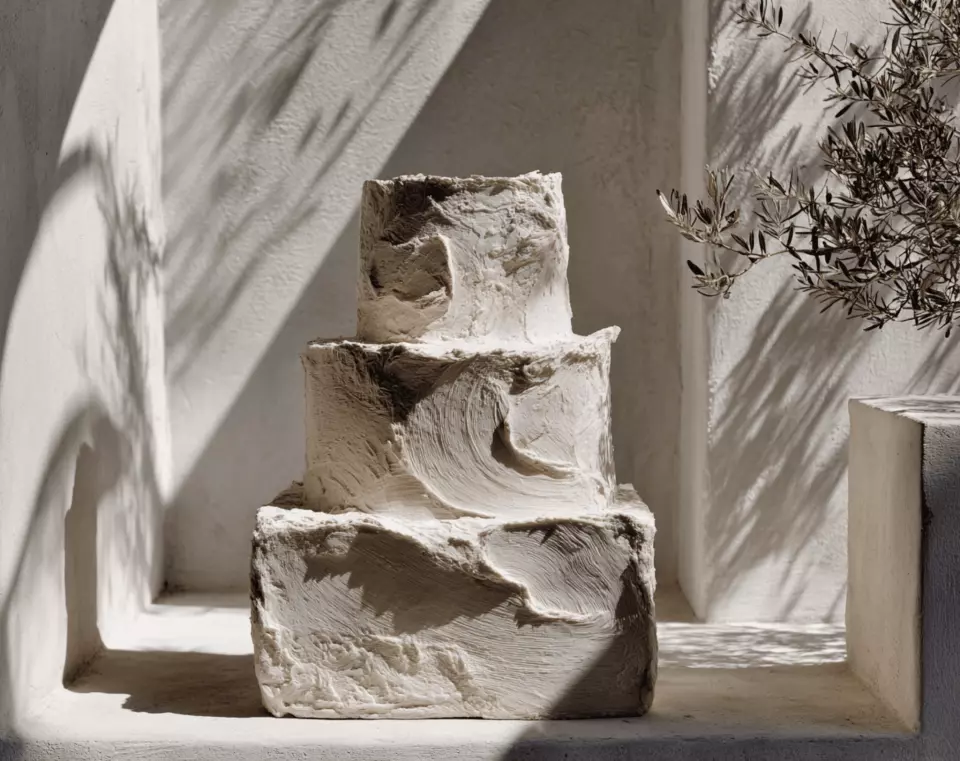
TLDR: A three-tier wedding cake is the classic bridal cake size: tall enough to be a dramatic focal point, substantial enough to serve 50 to 100 guests, and structurally simpler than four-plus-tier designs. Three tiers offer visual grandeur without the added cost or engineering challenges of taller cakes. ThePerfectWedding.com's cake experts share the best three-tier designs, serving math, structural considerations, and how to scale flavor variety across multiple tiers.
Key Facts at a Glance
- The three-tier cake is the #1 most popular cake size for US weddings (Source: The Knot, 2025)
- A three-tier cake (6-10-14 inch tiers) serves approximately 75 to 100 guests with standard slice sizes (Source: WeddingWire)
- Three-tier cakes cost $600 to $1,500 depending on design complexity and flavors (Source: Brides.com)
- Three-tier cakes can have different flavors in each tier, giving guests variety (Source: Zola)
- Browse all cake styles on our wedding cakes page on ThePerfectWedding.com

Why Three Tiers Is the Sweet Spot
Visual drama without overwhelm
A three-tier cake stands about 18 to 24 inches tall, creating an impressive focal point without dominating the reception space. Four-plus tier cakes can overwhelm smaller venues and require taller cake tables, while one or two-tier cakes can feel modest at larger weddings. Three is the visual Goldilocks.
Feeds 75 to 100 guests
Standard three-tier sizes (6-10-14 inch rounds) serve about 75 to 100 guests with standard wedding cake slices (1 inch by 2 inches by cake height). This covers the majority of US weddings (average guest count: 117, but with 15-20% not eating cake, a three-tier feeds most events). See serving math below.
Structurally simpler than taller cakes
Four-plus tier cakes require more complex structural engineering: internal dowels, heavier boards, and often hidden support columns. A three-tier is structurally more forgiving, meaning less stressed cake transportation and more design freedom.
Allows flavor variety
Three tiers can have three different flavors, giving guests options without the management of five or more flavors. Popular combinations:
- Vanilla + lemon + chocolate
- Vanilla bean + red velvet + carrot
- Almond + strawberry + chocolate hazelnut
- Classic vanilla with three different fillings
Three-Tier Cake Designs

Classic formal
Smooth fondant or buttercream in white or ivory, with traditional piping or beadwork. This is the most recognizable three-tier wedding cake: elegant, timeless, and appropriate for formal venues. Add fresh flowers or sugar flowers for the classic touch.

Modern minimalist
Three tiers of flawlessly smooth buttercream with minimal decoration: a single floral arrangement, a subtle gold leaf accent, or simply the clean lines of the frosting itself. Modern minimalism relies on perfect execution. See our minimalist cake guide.

Cascading florals
Three tiers with flowers cascading from the top down one side. The three-tier height is ideal for creating dramatic floral cascades. Fresh flowers, dried florals, or sugar flowers all work. See our cake with flowers guide for placement ideas.

Asymmetric modern
Three tiers where each tier is slightly offset from the others, creating visual movement. Add a single focal point (one dramatic flower cluster, one gold leaf line) for modern editorial drama. See our modern cake designs.

Semi-naked rustic
Three tiers with a thin veil of frosting, fresh berries tucked between layers, and cascading greenery. Perfect for garden, farm, and rustic weddings. See our naked cake guide.

Textured buttercream
Three tiers of heavily textured buttercream (Swiss meringue swirls, petal piping, sculptural texture). The textural interest replaces traditional decoration. Clean, modern, and visually rich.
Serving Math and Sizing
Standard three-tier sizes
- 6-8-10 inch: Serves approximately 50 to 70 guests
- 6-10-14 inch: Serves approximately 75 to 100 guests (most common)
- 8-10-12 inch: Serves approximately 70 to 90 guests
- 8-12-16 inch: Serves approximately 100 to 140 guests (large weddings)
Calculating servings for your wedding
Standard cake slices are 1 inch by 2 inches. The formula: (tier diameter / 2)^2 × π = approximate servings per tier. But you do not need to do math: your baker will help you choose a size based on your guest count.
Estimate 80 to 90% of your guest count for actual cake eaters. If you have 100 guests, plan for 80 to 90 servings. Some guests will skip cake, especially if other desserts are offered.
Structural Considerations
Internal support
Every three-tier cake requires internal dowels (wood, plastic, or metal rods) running vertically through the cake to support the upper tiers. Without proper dowels, the bottom tier would collapse under weight. Your baker handles this construction. You just need to trust an experienced baker.
Cake board
Each tier sits on a cake board (a sturdy platter typically wrapped in decorative material). The boards distribute weight and make serving possible (you remove each tier individually at cutting time). Boards should match or complement your cake design.
Tier pillars vs. direct stacking
Classic three-tier cakes can be stacked directly (each tier sits on the one below) or separated by pillars (creating visible space between tiers). Direct stacking feels modern and minimal. Pillars feel vintage and traditional. Choose based on your wedding style.
Delivery and setup
Your baker must deliver and assemble the cake at the venue. Three-tier cakes are typically transported as separate tiers and stacked on-site. Allow 30 minutes to 1 hour for delivery and setup. Confirm timing with your baker and venue coordinator.
Expert Tip: "A three-tier cake is the classic wedding cake for good reason. It provides visual drama without engineering headaches, feeds the guest count most couples have, and gives you flavor variety. When couples ask me whether to go bigger or smaller, I almost always recommend three tiers for weddings of 75 to 120 guests. The exceptions are intimate weddings (go smaller with one or two tiers) and very large celebrations (consider four to five tiers for visual impact)."
Sarah Glasbergen, Founder at ThePerfectWedding.com

Frequently Asked Questions
Can I have a three-tier cake for 50 guests?
Yes. You can have a three-tier cake at any guest count: the cake is also a display and photo element, not just food. For smaller weddings, choose smaller tier diameters (6-8-10 inch) to avoid waste, or plan to send leftovers home with guests or donate.
How do you save the top tier for the first anniversary?
The traditional "top tier" can be wrapped in plastic wrap and then aluminum foil, placed in a sealed container, and frozen for up to a year. The top tier should be fruit cake or dense cake (chocolate, almond) for best freezing. Most bakers include a saved top-tier note in their contract. Modern alternative: have your baker make a new small cake on your anniversary.
Can tiers be different flavors?
Absolutely, and it is encouraged. Each tier can be a completely different cake with its own filling. Your baker will cut the cake by tier and serve flavors accordingly. Popular approach: one "safe" flavor (vanilla), one "couple's favorite," and one "bold choice" (chocolate hazelnut, spiced, or exotic fruit).
What if I want four or five tiers instead?
Four-plus tier cakes are dramatic but require:
- More structural engineering
- Taller cake tables at the venue
- Larger budget ($1,500 to $5,000+)
- More serving capacity than most weddings need
Unless your guest count exceeds 150 or you specifically want the drama, three tiers is usually the right choice.
Explore More Cake Styles on ThePerfectWedding.com
Browse all cakes on our wedding cakes page. Compare sizes: one-tier and two-tier. See styles: modern, minimalist, boho, vintage, naked. Add details: fresh flowers, pearls, strawberries. Skip fondant: buttercream only. Season: fall, winter. Find bakers on our vendor directory. See cake budget tips and alternatives.


