Unity Ceremony Ideas: Symbolic Rituals That Make Your Wedding Unique
Unity ceremony ideas: candle, sand, handfasting, wine blending, tree planting, and family-inclusive rituals.

by Sarah Glasbergen on 26 June 2026
Web editor
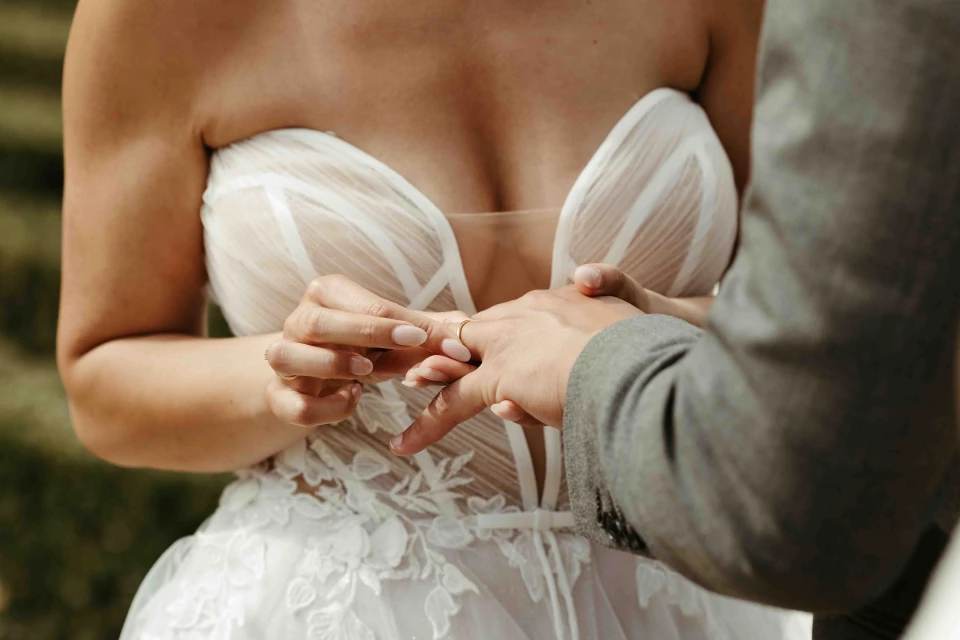
TLDR: A unity ceremony is a symbolic ritual during the wedding ceremony that represents two lives becoming one. From the classic unity candle and sand ceremony to modern alternatives like wine blending, handfasting, and tree planting, unity ceremonies add visual drama, cultural meaning, and a participatory element that guests remember. ThePerfectWedding.com's ceremony experts share the most popular and most creative unity ceremonies, who can participate, and how to incorporate them smoothly into your ceremony flow.
Key Facts at a Glance
- 45% of US weddings include some form of unity ceremony (Source: The Knot, 2025)
- The most popular unity ceremony: the unity candle, followed by the sand ceremony (Source: WeddingWire)
- Unity ceremonies typically last 2 to 5 minutes and are placed after the vows but before the pronouncement (Source: Brides.com)
- Modern unity ceremonies increasingly involve family members and children, not just the couple (Source: Zola)
- See our vow-writing guide and readings guide for more ceremony content on ThePerfectWedding.com

Classic Unity Ceremonies
Unity candle
The couple each takes a lit taper candle (representing their individual lives) and together light a single, larger pillar candle (representing their union). The most traditional and most visually dramatic unity ceremony. Often accompanied by the officiant reading a passage about light and unity. Practical note: does not work well outdoors where wind extinguishes candles. Use hurricane glass for outdoor ceremonies.
Sand ceremony
The couple each pours colored sand from individual vessels into a shared container, creating a layered pattern that represents their blended lives. The mixed sand cannot be separated, symbolizing permanent union. Works indoors and outdoors. Beautiful visual keepsake. Popular for beach weddings. Include children by giving each child their own sand color to pour.
Handfasting
The couple's hands are bound together with ribbons, cords, or fabric by the officiant, symbolizing their bond. This is the origin of the phrase "tying the knot." Traditional in Celtic, Pagan, and Wiccan ceremonies but adopted broadly. Use ribbons in your wedding colors. Involve parents or friends by having each person tie a ribbon representing a wish for the couple.
Modern and Creative Unity Ceremonies
Wine blending
The couple each pours a different wine (red and white, or two different reds) into a single glass and drinks together. The blended wine represents their combined lives. Pairs naturally with vineyard weddings. Symbolic and literally intoxicating. Choose wines you both enjoy.
Beer or cocktail mixing
For craft beer or cocktail enthusiasts: the couple pours ingredients into a shared glass or shaker and creates their signature drink together. Fun, personal, and gets a laugh from the audience. The mixed drink can be shared with the wedding party.
Tree planting
The couple plants a tree seedling together during the ceremony, combining soil from each of their hometowns or family homes. After the wedding, the tree goes into their yard and grows alongside the marriage. Beautiful symbolism. Practical for couples with a home and garden. Not ideal for apartment dwellers (plant in a pot and transplant later).
Love letter and wine box
The couple writes love letters to each other before the ceremony, seals them in a wooden box with a bottle of wine, and nails the box shut during the ceremony. They open it on their first anniversary (or during a future difficult time). The box becomes an heirloom. The letters become time capsules. Deeply emotional and forward-looking.
Painting ceremony
The couple each chooses a paint color and paints on a shared canvas during the ceremony. The abstract result is hung in their home. This is visual, creative, and produces a unique piece of art. Works best if the couple is artistically inclined or comfortable with the improv element.
Ring warming
The wedding rings are passed among the guests during the ceremony. Each guest holds the rings briefly and silently offers a blessing, prayer, or good wish. When the rings reach the couple, they carry the collective love of everyone present. Simple, inclusive, and deeply meaningful. Works best with under 50 guests (larger groups take too long).

Family-Inclusive Unity Ceremonies
Blended family sand ceremony
Each family member (children from previous relationships, parents, siblings) has their own color of sand to pour into the family vessel. This explicitly includes children and creates a visual representation of the entire blended family, not just the couple.
Family candle
Parents from both sides light the taper candles that the couple then uses to light the unity candle. This symbolizes the two families coming together through the couple. A beautiful inclusion of parents in the ceremony.
Unity puzzle
Each family member places a puzzle piece into a frame during the ceremony. When complete, the puzzle forms a word, image, or family name. Interactive and especially engaging for children.
Where to Place the Unity Ceremony
Standard placement
After the exchange of vows and rings, before the pronouncement. This is the most common and most logical placement: the couple has made their verbal commitments, and the unity ceremony provides a visual, symbolic reinforcement before the officiant declares them married.
Alternative placement
Some couples place the unity ceremony before the vows as a transition from the readings to the commitment portion. Others place it at the very end, after the pronouncement, as the final ceremony act before the recessional. Discuss with your officiant. See our processional order guide for ceremony flow.
Expert Tip: "The unity ceremonies that resonate most are the ones with personal meaning, not the ones that look best on Pinterest. A wine-blending ceremony at a vineyard where the couple had their first date tells a story. A sand ceremony at a beach where they got engaged tells a story. A generic unity candle with no personal connection tells nothing. Choose a ritual that means something to YOUR relationship. The symbolism should be yours."
Sarah Glasbergen, Founder at ThePerfectWedding.com

Frequently Asked Questions
Do we have to have a unity ceremony?
No. A unity ceremony is optional. Many beautiful ceremonies include only the processional, officiant remarks, readings, vows, ring exchange, and pronouncement. If no unity ritual resonates with you, skip it. A forced unity ceremony feels hollow.
Can we combine two unity rituals?
Possible but risky. Two unity ceremonies can make the ceremony feel long. If you want to combine (sand ceremony for family inclusion + handfasting for the couple), keep each very brief (1 to 2 minutes) and discuss pacing with your officiant.
What do we do with the unity symbol afterward?
Display it in your home as a permanent symbol of your marriage. The sand vessel on a shelf. The unity candle on the mantel. The planted tree in the garden. The wine box in the closet for your anniversary. The keepsake quality is part of the beauty.
Can guests participate in a unity ceremony?
Yes. Ring warming, family sand ceremonies, and wishing-ribbon handfasting all involve guests. For larger ceremonies, keep guest participation to one simple action (hold the ring, tie a ribbon) to prevent the ceremony from stalling.
More Ceremony Guides on ThePerfectWedding.com
See our vow-writing guide, ceremony readings, processional order, and how to choose an officiant. Plan a secular ceremony or interfaith ceremony. Create your ceremony program. Find officiants and ceremony musicians on our vendor directory.


