Secular Wedding Ceremony: How to Design a Beautiful, Meaningful Ceremony Without Religion
Secular wedding ceremony: how to design, what to include, and how to make it meaningful without religion.

by Sarah Glasbergen on 18 April 2026
Web editor
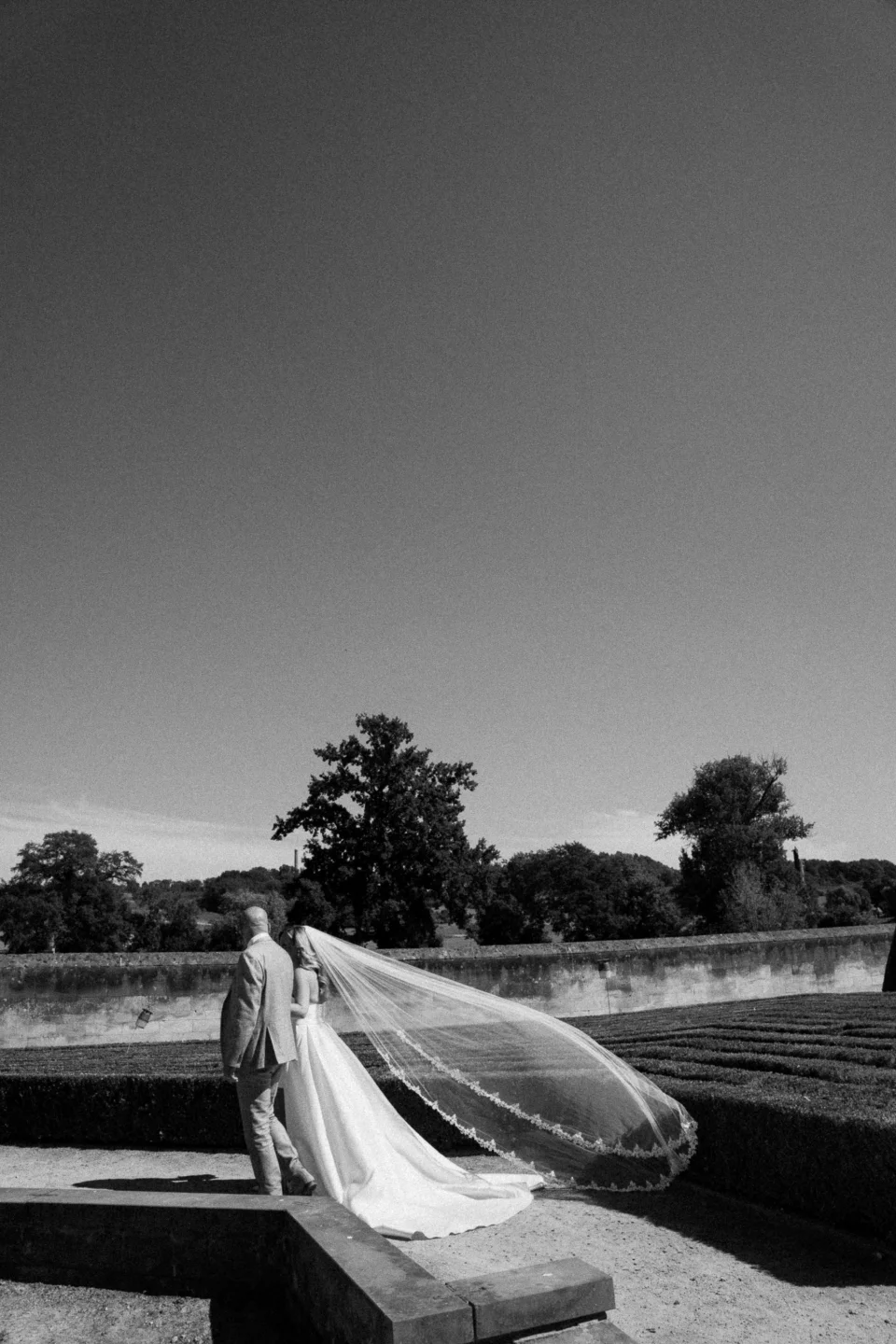
TLDR: A secular wedding ceremony is a non-religious ceremony that is entirely personal, entirely flexible, and entirely yours. Without a religious framework dictating the structure, secular ceremonies give couples complete freedom to choose their own readings, vows, rituals, and format. ThePerfectWedding.com's ceremony experts explain how to build a secular ceremony from scratch, what to include, how to make it feel meaningful without religion, and how to handle family members who expect a traditional ceremony.
Key Facts at a Glance
- 40% of US weddings are now secular or non-denominational, up from 22% a decade ago (Source: The Knot, 2025)
- Secular ceremonies are completely legal in all 50 states when performed by a qualified officiant (Source: WeddingWire)
- Average secular ceremony length: 20 to 30 minutes (Source: Brides.com)
- Secular ceremonies can include any element from any tradition without doctrinal constraints (Source: Zola)
- See our officiant guide for finding a secular ceremony leader on ThePerfectWedding.com

Building a Secular Ceremony from Scratch
The framework
A secular ceremony follows the same basic arc as any ceremony, just without prayers, scripture, or religious language:
- Processional: The wedding party and couple enter
- Welcome: The officiant greets guests and sets the tone
- Readings: 1 to 3 readings from literature, poetry, or personal writing
- Vows: Personal vows or adapted traditional vows
- Ring exchange: Rings with accompanying words
- Unity ceremony: (optional) A symbolic ritual
- Pronouncement: "I now pronounce you married"
- Kiss and recessional: The couple exits together
What makes it secular
The absence of prayer, scripture, references to God or specific deities, and religious authority. A secular ceremony is not anti-religious. It simply draws its meaning from the couple's relationship, values, and community rather than from a religious tradition. Love, commitment, and partnership are the foundation.
What to Include for Emotional Depth
Personal storytelling
The officiant shares the couple's story: how they met, what makes their relationship special, and what they mean to each other. This is often the most moving part of a secular ceremony because it is specific and personal. The officiant gathers this material through pre-wedding conversations with the couple.
Meaningful readings
Poetry, literature, philosophy, or original writing that captures what love and partnership mean to the couple. See our readings guide for sources. Secular favorites include excerpts from Pablo Neruda, Mary Oliver, and contemporary love poetry.
Personal vows
Personal vows are the emotional centerpiece of a secular ceremony. Without a religious framework providing the commitment language, the couple's own words become the promises that define their marriage. See our vow-writing guide for step-by-step guidance.
A unity ritual
A unity ceremony (sand ceremony, handfasting, wine blending, tree planting) adds a visual, symbolic element that replaces the function of religious rituals. It gives guests something to watch, creates a keepsake, and adds emotional weight without religious language.
Community involvement
Secular ceremonies can include a community vow where the officiant asks guests: "Do you, the family and friends of this couple, promise to support their marriage with love, encouragement, and honest counsel?" Guests respond "We do." This replaces the traditional religious congregation's role and makes guests feel like active participants.

Addressing Family Concerns
"Will it feel like a real wedding?"
Yes. A secular ceremony has the same emotional weight, the same legal validity, and the same visual ceremony experience as a religious one. The structure is identical. The content is different. Most guests will not notice the absence of prayer unless they are specifically looking for it.
"Can we include one religious element for grandma?"
Absolutely. A secular ceremony can include a single prayer, a moment of silence, or a blessing as a gesture to family members with religious expectations. One religious element in an otherwise secular ceremony is a graceful compromise. Your officiant can frame it as "a moment of reflection" rather than a formal religious act.
"Isn't a non-religious wedding less meaningful?"
Not at all. Meaning comes from intention, personalization, and emotional honesty, not from a religious framework. A secular ceremony designed specifically for this couple, with their own words, their own stories, and their own values, is deeply meaningful because every element was chosen, not inherited.
Expert Tip: "The secular ceremonies that move me most are the ones where the couple replaced religious structure with personal structure. Instead of scripture, they had a friend read a passage from the book they bonded over on their first date. Instead of a prayer, they had a moment of silence where guests were invited to hold their own private wish for the couple. Instead of 'by the power vested in me by God,' the officiant said 'by the power vested in me by the state of California and by the love in this room.' Same arc. Same emotion. Different source of meaning."
Sarah Glasbergen, Founder at ThePerfectWedding.com

Frequently Asked Questions
Is a secular ceremony legally valid?
Yes, in all 50 states, as long as the officiant meets your state's legal requirements. A secular ceremony has the same legal standing as a religious one. The marriage license process is identical. See our officiant guide for legal requirements.
Can we get married in a church with a secular ceremony?
Most churches require a religious ceremony performed by their clergy. If you want a secular ceremony, choose a secular venue: a garden, hotel, private home, restaurant, or courthouse. See our venue page.
How do we find a secular officiant?
Search for "secular officiant" or "non-denominational officiant" on vendor platforms. Professional secular officiants specialize in creating personalized, non-religious ceremonies. Alternatively, have a friend ordained online. See our officiant guide and vendor directory.
Can a secular ceremony include cultural traditions?
Absolutely. Cultural traditions (jumping the broom, breaking the glass, circling, handfasting) are often cultural rather than strictly religious and fit beautifully in secular ceremonies. Include the traditions that are meaningful to your heritage regardless of religious context. See our interfaith guide for blending traditions.
More Ceremony Guides on ThePerfectWedding.com
See our vow-writing guide, ceremony readings, unity ceremony, processional order, and officiant guide. For blending traditions: interfaith ceremony. Create your ceremony program. Find officiants on our vendor directory.


