How to Choose Your Wedding Officiant: The Person Who Sets the Tone for Your Entire Ceremony
How to choose a wedding officiant: types, interview questions, legal requirements, and friend officiant tips.

by Sarah Glasbergen on 18 April 2026
Web editor
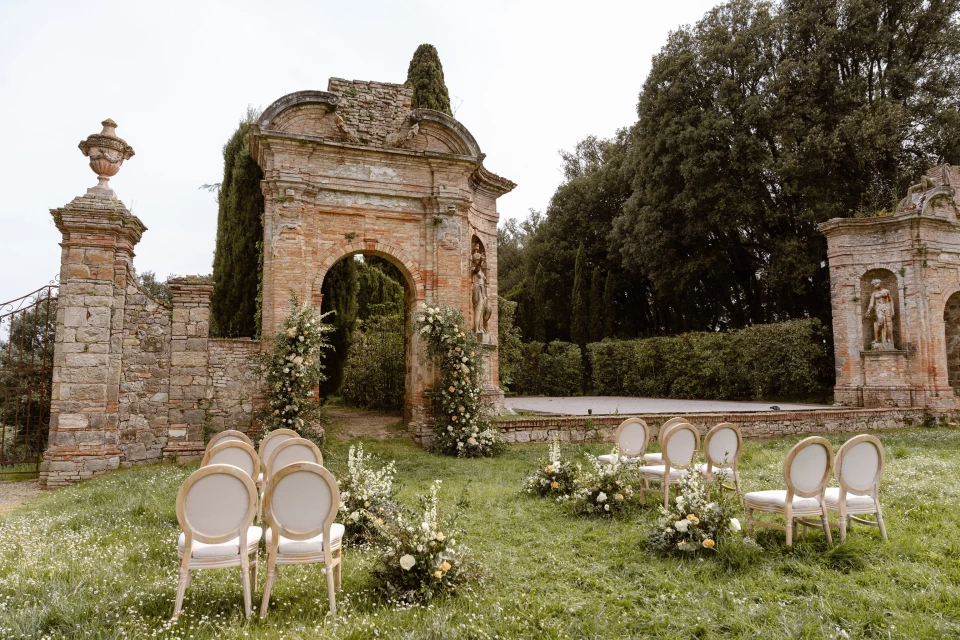
TLDR: Your officiant is the most important ceremony vendor because they control the tone, pacing, and emotional arc of the most significant 20 to 30 minutes of your wedding. A great officiant makes the ceremony feel personal, meaningful, and perfectly paced. A bad one makes it feel generic, awkward, or uncomfortably long. ThePerfectWedding.com's ceremony experts explain the types of officiants, what to ask during interviews, how much they cost, and the legal requirements you must meet.
Key Facts at a Glance
- Officiant types: religious clergy, professional secular officiants, and ordained friends or family (Source: The Knot, 2025)
- Professional officiant fees: $300 to $1,000 depending on experience, location, and ceremony complexity (Source: WeddingWire)
- 40% of US weddings now use a non-religious officiant (Source: Brides.com)
- Legal requirements vary by state: some require ordained clergy, others accept online ordination, some allow self-solemnization (Source: Zola)
- Find officiants on our vendor directory on ThePerfectWedding.com

Types of Officiants
Religious clergy
A priest, rabbi, imam, pastor, or other religious leader who performs the ceremony according to their faith tradition. Best for couples who want a religious ceremony in a house of worship. The clergy member sets the ceremony structure based on religious requirements. Fees: often a donation to the house of worship ($200 to $500) rather than a personal fee.
Professional secular officiant
A trained, experienced ceremony professional who performs non-religious or interfaith ceremonies. Professional officiants work with the couple to design a custom ceremony. They are skilled speakers, comfortable with public performance, and experienced with ceremony logistics. Fees: $500 to $1,000+. The best option for couples who want a polished, personalized, non-religious ceremony.
Ordained friend or family member
A friend or family member who gets ordained online (through organizations like the Universal Life Church, American Marriage Ministries, or similar) specifically to officiate your wedding. The most personal option: someone who knows you performs your ceremony. The risk: they may be nervous, inexperienced, or underprepared. Success depends on their public speaking ability and willingness to prepare thoroughly.
Judge or justice of the peace
A government official who performs civil ceremonies. Most common for courthouse weddings and elopements. The ceremony is typically brief (5 to 15 minutes) and follows a standard civil format. Fees: $50 to $200. Limited personalization unless the judge is flexible.
Questions to Ask During the Interview
About their approach
- How do you get to know the couple before writing the ceremony?
- How many meetings or calls do you have with couples before the wedding?
- Do you write a fully custom ceremony or use a template with personalized elements?
- How do you handle the balance of humor and emotion?
- Can we review and approve the ceremony script before the wedding?
About logistics
- Are you legally authorized to perform marriages in our state/county?
- Will you handle the marriage license signing and filing?
- Will you attend the ceremony rehearsal?
- What do you wear to the ceremony?
- Do you have a backup officiant in case of emergency?
About experience
- How many weddings have you officiated?
- Can we see a sample ceremony script or video from a past wedding?
- Have you performed ceremonies at our venue before?
- How do you handle interfaith ceremonies or blended traditions?
If a Friend or Family Member Officiates
Choose wisely
The person should be comfortable with public speaking, emotionally stable under pressure, and willing to invest significant preparation time. Being your best friend does not automatically make someone a good officiant. Public speaking anxiety, tendency to ramble, or emotional instability under pressure are disqualifying traits.

Verify legal requirements
Online ordination is accepted in most US states but not all. Some states require the officiant to be registered with the county. Some require a specific denomination. Check your state's requirements 3+ months before the wedding. A legally invalid ceremony is a nightmare nobody wants.
Provide structure
Give your friend a ceremony outline, timing guidelines, and either a full script or detailed talking points. Do not say "just speak from the heart" and hope for the best. Even natural speakers need structure. See our readings guide and vow guide for ceremony content they can incorporate.
Insist on rehearsal
Your friend officiant must attend the rehearsal and practice the full ceremony out loud. This is non-negotiable. First-time officiants who skip the rehearsal stumble through the ceremony, mistime the vows, and forget the ring exchange. Practice prevents all of this.
Legal Requirements by State
Marriage officiation laws vary significantly by state. The key questions:
Who can legally officiate? Most states accept ordained clergy, judges, and online-ordained individuals. Some states (like Virginia and Pennsylvania) allow self-solemnization (no officiant needed). A few states do not accept online ordination.
Is registration required? Some counties require the officiant to register with the county clerk before performing the ceremony. Check your specific county.
Who files the marriage license? Typically the officiant signs the marriage license after the ceremony and files it with the county clerk within 30 to 60 days. Confirm this responsibility with your officiant.
Check early. Verify requirements 3 to 6 months before the wedding. If your chosen officiant is not legally qualified, you have time to find a solution (a legal backup officiant who performs the legal portion while your chosen person leads the ceremonial portion).
Expert Tip: "The officiant sets the emotional tone for the entire ceremony. A warm, confident officiant who knows the couple makes guests feel like they are witnessing something real and intimate. A cold, generic officiant who reads from a script makes guests feel like they are at a government office. Interview at least 2 to 3 officiants. Ask for video of past ceremonies. And remember: the officiant's personality matters more than their credentials. A funny, warm friend who prepares well can be better than a seasoned professional with no personality."
Sarah Glasbergen, Founder at ThePerfectWedding.com

Frequently Asked Questions
How far in advance should I book an officiant?
6 to 12 months for professional officiants, especially in peak season. For a friend officiant: ask 6+ months ahead to give them time to prepare. For courthouse judges: 1 to 3 months is typically sufficient. See our planning checklist.
Can I have two officiants?
Yes. Interfaith ceremonies often have two officiants (one from each tradition). Some couples have a professional officiant for the legal and structural elements and a friend for the personal portions. Coordinate between them so the ceremony flows as one cohesive experience. See our interfaith guide.
What if the officiant gets sick on the wedding day?
Professional officiants should have a backup plan in their contract. Ask about this during the interview. For friend officiants, identify a backup (another ordained friend, a professional on call) as insurance. Worst case: in some states, a guest can get emergency-ordained online in minutes.
Do I tip the officiant?
For professional officiants (business owners): optional, $50 to $200. For religious clergy: a donation to the house of worship ($100 to $500). For a friend: a meaningful gift ($50 to $200 value). See our vendor tipping guide.
More Ceremony Guides on ThePerfectWedding.com
See our vow-writing guide, ceremony readings, unity ceremony, and processional order. Plan a secular ceremony or interfaith ceremony. Create your ceremony program. Find officiants on our vendor directory.


