Outdoor Wedding Sound and Music Guide: How to Make Sure Every Guest Hears Every Word
Outdoor wedding sound guide: ceremony amplification, DJ and band equipment, speaker placement, noise ordinances, and speech setup.

by Sarah Glasbergen on 19 June 2026
Web editor
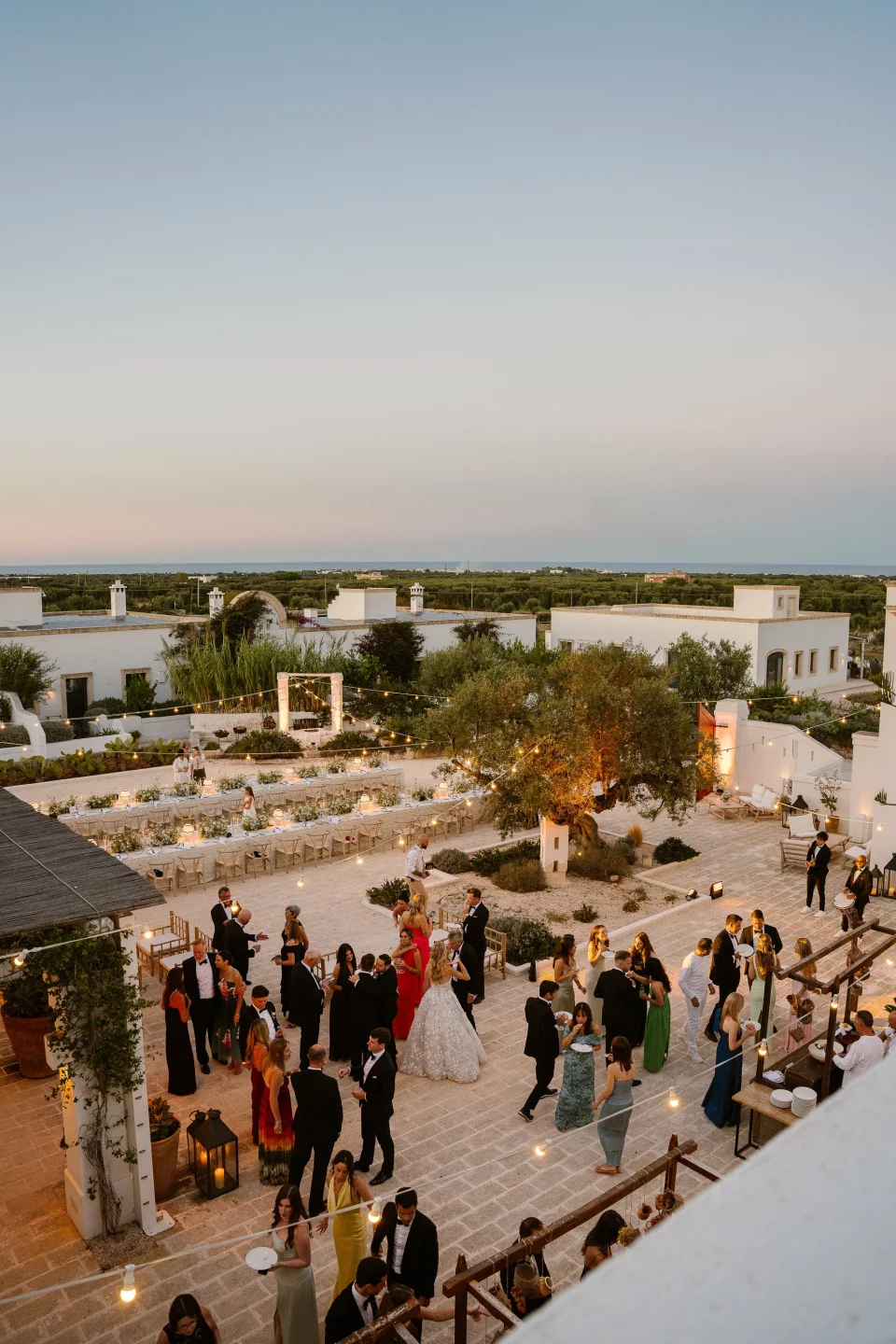
TLDR: Sound is the most underestimated element of outdoor weddings. Indoors, walls contain and amplify sound naturally. Outdoors, sound dissipates in every direction, competes with wind, traffic, waves, birds, and ambient noise, and reaches your guests at a fraction of the volume it left the speaker. The result: guests beyond the third row cannot hear your vows, the best man's speech is lost to the breeze, and the dance floor never gets going because the music sounds thin and distant. ThePerfectWedding.com's event experts explain the specific equipment, setup strategies, and vendor questions that ensure every word is heard and every song is felt at your outdoor celebration.
Key Facts at a Glance
- Outdoor sound loses 50% to 70% of its perceived volume compared to the same system indoors, because there are no walls to reflect sound back to listeners (Source: The Knot, 2025)
- Professional outdoor sound rental (ceremony + reception): $300 to $1,500 beyond standard DJ equipment (Source: WeddingWire)
- Wind is the #1 enemy of outdoor sound: even moderate breeze (10 to 15 mph) can make unamplified speech inaudible beyond 15 feet (Source: Brides.com)
- Noise ordinances affect 75% of outdoor venues, with typical cutoffs at 10 PM or 11 PM (Source: Zola)
- See our outdoor wedding permits guide for noise restriction details
Ceremony Sound: The Critical Moment
Why unamplified vows do not work outdoors
The human voice at conversational volume carries approximately 15 to 20 feet outdoors without amplification. Your ceremony seating extends 30 to 60 feet or more from front row to back row. This means guests beyond row 3 or 4 will hear murmured fragments of your vows at best, and nothing at worst. Wind, rustling fabric, children, and ambient noise compete with every word. The emotional climax of your wedding, the moment you speak your vows to the person you love, is lost on half your guests. This is not a minor detail. This is the most important audio moment of the entire event, and it requires professional amplification without exception.

The ceremony sound setup
Minimum equipment for an outdoor ceremony: two wireless lapel microphones (one for each partner, or one for the officiant and one for the couple to share), a small powered speaker system (two speakers on stands positioned to face the guest seating area), a mixer for volume control, and a dedicated sound operator (not the officiant, not a groomsman, not someone multitasking). The officiant wears one lapel mic permanently. The couple passes a second mic between them for vows, or uses a podium mic positioned between them. Total cost for this setup: $200 to $600 for rental if your DJ does not provide it, or included in most professional DJ packages if you request it specifically. Ask your DJ or musician: "What is your specific outdoor ceremony sound plan?" If the answer is vague, they have not planned for it.
Readings and musical performances during ceremony
Every person who speaks during the ceremony needs microphone access. Readers, singers, and anyone addressing the guests should use either the podium mic or a handheld wireless mic. Musicians performing live (guitar, violin, flute) may need separate amplification through the ceremony PA system, especially acoustic instruments that do not project well outdoors. Coordinate with your musicians and your sound operator before the ceremony day so every performer knows the audio plan and has tested their microphone or instrument connection.
Reception Sound: DJ and Band Considerations
DJ equipment for outdoor receptions
A DJ's standard indoor equipment is not sufficient for most outdoor events. Indoors, walls reflect and amplify sound, so a 500-watt system fills a ballroom for 150 guests. Outdoors, the same system sounds weak and distant because the sound escapes in every direction without reflection. Most DJs need to bring additional speakers, subwoofers (for bass frequencies that get lost outdoors), and potentially delay speakers placed mid-crowd for larger events (100+ guests). Ask your DJ specifically: "Have you played outdoor weddings at this venue before?" and "What additional equipment do you bring for outdoor events?" A DJ who charges extra ($200 to $500) for outdoor upgrades is being honest. A DJ who claims their standard setup works fine outdoors is either inexperienced or using undersized equipment.
Live band requirements
Bands need significantly more power and equipment for outdoor performances. Indoor venues provide natural sound reinforcement through walls and ceilings. Outdoors, the band needs a professional PA system with front-of-house speakers, monitor speakers (so band members can hear themselves and each other), a sound engineer to manage the mix (essential, not optional), and potentially a temporary stage platform for visibility and sound projection. A 5-piece band playing outdoors for 150+ guests requires 2,000 to 4,000 watts of amplification, a professional mixing board, and a dedicated sound person. Total additional cost for outdoor band sound: $500 to $2,000 beyond the band's standard fee. This should be discussed and agreed upon during booking, not discovered day-of.
Speaker placement strategy
Where you place speakers matters as much as what speakers you use. For outdoor receptions, the ideal setup includes: main speakers on stands positioned at the front of the dance floor, angled outward to cover the dance area and the closest dining tables; a subwoofer on the ground near the DJ booth for bass that you can feel; and if the event area extends beyond 60 feet from the speakers, consideration of delay speakers placed mid-area to ensure guests at far tables can hear announcements, toasts, and background music clearly. Speakers should be elevated on stands (5 to 7 feet high) to project sound over seated guests' heads rather than being absorbed by the first few rows of bodies.

Managing Noise and Neighbors
Noise ordinances and curfews
Most municipalities have noise ordinances that apply to outdoor events, and violation fines range from $100 to $1,000 per incident. Common curfew times: 10 PM in residential areas, 11 PM in mixed-use or commercial zones, with some locations allowing midnight on weekends with a permit. Confirm the specific noise restrictions for your venue during the site visit and verify them with the local municipality. Ask the venue: "Have you ever received a noise complaint during an event?" and "What is the hard cutoff time for amplified music?" Build the cutoff into your reception timeline so the last dance ends 10 to 15 minutes before the legal limit, not AT the limit. See our permits and rules guide for details.
Sound direction and mitigation
Point speakers away from the nearest neighbors and toward your guest area. Sound travels in the direction speakers face. If the closest houses are to the north, orient your speakers to project south. Use the natural landscape as a sound barrier: buildings, hills, dense tree lines, and even your tent walls absorb and block sound. Bass frequencies are the most problematic for neighbors because they travel farther and penetrate walls. Your sound operator can reduce bass output after 9 PM to lower the impact on surrounding properties while maintaining a good dance floor experience.
Speeches and Toasts Outdoors
Why outdoor toasts fail (and how to prevent it)
A heartfelt best man speech delivered without a microphone at an outdoor reception is a performance for the head table and nobody else. Voices do not carry over the clinking of glasses, conversation, wind, and ambient noise. Every speech and toast must use a wireless handheld microphone connected to the reception sound system. Provide the mic to speakers before they stand up (not after, which creates an awkward scramble). Brief your DJ to manage the volume during speeches: louder than background music but not concert-level. And test the mic before the reception starts: a dead battery or feedback screech during the father-of-the-bride speech is preventable with 30 seconds of pre-event testing.
Expert Tip: "I have attended over 200 outdoor weddings in my career, and the single most common regret I hear from couples afterward is: 'Our guests could not hear the vows.' It is heartbreaking because the vows are the entire point of the ceremony, and the fix is so simple and affordable. A $300 sound rental with two wireless lapel mics and two speakers on stands solves the problem completely. It is the highest-ROI investment in your entire outdoor wedding budget. Skip the custom cocktail napkins. Skip the fancy programs. Never, ever skip the ceremony sound system."
Sarah Glasbergen, Founder at ThePerfectWedding.com
Frequently Asked Questions
Can our DJ handle the ceremony sound too?
Yes, and this is the most cost-effective approach. Most professional wedding DJs offer a ceremony sound package ($200 to $500 additional) that includes wireless mics, a ceremony speaker setup, and a playlist for processional, recessional, and pre-ceremony music. They set up the ceremony system, operate it during the ceremony, then move to their reception setup during cocktail hour. Confirm this service during booking and ensure it is in the contract.
What about Bluetooth speakers for a small outdoor wedding?
Bluetooth speakers work for background music at intimate gatherings (under 30 guests) but not for ceremony amplification or reception dancing. Consumer Bluetooth speakers lack the power, clarity, and directional control needed for an event. They distort at high volumes, cannot handle microphone input properly, and have a range of 30 to 50 feet at best. For any wedding over 30 guests, invest in professional sound equipment.
How do we handle sound if it gets windy?
Windscreens on microphones reduce wind noise significantly (the fuzzy covers you see on microphones in outdoor broadcasts). Your sound operator should have windscreens for every mic. Additionally, positioning speakers to project with the wind (rather than against it) improves sound carry. In heavy wind (above 25 mph), reduce expectations: turn up the volume, shorten speeches, and accept that nature is louder than your sound system. See our weather planning guide for wind strategies.
Do we need a separate sound system for cocktail hour?
If cocktail hour is in a different location than the reception, yes. A small portable speaker with a pre-set playlist ($50 to $150 rental) provides background music without requiring the DJ to split between two locations. If cocktail hour and reception are in the same general area, the DJ can set up early and run background music through the main system.
What volume level is appropriate for outdoor reception music?
Loud enough to dance, quiet enough to talk at the tables. A skilled DJ manages this balance by keeping dance music at 85 to 95 decibels on the dance floor (energetic but not painful) while tables 30+ feet away experience 70 to 75 decibels (conversational level). This requires directional speakers aimed at the dance floor rather than omnidirectional sound that blasts the entire area equally. Discuss this balance with your DJ specifically, because the outdoor environment makes it harder to achieve than indoors.
More outdoor wedding planning on ThePerfectWedding.com: Tent weddings, Lighting guide, Seating layouts, Hot weather tips, Cold weather guide, and more. See our weather backup plan guide and indoor vs outdoor comparison. Browse outdoor venue types: barn, vineyard, beach, and garden estate. Find venues on our venue directory.


