Cold Weather Outdoor Wedding Guide: How to Embrace Winter Magic Without Freezing Your Guests
Cold weather outdoor wedding: temperature thresholds, heating options, blankets, warm beverages, and how to plan beautiful winter ceremonies

by Sarah Glasbergen on 23 June 2026
Web editor
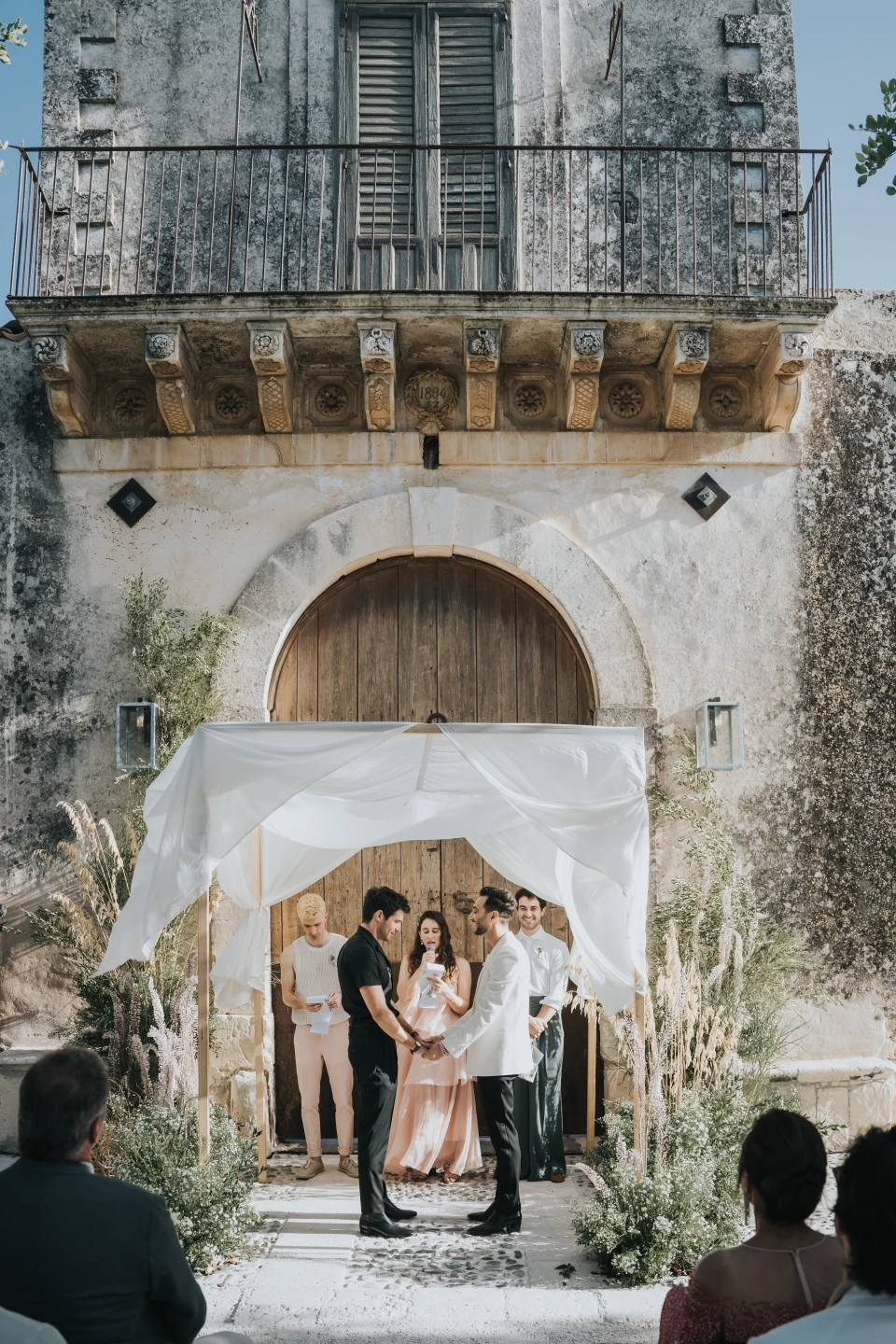
TLDR: A cold weather outdoor wedding can be breathtakingly beautiful: bare branches against winter skies, crisp air, warm lighting, and the cozy intimacy of gathering close together. But it requires specific planning that warm-weather weddings do not: heating, windbreaks, modified timelines, attire strategies, and realistic expectations about how long guests will tolerate cold. ThePerfectWedding.com's event experts explain the temperature thresholds, heating options, timeline modifications, and guest comfort strategies that make a winter outdoor wedding romantic rather than reckless.
Key Facts at a Glance
- Below 50 degrees F, outdoor ceremonies should be limited to 15 minutes maximum without heated shelter (Source: The Knot, 2025)
- Propane patio heaters raise ambient temperature 10 to 15 degrees in a 10-foot radius in calm conditions (Source: WeddingWire)
- Enclosed, heated tents can maintain 65 to 70 degrees inside at outdoor temperatures down to approximately 35 to 40 degrees (Source: Brides.com)
- Winter weddings (November to March) offer 20% to 40% venue savings off peak-season pricing (Source: Zola)
- See our fall outdoor wedding ideas for shoulder-season inspiration

Temperature Thresholds and Realistic Expectations
50 to 65 degrees: comfortable with planning
This is the ideal range for outdoor fall and early spring weddings. Guests in appropriate attire (layers, wraps, closed-toe shoes) are comfortable for a standard 20 to 30 minute ceremony and 60-minute cocktail hour without significant heating infrastructure. Provide pashminas, shawls, or blankets as a thoughtful touch ($5 to $15 each), but most guests will not need them for the full event. Evening temperatures in this range are perfect for outdoor dining with the warm glow of string lights and candles. This temperature range offers the best combination of visual beauty (autumn foliage, crisp light, layered fashion) and guest comfort.
35 to 50 degrees: requires heating and time limits
Outdoor exposure should be limited and intentional. A 15-minute outdoor ceremony in this range is manageable with advance warning to guests about attire and with warm beverages immediately available afterward. A 60-minute outdoor cocktail hour is too long without heated shelter. Strategies: 15-minute outdoor ceremony (short, focused, and beautiful), then move immediately to a heated tent or indoor space for cocktail hour and reception. Patio heaters positioned around the ceremony area provide some relief but do not transform the environment. In this range, the outdoor portion is a brief, dramatic moment, not the primary event format.
Below 35 degrees: outdoor ceremony only with extreme preparation
At this temperature, extended outdoor exposure is unreasonable for most guest lists. Fingers go numb. Noses run. Elderly guests are at genuine risk. If you are committed to an outdoor ceremony at these temperatures, it must be under 10 minutes, with heated indoor space immediately accessible within a 1-minute walk, with advance communication to all guests about dressing for extreme cold, and with the understanding that some guests may choose to watch from an indoor window rather than sit outside. Below 25 degrees, outdoor ceremonies are inadvisable for any guest list that includes elderly individuals, children, or guests with cold-sensitive health conditions.

Heating Options
Patio heaters (propane standing heaters)
The most common and most visible heating option for outdoor events. Tall, mushroom-shaped propane heaters radiate warmth in a roughly 10-foot radius. Effective for cocktail areas, ceremony perimeters, and reception zones where guests are stationary. Cost: $75 to $200 per heater rental, plus propane ($30 to $50 per tank, with each tank lasting approximately 8 to 10 hours). For a 150-person ceremony area, you need 6 to 10 heaters positioned around the perimeter. Limitations: they do not heat large open areas effectively, wind reduces their effectiveness dramatically, and they create hot spots rather than even warmth. They also pose a fire risk near fabric (dresses, tablecloths, tent walls) and must be positioned with adequate clearance. Always use a professional vendor who delivers, sets up, monitors, and retrieves the heaters.
Forced-air tent heaters
The most effective heating solution for enclosed tent events. Propane or electric forced-air heaters blow warm air into an enclosed tent with sidewalls, creating a genuinely warm interior space. A properly sized forced-air system can maintain 65 to 70 degrees inside a fully enclosed tent when outside temperatures are 35 to 45 degrees. Cost: $500 to $2,000 depending on tent size and duration. This is the only heating option that creates a truly comfortable event space in cold conditions. The tradeoff: the tent must be fully enclosed (sidewalls sealed, minimal door openings), which eliminates the "outdoor" feel. In practice, a heated enclosed tent in winter is an indoor event with a tent aesthetic rather than a true outdoor experience. See our tent guide for full heating logistics.
Fire features (fire pits, fire bowls, fire tables)
Propane or natural gas fire features provide warmth, ambiance, and a natural gathering point. A fire pit surrounded by seating creates a cozy lounge area during cocktail hour or after dinner. Fire tables as centerpieces add warmth at the table level. Cost: $100 to $500 per fire feature rental. Limitations: open flames near alcohol, flowing dresses, and decorative fabric require careful placement and fire safety precautions. Many venues prohibit open flames outdoors due to fire risk. Confirm fire feature policies during the site visit and coordinate with your venue's insurance requirements.

Guest Comfort Strategies
Warm beverage stations
Hot chocolate, apple cider, mulled wine, hot toddy, and coffee stations do double duty as both beverage service and warmth delivery. Position warm beverage stations at the ceremony exit (so guests immediately have something warm in their hands after sitting in the cold), at the cocktail hour entrance, and at a late-night station during the reception. A warm drink in cold hands is one of the most effective comfort measures and one of the most memorable guest experience touches at a winter wedding. Budget: $3 to $8 per person for specialty warm beverages.

Provide blankets, pashminas, or wraps for every guest at the ceremony. Draped over each ceremony chair or arranged in baskets at the entrance. Guests appreciate the thoughtfulness, and the blankets create beautiful, cozy ceremony photos. Fleece blankets ($5 to $10 each), pashminas ($3 to $8 each), or knit wraps ($8 to $15 each) work well. Many couples personalize them with monograms or tags ("To keep you warm while we tie the knot") as dual-purpose favors. After the ceremony, guests bring them to the reception, draping them over shoulders during dinner and keeping them as a keepsake.
Communication about attire
Your invitation or wedding website must clearly communicate the outdoor element and the expected temperature. "Our ceremony will take place outdoors at [location] in December. We recommend warm layers, closed-toe shoes, and a winter coat. Blankets and warm beverages will be provided." This is not just courtesy. It is essential information that allows your guests to dress appropriately. A guest who shows up in a cocktail dress and open-toe heels for a 40-degree outdoor ceremony will be miserable, and that is your failure of communication, not their failure of preparation.
Expert Tip: "The most successful cold weather outdoor weddings I have attended shared one trait: the outdoor portion was brief, intentional, and beautiful, and the indoor portion was where the real party happened. A 12-minute ceremony under bare winter branches with snow on the ground, followed by a warm, candlelit indoor reception with hot drinks and a roaring fireplace. The outdoor moment provides the drama and the photographs. The indoor celebration provides the comfort and the dance floor. Do not try to keep guests outdoors for 4 hours in the cold. Give them 15 breathtaking minutes outside, then bring them into the warmth."
Sarah Glasbergen, Founder at ThePerfectWedding.com

Frequently Asked Questions
Can we have an outdoor winter wedding in the northern US?
Yes, but with significant modifications. A 10 to 15 minute outdoor ceremony in the 30 to 45 degree range is manageable with blankets, warm drinks, and clear guest communication. The reception should be indoors or in a heated tent. For temperatures below 30, outdoor elements should be limited to a brief photo session or a symbolic moment (sparkler exit, fire pit gathering) rather than a full ceremony. The beauty of winter, the bare trees, the crisp light, the snow, can be captured in 15 minutes. You do not need 4 hours outdoors to have a winter wedding.
What about a snowy outdoor wedding?
Snow is visually stunning but logistically challenging. Snow on the ground means wet, cold surfaces. Guests' shoes get wet. Chair legs sink into snow. Walking paths become slippery. Solutions: clear and salt all walking paths, provide a covered entrance, lay temporary pathways or mats over snow, and accept that any outdoor portion will be brief. Snow falling during the ceremony is magical but also means guests are being actively snowed on. Umbrella stations or a brief ceremony under cover are practical solutions.
Do patio heaters really make a difference?
In calm conditions, yes. In wind, barely. A single patio heater creates a noticeable warm zone in about a 10-foot radius on a calm day. In wind, the heat dissipates almost immediately. For a ceremony with patio heaters to work, you need: calm conditions, 6 to 10 heaters positioned strategically, and a ceremony area that is partially sheltered from wind (by a building, a hedge, or a temporary windbreak). If the forecast shows wind above 15 mph, patio heaters alone will not provide meaningful comfort.
What winter months work best for outdoor elements?
In most of the US, November and March offer the best combination of cool-but-manageable temperatures (45 to 60 degrees in many regions), beautiful light (low winter sun creates dramatic golden-hour effects), and off-season pricing. December through February is coldest and most challenging for outdoor elements, except in southern states (Florida, Southern California, Arizona, Texas, Hawaii) where winter temperatures often remain in the 55 to 75 degree range. Fall outdoor weddings in late October to early November capture autumn's beauty before the deep cold arrives.
How do we keep the bridal party comfortable for outdoor photos?
Limit outdoor photo sessions to 15 to 20 minutes. Have a warm indoor holding area where the bridal party can wait between photo setups. Provide each member with a warm coat or wrap they can remove for the actual photo and immediately put back on. Warm hand packets ($1 each) tucked into pockets and shoes make a significant difference. Schedule the most important group shots first so you can release people who are struggling with the cold. A great photographer works efficiently in cold weather because they know their subjects are uncomfortable.
More outdoor wedding planning on ThePerfectWedding.com: Tent weddings, Sound guide, Lighting guide, Seating layouts, Hot weather tips, Bug prevention, and more. See our weather backup plan guide and indoor vs outdoor comparison. Browse outdoor venue types: barn, vineyard, beach, and garden estate. Find venues on our venue directory.


