Outdoor Wedding Bug Prevention: How to Keep Mosquitoes, Bees, and Flies Away from Your Celebration
Outdoor wedding bug prevention: mosquito spraying, fans, repellent stations, bee management, and the strategies that actually work.

by Sarah Glasbergen on 23 June 2026
Web editor
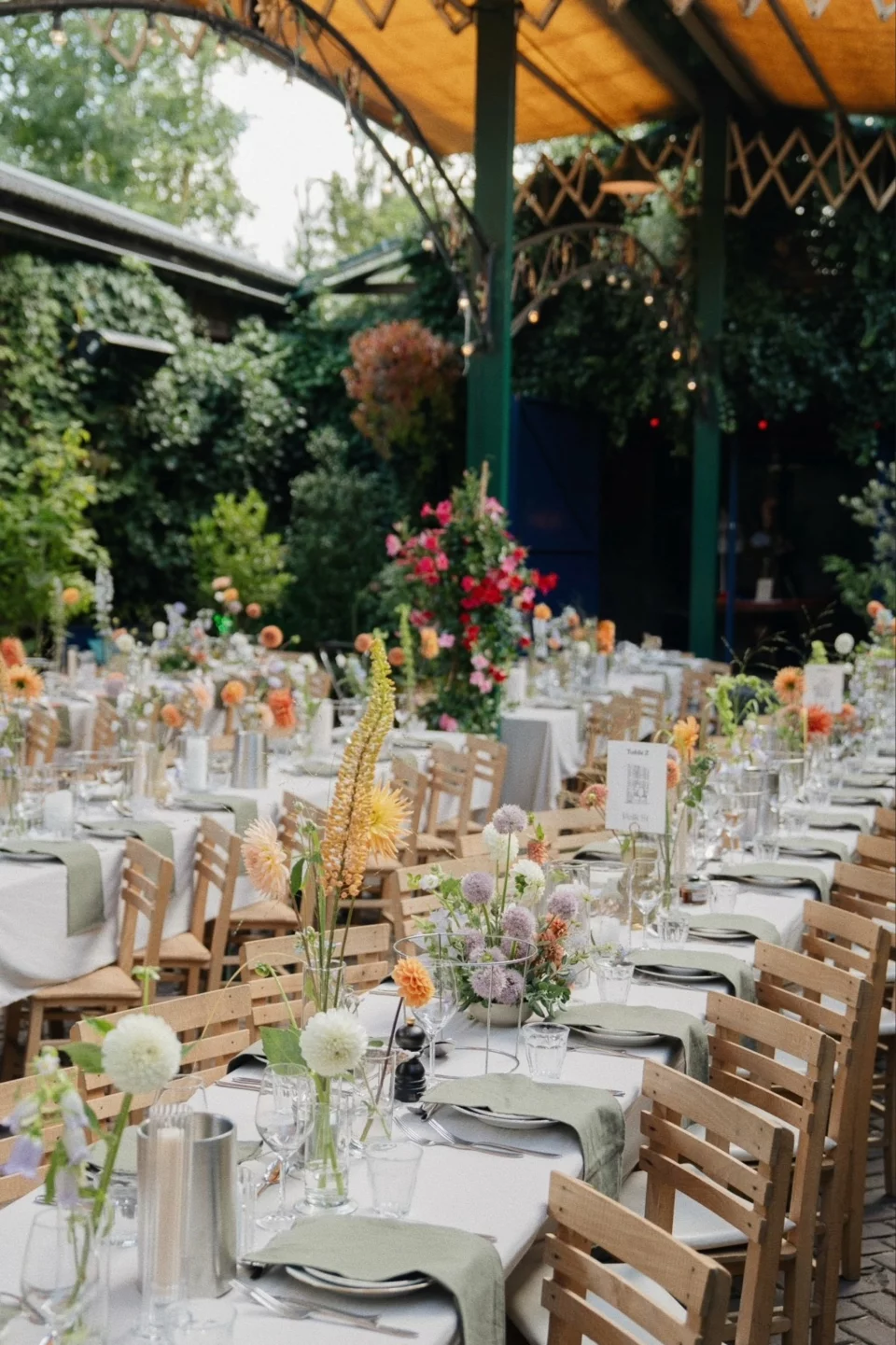
TLDR: Bugs do not care about your wedding. Mosquitoes, flies, bees, wasps, gnats, and other insects are drawn to the exact elements that make outdoor receptions delightful: food, drinks, flowers, perfume, body heat, carbon dioxide from 150 breathing guests, and evening lighting. You cannot eliminate insects from an outdoor event, but you can dramatically reduce their presence and impact with the right combination of prevention, deterrence, and treatment. ThePerfectWedding.com's outdoor event experts cover every evidence-based strategy, from venue selection to the specific products that actually work (and the Pinterest myths that do not).
Key Facts at a Glance
- Mosquitoes are most active at dawn and dusk, which coincides exactly with the typical outdoor ceremony and cocktail hour (Source: CDC)
- Professional mosquito barrier spraying ($150 to $400) can reduce mosquito activity by 80% to 90% for 2 to 3 weeks (Source: The Knot, 2025)
- Citronella candles reduce mosquitoes in an approximately 3-foot radius only, making them largely decorative at event scale (Source: Journal of Insect Science)
- Standing water within 200 feet of your venue is the #1 mosquito breeding factor (Source: EPA)
- See our hot weather tips and outdoor lighting guide for related comfort strategies

Pre-Event Prevention (The Most Effective Layer)
Professional mosquito treatment
The single most effective strategy for mosquito control at an outdoor wedding is professional barrier spraying 24 to 48 hours before the event.
Licensed pest control companies spray a residual insecticide on vegetation, shrubbery, tree lines, and ground cover surrounding the event area. The treatment creates a barrier that kills or repels mosquitoes on contact for 2 to 3 weeks. Cost: $150 to $400 depending on the area treated. This is remarkably affordable relative to its impact and should be standard for any outdoor evening event between April and October in mosquito-prone regions. If your venue is on private property (backyard, estate, farm), arrange the treatment directly. If the venue is a commercial property, ask the venue manager if they provide mosquito treatment for events or if you can arrange your own. Some venues include this in their event preparation.
Eliminate standing water
Mosquitoes breed in standing water, and even a bottle cap of water can produce dozens of mosquitoes. In the week before your wedding, eliminate every source of standing water within 200 feet of the event area: empty flower pot saucers, bird baths, clogged gutters, puddles in tarps or covers, and any container that collects rain. If the venue has a decorative pond, fountain, or water feature that cannot be drained, treat it with mosquito dunks (a biological larvicide, $10 for a 6-pack, available at hardware stores) at least 1 week before the event. This prevents the next generation of mosquitoes from hatching while being safe for fish, pets, and wildlife.

Venue selection with bugs in mind
Some outdoor locations are inherently buggier than others. Venues near standing water (ponds, marshes, slow streams), dense vegetation, and agricultural fields have higher insect populations. Elevated, breezy locations (rooftops, hilltops) have fewer mosquitoes because wind disrupts their flight. Manicured properties with regularly maintained landscaping have fewer insects than wild, overgrown settings. During your site visit, visit at dusk (peak mosquito hour) and note the insect activity. If you are slapping mosquitoes during a 30-minute tour, imagine what 150 guests will experience over 4 hours.
During-Event Deterrence
Fans (the most underrated bug deterrent)
Moving air is one of the most effective insect deterrents because mosquitoes, gnats, and small flies are weak fliers that cannot maintain flight in even moderate airflow. Industrial fans on stands positioned around the ceremony and reception perimeter create a zone of moving air that insects avoid. This strategy also cools guests in warm weather (see our hot weather guide), making it doubly valuable. Position fans to blow across seating areas and the dining zone at low-to-medium speed. Cost: $200 to $500 for a set of 4 to 6 industrial fans for the evening, often included in your tent rental package. If you take one bug-prevention tip from this article, let it be this one: fans work better than any candle, spray, or bracelet.
What actually works at the event
Bug repellent stations: baskets of individual insect repellent wipes or travel-size spray bottles at the ceremony entrance and at restroom stations ($30 to $60 total for 150 guests). Choose unscented or lightly scented formulas so they do not compete with perfume or food aromas. DEET-based products are most effective; picaridin-based are a good alternative for guests who prefer DEET-free options. Mosquito coils and area repellent devices: Thermacell-style area repellent devices ($25 to $40 each) create a 15-foot protection zone using allethrin, a synthetic repellent. Position 4 to 6 units around the dining and lounge areas. These are significantly more effective than citronella candles at event scale. Natural herb planters: potted lavender, rosemary, lemongrass, and basil placed on tables and around the perimeter provide mild insect-deterrent properties while doubling as beautiful, fragrant decor.
What does NOT work (despite Pinterest claims)
Citronella candles at event scale: research shows citronella reduces mosquitoes in a roughly 3-foot radius under calm conditions. A single candle on a dinner table for 10 guests protects the candle, not the guests. You would need hundreds of citronella candles to meaningfully impact a 150-person event area, and even then, any breeze disperses the citronella oil before it reaches effective concentrations. Use citronella candles for ambiance, not for protection.
Bug-repellent bracelets: studies consistently show these provide negligible protection beyond the wrist wearing them.
Ultrasonic repellent devices: no scientific evidence supports their effectiveness against mosquitoes.
Dryer sheets in pockets: an internet myth with zero scientific backing.

Specific Insects and Solutions
Bees and wasps near food and drinks
Sweet food, sugary cocktails, and floral arrangements attract bees and wasps. Strategies: cover food platters with mesh domes or lids when not actively serving, use cups with lids for sugary cocktails during cocktail hour (paper straws through lids work well), avoid placing the dessert table and bar in direct sun (heat intensifies sugar aromas that attract stinging insects), and remove empty plates and glasses promptly. If the venue has known beehives or wasp nests nearby, have them professionally relocated (not destroyed) at least 1 week before the event. If a guest is allergic to bee stings, ensure your day-of coordinator or a designated person knows and has access to an EpiPen.
Flies near food stations
Flies are attracted to exposed food, especially in warm weather. Keep all food stations covered until service begins. Use mesh food covers or cloches on buffet stations. Clear empty plates and food debris immediately. Position garbage receptacles away from dining areas (at least 50 feet) and ensure they have tight-fitting lids. Fly paper or discreet fly traps positioned behind or under food station tables (out of guest sight) catch flies before they reach the food. Ask your caterer about their outdoor food safety protocol, because fly management is a food safety issue, not just an aesthetic one.
Gnats and midges near water and lights
Small flying insects swarm near water features and are attracted to lighting. If your venue has a pond, stream, or fountain, position dining tables at least 30 feet away. Choose warm-toned LED lighting (2700K) rather than bright white or blue-toned lights, because insects are less attracted to warm wavelengths. Avoid positioning bright lights directly over dining tables, instead use indirect, warm string lights and candles that are less attractive to flying insects. A designated "sacrificial light" (a bright light positioned 30 to 50 feet away from the dining area) can draw insects away from guests and toward an area where they bother no one.
Expert Tip: "Professional mosquito barrier spraying 48 hours before the event plus 4 to 6 fans positioned around the reception area. That combination, costing $350 to $700 total, eliminates 90% of mosquito problems at outdoor weddings. Everything else, the candles, the bracelets, the herb planters, is supplementary. If your budget for bug prevention is limited, spend it on spraying and fans. Skip the citronella candle collection that costs the same amount and does almost nothing at scale. I have attended outdoor weddings with $500 of citronella candles and constant mosquito complaints, and outdoor weddings with $200 of professional spraying and zero complaints. The data is clear."
Sarah Glasbergen, Founder at ThePerfectWedding.com

Frequently Asked Questions
Is professional mosquito spraying safe for guests?
Yes, when applied by a licensed professional 24 to 48 hours before the event. The active ingredients (typically bifenthrin or permethrin) bind to vegetation and are dry within hours. They are EPA-registered for residential use and safe for humans and pets once dried. The treatment targets resting mosquitoes on plants and does not remain airborne. If guests have severe chemical sensitivities, inform them about the treatment in advance so they can make informed decisions.
What about outdoor weddings near lakes or rivers?
Waterside venues are beautiful but inherently higher in insect activity. Combine every strategy: professional spraying, fans, area repellent devices, and personal repellent stations. Position the dining area as far from the water's edge as the venue allows (30+ feet minimum). Choose a venue with a breeze off the water, which naturally disrupts mosquitoes. Accept that some insect presence is inevitable near water and set guest expectations accordingly.
Can we use bug spray on the ceremony flowers?
No. Insect repellent damages flowers, changes their scent, and creates an unpleasant smell when mixed with floral arrangements. Instead, have the florist use naturally insect-deterrent greenery (rosemary, lavender, eucalyptus) alongside your chosen flowers. These plants provide mild deterrence without chemical application.
Do tiki torches help with mosquitoes?
Only if they contain citronella fuel, and even then, minimally. Standard tiki torch fuel (paraffin) does not repel insects. Citronella-fuel tiki torches have the same limited effectiveness as citronella candles: roughly 3-foot radius of mild deterrence. Their primary value is decorative and atmospheric, not functional bug control. Use them for ambiance and rely on spraying, fans, and area repellent devices for actual protection.
What time of year are bugs worst for outdoor weddings?
June through September in most of the US, with peak mosquito activity in July and August when heat and humidity are highest. April to May and October to November have lower insect pressure in most regions. Winter weddings (December to February) in northern states have virtually zero insect concerns, which is one underappreciated advantage of cold weather outdoor weddings.
More outdoor wedding planning on ThePerfectWedding.com: Tent weddings, Sound guide, Lighting guide, Seating layouts, Hot weather tips, Cold weather guide, and more. See our weather backup plan guide and indoor vs outdoor comparison. Browse outdoor venues: barn, vineyard, beach, and garden estate. Find venues on our venue directory.


