DIY Wedding Bar Setup: How to Build Your Own Bar, What to Buy, and the Logistics That Make or Break It
DIY wedding bar: shopping lists, equipment, bartender hiring, ice logistics, legal compliance, and how to save 30-50%

by Sarah Glasbergen on 24 June 2026
Web editor
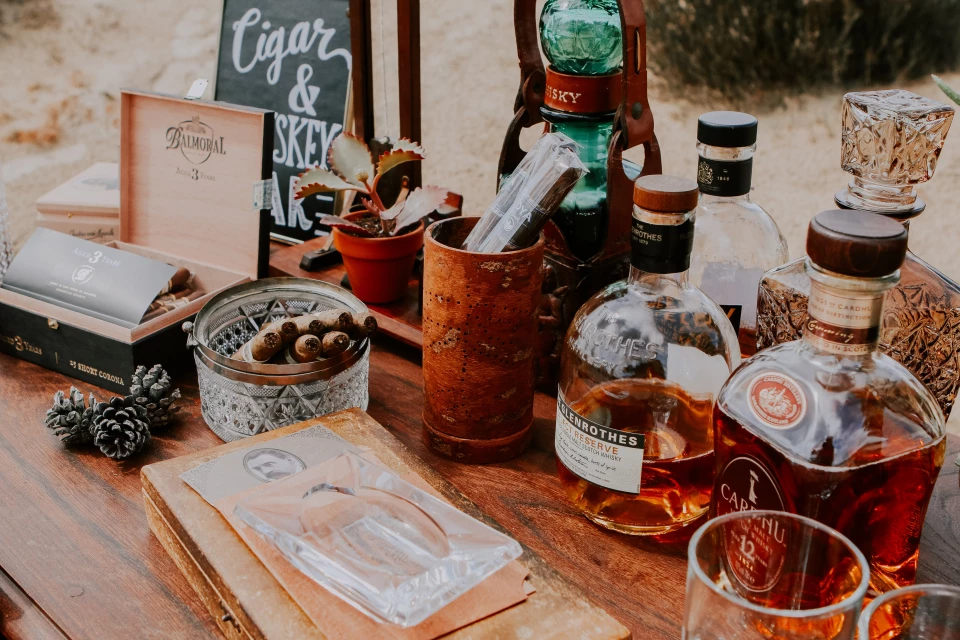
TLDR: A DIY wedding bar, where you purchase your own alcohol and hire bartenders independently, saves 30% to 50% compared to venue-provided bar service. But it also means you are responsible for calculating quantities, purchasing and transporting everything, providing all equipment and glassware, managing ice logistics, hiring and paying bartenders, handling leftovers, and ensuring legal compliance. ThePerfectWedding.com's event experts walk you through the complete DIY bar setup: the shopping list, the equipment, the layout, the staffing, and the common mistakes that turn a money-saving strategy into a stressful disaster.
Key Facts at a Glance
- DIY bar alcohol cost: $15 to $35 per person at retail, vs. $50 to $100+ at venue markup (Source: The Knot, 2025)
- You still need to hire licensed bartenders: $200 to $400 per bartender for 5 hours, plus tip (Source: WeddingWire)
- Equipment rental (bar table, ice bins, glassware, tools): $200 to $600 (Source: Brides.com)
- Most retailers accept returns of unopened, undamaged bottles within 14 to 30 days with receipt (Source: Zola)
- See our bar cost guide for the full budget comparison and quantity calculator

When DIY Makes Sense (and When It Does Not)
DIY works best when
Your venue allows BYOB (bring your own beverage). Most barn, tent, loft, and private property venues either allow or require you to provide your own alcohol. The venue provides the space; you provide the bar. DIY also works when: your guest count is 75 to 200 (large enough for meaningful savings, manageable enough for logistics), you have time to shop, transport, and set up (or a reliable friend or family member who will handle it), and you or someone in your circle has event bartending or hospitality experience. The savings are most significant for guest counts above 100, where the per-person savings multiply across more guests.
DIY does not work when
Your venue requires you to use their bar service (common at hotels, all-inclusive venues, and many restaurants). It also does not work well when: you are already overwhelmed with planning (the bar adds 15 to 20 hours of logistics), nobody in your circle has event experience, your venue is far from a major retailer (transportation of heavy cases of bottles over long distances is expensive and exhausting), or your event is outdoors in extreme heat (ice management becomes a full-time job in 95-degree weather, see our hot weather guide).
The Complete Shopping List
Alcohol quantities for 150 guests, 5-hour reception
Using our drinks-per-guest formula: 150 guests x 4 drinks average = 600 total drinks. Split by typical consumption: 40% wine (240 glasses = 48 bottles = 8 cases of wine), 30% beer (180 beers = 7.5 cases of 24), 20% liquor (120 mixed drinks = 10 to 12 bottles of spirits: 3 vodka, 2 whiskey/bourbon, 2 gin, 1 rum, 1 tequila, 1 to 2 specialty), 10% non-alcoholic (60 servings of sodas, juices, and mocktail ingredients). Order 15% extra across all categories. Unopened bottles are returnable. Running out is not. Total alcohol cost at retail: $1,200 to $2,400 depending on quality tier. The same drinks at venue markup: $3,000 to $7,500. Your savings: $1,800 to $5,100. That is a significant budget recapture that can fund a videographer, honeymoon nights, or upgraded florals.
Mixers and non-alcoholic supplies
Mixers are often forgotten and always needed. For 150 guests: tonic water (12 to 18 cans/bottles), club soda/seltzer (18 to 24 cans), cola (12 to 18 cans), diet cola (12 to 18 cans), ginger ale (12 cans), cranberry juice (2 to 3 large bottles), orange juice (2 to 3 large bottles for mimosas/screwdrivers), simple syrup (2 bottles), limes (30 to 40, cut into wedges), lemons (20 to 30, cut into wedges and wheels), olives (1 jar), maraschino cherries (1 jar), fresh mint (2 to 3 bunches if making mojitos or juleps), and bitters (1 bottle Angostura). Total mixer cost: $100 to $200. Do not forget non-alcoholic options: craft sodas, sparkling water, and mocktail ingredients. See our non-alcoholic guide for quality options.
Ice: the most underestimated supply
You need far more ice than you think. For 150 guests, 5-hour reception: 300 to 500 pounds of ice total. This covers: chilling drinks in glasses (150 to 200 lbs), chilling wine and beer in tubs and bins (100 to 150 lbs), and backup ice for replenishment as it melts (50 to 100 lbs). In hot weather, increase by 50% (see our hot weather guide). Purchase from a bulk ice supplier ($0.20 to $0.40 per pound) or grocery store bags ($3 to $5 per 10-lb bag). Total ice cost: $60 to $200. Arrange delivery day-of and store in coolers or a shaded area until service. Designate one person as "ice manager" whose job is to monitor and replenish ice throughout the evening. Running out of ice at an outdoor summer reception is one of the most common DIY bar failures.

Equipment and Setup
Essential equipment
Bar table or surface: a 6 to 8 foot folding table ($30 to $50 rental) covered with linen, or a rented bar unit ($100 to $300). You need 1 bar station per 75 guests to prevent long lines. For 150 guests: 2 bar stations.
Ice bins or tubs: galvanized tubs, large coolers, or dedicated ice bins for chilling bottles and providing drink ice ($20 to $50 rental each, 4 to 6 needed).
Glassware: wine glasses (225, at 1.5 per guest), rocks/highball glasses (200), beer glasses or skip and serve in bottles/cans, champagne flutes if doing a toast (160). Rental: $0.50 to $1.50 per glass. Alternative: high-quality disposable clear plastic stemware ($0.30 to $0.75 each) if you want to reduce rental costs and breakage risk.
Bar tools: bottle openers (4+), wine openers/corkscrews (4+), jiggers (2), shakers (2 if making cocktails), cutting board and knife for garnishes, cocktail napkins (300+), and straws. Total equipment cost: $200 to $600 rental for a complete setup.

Bar layout and flow
Position the bar where guests naturally gravitate but not where it creates bottlenecks. Avoid placing the bar directly at the entrance to the reception (creates a traffic jam as everyone arrives simultaneously). Instead, position it along a side wall or in a corner with clear access from the main event space. For 2 bar stations, place them on opposite sides of the room to distribute traffic. Behind each bar, the bartender needs: a work surface, ice within arm's reach, all spirits and mixers organized and visible, a dump bucket for used ice and liquid waste, and space to move without bumping into equipment. The bar area should be well-lit (bartenders need to see what they are pouring) but not the brightest spot in the room. See our lighting guide and power guide for outdoor bar setups.
Hiring Bartenders
Why you must hire professionals
Do not ask Uncle Dave to "man the bar." Professional bartenders serve efficiently (reducing lines), manage alcohol responsibly (cutting off visibly intoxicated guests, which is a legal liability issue), handle cash and tips if applicable, maintain the bar area's cleanliness and organization throughout the event, and free your family and friends to be guests, not staff. A professional bartender serves 50 to 75 guests per hour comfortably. Uncle Dave serves 20 and spills the tonic.
Where to find them and what to pay
Sources: bartending staffing agencies, catering companies that offer bar-only service, local bartending schools (students seeking event experience), and freelance bartenders found through vendor directories or social media. Cost: $200 to $400 per bartender for a 5-hour event, plus 15% to 20% tip ($30 to $80 per bartender). For 150 guests: 2 to 3 bartenders. Total bartender cost: $460 to $1,440. Confirm that bartenders carry their own liability insurance or are covered by a staffing agency's policy. This protects you if a guest is over-served and causes harm.
Legal Compliance
Liquor laws and liability
Laws vary dramatically by state and county. In some states, a private host can serve alcohol at their own event without a license. In others, any event with a bartender requires a temporary liquor permit ($25 to $200). If you are hosting on public land or at a venue without a liquor license, you almost certainly need a permit. If you are charging guests for drinks (even a suggested donation), you definitely need a license. Contact your local alcohol beverage control board 3 to 6 months before the wedding to confirm requirements. See our permits and rules guide for details.
Host liquor liability insurance ($75 to $200 for a single-event policy) protects you if a guest is injured or causes injury related to alcohol served at your event. This is strongly recommended for any event where alcohol is served, DIY or otherwise.
Expert Tip: "The DIY bar savings are real: $2,000 to $5,000 for a 150-person wedding compared to venue-provided service. But the savings only materialize if you execute the logistics properly. I have seen DIY bars that ran out of ice by 8 PM, ran out of white wine by 9 PM, had no backup plan when the one corkscrew broke, and had an uncle bartender who was three drinks in himself by dinner. The money you save is only saved if the execution is professional. Hire real bartenders. Over-order and return the excess. Designate an ice manager. Have backup supplies of everything. The difference between a great DIY bar and a disaster is preparation, not budget."
Sarah Glasbergen, Founder at ThePerfectWedding.com

Frequently Asked Questions
Where do we buy alcohol in bulk for a wedding?
Total Wine, BevMo, Costco (in states where they sell liquor), local wine shops, and wholesale distributors. Ask about case discounts (typically 10% to 15% off for 6+ cases) and event consultation services. Many retailers have an event specialist who will help calculate quantities, recommend options by budget, and guarantee a return policy for unopened product.
How do we transport all the alcohol to the venue?
For 150 guests, expect 8 to 12 cases of wine, 8 to 10 cases of beer, 10 to 12 bottles of spirits, and 3 to 4 bags of mixers. This fills the back of an SUV or a small truck. Transport the day before if the venue has secure, temperature-controlled storage. If transporting day-of, allow 2+ hours before the event for unloading, organizing, and chilling. Assign 2 to 3 people to the transport and setup crew. This is heavy, physical work that should not fall on the couple the morning of the wedding.
What about a BYOB bar at a venue that does not allow it?
You cannot override a venue's alcohol policy. If the venue contract requires their bar service, you must use it. Attempting to sneak in your own alcohol violates the contract, voids the venue's liquor license and insurance, and can result in your event being shut down. If bar flexibility is a priority, choose a venue that allows BYOB from the start.
Can we do a partial DIY (BYOB wine, venue provides liquor)?
Some venues allow this hybrid approach. You provide wine (your selection, at retail prices) and the venue handles the full liquor bar (their inventory, their bartenders). You pay corkage on the wine ($15 to $30/bottle) and the venue's per-person rate for liquor and beer. This gives you control over wine quality and selection while eliminating the complexity of managing a full DIY liquor bar. Ask during venue negotiations.
More bar and drink guides on ThePerfectWedding.com: Open bar vs cash bar, Bar cost guide, Non-alcoholic drinks, Wine selection, Craft beer, Champagne guide, and more. See our signature cocktail ideas and catering cost guide. Find bar services on our vendor directory.


