Seated Dinner vs Buffet vs Food Stations: Which Wedding Reception Format Fits Your Budget, Venue, and Vibe
Seated dinner vs buffet vs food stations: costs, pros and cons, guest experience, and hybrid approaches for wedding receptions.

by Sarah Glasbergen on 24 June 2026
Web editor
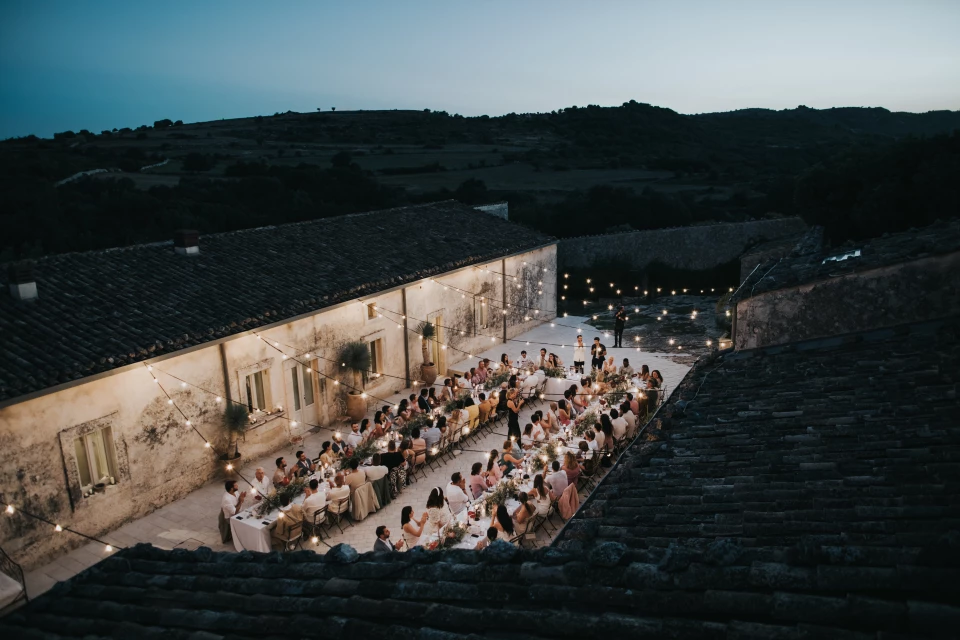
TLDR: The way you serve food at your reception is not just a catering decision; it shapes the entire guest experience: the energy level, the timeline, the table layout, the staffing needs, and the total food cost. A plated seated dinner is elegant but expensive and slow. A buffet is efficient and generous but creates lines. Food stations are interactive and trendy but require more space and more staff. ThePerfectWedding.com's reception experts compare all three formats across every dimension that matters, including the hybrid options that combine the best elements of each.
Key Facts at a Glance
- Plated seated dinner: $75 to $200+ per person including service (Source: The Knot, 2025)
- Buffet: $50 to $150 per person, typically 15% to 25% less than plated for comparable food quality (Source: WeddingWire)
- Food stations: $60 to $175 per person, variable based on number of stations and cuisine complexity (Source: Brides.com)
- Buffets require 25% to 30% more food than plated service because guests serve themselves and portions are uncontrolled (Source: Zola)
- See our catering cost per person guide and menu budget tips on ThePerfectWedding.com

Plated Seated Dinner
How it works
Guests choose from 2 to 3 entree options (indicated on their RSVP card or place card), sit at assigned seats, and are served each course by waitstaff.
A typical plated dinner progresses through 3 to 5 courses: salad or appetizer, intermezzo or palate cleanser (optional, at high-end events), entree with sides, and dessert. Service takes 75 to 90 minutes from first course to dessert, creating a structured, predictable timeline that your DJ and coordinator can plan around precisely. This is the most formal service style and the default at hotel, restaurant, and all-inclusive venues.
Pros
Elegant and refined: plated service is the most polished, formal dining experience. Every plate is designed by the chef, beautifully presented, and delivered to the guest. No lines, no crowding, no balancing a plate while navigating a buffet.
Portion control: the caterer knows exactly how much food to prepare because every portion is pre-determined. This means less food waste and more predictable costs.
Timeline control: the coordinator controls when each course is served, keeping the reception on schedule.
Dietary management: individual meals can be customized for guests with allergies, dietary restrictions, or preferences (see our dietary accommodations guide). T
able experience: guests stay seated together, encouraging conversation and creating the social, communal dinner experience that many couples value. Pair with our seating chart ideas and table setting guide.
Cons
Most expensive per person: plated service requires more kitchen staff (for plating), more servers (1 per 10 to 15 guests vs. 1 per 20 to 25 for buffet), and more coordination. The labor cost is 30% to 50% higher than buffet.
Less variety: guests choose from 2 to 3 options, not the 8 to 12 options available at a buffet or stations.
Slower: 75 to 90 minutes of structured dining means less time for dancing, mingling, and spontaneous fun. Some couples feel plated dinners make their reception feel like a formal restaurant rather than a party.
Timing pressure: if the ceremony runs late, the kitchen's prep schedule is disrupted and courses may be rushed or delayed.
Cost breakdown
$75 to $200+ per person depending on menu and market. This includes: food cost ($25 to $60/person for ingredients), kitchen labor ($15 to $30/person), front-of-house service staff ($15 to $35/person), and venue/caterer overhead and profit margin. In NYC, LA, or San Francisco, expect $150 to $250+.
In mid-size cities, $75 to $130. In rural markets, $60 to $100. For 150 guests at $120/person: $18,000 for the food service alone, before bar, cake, and rental costs. See our hidden costs guide for additional catering charges like service fees and overtime.

Buffet
How it works
Food is displayed on one or more long tables, and guests serve themselves. A typical wedding buffet includes: 2 to 3 protein options (chicken, beef, fish, or vegetarian), 3 to 4 side dishes, salad, bread, and sometimes a carving station with an attended chef. Guests are released by table (announced by the DJ or coordinator) to avoid a stampede, fill their plates, and return to their seats. Service takes 30 to 45 minutes for all guests to cycle through the line, making it significantly faster than plated service.
Pros
More variety: buffets offer 8 to 12 different items that guests can mix, match, and customize to their preferences. The picky eater, the adventurous eater, and the guest with multiple dietary needs all find something they love.
Lower per-person cost: buffets require fewer servers (guests serve themselves) and less kitchen labor (bulk preparation vs. individual plating). Savings: 15% to 25% compared to plated.
Faster service: all guests can be served within 30 to 45 minutes, leaving more time for dancing and celebration.
Abundance: a well-stocked buffet visually signals generosity and plenty. Guests feel like there is more than enough, which creates a positive psychological experience.
Works for casual and semi-formal styles: buffets match the relaxed vibe of barn, brewery, and garden weddings naturally.
Cons
Lines and congestion: even with table-by-table release, buffet lines take time and create a bottleneck where 150 guests funnel through 1 to 2 serving stations. Guests at the last-released table may wait 30+ minutes.
More food required: because portions are uncontrolled, caterers prepare 25% to 30% more food than plated service to ensure the buffet stays full and appealing for the last table served. Some of that food is wasted.
Less elegant presentation: food on a warming tray for 45 minutes does not look as pristine as a freshly plated dish. Quality degrades over time as items dry out, cool down, or are picked over.
Traffic flow: the buffet table takes up significant floor space and creates guest traffic patterns that must be managed. See our venue capacity guide for layout considerations.
Cost breakdown
$50 to $150 per person. Food cost is similar to plated (you offer more variety but fewer per-person portions), but labor savings reduce the total. You need fewer servers, less plating staff, and simpler coordination. However, you need 25% to 30% more food volume.
The net savings compared to plated: 15% to 25%. For 150 guests at $90/person: $13,500 (vs. $18,000 for plated at $120).

Food Stations
How it works
Multiple themed stations are set up around the reception space, each serving a different cuisine or course type. Guests move freely between stations, sampling from whichever appeal to them. Common station themes: pasta station (with a chef making fresh pasta to order), carving station (prime rib or whole roasted turkey carved by a chef), sushi/raw bar, taco station (build-your-own, see our taco bar guide), cheese and charcuterie, slider station, or international themes (Mediterranean, Asian, Southern, etc.). Stations are either attended (a chef prepares food to order) or self-serve (guests help themselves). Attended stations cost more but create an interactive, engaging experience.
Pros
Interactive and experiential: stations turn dinner into an event. Guests explore, discover, and engage with the food in a way that plated dinners and buffets cannot match. The food becomes entertainment.
Maximum variety: 5 to 8 stations with 3 to 4 items each means 15 to 32 different food options, dwarfing the variety of either plated or buffet.
Natural flow: guests circulate between stations, which distributes traffic and eliminates the single-line bottleneck of a buffet.
Customization: made-to-order stations (pasta, tacos, stir-fry) allow each guest to customize their meal to their exact preferences and dietary needs.
Social energy: the movement and exploration create a cocktail party energy that keeps the reception lively, especially for younger, social guest lists. Stations work beautifully at brewery and food truck weddings.
Cons
Space-intensive: 5 to 8 stations each requiring a 6 to 10 foot table, prep space, and queuing area consume significant floor space. Not ideal for smaller venues.
More staffing: attended stations each require a dedicated chef or server, increasing labor costs. 5 attended stations means 5 additional staff members.
No defined dinner period: without a seated dinner structure, guests eat at their own pace, which makes it harder to schedule toasts, dances, and other reception events because "dinner" has no clear start and end.
Guest fatigue: some guests (especially elderly or mobility-impaired) find the walking and standing required to visit multiple stations tiring. Ensure adequate seating and consider having servers bring samples to seated guests who cannot circulate easily.
Cost breakdown
$60 to $175 per person. The range is wide because costs depend heavily on the number of stations, whether they are attended or self-serve, and the cuisine complexity. A 3-station self-serve setup is close to buffet pricing ($60 to $90). A 6-station all-attended setup with a raw bar and carving station approaches or exceeds plated pricing ($130 to $175). For 150 guests at $100/person with 5 stations (3 attended, 2 self-serve): $15,000.

The Hybrid Approach
Plated first course + buffet or stations for entree
Serve a plated salad or appetizer to start (creates an elegant, structured beginning), then release guests to a buffet or stations for the main course. This hybrid captures the elegance of plated service for the opening moment, the variety and efficiency of buffet/stations for the main event, and reduces total cost compared to fully plated. The first course gives the kitchen time to finalize the buffet/stations setup while guests are seated and eating. This is the approach ThePerfectWedding.com's experts recommend most often for weddings of 100+ guests because it balances formality, variety, cost, and timeline effectively.
Family-style (communal platters at each table)
Large platters of food are placed on each table, and guests serve themselves from shared dishes. This combines the seated, social element of plated dining with the variety and abundance of buffet, without the lines. It creates a warm, communal atmosphere reminiscent of a holiday family dinner. Works beautifully at vineyard and barn weddings. Cost: comparable to buffet ($55 to $130/person) with slightly higher food quantities because platters are replenished until the table is satisfied.
Expert Tip: "The service format should match the energy you want for your reception. Plated dinners create a formal, structured, restaurant-like experience where conversation happens at the table. Buffets create a generous, efficient, get-to-the-party energy. Food stations create a cocktail party, exploratory, social-mixing energy. Family-style creates a warm, intimate, holiday-dinner energy. None is objectively better. Each is better for a specific vibe. Choose the vibe first, then choose the format that delivers it."
Sarah Glasbergen, Founder at ThePerfectWedding.com

Frequently Asked Questions
Which format is cheapest?
Buffet is typically the least expensive per person for comparable food quality, followed by family-style, then food stations, then plated. However, the "cheapest" option depends on your guest count, venue, and specific menu. A simple plated chicken dinner may cost less than an elaborate 6-station setup. Use our catering cost guide to compare quotes from your specific caterer.
Which format works best for large weddings (200+ guests)?
Buffet or stations. Plated service for 200+ guests requires extensive staffing (15 to 20+ servers) and creates very long dinner service periods (90+ minutes). Buffets with multiple serving lines or distributed food stations handle large crowds more efficiently because guests can access food simultaneously from multiple points.
Can we do different formats for different courses?
Absolutely, and this is increasingly popular. Plated appetizer + buffet entree. Cocktail-hour stations + plated dinner. Buffet dinner + plated dessert. Mixing formats gives you the advantages of each without the full cost or limitations of committing to one approach for the entire meal.
Which format wastes the least food?
Plated service wastes the least because portions are pre-determined and prepared to exact guest count. Buffets waste the most because they require 25% to 30% over-preparation and food that sits on the line for 45 minutes may not be consumed. Stations fall in between. If food waste is a concern, discuss donation partnerships with your caterer; many will package and donate surplus food to local shelters.
How do we handle guests with allergies at each format?
Plated: easiest, because individual meals can be customized. Buffet: label every dish with allergen information (gluten, dairy, nuts, shellfish). Stations: label each station and have attended chefs who can answer allergen questions in real time. All formats work for allergen management if the caterer is informed and prepared. See our dietary accommodations guide for detailed strategies.
More menu guides on ThePerfectWedding.com: Brunch menu, Dietary accommodations, Family-style dinner, Cocktail hour food, BBQ menu, Taco bar, and more. See our catering cost guide and menu budget tips. Pair with our bar guide and signature cocktail ideas. Find caterers on our vendor directory.


