The Wedding Receiving Line: How It Works and Etiquette
What a wedding receiving line is, where and when to hold it, who stands in it and in what order, how to keep it moving, and modern alternatives.

by Sarah Glasbergen on 30 June 2026
Web editor
In short
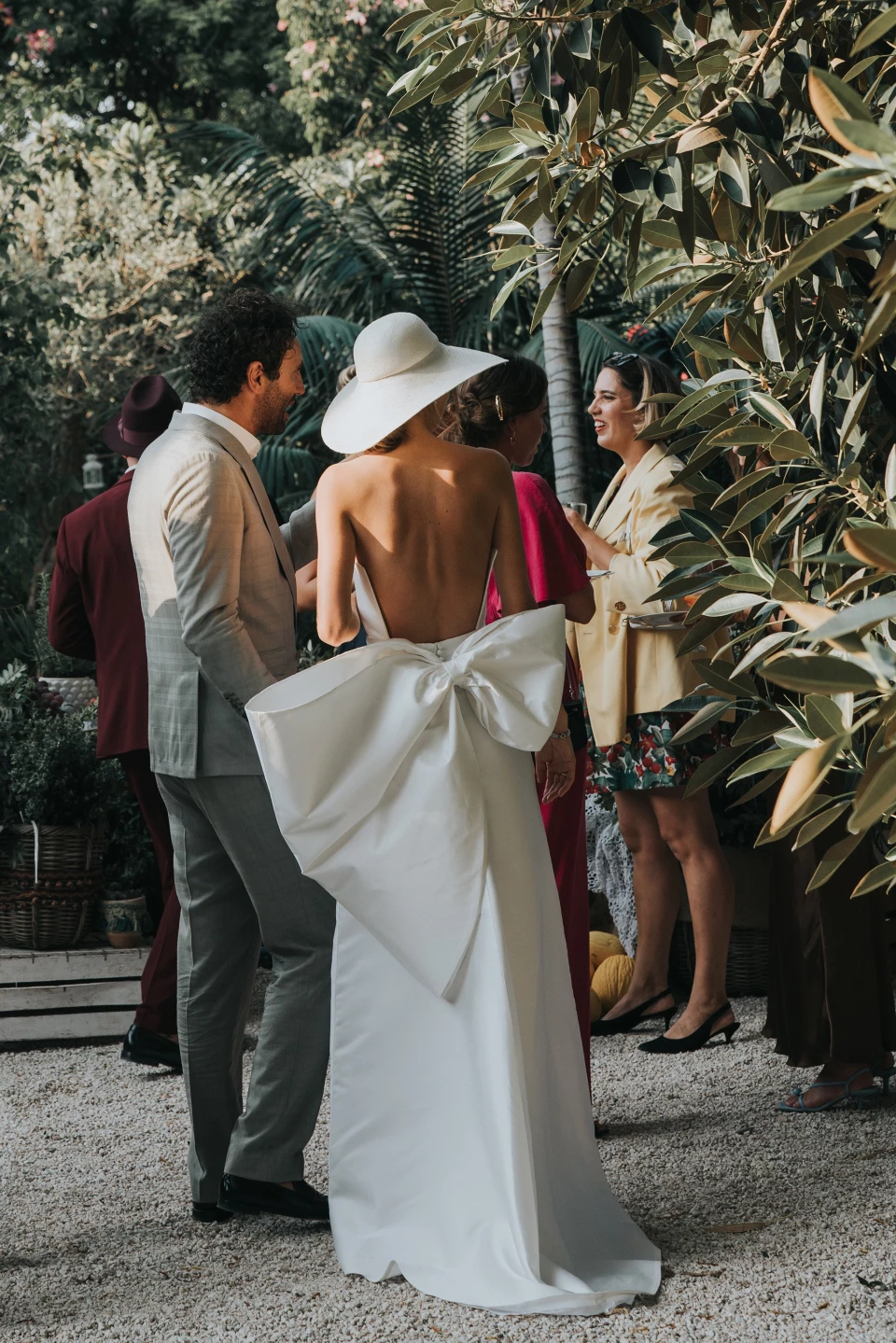
A receiving line is the tradition of the newlyweds, and sometimes their parents, greeting every guest in person, usually right after the ceremony. It guarantees a moment with each person who came, which is its great strength and, for big weddings, its main challenge. With the right setup, it is a warm, efficient way to thank everyone.
Below we cover what a receiving line is, where and when to hold it, who stands in it and in what order, how to keep it moving, alternatives, and whether it is right for you.
At some point every couple realizes a hard truth: with a hundred guests, you could easily reach the end of the night having spoken to barely half. The receiving line is the classic fix, a deliberate moment to greet every single person.
Key Facts at a Glance
- A receiving line lets you greet every guest personally, usually right after the ceremony or as guests enter the reception.
- It guarantees a moment with everyone, which is hard to manage any other way at a larger wedding.
- Traditionally the couple and sometimes the parents stand in the line, in a set order.
- It can take time, roughly a few minutes per small group, so it suits smaller guest counts or needs a plan to keep moving.
- Alternatives exist, such as visiting each table during dinner, which many modern couples prefer.
- 2026 couples prioritize genuine guest connection, and a receiving line is one structured way to deliver it (Source: The Knot Worldwide 2026 Real Weddings Study).
What is a wedding receiving line?
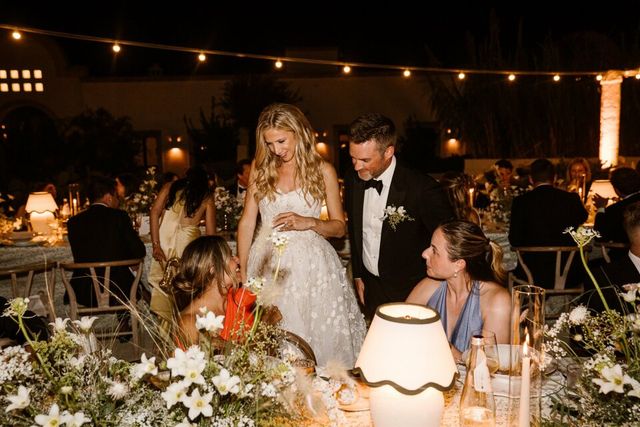
A receiving line is a long standing tradition where the newlyweds, often joined by their parents, stand in a line and greet each guest one by one. Guests file past, offering congratulations and a quick word, and the couple thanks everyone for coming. It is a formal, organized way to ensure no one is missed.
According to ThePerfectWedding.com's reception guidance, the receiving line solves a real problem. At a busy wedding it is genuinely difficult to reach every guest, and the line guarantees each person gets a moment with the couple, which guests deeply appreciate.
Where and when to hold the receiving line
The two classic moments are right after the ceremony, as guests leave, or at the entrance to the reception as guests arrive. The post ceremony spot is traditional and catches everyone while they are gathered, while the reception entrance can flow naturally into cocktails.
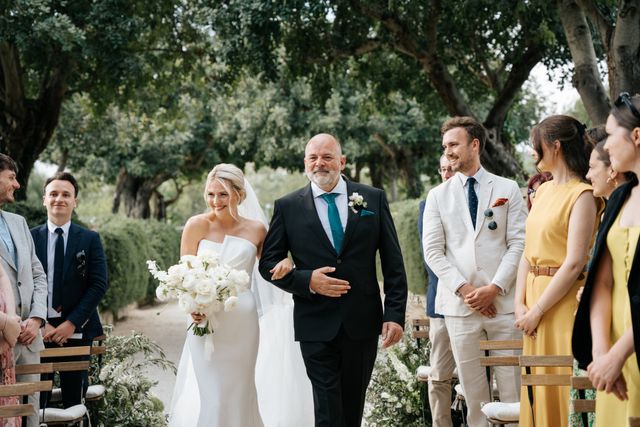
Choose a spot with a logical flow, so guests know where to go next, and ideally some shade or shelter if you are outdoors. Avoid a bottleneck where the line backs up into the ceremony space. A clear path in and out keeps the whole thing smooth.
Who stands in the line, and in what order
Traditionally the receiving line includes the couple and both sets of parents, though many modern couples keep it to just the two of them for simplicity. The classic order places the hosts first, followed by the couple, but you can adapt it to your families and what feels comfortable.
Keep the line to the people who genuinely want to greet everyone. A shorter line moves faster and feels less like a formal procession. If parents prefer to mingle instead, it is perfectly fine for the couple to stand alone.
How to keep the line moving
The single biggest risk is a slow line that eats your cocktail hour. The trick is warm but brief greetings: a hug, a thank you, a sentence or two, and gently moving on. Long conversations can happen later in the evening.
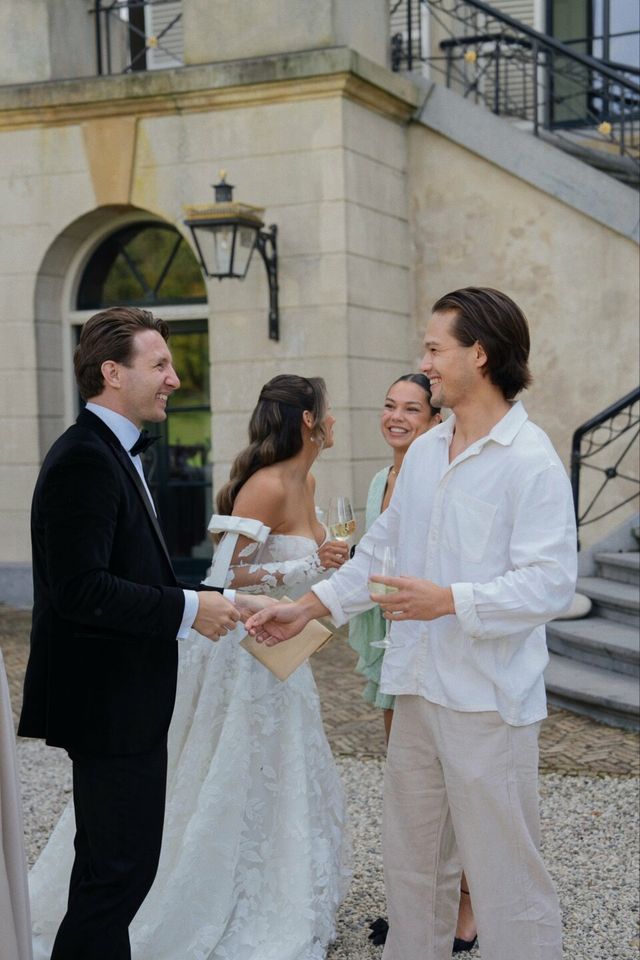

It helps to have drinks served to waiting guests so the line feels like part of the celebration rather than a queue. For larger weddings, consider limiting the line to close family and friends, or skipping it in favor of table visits.
Alternatives to a receiving line
If a formal line feels too stiff or slow for your wedding, there are warm alternatives. The most popular is visiting each table during dinner, which lets you spend a focused moment with every group in a relaxed setting while they are seated.
Other couples greet guests informally throughout cocktail hour, dismiss rows personally after the ceremony, or combine a short line for close family with table visits for everyone else. The goal, connecting with each guest, matters more than the method.
Is a receiving line right for you?
Weigh the trade offs honestly. A receiving line guarantees you greet everyone and feels gracious and traditional, but it takes time, can create a queue, and is harder to manage at very large weddings.
For an intimate or medium sized wedding, a receiving line is efficient and lovely. For a large guest count, table visits or a relaxed mingle may serve you better. There is no wrong choice, only the one that fits your wedding's size and style.
How much time should you budget?
It is worth doing the math before the day. As a rough estimate, plan for roughly twenty to thirty minutes per fifty guests, since each small group needs a moment. For a wedding of a hundred guests, that can stretch toward the better part of an hour, which has to fit somewhere in your timeline.
Build that time in deliberately, usually into the gap between the ceremony and the reception, and let your photographer and coordinator know so the schedule absorbs it. If the math makes the line feel too long, that is your signal to trim who stands in it, limit it to close family, or switch to table visits instead.
The receiving line should feel like a warm welcome, not a marathon. Knowing roughly how long it will take lets you decide with clear eyes whether it is the right fit, and protects the rest of your timeline from quietly slipping away.
Common mistakes to avoid
- Letting greetings run long. Keep each warm but brief, a hug and a sentence, and save real conversations for later.
- Placing it in a bottleneck. Pick a spot with clear flow so the line does not back up.
- A line that is too long. Limit it to people who genuinely want to greet everyone, often just the couple.
- No drinks for waiting guests. Serve drinks so the wait feels celebratory, not like a queue.
- Forcing it at a huge wedding. For very large guest counts, table visits are often the better choice.
Every guest traveled, dressed up, and gave their day to be there. A receiving line is simply a promise that not one of them slips through your wedding without a hug and a heartfelt thank you.
Sarah Glasbergen, Founder at ThePerfectWedding.com
Frequently asked questions about the receiving line
-
What is a wedding receiving line?
It is a tradition where the newlyweds, and sometimes their parents, stand in a line and greet each guest one by one, ensuring everyone gets a personal moment and a thank you.
-
When does the receiving line happen?
Most commonly right after the ceremony as guests leave, or at the entrance to the reception as guests arrive. Both work well.
-
Who stands in the receiving line?
Traditionally the couple and both sets of parents, though many modern couples keep it to just the two of them. Include only those who genuinely want to greet everyone.
-
How long does a receiving line take?
Roughly a few minutes per small group, so it adds up at larger weddings. Keeping greetings brief and serving drinks to waiting guests helps it move.
-
How do we keep the line moving?
Keep each greeting warm but short, a hug, a thank you, a sentence or two, then move on. Save longer conversations for later in the evening.
-
What are alternatives to a receiving line?
Visiting each table during dinner is the most popular alternative, along with greeting guests during cocktail hour or dismissing ceremony rows in person.
-
Is a receiving line outdated?
Not at all, though it is optional. It remains a gracious way to greet everyone, especially at smaller weddings. Larger weddings often prefer table visits.
-
Do we need a receiving line at a big wedding?
No. At very large weddings a line can become slow. Many couples skip it in favor of table visits or a relaxed mingle throughout the reception.
Plan a reception that flows
Greeting your guests is one piece of a smooth, warm reception. Use the wedding planning checklist on ThePerfectWedding.com to organize your timeline, your guest experience, and every detail in between.


