Brunch Wedding Menu Ideas: What to Serve at a Morning or Midday Celebration
Brunch wedding menu guide: egg stations, pastries, mimosa bars, coffee service, and why brunch saves 30-50% on catering and drinks.

by Sarah Glasbergen on 24 June 2026
Web editor
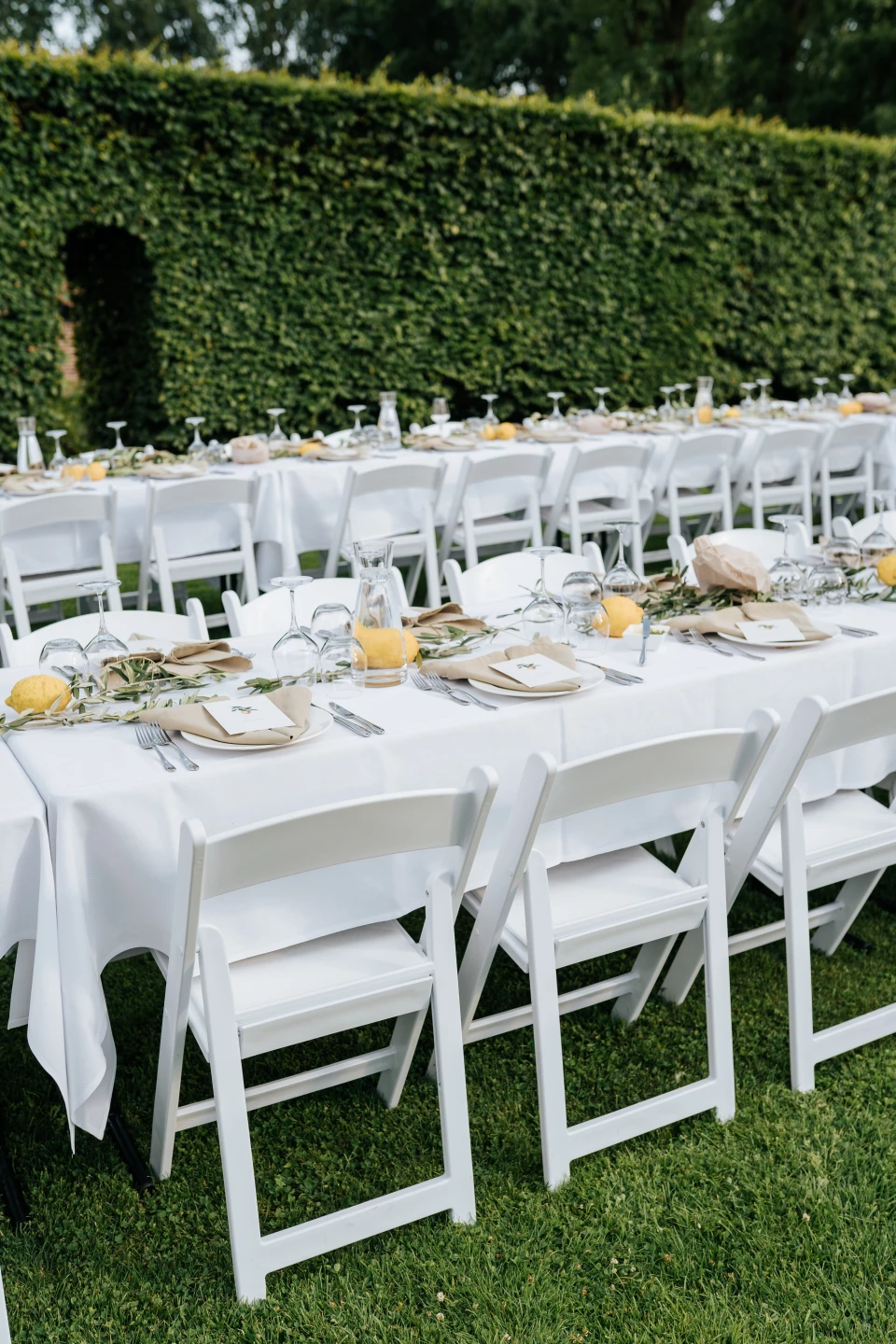
TLDR: A brunch wedding is one of the smartest budget moves in modern wedding planning: lower venue costs (morning and early afternoon slots are 20% to 40% cheaper), lower bar costs (guests drink less before 2 PM), and a menu that feels special without the price tag of a formal dinner. ThePerfectWedding.com's menu experts cover the ideal brunch menu structure, the crowd-pleasing dishes that work for every dietary need, the drink program, and the timeline that makes a brunch reception flow beautifully.
Key Facts at a Glance
- Brunch catering costs $40 to $100 per person, 20% to 40% less than dinner service (Source: The Knot, 2025)
- Bar costs at brunch weddings are 30% to 50% lower because guests drink less before 2 PM (Source: WeddingWire)
- Brunch weddings typically run 3 to 4 hours (10 AM to 2 PM or 11 AM to 3 PM), shorter than evening receptions (Source: Brides.com)
- Morning and early afternoon venue rates are 20% to 40% lower than evening rates at most venues (Source: Zola)
- See our catering cost guide and budget breakdown for savings calculations

The Brunch Menu Structure
The ideal brunch timeline
Ceremony at 10:00 AM or 11:00 AM, followed by a reception brunch from 11:00 AM or 12:00 PM to 2:00 PM or 3:00 PM. Guests arrive for the ceremony in late-morning light (beautiful for photos), the reception brunch follows immediately, and everyone is home by mid-afternoon with the entire evening free. This timeline is particularly popular with families with young children, older guests who prefer daytime events, and couples who want their wedding to feel like a celebration rather than a late-night marathon. Build your timeline with our wedding day timeline template.
Course structure
A brunch reception works best as a combination of buffet or stations rather than a strictly plated affair, because brunch food is naturally communal and grazing-friendly. The ideal structure: a welcome drink station (mimosas, Bellinis, Bloody Marys, coffee, and juice) available immediately as guests arrive from the ceremony, followed by the main brunch spread (buffet or stations) opening 15 to 20 minutes into the reception. Dessert (brunch-appropriate: donuts, pastries, a small cake) served 90 minutes to 2 hours in, alongside coffee and tea service. This structure feels abundant and leisurely without the formality of course-by-course dinner service. See our format comparison for buffet vs. stations trade-offs.
Menu Ideas by Category
Egg dishes (the brunch centerpiece)
Eggs are the anchor of any brunch menu. Options that work at scale: a made-to-order omelet station with a chef (the most interactive and impressive option, $3 to $5/person premium for the attended station), eggs Benedict (classic, with variations: smoked salmon Benedict, avocado Benedict, veggie Benedict), a frittata bar with seasonal vegetables (elegant, easy to batch-prepare, naturally gluten-free), quiche in multiple varieties (Lorraine, spinach-mushroom, roasted vegetable) that serve beautifully and hold temperature well, and a scrambled egg bar with toppings (cheese, herbs, salsa, smoked salmon, truffle oil). One or two egg options is sufficient; you do not need all of them.
Protein options
Beyond eggs, offer 2 to 3 protein choices: bacon (always popular, offer both regular and turkey for dietary variety), sausage links or patties (pork and chicken options to cover preferences), smoked salmon or lox platter with cream cheese, capers, and red onion (elevated and dietary-friendly), chicken and waffles (a crowd-pleasing crossover that feels special), and carved ham or roasted pork loin (substantial, elegant, great for larger appetites). For plant-based guests: a hearty vegan protein option like seasoned tofu scramble, black bean hash, or plant-based sausage ensures inclusivity.
Bread and pastry station
A beautiful bread and pastry display doubles as decor and food. Fresh croissants (plain and chocolate), artisan toast bar with toppings (avocado, ricotta and honey, nut butter and banana, smoked salmon), assorted muffins and scones, fresh bagels with cream cheese and lox, and French toast sticks or bread pudding bites. This station can be entirely self-serve, requires no attended chef, and adds visual abundance to the reception space. Cost: $3 to $6/person for a generous assortment.
Sides and salads
Round out the menu with fresh, bright sides: seasonal fruit display or fruit salad (essential and universally loved), roasted potatoes or hash browns (hearty, crowd-pleasing), mixed green salad with vinaigrette (provides freshness and a light option), grilled asparagus or seasonal roasted vegetables (elevated, dietary-friendly), and yogurt parfait bar with granola and berries (healthy option that doubles as a beautiful display). Fresh sides balance the richness of egg and protein dishes and ensure every guest, including those with dietary restrictions, finds satisfying options.

The Brunch Drink Program
Signature brunch cocktails
Brunch has its own cocktail canon, and guests expect it: mimosas (the classic brunch cocktail: champagne/sparkling wine and orange juice, served in flutes for elegance or in a DIY mimosa bar for fun), Bellinis (sparkling wine with peach puree, elegant and Italian), Bloody Marys (vodka, tomato juice, and a build-your-own garnish bar with celery, olives, pickles, bacon, and hot sauce; a Bloody Mary station is one of the most interactive and Instagram-worthy brunch bar elements), and signature cocktails with a brunch twist (lavender lemonade with gin, espresso martini, grapefruit paloma). See our bar format guide for cost-saving strategies.
Coffee and tea service
Coffee is not optional at brunch; it is essential. Standard drip coffee and tea service is the minimum. Upgraded options: an espresso bar with a barista making lattes, cappuccinos, and specialty drinks ($300 to $800 for a 3-hour barista service), cold brew on tap, and matcha lattes. A quality coffee station elevates the brunch from "breakfast at an event" to "curated dining experience" and serves guests who do not drink alcohol (see our non-alcoholic guide). Coffee and tea service should be available from the moment guests arrive through the end of the reception.
Why the bar bill is lower
Guests naturally drink less at morning and early afternoon events. The social norm of daytime drinking is lighter than evening drinking. Brunch cocktails (mimosas, Bellinis) use less alcohol per serving than evening cocktails. Many guests choose coffee, juice, or non-alcoholic options at brunch without feeling like they are missing out. The result: bar costs are 30% to 50% lower than an equivalent evening reception. For 150 guests, this can save $2,000 to $5,000. See our bar cost guide and drinks per guest calculator.

Making Brunch Feel Like a Wedding, Not Just Breakfast
Elevate the presentation
The difference between a hotel breakfast buffet and a wedding brunch is presentation. Use beautiful platters and serving ware (not stainless steel hotel chafing dishes). Add fresh flower arrangements to food stations. Use tiered displays for pastries and fruit. Provide real plates and silverware (not disposable). Fold linen napkins. Add small printed menu cards describing each dish. These details cost relatively little but transform the visual experience from "catered breakfast" to "celebratory brunch." Coordinate with your decor vision and table settings.
Timeline and energy management
A 3 to 4 hour brunch reception moves faster than a 5-hour evening reception. Plan accordingly: ceremony (20 to 30 minutes), arrival drinks and welcome (15 minutes), brunch service opens (guests eat for 45 to 60 minutes), toasts and speeches during or after eating (15 to 20 minutes), first dance and parent dances (10 to 15 minutes), open dancing (30 to 60 minutes), dessert and cake cutting (15 minutes), farewell send-off (10 minutes). The energy at a brunch wedding is bright, joyful, and social rather than the building-to-a-peak-then-winding-down arc of an evening reception. Lean into that daytime energy: natural light, upbeat music, and a pace that feels celebratory without dragging.
Expert Tip: "A brunch wedding at $65/person for food and $20/person for drinks costs $85/person total. An evening wedding at $120/person for food and $60/person for drinks costs $180/person total. For 150 guests, that is $12,750 for brunch versus $27,000 for evening. You save $14,250 by changing the time of day, and your guests have a wonderful, memorable experience either way. The wedding industry pushes evening events because they are more profitable for venues and caterers. But there is nothing about a 7 PM start time that makes a wedding more meaningful than an 11 AM start time. The ceremony is the same. The love is the same. The photos in natural morning light are arguably better. The only difference is the price tag."
Sarah Glasbergen, Founder at ThePerfectWedding.com

Frequently Asked Questions
Will guests think a brunch wedding is less formal or less of a real wedding?
No. Brunch weddings have been mainstream for years. The formality is set by your attire, decor, and ceremony, not by the meal time. A black-tie brunch wedding at an elegant venue is just as formal as an evening affair. A casual brunch in a garden is as valid as a casual evening reception. Time of day does not determine legitimacy.
Do we still do dancing at a brunch wedding?
Absolutely. First dance, parent dances, and open dancing all work at brunch receptions. The dance floor may be shorter (30 to 60 minutes vs. 2 to 3 hours at evening receptions) and the music energy may be different (more upbeat and fun, less club-style), but guests will dance enthusiastically at noon if the DJ plays the right music and the mimosas are flowing.
What about guests who do not eat breakfast foods?
Include lunch-crossover options in your menu: a carving station with sliced ham or turkey, a green salad, chicken dishes, or a pasta station. "Brunch" does not mean exclusively eggs and bacon. The best brunch menus blend breakfast favorites with light lunch options, ensuring everyone finds something substantial.
Is brunch appropriate for a large wedding (150+ guests)?
Yes. Brunch buffets and stations handle large groups as efficiently as dinner buffets. The shorter timeline (3 to 4 hours) actually helps with large group flow because the event is compact and energetic rather than stretched over 5 to 6 hours where energy can lag.
What is the best venue for a brunch wedding?
Any venue with good natural light and access to an indoor or outdoor ceremony space. Restaurants with brunch programs are natural fits (the kitchen is already designed for brunch service). Garden estates and vineyards are gorgeous in morning light. Hotels often offer brunch-specific packages at lower rates than dinner packages. Avoid venues with poor natural lighting (dark barns or windowless ballrooms), because natural light is the aesthetic foundation of a beautiful brunch reception.
More menu guides on ThePerfectWedding.com: Seated vs buffet vs stations, Dietary accommodations, Family-style dinner, Cocktail hour food, BBQ menu, Taco bar, and more. See our catering cost guide and menu budget tips. Pair with our bar guide and signature cocktail ideas. Find caterers on our vendor directory.


