Wedding Dessert Display Styling Guide: How to Make Any Dessert Table Look Like a Magazine Spread
Dessert display styling guide: height variation, color coordination, equipment, filler elements, and how to make any dessert table magazine-worthy.

by Sarah Glasbergen on 24 June 2026
Web editor
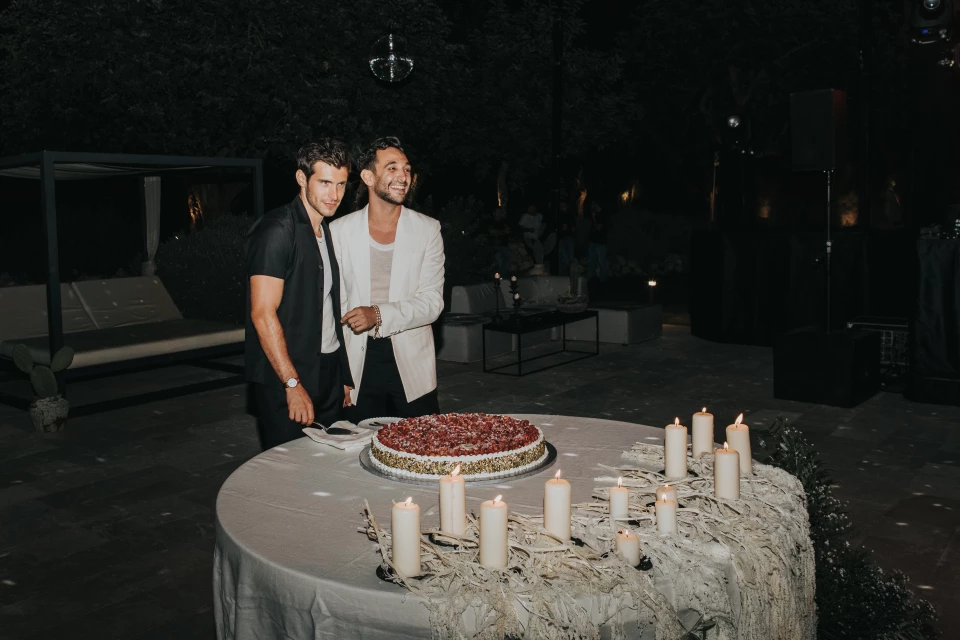
TLDR: The difference between a stunning dessert display and a church potluck buffet is not the desserts themselves but how they are presented. The same brownies, cookies, and cupcakes look completely different when styled with intentional height variation, coordinated colors, beautiful serving ware, proper lighting, and thoughtful filler elements. ThePerfectWedding.com's styling experts explain the universal design principles, the specific equipment you need, the common mistakes that cheapen a display, and the step-by-step process for creating a dessert presentation that guests photograph, Instagram, and remember.
Key Facts at a Glance
- Display styling equipment (stands, platters, risers, linens): $100 to $500 rental or purchase (Source: The Knot, 2025)
- Height variation is the #1 principle that separates professional displays from amateur ones (Source: WeddingWire)
- A styled dessert display serves as double-duty decor, reducing the need for separate table decorations nearby (Source: Brides.com)
- Lighting on the display increases guest interaction by 40% to 60% compared to unlighted dessert tables (Source: Zola)
- See our dessert table ideas for what to serve and our wedding decor guide for coordination

The Five Universal Design Principles
1. Height variation
The single most impactful styling decision is creating a landscape of different levels. A flat table with everything at the same height looks like a cafeteria buffet. A table with items at 5 to 7 different heights looks designed and intentional.
- Tall (12 to 18 inches): tiered cake stands, tall glass cylinders, stacked wooden crates, or a macaron tower as the tallest centerpiece
- Medium (6 to 12 inches): single-tier cake stands, small pedestals, stacked books wrapped in fabric, wooden boxes on their side
- Low (table level to 4 inches): flat platters, cutting boards, slate tiles, mirrors as bases, low bowls
Place the tallest element in the center-back of the display, medium elements flanking it, and low elements in front. The eye should travel from low (front) to high (back center) and across. This creates depth and visual interest from every angle.
2. Color coordination
Every element on the display should connect to a cohesive color palette:
- Desserts themselves: choose frosting colors, sprinkle colors, and garnish colors that match your wedding palette. White and gold for classic elegance. Dusty pink and sage for romantic. Bold jewel tones for dramatic
- Serving ware: coordinate stand colors (gold, silver, rose gold, white, natural wood) with your overall decor scheme. Do not mix gold AND silver AND rose gold. Pick one metallic or one material and stay consistent
- Linens: the tablecloth or runner should complement, not compete. Neutral linen under colorful desserts. Colored linen under white/neutral desserts
- Filler elements: flowers, greenery, candles, and decorative objects in palette-coordinated colors tie everything together

3. Odd-number grouping
Arrange items in groups of 3, 5, or 7 rather than 2, 4, or 6. Odd numbers create asymmetric compositions that are more visually dynamic and natural-looking. A cluster of 3 cake stands at different heights feels designed. A pair of 2 matching stands feels symmetrical and flat. This is a fundamental design principle used in interior styling, photography, and floral design. Apply it to every grouping on the dessert table.
4. Negative space
Do not fill every square inch of the table. Breathing room between items makes each dessert stand out and prevents the display from looking cluttered and overwhelming. A common mistake: couples order 8 dessert types and crowd them onto a 6-foot table with no space between items. The result looks chaotic rather than curated. Allow 4 to 6 inches between items. Use filler elements (flowers, candles) in the gaps, not more food. Less is more, and a table that looks intentionally spacious feels more premium than one that looks overstuffed.
5. Focal point and flow
Every display needs one dominant focal point that draws the eye first. This is usually the tallest, most elaborate, or most visually striking element:
- A macaron tower in the center-back
- A small tiered cutting cake elevated on a stand
- A dramatic donut wall behind the table
- A large floral arrangement flanking one side
The focal point anchors the display. Secondary items (cookies, brownies, tarts) support it on either side. The guest's eye is drawn to the focal point first, then scans left and right to discover the other options.

Essential Equipment
Serving ware by style
Classic/elegant:
- White or clear glass cake stands (3 to 5 at varying heights)
- Silver or gold-rimmed platters
- Crystal or glass compote bowls
- White linen tablecloth, satin runner
Rustic/barn:
- Wooden cake stands, cutting boards, and crates
- Mason jars for candies and small items
- Burlap or linen runners
- Galvanized metal trays or tiered stands
Modern/minimalist:
- Acrylic or lucite stands and risers
- Marble or terrazzo platters
- Geometric metal frames
- No tablecloth (bare wood or clean white surface)
Bohemian/garden:
- Vintage mismatched plates and stands (thrift store finds)
- Terracotta, ceramic, and handmade pottery
- Woven basket trays and rattan accents
- Abundant greenery and wild flowers woven throughout
Sourcing equipment
- Rental companies: $0.50 to $5 per piece. Most event rental companies carry cake stands, platters, and display equipment. Coordinate with your other rentals (plates, glasses, linens) for delivery efficiency
- Purchase (budget): HomeGoods, TJ Maxx, IKEA, and Amazon carry affordable cake stands ($8 to $25 each) and platters. Buy 4 to 6 weeks before the wedding
- Thrift stores: vintage cake stands, platters, and serving pieces for $2 to $10 each. Start collecting 2 to 3 months ahead for the best selection
- DIY: stack a dinner plate on an upside-down bowl or vase for an instant cake stand. Wrap wooden crates in fabric for elevated platforms. Use books stacked under a cloth as risers

Filler Elements That Elevate the Display
Between and around the desserts
- Fresh flowers: small arrangements, loose stems, or petals scattered between items. Use flowers from your wedding florals for consistency. Ensure flowers are food-safe (no pesticides, no toxic varieties near food)
- Greenery: eucalyptus, ivy, rosemary (edible and fragrant), or fern tucked along the table edges and between stands. Adds natural texture and fills gaps beautifully
- Candles: votives, tea lights, or small pillars (battery-operated if venue restricts open flame) create warm, inviting light on the display. Place behind and between items, not where guests reach across flame to grab food
- Decorative objects: gold or silver confetti, scattered crystals, mini picture frames with photos of the couple, small signs or tags labeling each dessert
Backdrop
The wall or area behind the dessert table completes the visual:
- Fabric draping: sheer curtains, muslin, or velvet draped behind the table ($50 to $200)
- Floral installation: a flower wall or arch framing the table ($200 to $1,000)
- Signage: a large custom sign ("Sweet Treats," "Love is Sweet," your couple monogram)
- Neon sign: a custom neon in your wedding colors ($100 to $300 rental) creates a modern, photogenic backdrop
- String lights: draped behind or above the table for a warm glow, especially at evening receptions
Common Mistakes to Avoid
- Everything at the same height: flat displays look institutional. Use risers, stands, and crates to create levels
- Too many items crammed together: more is not better. 6 items beautifully styled beats 12 items crowded
- Mismatched metals and materials: gold stands next to silver next to copper looks accidental. Pick one metallic or one material family
- No labels: guests should not have to guess what they are eating. Small tent cards or tags identifying each item and noting allergens are functional AND decorative
- Poor lighting: a dessert table in a dark corner gets ignored. Position under string lights or add a spotlight. Lighting makes everything look more beautiful and draws guest attention
- Ignoring the approach: guests approach from the front. Ensure the front view is the best view. Place labels, serving utensils, and plates at the front where guests can reach them easily
- Setting up too early: chocolate, cream, and delicate desserts degrade over time. Set up 60 to 90 minutes before guests access the display, not 4 hours ahead
Expert Tip: "The dessert display is the most-photographed food element at any wedding reception. Every guest walks up to it, scans it, takes a mental photo (and often a real one), and chooses their dessert. That 30-second interaction is shaped entirely by presentation. The same $3 brownie on a kraft paper plate looks like a church bake sale. The same brownie on a marble pedestal with gold leaf dust and a sprig of rosemary looks like a patisserie creation. You are not upgrading the food. You are upgrading the frame around the food. And the frame is what guests photograph, share, and remember."
Sarah Glasbergen, Founder at ThePerfectWedding.com

Frequently Asked Questions
How early should we set up the dessert display?
60 to 90 minutes before guests will access it. This allows time for careful arrangement without rushing, but does not leave temperature-sensitive items out for hours. Set up the physical equipment (stands, linens, flowers, signage) earlier in the day, then add the actual desserts 60 to 90 minutes before service.
Who sets up the dessert display: us, the baker, or the coordinator?
Ideally, your baker or coordinator. Many bakeries will deliver AND set up the display as part of their service (confirm this when booking). If not, your day-of coordinator or a designated friend with an eye for design should handle it using a reference photo you provide. The couple should never be setting up their own dessert table on the wedding day.
Can we style a dessert display on a budget?
Absolutely. The most cost-effective approach:
- Thrift store stands and platters ($20 to $50 total)
- DIY risers from stacked items covered in fabric ($0)
- Greenery clipped from your yard or purchased at a grocery store ($10 to $20)
- Battery tea lights ($5 to $10 for a pack)
- Printed labels from a home printer ($2 to $5)
Total styling cost: $37 to $85. The principles (height, color, grouping, space, focal point) are free. Execution does not require expensive equipment.
How big should the dessert table be?
6-foot table for up to 100 guests. 8-foot table for 100 to 175 guests. 10-foot or L-shaped arrangement for 175+ guests. The table should be large enough to display everything with breathing room but not so large that items look sparse and scattered. It is better to use a slightly smaller table that looks abundant than a large table that looks half-empty.
More dessert guides on ThePerfectWedding.com: Dessert table ideas, Donut wall, Cookie bar, Wedding pie, Ice cream bar, Cupcake display, and more. See our late-night snack ideas and wedding cake gallery. Find bakers on our vendor directory.


