Wedding Photo Shot List: Every Must-Have Shot Organized by Moment, Plus the Candid Moments Photographers Love to Capture
Complete wedding photo shot list: getting ready, ceremony, formals, reception, details, and candid moments organized by timeline

by Sarah Glasbergen on 24 June 2026
Web editor
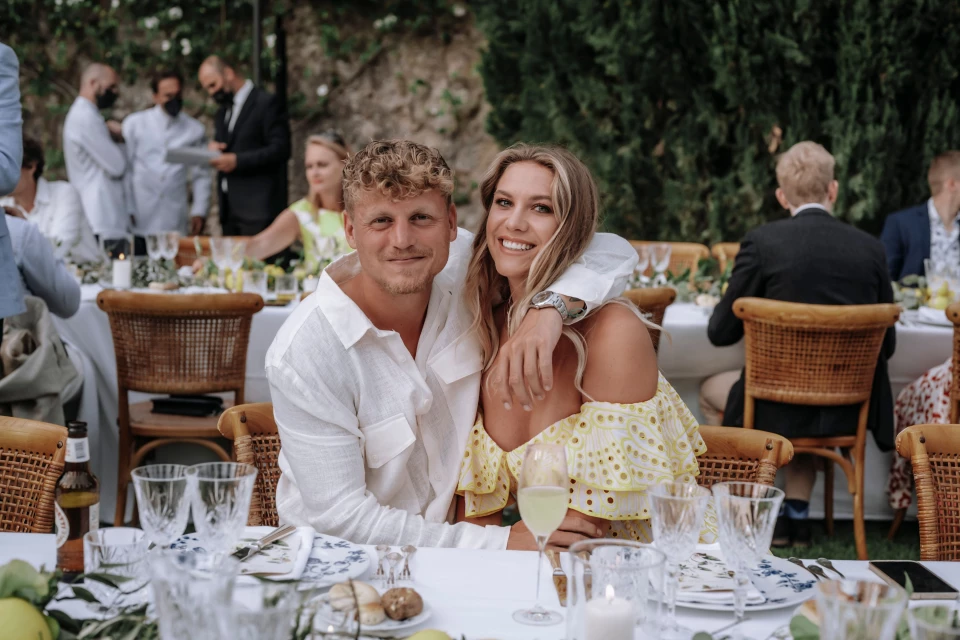
TLDR: A wedding photo shot list is a shared reference document between you and your photographer that ensures no important moment, person, or detail is missed. Without one, photographers rely on experience and instinct (which is usually good but not perfect), and couples discover gaps when reviewing their gallery: "Where is the photo of me with my college friends?" or "Why is there no shot of the ceremony from the back?" ThePerfectWedding.com's photography experts provide the complete shot list organized by wedding timeline phase, with notes on timing, priority, and the candid moments that experienced photographers seek without being asked.
Key Facts at a Glance
- The average wedding photographer delivers 400 to 800 edited photos from an 8 to 10 hour day (Source: The Knot, 2025)
- Family formal portraits take 20 to 30 minutes for a standard family configuration and are the most commonly missed shots when not pre-planned (Source: WeddingWire)
- Share your shot list with your photographer at least 2 weeks before the wedding so they can plan lighting, timing, and positioning (Source: Brides.com)
- A good shot list has 40 to 80 specific requests. More than 100 overwhelms the photographer and leaves no room for creative spontaneity (Source: Zola)
- See our how to choose a photographer and wedding day timeline template

Pre-Ceremony: Getting Ready
Bride/partner getting ready
These moments are some of the most emotional and intimate of the entire day. Your photographer should capture:
- Detail shots: dress hanging (backlit near a window), shoes, jewelry, perfume bottle, invitation suite, bouquet, hair accessories, veil
- Process moments: hair being styled, makeup being applied, buttoning/lacing the dress, stepping into shoes, putting on jewelry
- Emotional moments: first look in the mirror, parent seeing the couple in their outfit for the first time (this often produces the most emotional image of the day), reading a letter from partner, gift exchange if applicable
- Group moments: toasting with the wedding party, laughing during prep, the full group ready and dressed
Timing tip: allocate 60 to 90 minutes of photographer time for getting-ready coverage. The room should have natural light (open curtains, position near windows). Brief your photographer on the room layout during the venue site visit.
Groom/partner getting ready
Often photographed by a second photographer simultaneously:
- Detail shots: suit/tux hanging, tie, cufflinks, watch, boutonniere, shoes
- Process moments: tying the tie, buttoning cuffs, putting on the jacket, pinning boutonniere (usually by best man or parent)
- Group moments: with groomsmen/wedding party, toasting, candid laughing and preparation
- Emotional moments: reading partner's letter, gift reveal, quiet moment of reflection before leaving
First Look (If Applicable)
The reveal moment
If you are doing a first look (seeing each other before the ceremony), this is a carefully orchestrated sequence:
- The approach: one partner walks toward the other from behind. The photographer captures the walk and the anticipation
- The tap/turn: the approaching partner taps the other's shoulder. The turn and first reaction is THE shot of the first look
- The embrace: the genuine, unscripted reaction, tears, laughter, hugs, quiet words
- The full look: stepping back to see the full outfit, the twirl if there is one
- Portraits immediately after: the first look location is usually chosen for its beauty, so couples photos happen immediately while emotions are fresh and the light is right
Timing tip: schedule the first look 2 to 3 hours before the ceremony. This allows time for couple portraits, wedding party photos, and most family portraits BEFORE the ceremony, freeing the cocktail hour for socializing instead of photos. See our timeline template.
Ceremony
Essential ceremony shots
- Venue wide shot: the full ceremony setup from the back, showing the aisle, seating, decor, and scale
- Guest arrival: guests finding seats, greeting each other, the anticipation before the ceremony begins
- Processional: each person walking down the aisle: flower girl/ring bearer, wedding party pairs, parents, and the main entrance of each partner
- The reaction shot: the partner already at the altar seeing the other walk toward them. Often the most emotional photo of the ceremony
- Vow exchange: close-up of faces during vows, hands holding, the ring exchange moment
- The kiss: the first kiss as a married couple, captured from multiple angles if two photographers are present
- Recessional: walking back up the aisle together, smiles, and the immediate celebration
- Officiant and readings: the officiant during the ceremony, readers at the podium/mic
- Guest reactions: parents' faces during vows, grandparents wiping tears, friends smiling, children being adorable or restless
Note for your photographer: discuss in advance whether flash photography is allowed during the ceremony (some religious venues prohibit it) and where the photographer can position themselves (some officiants restrict photographer movement). These constraints affect which shots are possible.
Family Formal Portraits
The must-have list
This is the section that requires the most advance planning. Create a specific list of every family grouping you want photographed and share it with your photographer AND a family coordinator (a bridesmaid, family member, or coordinator) who will wrangle people into position:
- Couple only: multiple poses, full-length and close-up
- Couple + both sets of parents
- Couple + bride's parents only
- Couple + groom's parents only
- Couple + bride's immediate family (parents and siblings)
- Couple + groom's immediate family
- Couple + bride's extended family (grandparents, aunts/uncles if desired)
- Couple + groom's extended family
- Couple + grandparents (both sides, then individual sides)
- Couple + full wedding party
- Couple + bridesmaids only
- Couple + groomsmen only
- Any special groupings: couple with godparents, college friends, work friends, specific family members who traveled far
Timing and logistics
- Allow 2 to 3 minutes per formal grouping. A list of 15 groupings takes 30 to 45 minutes including transition time between groups
- Schedule family formals immediately after the ceremony (if no first look) or before the ceremony (if first look was done)
- Assign a "family wrangler" (not the couple) who has the list and physically gathers each group. The photographer should be shooting, not chasing Uncle Bob across the cocktail hour
- Prioritize ruthlessly. Every additional grouping extends the formal session and delays your cocktail hour arrival. Keep the list to 12 to 18 essential groupings. Save the "nice to have" groups for candid shots during the reception

Reception
Key reception moments
- Room details before guests enter: table settings, centerpieces, decor elements, place cards, menu cards, the full room from multiple angles. This is the decor you spent months planning and it looks best before 150 people fill the room
- Grand entrance: the couple's introduction into the reception, the walk to the dance floor or head table
- First dance: multiple angles, close-ups and wide shots showing the room watching
- Parent dances: father/daughter, mother/son, or any combination
- Toasts and speeches: each speaker at the mic, the couple's reactions, guest reactions (laughter, tears)
- Cake cutting or dessert moment: the cut, the feeding, the kiss with frosting
- Bouquet and garter toss (if applicable): the throw, the catch, the celebration
- Open dancing: the packed dance floor, couples dancing, groups of friends, children on the dance floor, the DJ or band performing
- Exit/send-off: sparklers, bubbles, confetti, the getaway car, the final wave

Candid moments photographers love to capture
These are the shots you did not plan but will treasure most:
- Grandparents dancing together or watching the couple
- Children being children (sleeping under tables, running across the dance floor, making faces)
- Guests from different friend groups meeting and laughing
- The couple stealing a private moment during the reception (a whispered conversation, a forehead touch, a quiet breath together)
- Parents watching their child dance, visibly emotional
- The last slow dance of the night
- Vendor moments: the chef plating, the DJ mixing, the florist adjusting an arrangement
You cannot plan candids, but you can create conditions for them: a long reception with relaxed timing, a photographer who circulates rather than staying in one spot, and enough coverage hours to capture the late-night magic when inhibitions drop and genuine joy takes over.
Detail Shots Throughout the Day
Do not forget the details
You spent months choosing these elements. Make sure they are documented:
- Stationery: invitation suite, programs, menus, place cards, seating chart
- Florals: bouquets (all of them), boutonnieres, centerpieces, ceremony arch, floral installations
- Rings: engagement ring, both wedding bands, rings together, rings on a meaningful surface (the invitation, a flower, a book)
- Food and drink: plated courses, the dessert display, signature cocktails, the bar setup
- Venue: exterior, signage, the entrance, architectural details, the view from the ceremony spot
- Personal items: heirlooms incorporated into the day (grandmother's brooch, father's watch, something borrowed)
Expert Tip: "The shot list is a safety net, not a script. Give your photographer the list of must-have moments and groupings, then trust them to do their job creatively for the rest of the day. The couples who get the best wedding galleries are the ones who say: 'Here are the 50 shots we absolutely need. For everything else, we trust your eye.' The couples who get the most stressful photo experience are the ones with a 150-item shot list that leaves no room for spontaneity, creativity, or the beautiful unexpected moments that make wedding photography art rather than documentation."
Sarah Glasbergen, Founder at ThePerfectWedding.com
Frequently Asked Questions
How long should we give the photographer for formal portraits?
30 to 45 minutes for family formals (12 to 18 groupings) and 20 to 30 minutes for couple portraits. If doing a first look, couple portraits happen before the ceremony (more relaxed, better light) and family formals happen immediately after. Without a first look, everything happens post-ceremony, which compresses the timeline. Build this into your day timeline and communicate it to your cocktail hour caterer.
Should we share our shot list with the second photographer too?
Yes. Both photographers should have the list so they can divide coverage efficiently. Typically, the lead photographer handles ceremony and couple portraits while the second covers getting-ready and guest candids simultaneously, but both should know the full shot list.
What if we forget someone in the family formals?
Your family wrangler should have the master list and check off each grouping as it is completed. Missed groupings can often be captured during the reception (ask the photographer to grab a specific group during dinner or dancing), but the lighting and setting will be different from the formal portrait session.
How many photos should we expect to receive?
400 to 800 edited photos for 8 to 10 hours of coverage is standard. More hours and two photographers yield more images. Discuss deliverable expectations with your photographer during booking. See our photographer selection guide and confirm deliverables in the contract.
Should we create a Pinterest board for our photographer?
Yes, but keep it focused. A board of 20 to 30 images showing the style, mood, and specific shots you love is helpful. A board of 500 images is overwhelming and contradictory. Organize by category: "Couple portrait style we love," "Getting-ready shots we want," "Reception candid energy we hope for." This communicates aesthetic preferences without micromanaging.
More photography guides on ThePerfectWedding.com: Engagement photos, Posing guide, Boudoir guide, Day-after session, Album design, Photo booth ideas, and more. See our how to choose a photographer, film vs digital, and drone photography guides. Find photographers on our vendor directory.


