How to Pose for Wedding Photos: A Non-Model's Guide to Looking Natural, Confident, and Genuinely Happy
Wedding photo posing guide: body language tips, directed moments, couple connection, group photos, and how to look natural.

by Sarah Glasbergen on 24 June 2026
Web editor
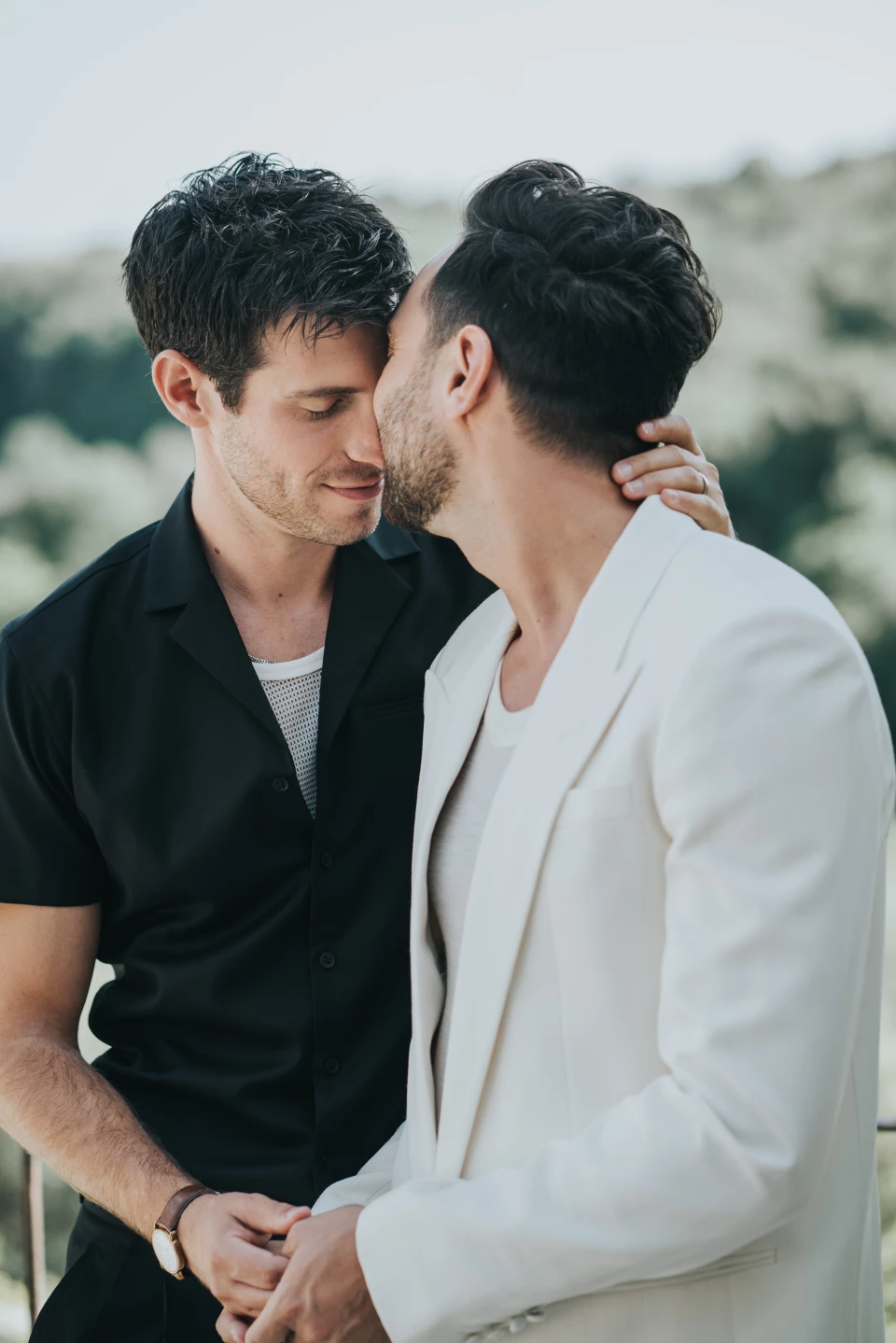
TLDR: You are not a model. Neither is your partner. Nobody expects you to be, and the best wedding photos do not look "posed" at all. They look like a photographer happened to capture a perfect moment between two people in love. The secret: professional photographers use subtle direction (not stiff posing) to put you in positions where natural, beautiful moments happen. ThePerfectWedding.com's photography experts share the specific techniques that photographers use, the body awareness tips that make everyone look better in photos, and the mindset shift that transforms "I hate how I look in photos" into "I cannot believe that is us."
Key Facts at a Glance
- 80% of couples say they feel awkward posing for photos. This is universal and your photographer expects it (Source: The Knot, 2025)
- The best wedding photos come from directed moments, not rigid poses: the photographer suggests an action and captures what happens naturally (Source: WeddingWire)
- Movement and interaction between the couple produces better photos than standing still (Source: Brides.com)
- The engagement session is the best rehearsal for wedding day photos because it builds comfort with the photographer and the camera (Source: Zola)
- See our shot list guide for the moments your photographer will capture

The Mindset Shift: Directed Moments, Not Poses
What your photographer is actually doing
Modern wedding photography is not "stand here, look there, smile." A skilled photographer gives you prompts and actions that create genuine moments they then photograph. The difference:
- Old school pose: "Stand facing me, put your hand on his shoulder, tilt your head, smile." Result: stiff, forced, yearbook photo
- Modern direction: "Walk toward me holding hands, and whisper something that will make her laugh." Result: natural, joyful, candid-looking photo that is actually carefully directed
Your job is not to create the perfect pose. Your job is to follow your photographer's prompts and focus on your partner. The photographer handles the rest.
Common prompts photographers use
Knowing these in advance helps you relax when you hear them on the day:
- "Walk toward me slowly" - creates natural movement and connection
- "Whisper something only they can hear" - creates intimate, close expressions
- "Tell each other your favorite thing about today" - creates genuine smiles and emotional expressions
- "Forehead to forehead, close your eyes" - creates the intimate, quiet moment photo
- "Twirl/dip" - creates dynamic, playful images with dress movement
- "Look at each other and just breathe for a moment" - creates the calm, connected portrait
- "Walk away from me, hold hands, and do not look back" - creates the romantic walking-into-the-sunset shot

Body Awareness Tips That Make Everyone Look Better
Universal tips (for everyone)
- Turn your body slightly (30 to 45 degrees) from the camera rather than facing it straight-on. A slight angle is universally more flattering than a square-on stance
- Shift your weight to your back foot. This creates a natural, relaxed posture and prevents the "rigid soldier" look of equal weight on both feet
- Relax your shoulders down and back. Tension lives in the shoulders, and raised shoulders in photos look stiff and uncomfortable. Before each photo moment, consciously drop your shoulders
- Keep a tiny gap between your arm and your body. Arms pressed flat against the torso look wider in photos. A small space (even an inch) creates definition
- Chin slightly forward and down. This defines the jawline and eliminates the double-chin effect that overhead lighting can create. Think "turtle neck" (extending the chin forward gently), not "looking down"
- Genuine smile vs. forced smile: a forced smile shows only in the mouth. A genuine smile shows in the eyes (crow's feet, eye crinkle). Think about something that makes you genuinely happy (your partner, a funny memory, how excited you are) rather than trying to arrange your mouth into a smile shape

Dress-specific tips
For partners wearing a wedding dress or gown:
- Know your angles: most dresses photograph best from a three-quarter angle (turned slightly) rather than straight-on. Practice in front of a mirror before the wedding
- Movement creates magic: walking, twirling, and fabric catching the wind produce the dramatic dress photos you see on Pinterest. Stand still and the dress is just fabric. Move and it comes alive
- Hold the bouquet at waist level or slightly below (not at chest level, which hides the dress bodice and shortens the torso visually)
- Posture is everything in a fitted dress: stand tall, engage your core, and lengthen your spine. A slight arch in the lower back creates an elegant silhouette in fitted and mermaid styles
Suit-specific tips
For partners wearing a suit or tux:
- Button the jacket for standing photos, unbutton for sitting. A buttoned jacket creates a clean, polished silhouette. An unbuttoned jacket when sitting prevents pulling and bunching
- One hand in pocket (thumb out, fingers in) is a natural, relaxed hand position that looks effortless in photos. Both hands in pockets looks too casual. Both hands at sides looks awkward
- Pull the jacket down slightly at the back before each photo. Suit jackets ride up and create a bunched look at the collar. A quick tug keeps the lines clean
- Check the tie and collar in between photo locations. Wind, movement, and embraces shift everything. A crooked tie in 50 photos is a fixable regret

Couple Posing: Connection Over Perfection
Physical connection techniques
- Forehead to forehead: intimate, emotional, works for every couple. Close eyes for an introspective moment or look at each other for a connected moment
- Hand on face/cheek: one partner cups the other's face gently. Tender, romantic, and creates a close-up frame for both faces
- Walking and talking: hold hands and walk toward or away from the camera while talking naturally. The photographer captures the in-between moments of genuine interaction
- The lift or dip: dramatic, joyful, and creates dynamic images. Only attempt if both partners are comfortable and physically able. Practice before the wedding day (not in the dress for the first time)
- The from-behind embrace: one partner stands behind the other, arms wrapped around, both looking in the same direction. Romantic, protective, and universally flattering
- Sitting together: on a bench, on steps, on a blanket, on the ground. Sitting creates a different energy than standing: more relaxed, more intimate, more conversational. Excellent for couples who feel awkward standing
What to do with your hands
The eternal photo question. Options that always work:
- Hold your partner's hands (both hands, one hand, interlocked fingers)
- Rest on your partner's chest, waist, or shoulder
- Hold your bouquet (at waist level)
- One hand in pocket (casual shots)
- Adjusting your partner's tie, collar, or hair (creates a tender, intimate action shot)
- Cupping your partner's face
What NOT to do: let arms hang limply at your sides (looks awkward in every photo), clasp hands together in front of your body (the "fig leaf" pose looks uncomfortable), or grip your partner with tense, claw-like hands (relax your fingers).

Group Photo Tips
Wedding party photos
- Stagger heights: not everyone standing in a straight line at the same height. Have some people sit, some stand, some lean on a railing. Variation creates a dynamic, interesting group image
- Physical connection between people: arms around each other, linked arms, hands on shoulders. A group with physical contact looks warm and connected. A group standing 2 feet apart looks like strangers at a bus stop
- A genuine reaction photo: after the posed group shot, the photographer should say "Okay, now everyone yell and jump" or "Group hug." The candid reaction immediately after produces the photo that actually gets framed
Expert Tip: "The secret to great wedding photos is not how you look. It is how you feel. Every time I see a couple worried about their angles, their chin position, and their arm placement, the photos look tense and self-conscious. Every time I see a couple who forgets the camera exists because they are focused on each other, the photos look like a magazine editorial. The best thing you can do for your wedding photos is not practice poses in the mirror. It is practice being present with your partner. Look at them. Talk to them. Touch them. Laugh with them. The camera will capture what the photographer sees: two people in love who forgot anyone was watching."
Sarah Glasbergen, Founder at ThePerfectWedding.com

Frequently Asked Questions
What if I genuinely hate photos of myself?
Three things will help: First, book a photographer whose portfolio shows people who look like you (similar body type, similar style) looking beautiful. This proves their ability to photograph your body type flatteringly. Second, do the engagement session to build comfort and see how the photographer captures you specifically. Third, communicate your insecurities privately to your photographer before the wedding: "I am self-conscious about X." Good photographers have techniques for every concern and will protect you without making it obvious.
How do we look natural when we feel anything but natural?
Focus on your partner, not the camera. When the photographer says "look at each other," actually look into your partner's eyes and think about why you love them. When they say "whisper something," actually whisper something real (funny, loving, or silly). The authenticity shows in your expression. Fake interaction produces fake-looking photos. Real interaction produces real-looking photos, even in a directed setting.
Should we practice poses before the wedding?
Practice comfort, not poses. Stand in front of a mirror together and notice what feels natural: how you hold hands, where your arms rest, which side you naturally stand on. This awareness helps on the wedding day. But do not memorize specific poses from Pinterest. Your photographer will direct you based on the light, the location, and your specific body language, which no Pinterest board can predict.
What about photos with height differences?
Height differences are beautiful, not problems to solve. A skilled photographer uses angles, positioning (sitting vs. standing, one partner on a step), and close-up framing to create variety. The forehead-kiss, the looking-up-at-each-other, and the side-by-side walking shot all highlight height difference as a charming element of your unique partnership, not a flaw to hide.
How do we handle family members who want to direct photos?
Politely and firmly defer to your photographer. Well-meaning parents and relatives who shout "Take one with my phone!" or "Move closer together!" during the formal session disrupt the photographer's workflow and create confusion. Brief your family in advance: "Our photographer will direct all formal photos. Please enjoy the moment and we will share the professional images with you." Your family wrangler should manage any overenthusiastic relatives.
More photography guides on ThePerfectWedding.com: Shot list, Engagement photos, Boudoir guide, Day-after session, Album design, Photo booth ideas, and more. See our how to choose a photographer, film vs digital, and drone photography guides. Find photographers on our vendor directory.


