Who Pays for the Engagement Ring? Tradition, Cost, and Budget
Who pays for the engagement ring, what couples really spend in 2026, the truth about the salary rule, and how to budget.

by Sarah Glasbergen on 28 June 2026
Web editor
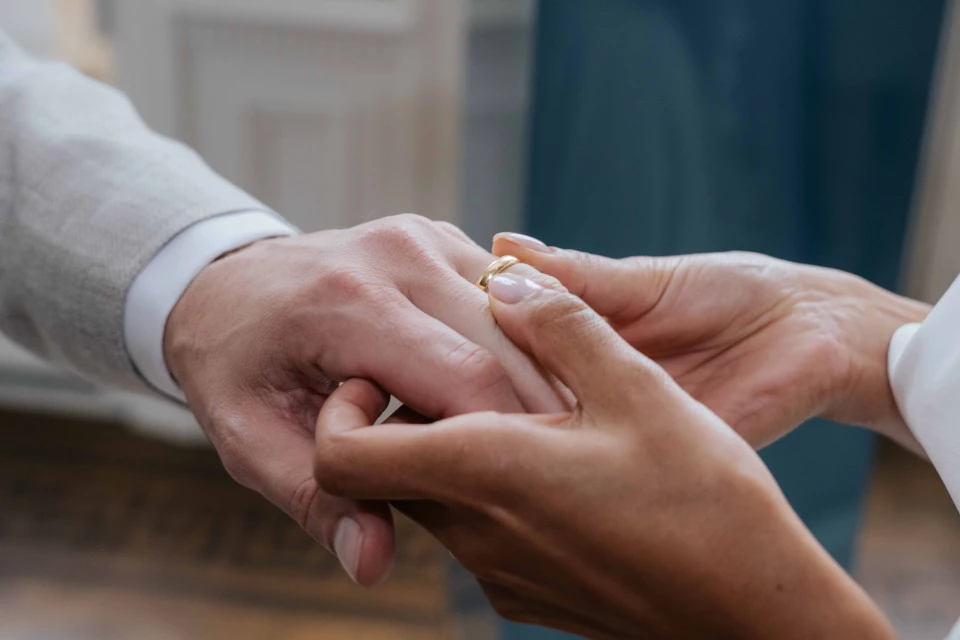
TLDR: Traditionally, the person proposing pays for the engagement ring, though many modern couples now choose and fund it together. The average US engagement ring costs about $5,500 to $6,500 in 2026, but most couples spend less, with about two-thirds under $6,000. The old three months' salary rule is outdated marketing. Below we break down who pays, what couples really spend, and how to budget wisely.
The engagement ring is often the first big wedding-related purchase, and it comes loaded with outdated rules. The honest modern picture is more flexible and more affordable than the marketing suggests. ThePerfectWedding.com pulled the current figures and norms so you can budget with clarity, and paired them with our guide to choosing an engagement ring.
Key Facts at a Glance
- The average US engagement ring is about $5,500 to $6,500 in 2026 (Source: multiple 2026 surveys)
- About 64% of couples spend under $6,000, and a third under $3,000 (Source: BriteCo / The Knot, 2026)
- The three months' salary rule is outdated 1930s De Beers marketing (Source: industry history)
- Lab-grown diamond rings average about $5,200 versus $10,000+ for natural (Source: 2026 jeweller data)
- Traditionally the proposer pays, but many couples now choose and fund the ring together (Source: wedding etiquette, 2026)
Who Pays for the Engagement Ring?
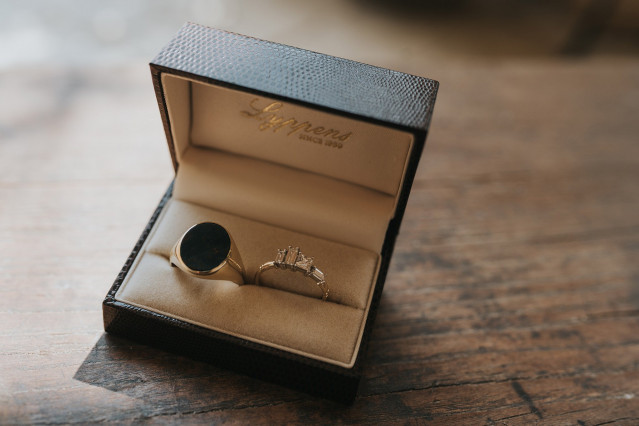
By tradition, the person proposing buys and pays for the engagement ring. Historically that was the groom, often purchasing it as a surprise. Today the picture is far more varied: many couples shop for the ring together so it suits the wearer's taste, and plenty split the cost or fund it jointly from shared savings. There is no single correct answer anymore, only what feels right for your relationship. For help selecting it, see our engagement ring guide.
How Much Should You Spend on an Engagement Ring?
Despite the persistent myth, there is no required amount. The average sits around $5,500 to $6,500, but averages are skewed by a small number of very large purchases, so the median is more useful. Here is what couples actually spend.
| Spend range | Share of couples |
|---|---|
| Under $3,000 | About 33% |
| Under $6,000 | About 64% |
| $10,000 to $14,999 | About 8% |
| Over $15,000 | About 5% |
The takeaway: most couples spend well under the headline average. Base your budget on your actual finances and future goals, not a salary rule. Slot it into our wedding budget breakdown alongside everything else.
Is the Three Months' Salary Rule Real?
No. The idea that you should spend two to three months' salary on a ring was invented by the De Beers diamond company's marketing department in the 1930s, not by any financial advisor. Following it literally would mean spending around $15,000 for a median US earner, far more than most couples spend or should spend. Modern guidance is simple: choose an amount you can comfortably afford without debt, taking your other goals, like a home or the wedding itself, into account.
How Can You Get a Beautiful Ring for Less?
A jeweller can help you maximise the ring within any budget. The biggest levers:
- Consider a lab-grown diamond. Chemically identical to natural and 50 to 80 percent less, it is the single biggest saving available.
- Buy just under whole carat weights. A 0.90 carat looks nearly identical to a 1.00 carat for noticeably less.
- Prioritise cut. An excellent cut delivers more sparkle than chasing size or clarity.
- Explore gemstone alternatives. Sapphires, moissanite, and morganite are striking and budget-friendly.
- Work with a trusted jeweller. A good jeweller helps you balance the stone, metal, and setting for the best value.
Don't Forget the Wedding Bands
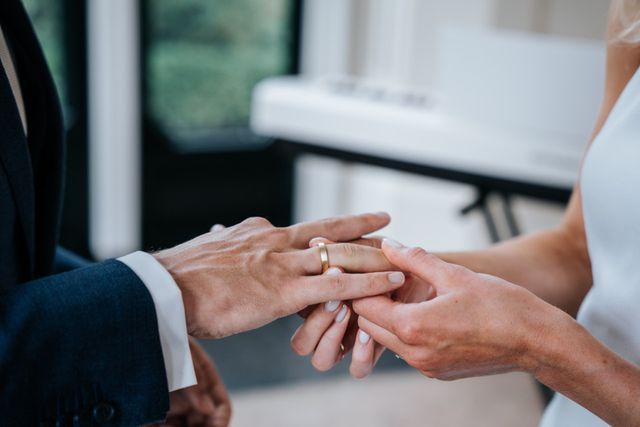
A common mistake is spending the entire budget on the engagement ring and getting sticker shock when wedding bands come up six to twelve months later. Plan for both from the start: jewellers suggest setting aside roughly $1,800 to $3,000 for the two bands combined in 2026. Buying the engagement ring and bands from the same jeweller can also make matching and sizing easier. Browse wedding ring vendors on ThePerfectWedding.com to compare.
Should You Shop for the Ring Together or as a Surprise?
Both approaches work, and neither is more correct. A surprise proposal carries a certain romance, but it risks the wrong size, style, or taste. Shopping together guarantees the ring suits the person who will wear it every day, which is why more couples now do it. A popular middle path is to propose with a simple placeholder and choose the final design together afterward, or for one partner to share a wishlist of styles they love so the proposal stays a surprise but the ring still fits their taste. Our engagement ring guide walks through the options.
How Far in Advance Should You Buy the Ring?
Give yourself time. Most jewellers recommend starting at least three months before you plan to propose, which allows for shopping, comparing, customisation, and sizing without rushing. A fully custom design needs longer, often several weeks of design and production on top of that. Starting early also means more options and less pressure, and it gives you room to set aside a dedicated budget rather than scrambling. If you are ordering a custom setting or a specific lab-grown stone, build in extra lead time so everything is ready for the moment.
Who Pays for the Wedding Bands?
The wedding bands are a separate purchase from the engagement ring, and tradition holds that each partner buys the other's band, or that the couple pays for both together from shared funds. Plan for them from the start rather than treating them as an afterthought, since jewellers suggest budgeting roughly $1,800 to $3,000 for the pair in 2026. Buying the bands from the same jeweller as the engagement ring makes matching the metal and style far easier. Compare options among wedding ring vendors on ThePerfectWedding.com.
Does Where You Live Affect Ring Cost?
It can, noticeably. Average ring spending runs higher in some states, with Washington, California, and Illinois among the priciest, driven by local incomes and cost of living. But geography should not set your budget. The smartest figure is the one that fits your own finances and future goals, regardless of what couples in your area happen to spend. A trusted jeweller can help you get the most beautiful ring possible for whatever number is right for you.
Whoever pays and however you shop, the most important thing is that the decision feels right for the two of you. A ring is a symbol, not a scoreboard, and the couples who feel best about the purchase are the ones who chose an amount and a style that reflect their own values rather than anyone else's expectations. Spend with confidence at whatever level fits your life, and let the meaning matter more than the measurements.
“Forget the three months' salary rule, it was always a marketing slogan. What matters is choosing a ring you love at a price that does not compromise your future together. Lab-grown diamonds have completely changed the math, putting a stunning ring within reach at every budget. And whoever pays, more couples are shopping together now, which means the ring actually suits the person wearing it. That is a tradition worth keeping.”
Sarah Glasbergen, Founder ThePerfectWedding.com
-
Who pays for the engagement ring?
Traditionally the person proposing pays for the engagement ring, historically the groom. Today many couples choose and fund the ring together, or split the cost from shared savings.
-
How much does an engagement ring cost?
The average US engagement ring is about $5,500 to $6,500 in 2026, but that figure skews high. About 64% of couples spend under $6,000 and a third under $3,000.
-
Is the three months' salary rule real?
No. It was invented by the De Beers diamond company's marketing in the 1930s, not by financial advisors. Base your budget on your actual finances, not a salary rule.
-
Are lab-grown diamonds cheaper?
Yes, significantly. Lab-grown diamonds are chemically identical to natural ones and cost 50 to 80 percent less, averaging about $5,200 versus $10,000 or more for natural.
-
How can I get a nice ring for less?
Consider a lab-grown diamond, buy just under whole carat weights, prioritise an excellent cut, explore gemstone alternatives, and work with a trusted jeweller to balance the elements.
-
How much should I budget for wedding bands?
Plan for roughly $1,800 to $3,000 for both bands combined in 2026, and set this aside from the start so the bands do not come as a surprise after the engagement ring.
Find the Perfect Ring with ThePerfectWedding.com
Start with our guide to choosing an engagement ring, then browse wedding ring and jewellery vendors on ThePerfectWedding.com. Keep the spend in proportion with our wedding budget breakdown.
The bottom line on the engagement ring: tradition says the proposer pays, but many couples now choose and fund it together, which is a tradition worth embracing. Ignore the three months' salary myth, spend an amount that fits your real finances, and let lab-grown diamonds and a good jeweller stretch your budget. Plan for the wedding bands from the start, and keep the ring in proportion to the rest of your wedding budget. The right ring is the one that fits your love and your life, not a marketing slogan.


