Wedding Reception Timeline: Order of Events and Sample Schedule
Wedding reception timeline: the order of events, a sample schedule, how long each part lasts, and how to keep the energy up.

by Sarah Glasbergen on 28 June 2026
Web editor
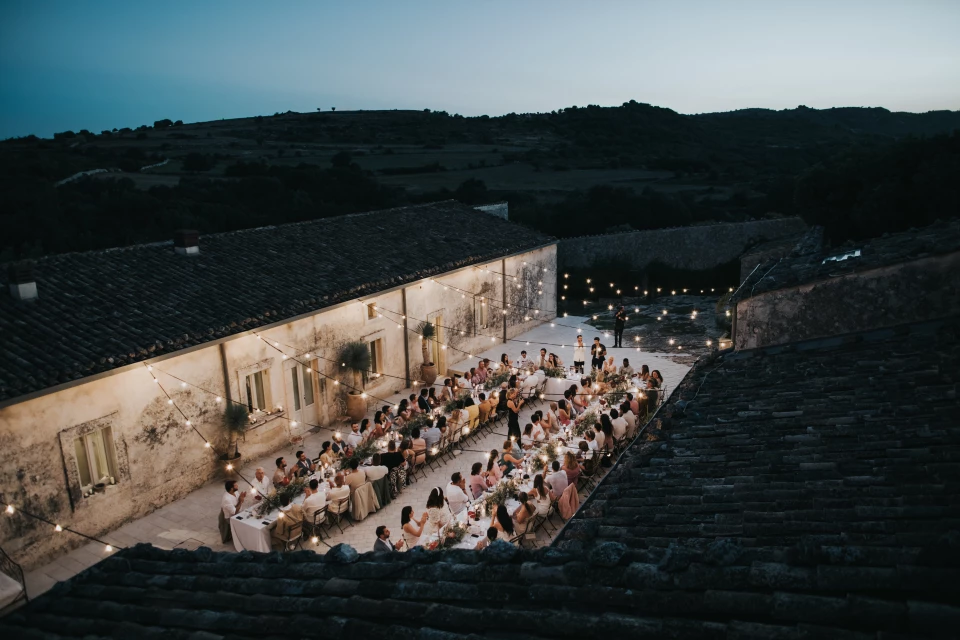
TLDR: A typical wedding reception runs 4 to 5 hours and follows a familiar order: grand entrance, first dance, welcome toast, dinner, speeches, parent dances, cake cutting, open dancing, and the send-off. Building a clear timeline with your venue, caterer, and DJ or band keeps the night flowing and the dance floor full. Below is a sample reception timeline and how to build your own.
The reception is the celebration your guests remember, and a well-planned timeline is what makes it feel effortless. Get the order and pacing right and the energy never dips. ThePerfectWedding.com built a clear template so your reception flows, and paired it with our full wedding day timeline template.
Key Facts at a Glance
- A typical wedding reception runs 4 to 5 hours (Source: industry data, 2026)
- Dinner usually begins within 30 minutes of the grand entrance (Source: industry advice, 2026)
- Toasts are kept to a few minutes each to maintain energy (Source: industry advice, 2026)
- Open dancing fills the largest block of the reception (Source: industry advice, 2026)
- Your DJ or band coordinates the timeline with your venue and caterer (Source: industry advice, 2026)
What Is the Order of a Wedding Reception?
Most receptions follow a tried-and-true flow that balances eating, speeches, and dancing. After cocktail hour, guests are seated and the couple makes a grand entrance, often straight into the first dance. A welcome toast leads into dinner, followed by speeches, parent dances, and the cake cutting, then the floor opens for dancing until the send-off. The order can flex, some couples dance first, others save it for after dinner, but the rhythm of eat, celebrate, dance holds. Map it against our wedding day timeline template.
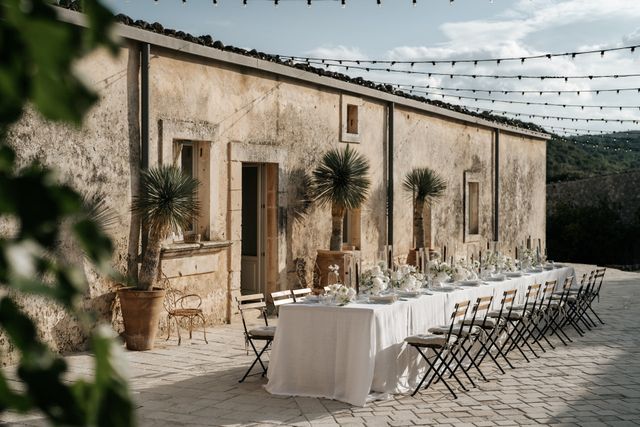
Sample Wedding Reception Timeline
Here is a sample 5-hour reception timeline you can adapt to your day.
| Time | Event |
|---|---|
| 6:00 pm | Grand entrance and first dance |
| 6:15 pm | Welcome toast, then dinner served |
| 7:15 pm | Speeches and toasts |
| 7:45 pm | Parent dances and cake cutting |
| 8:00 pm | Open dancing |
| 10:45 pm | Last dance and send-off |
How Long Should Each Part Last?
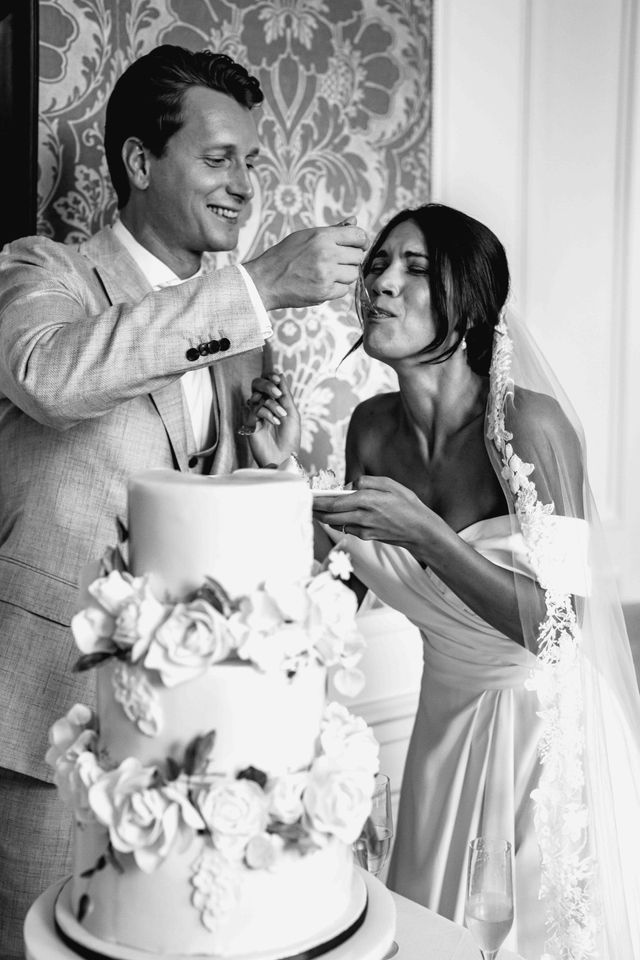
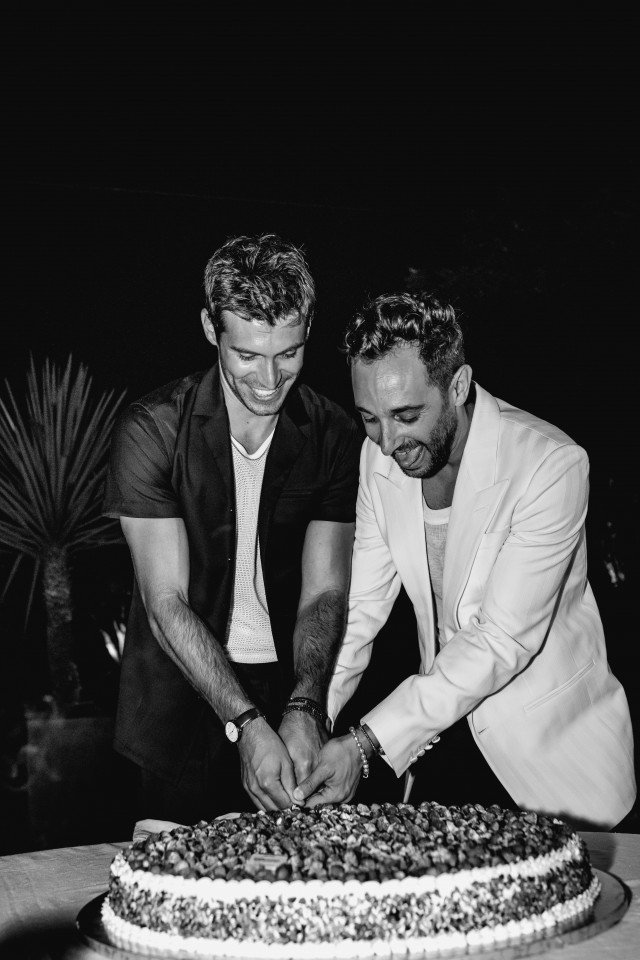
Pacing keeps the energy up. Aim to start dinner within about 30 minutes of the entrance so guests are not waiting hungry, keep each toast to a few minutes so speeches do not drag, and protect the largest block of the night for open dancing. Cake cutting takes just a few minutes and often signals the shift into the party. Building a first dance and key moments into the plan ensures nothing important gets rushed or forgotten.
How Do You Keep the Energy Up?
A few choices keep your reception from dragging:
- Limit speeches. A few short, heartfelt toasts beat many long ones.
- Cluster the formalities. Group dances, toasts, and cake so dancing is not interrupted.
- Feed your vendors on time. A well-timed vendor meal keeps your DJ and photographer sharp.
- Trust your DJ or band. Let them read the room and adjust the music and pace.
- Leave buffer time. A little slack absorbs the inevitable delays.
Who Builds the Reception Timeline?
It is a team effort. Your DJ or band typically drives the reception timeline, since they MC and cue each moment, working closely with your venue and caterer on meal service and your photographer on coverage. Your planner or coordinator ties it all together. Your job is to set your priorities and share the fixed points. Lock the timeline a couple of weeks out and distribute it to every vendor. Browse DJs and bands on ThePerfectWedding.com who manage receptions smoothly.
Where Does Cocktail Hour Fit In?
Cocktail hour bridges your ceremony and reception, typically lasting about an hour while the couple takes photos and the reception space is set or reset. Keep guests happy with drinks, passed appetisers, and light entertainment such as a guitarist, a saxophonist, or lawn games. A lively cocktail hour carries momentum straight into the grand entrance, so it is worth planning rather than leaving as dead time between the two main events.
When Do Special Dances and the Bouquet Toss Happen?
The parent dances usually follow the first dance or come just before open dancing, while optional traditions like the bouquet toss fit naturally into the dancing block. The key is to cluster these formalities so you are not repeatedly stopping the party. Your DJ or band will cue each one. Build your first dance and special dance songs into the plan early so the right tracks are ready at the right moment.
How Do You Plan the Send-Off?
A send-off gives your reception a memorable finale, a sparkler tunnel, ribbons, or a petal toss as you exit. The main thing to plan is timing: a true end-of-night send-off needs your photographer still on the clock, so if their coverage ends earlier, consider a staged early exit to capture the shot. Coordinate the moment with your venue, your DJ or band, and your photographer so everyone is ready and the guests are gathered.
How Do You Build Your Own Reception Timeline?
Start from two anchors: when dinner is served and when your reception must end. Slot the grand entrance, first dance, toasts, and cake around the meal, then protect the rest for dancing, adding 10 to 15 minutes of buffer between segments. Share the draft with your venue, caterer, and DJ or band so they can flag any conflicts. Our wedding day timeline template gives you a full-day framework to build from.
How Do You Time the Reception Around Sunset?
If golden-hour photos matter to you, build a short break into the reception near sunset so your photographer can steal the couple away for a few minutes in the best light. For outdoor receptions, sunset also shapes when you will want lighting in place and how dinner is lit. Check the exact sunset time for your date and coordinate it with your photographer and your DJ or band. Our wedding day timeline template helps you place it.
What Are Common Reception Timeline Mistakes?
A few errors derail more receptions than any others. Starting dinner too late leaves guests hungry and restless; allowing too many or too-long speeches drains the energy; scattering the formalities across the night repeatedly interrupts dancing; and building a timeline with no buffer means one delay cascades into all of it. Avoid these by serving dinner promptly, capping speeches, clustering the formal moments, and padding the schedule, and your reception will flow effortlessly from start to finish.
Finally, remember that the timeline is a guide, not a straitjacket. Lock in the key moments and the meal service, but leave room for the night to breathe and for spontaneous fun to happen. The best receptions feel relaxed precisely because the structure underneath them is solid, freeing you to simply enjoy your own party from the first dance to the last song.
“A great reception is all about pacing. Start dinner promptly, keep the toasts short and sweet, cluster the formalities so you are not stopping the party every fifteen minutes, and then protect a long, uninterrupted block for dancing. Hand a clear timeline to every vendor, then trust your DJ or band to read the room. Do that, and the night flies by in the best possible way.”
Sarah Glasbergen, Founder ThePerfectWedding.com
-
What is the order of a wedding reception?
Typically: grand entrance, first dance, welcome toast, dinner, speeches and toasts, parent dances, cake cutting, open dancing, and the send-off. The order can flex to your preferences.
-
How long is a wedding reception?
Most receptions run 4 to 5 hours, from the grand entrance through the send-off, with open dancing taking up the largest block of time.
-
When should we cut the cake?
Often right after the parent dances and before open dancing, since the cake cutting is a quick few minutes that signals the shift into the party portion of the night.
-
How long should wedding toasts be?
Keep each toast to a few minutes. A handful of short, heartfelt speeches keeps the energy up far better than many long ones.
-
Should the first dance be at the start or after dinner?
Either works. Many couples dance immediately after the grand entrance to capture the moment, while others save it for after dinner to open the dancing. Your DJ can help you decide.
-
Who creates the reception timeline?
Your DJ or band usually drives it as MC, coordinating with your venue, caterer, and photographer, while your planner or coordinator ties everything together.
Plan Your Reception with ThePerfectWedding.com
Use our wedding day timeline template, line up your first dance song, then browse DJs and bands on ThePerfectWedding.com to run it all smoothly.
The bottom line on the wedding reception timeline: follow the proven flow of entrance, first dance, dinner, toasts, cake, and dancing, keep the pacing tight, and protect a long block for the dance floor. Build it with your DJ or band, venue, and caterer, share it with every vendor, and leave buffer time. Get the rhythm right and the night runs itself. Browse entertainment on ThePerfectWedding.com to keep your reception flowing.


