Wedding Boutonnieres: Who Wears Them, Styles, and Costs
Wedding boutonnieres guide: who wears them, the difference from corsages, styles, costs, and how to pin one.

by Sarah Glasbergen on 28 June 2026
Web editor
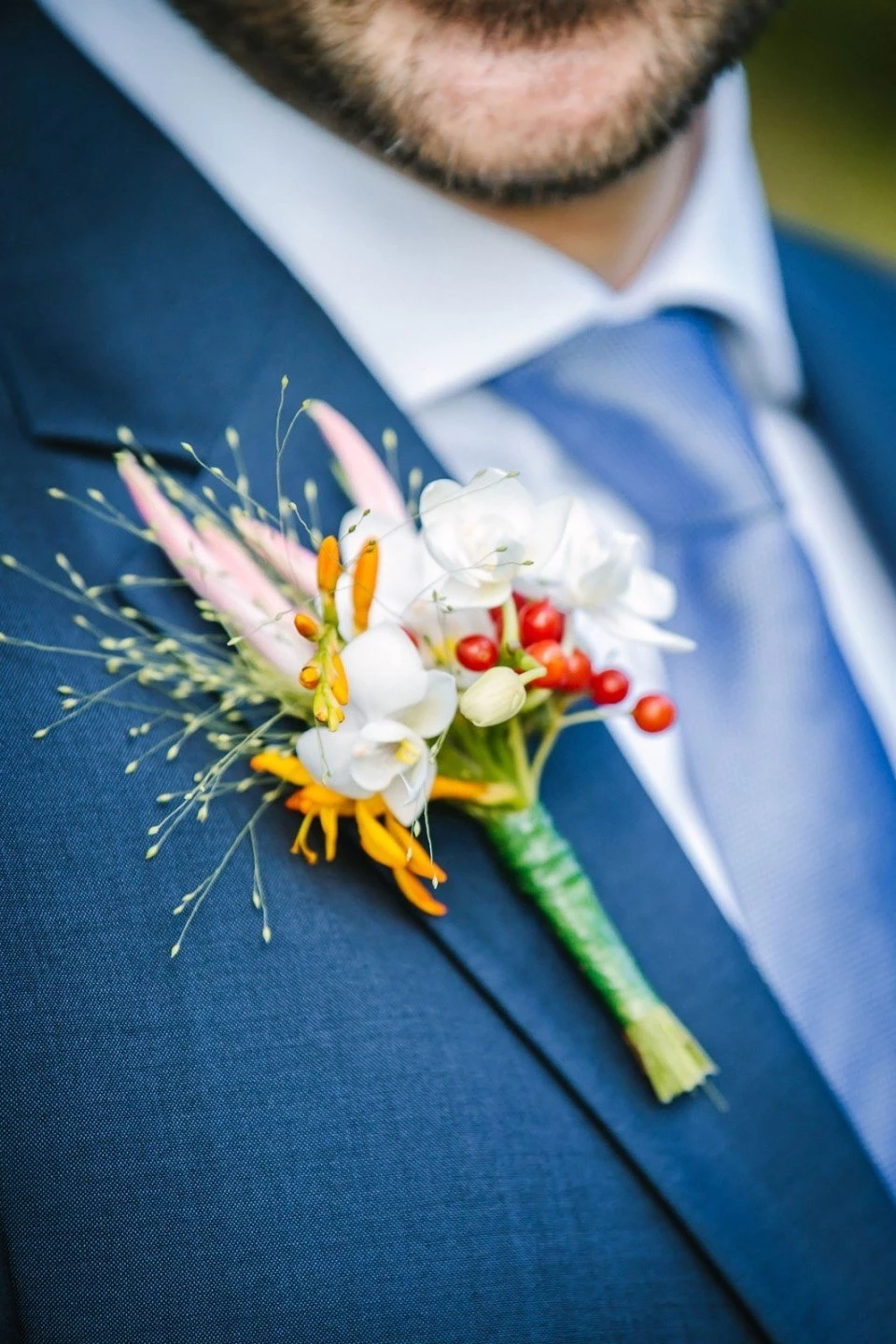
TLDR: A boutonniere is a small floral accessory worn on the left lapel by the groom, groomsmen, fathers, and the ring bearer, while corsages (pinned or worn on the wrist) go to mothers and grandmothers. Boutonnieres usually feature a single bloom with greenery, coordinated with the bouquet, and cost $10 to $30 each. Corsages run $35 to $50. Below we cover who wears what, styles, and how to plan them with your florist.
Boutonnieres and corsages are small but meaningful, marking out the key people in your celebration. Knowing who wears them and how to coordinate them keeps the look polished. ThePerfectWedding.com pulled the etiquette and styles, and paired them with our bouquet ideas and trends.
Key Facts at a Glance
- Boutonnieres are worn on the left lapel (Source: tradition)
- The groom, groomsmen, and fathers wear boutonnieres (Source: industry advice, 2026)
- Mothers and grandmothers wear corsages (Source: industry advice, 2026)
- Boutonnieres cost $10 to $30 each (Source: industry data, 2026)
- Corsages cost $35 to $50 each (Source: industry data, 2026)
What Is a Boutonniere?
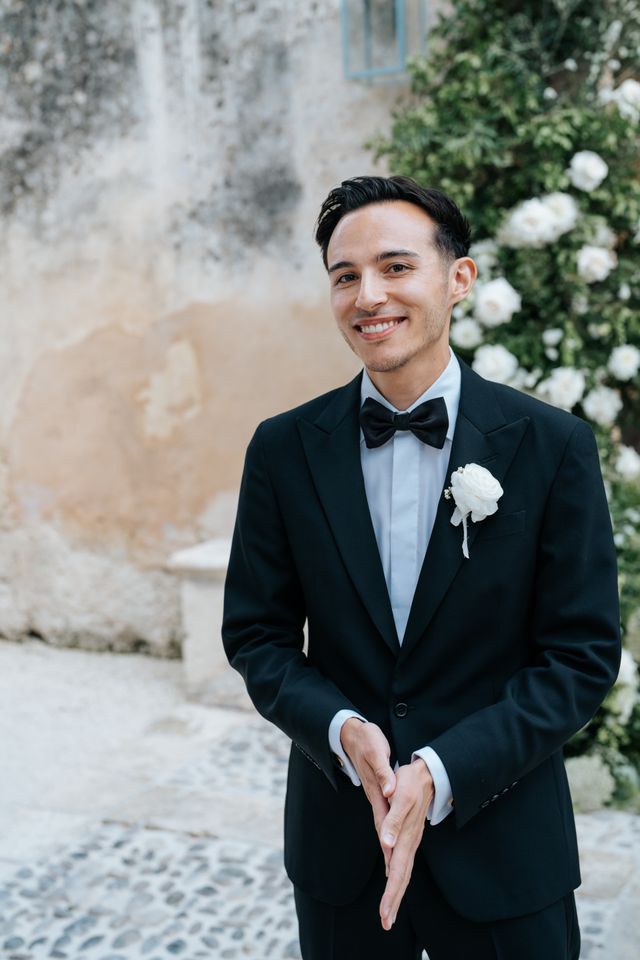
A boutonniere is a small floral arrangement, usually a single bloom with a touch of greenery, worn on the left lapel of a suit or tuxedo. It is the counterpart to the bouquet and is typically coordinated with it, echoing a flower or color from the bridal flowers. Boutonnieres mark the groom and the key men in the wedding. Coordinate the look with our bouquet ideas and trends so everything ties together.
Who Wears a Boutonniere or Corsage?
Here is who traditionally wears wedding flowers.
| Person | Flower |
|---|---|
| Groom | Boutonniere (often distinct) |
| Groomsmen | Boutonniere |
| Fathers and grandfathers | Boutonniere |
| Ring bearer | Small boutonniere |
| Mothers and grandmothers | Corsage |
What Is the Difference Between a Boutonniere and a Corsage?
Both are personal flowers, but they differ in form and who wears them:
- Boutonniere. A single bloom pinned to the left lapel, worn by the men.
- Corsage. A larger cluster, pinned to the dress or worn on the wrist.
- Who wears them. Boutonnieres for the men, corsages for mothers and grandmothers.
- The groom's boutonniere. Often slightly distinct to set him apart.
- Coordination. Both echo the bouquet's flowers and palette.
How Do You Choose Boutonniere Styles?
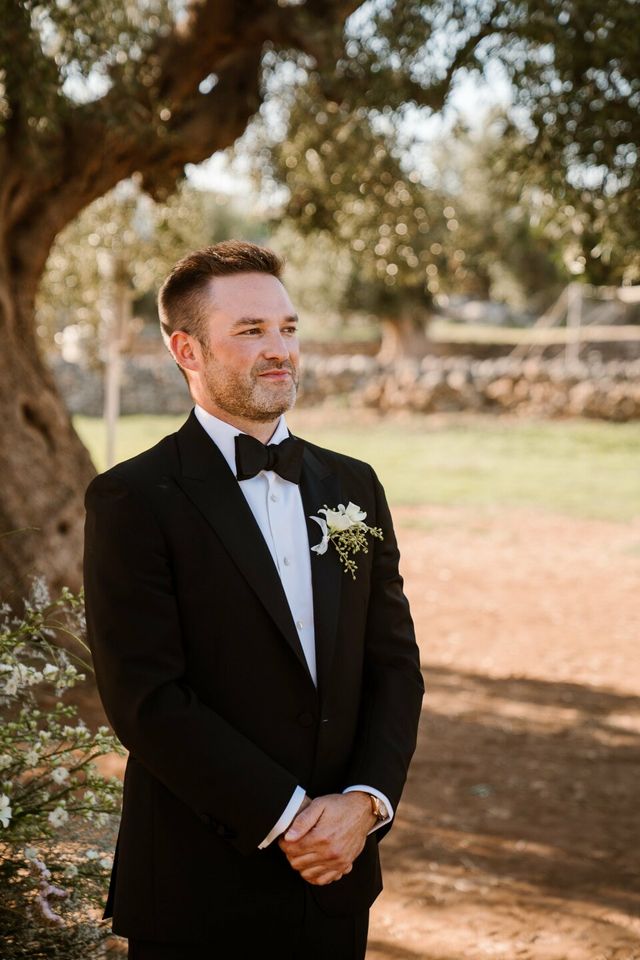
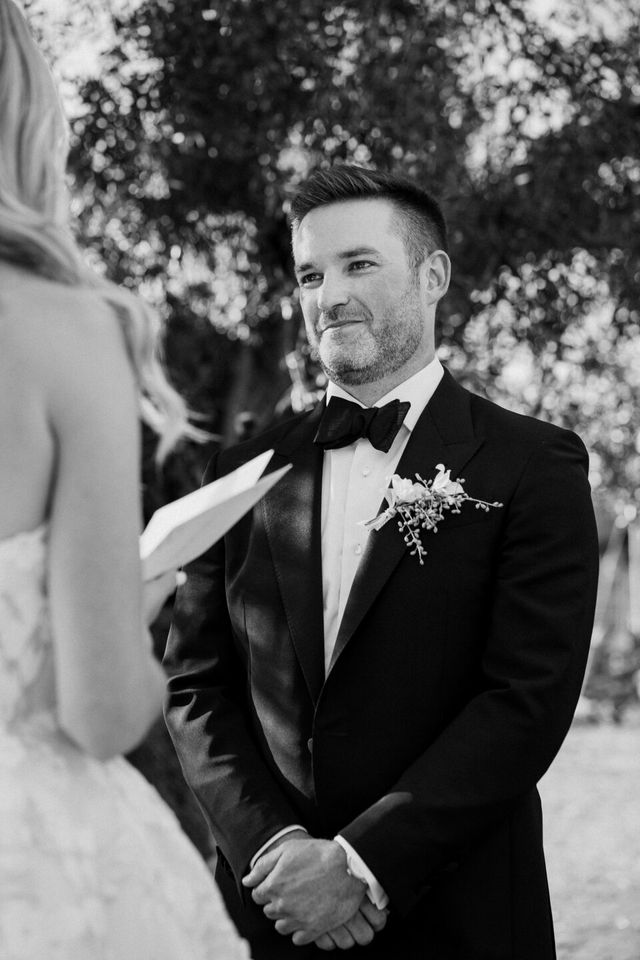
Coordinate boutonnieres with your bouquet and palette, choosing a hardy bloom that holds up through the day, such as a rose, ranunculus, or a sprig of greenery. The groom's boutonniere is often made slightly larger or with a special flower to distinguish him. Keep them simple and secure. Your florist will design them as part of your personal flowers. Browse wedding florists on ThePerfectWedding.com to plan the full set.
How Much Do Boutonnieres and Corsages Cost?
Boutonnieres typically cost $10 to $30 each, while corsages run $35 to $50 because they use more flowers. A typical wedding needs around 5 to 8 boutonnieres and 2 to 4 corsages, so factor the per-person cost across everyone who will wear one. They are a small but real part of the floral budget. See how they fit the bigger picture in our flower budget guide.
How Do You Pin a Boutonniere?
Pin the boutonniere to the left lapel, stem pointing down, using a pearl-headed pin pushed from behind the lapel so the pin is hidden. Position it just below the lapel notch, centered on the lapel. If your venue or florist offers magnetic fasteners, they avoid pinholes on delicate fabrics. Have the florist or a coordinator demonstrate so it is done neatly and securely for photos and the ceremony.
How Many Boutonnieres Do You Need?
Count up everyone who will wear one before you order. A typical list includes the groom, the groomsmen, both fathers, grandfathers, and the ring bearer, and sometimes ushers, readers, or other honored guests. Most weddings need around five to eight boutonnieres plus two to four corsages. Make a simple list of names and roles so your florist knows exactly how many to prepare, and add a spare or two in case of a last-minute addition or a mishap before photos.
When Should Boutonnieres Be Delivered and Worn?
Boutonnieres and corsages are usually delivered on the wedding morning and should be kept cool until they are worn, ideally pinned on shortly before photos so they look fresh and crisp. Assign someone to distribute them and help with pinning, since not everyone knows how. Keeping them in a cool spot, out of direct sun, preserves them through the ceremony and reception. A little planning here prevents wilted blooms in your group photos.
What Are Modern Boutonniere Trends?
Boutonnieres have moved well beyond the single carnation. Popular looks now include greenery-forward designs, dried elements, a single statement bloom, and non-floral touches like herbs, wheat, berries, or thistle for texture. Many couples coordinate the groom's boutonniere with the bride's bouquet while giving groomsmen a simpler version. Keep them proportionate to the lapel. For current looks to echo, see our bouquet ideas and trends.
How Do You Keep Boutonnieres Fresh?
A few simple steps keep boutonnieres looking their best. Choose hardy blooms that tolerate handling, keep the flowers cool and lightly misted until they are worn, and avoid leaving them in a hot car or direct sun. Some florists finish stems with tiny water tubes or treat them to extend freshness. Pinning them on closer to the ceremony rather than first thing in the morning also helps. Your florist can advise on the sturdiest options for a long day.
Can You Personalize Boutonnieres?
Boutonnieres are a lovely place for a personal detail. You might pin on a small heirloom charm, a locket photo of a loved one, or a sprig of a meaningful herb, give the groom a distinct bloom to set him apart, or color-code different roles within the wedding party. Keep any addition small and secure so it does not overwhelm the flower or snag clothing. These quiet touches make the personal flowers feel even more meaningful.
What Are Corsage Styles: Wrist or Pin-On?
Corsages come in two main styles, and the choice is often left to the wearer. A pin-on corsage attaches to the dress or jacket, while a wrist corsage sits on an elastic or ribbon band around the wrist, which many mothers and grandmothers find easier and less likely to damage delicate fabric. Coordinate the corsage flowers and ribbon with the wider palette, and ask each wearer which style she prefers. As with boutonnieres, your florist designs them as part of the personal flowers for a cohesive look.
Small as they are, boutonnieres and corsages pull your wedding party together and honor the people who matter most. Plan the full list early, coordinate them with your bouquet through one florist, and make sure someone knows how to pin them, and these little flowers will look effortless all day.
“Boutonnieres and corsages are tiny details that do a lot of quiet work, they signal at a glance who the most important people are. Coordinate them with the bouquet so the whole party reads as one, give the groom something just a little different, and choose sturdy blooms that will survive hugs and heat. Let your florist make them as part of the personal flowers, and always have someone who knows how to pin them properly.”
Sarah Glasbergen, Founder ThePerfectWedding.com
-
Who wears a boutonniere?
The groom, groomsmen, fathers and grandfathers, and often the ring bearer wear boutonnieres on the left lapel. Mothers and grandmothers typically wear corsages instead, pinned to the dress or on the wrist.
-
What is the difference between a boutonniere and a corsage?
A boutonniere is a single bloom pinned to the left lapel, worn by the men. A corsage is a larger floral cluster, pinned to a dress or worn on the wrist, traditionally worn by mothers and grandmothers.
-
How much do boutonnieres cost?
Typically $10 to $30 each, depending on the flowers and design. Corsages cost more, around $35 to $50, because they use more blooms. A wedding usually needs 5 to 8 boutonnieres and 2 to 4 corsages.
-
Which side does a boutonniere go on?
The left lapel, stem pointing down, positioned just below the lapel notch. Pin it from behind the lapel with a pearl-headed pin so the pin stays hidden, or use a magnetic fastener on delicate fabric.
-
What flowers are best for boutonnieres?
Hardy blooms that hold up through the day, such as roses, ranunculus, spray roses, or a sprig of greenery, coordinated with the bouquet. The groom's is often slightly distinct to set him apart.
-
Do boutonnieres need to match the bouquet?
They should coordinate rather than match exactly, echoing a flower or color from the bouquet so the wedding party reads as one cohesive look. Your florist designs them as part of your personal flowers.
Plan Your Personal Flowers with ThePerfectWedding.com
Coordinate with our bouquet ideas and flower-saving guide, then browse wedding florists on ThePerfectWedding.com.
The bottom line on boutonnieres: they are worn on the left lapel by the groom, groomsmen, fathers, and ring bearer, while corsages go to mothers and grandmothers. Coordinate them with the bouquet, choose hardy blooms, and budget $10 to $30 each plus $35 to $50 per corsage. Let your florist design them as part of your personal flowers. Browse wedding florists on ThePerfectWedding.com to plan the set.


