Wedding Video Timeline Planning: How to Schedule Every Moment for the Best Film
Wedding video timeline guide: coverage hours, ceremony audio setup, golden hour scheduling, and photographer-videographer coordination.

by Sarah Glasbergen on 29 June 2026
Web editor
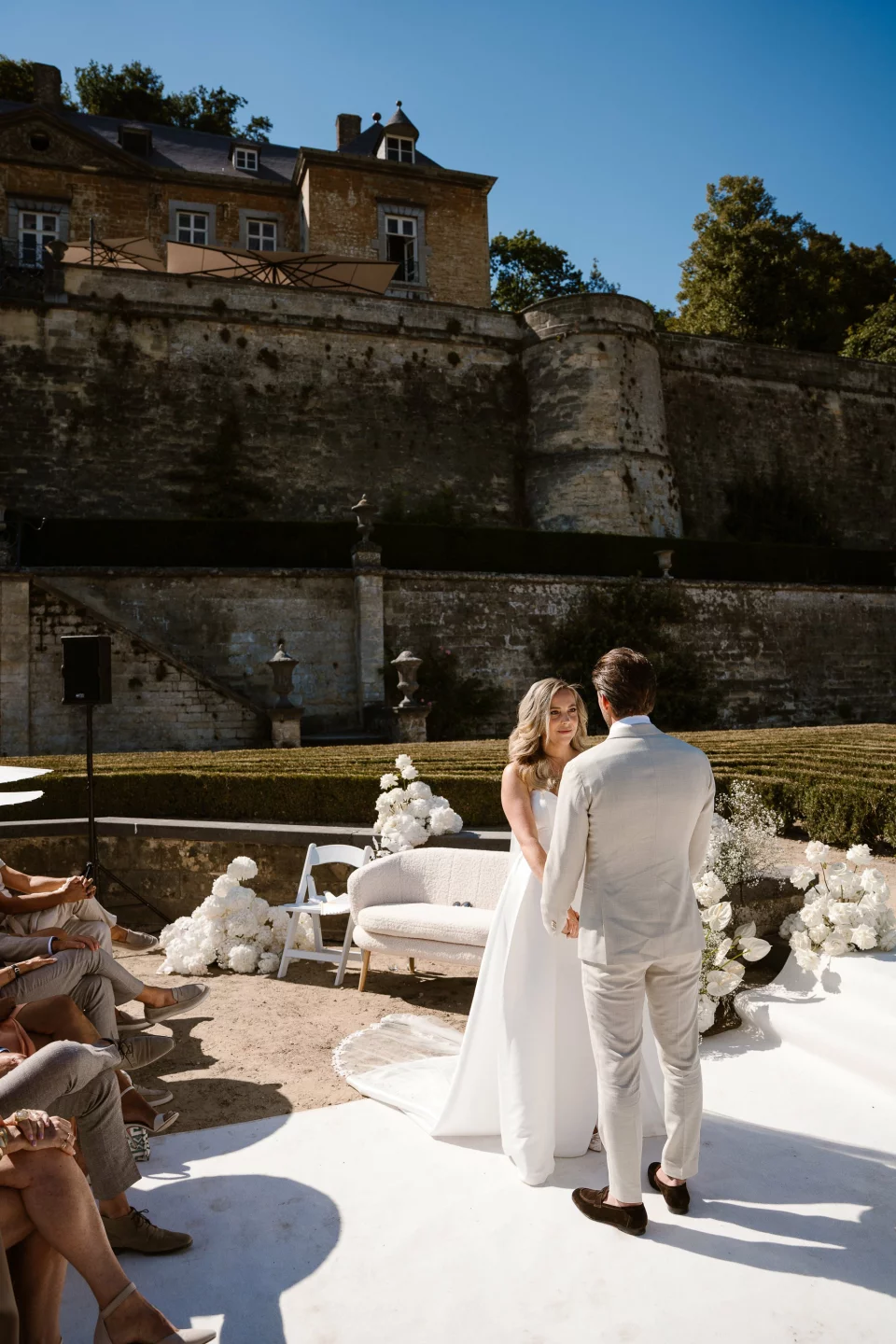
TLDR: Your wedding video quality depends as much on timeline planning as it does on the videographer you hire. A poorly timed schedule creates rushed footage, missed moments, and a stressed videographer working against the clock. A well-planned timeline gives your videographer the time and conditions to capture every important moment with the audio quality, lighting, and framing that make a wedding film worth watching for decades. ThePerfectWedding.com's experts explain how to build a videographer-friendly wedding day timeline with specific time allocations for every phase.
Key Facts at a Glance
- A videographer needs minimum 6 hours of coverage to capture getting ready through the first dance (Source: The Knot, 2025)
- The ceremony and speeches are the two moments that cannot be recreated if the videographer is not ready (Source: WeddingWire)
- Coordinating your video timeline with your photographer prevents conflicts and ensures complete coverage (Source: Brides.com)
- Golden hour (60 to 90 minutes before sunset) produces the most cinematic couple footage (Source: Zola)
How Much Coverage Time Do You Need
Coverage by package
- 4 to 5 hours (budget): ceremony + 1 hour before + 1 to 2 hours reception. Covers the essentials but misses getting ready and late-night moments. The highlight film will focus on ceremony and first dance
- 6 to 8 hours (standard): getting ready + ceremony + cocktail hour + reception through first dances and speeches. This is the sweet spot for most couples and produces a complete narrative
- 8 to 10 hours (premium): full coverage from hair and makeup through the send-off. Every moment captured, nothing missed. Produces the richest editing material for both highlight and documentary edits
- 10+ hours (luxury): pre-ceremony setup through after-party. Multiple cameras running continuously. Results in comprehensive documentation of the entire day and evening
The Ideal Video Timeline
Pre-ceremony (2 to 3 hours before)
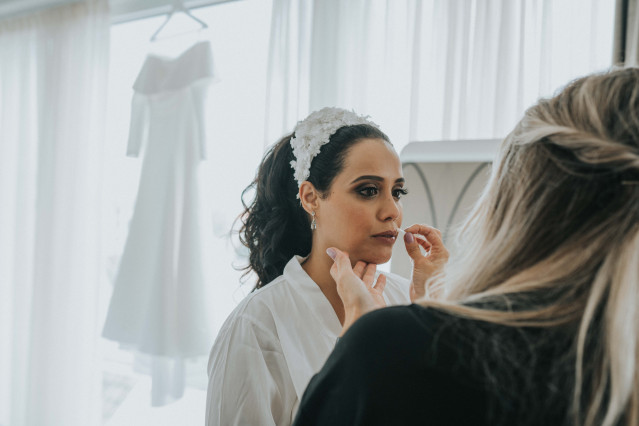
- Getting ready footage: allocate 45 to 60 minutes for the videographer to capture preparation moments. They need time for detail b-roll (dress, shoes, rings, invitations), process moments (hair, makeup, dressing), and emotional moments (letter reading, parent reactions)
- First look (if applicable): 15 to 20 minutes. The videographer needs to set up before the couple arrives, capture the full sequence from multiple angles, and then step back for couple portraits
- Couple portraits: 20 to 30 minutes shared with the photographer. The videographer captures cinematic walking sequences, natural interactions, and b-roll while the photographer directs posed shots
- Detail shots: 15 to 20 minutes for venue details, ceremony setup, table settings, and signage before guests arrive and disrupt the clean setup
Ceremony (30 to 60 minutes)
The ceremony is the most critical coverage window. The videographer should be in position 15 minutes before the ceremony starts to set up static cameras, test audio equipment, and confirm microphone levels:
- Audio check (15 minutes before): test lavalier microphones on the officiant and couple. Verify backup audio recorder is running. This is non-negotiable
- Processional: one camera on the aisle, one on the partner's reaction at the altar. Both rolling before the first person walks
- Vows and ring exchange: continuous filming, no breaks, no battery changes. The videographer should have backup batteries pre-loaded
- Recessional: capture the walk, the cheering, the immediate post-ceremony embrace. Follow the couple for 30 seconds after the ceremony ends for the spontaneous celebration footage
Cocktail hour (45 to 60 minutes)
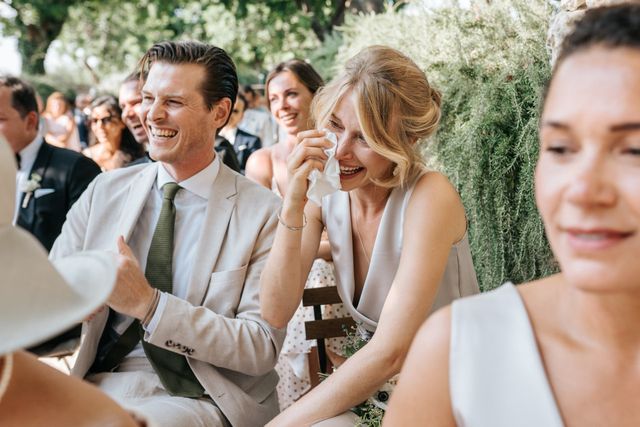
- Guest candids: the videographer circulates capturing guest interactions, laughter, and the social energy of the cocktail hour
- Venue atmosphere: establishing shots of the reception space before guests enter, the bar setup, the food stations, the decor details
- Family formals (if scheduled here): the videographer captures behind-the-scenes footage while the photographer directs formal groupings. This candid footage often produces the most natural family moments in the film
Reception (3 to 4 hours)
- Grand entrance: camera positioned at the door and at the dance floor to capture both the entrance and the room's reaction
- First dance (5 to 7 minutes): two angles minimum. Wide shot showing the room watching and close-up showing the couple's faces and connection. Film the entire song, not just the beginning
- Parent dances (5 to 10 minutes): same two-angle approach. Film each dance in full
- Toasts and speeches (15 to 45 minutes): every speech filmed in full with clear audio. Camera on the speaker AND camera on the couple's reaction. This is the second most important audio capture after the vows
- Cake cutting (5 minutes): a brief moment but a traditional one. Position for the cut, the feeding, and the kiss
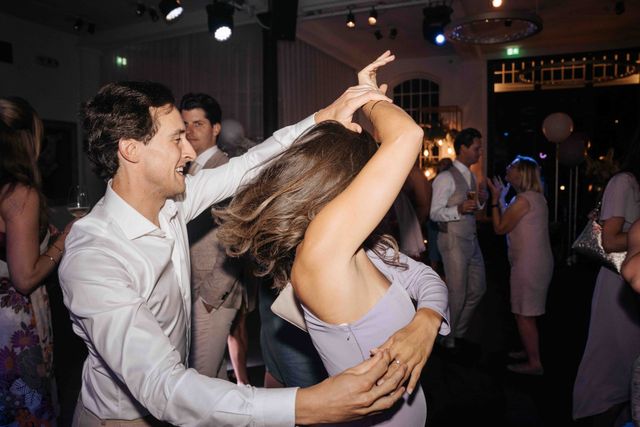
- Open dancing (30 to 60 minutes): the videographer captures the peak energy of the dance floor, group dances, and spontaneous moments. The best dance floor footage happens 60 to 90 minutes into the party when inhibitions drop
- Exit and send-off (10 to 15 minutes): the final moments, sparkler tunnel, last dance, getaway car, final wave
Common Timeline Mistakes That Ruin Video
- Not enough time for audio setup: if the ceremony starts before the videographer has tested microphones, the vow audio may be unusable. Always allow 15 minutes of setup time before the ceremony
- Scheduling couple portraits during golden hour without telling the videographer: golden hour produces the most cinematic footage. If the photographer has exclusive access during this window, the videographer misses the best light of the day
- Back-to-back speeches with no breaks: if 5 speakers go back-to-back for 45 minutes, the videographer cannot change batteries, swap memory cards, or adjust camera positions. Build 1 to 2 minute breaks between speakers
- Starting coverage too late: a videographer who arrives 30 minutes before the ceremony misses all getting-ready footage and has no time for audio setup. Build preparation time into your timeline
- Ending coverage before the party peaks: if coverage ends at 9 PM but the dance floor peaks at 10 PM, the highlight film misses the best party footage. Extend coverage by 1 to 2 hours or add an overtime clause
Coordinating Video and Photo Timelines
Your photographer and videographer need the same timeline document. Key coordination:
- Shared timeline document: one document with every moment, sent to both vendors at least 2 weeks before the wedding. Include start and end times for each phase, location details, and which vendor leads each moment
- Photo-led moments: formal portraits, family groupings, detail shots. The videographer shoots candid b-roll during these moments
- Video-led moments: vows, speeches, first dance (audio priority). The photographer shoots without flash or shutter noise that could disrupt the audio recording
- Shared moments: cake cutting, bouquet toss, exit. Both cover simultaneously from pre-agreed positions that do not conflict
Expert Tip: "The timeline is the invisible foundation of a great wedding film. I have seen beautiful venues, gorgeous couples, and talented videographers produce mediocre films because the timeline was wrong. The ceremony started before audio was set up. The speeches ran during golden hour when the videographer should have been filming couple portraits. The coverage ended two hours before the dance floor peaked. A 30-minute investment in building a videographer-friendly timeline produces a film that is 10 times better than what a rushed, scrambled schedule allows. Share your timeline with your videographer, ask for their input, and protect the moments that matter most."
Sarah Glasbergen, Founder at ThePerfectWedding.com
Frequently Asked Questions
What is the minimum coverage time for a usable highlight film?
4 to 5 hours covering the ceremony through the first dance and speeches. This produces enough material for a 3 to 5 minute highlight film that captures the core moments. Under 4 hours risks missing essential moments if anything runs behind schedule.
Should the videographer arrive at the same time as the photographer?
Usually yes, or 15 to 30 minutes later. The photographer typically starts with detail shots (flat lays, dress, shoes) that do not require video. The videographer's getting-ready coverage focuses on motion and emotion (makeup application, dress buttoning, reactions) which starts slightly later in the preparation process. Align arrival times in your shared timeline.
How do we handle overtime if the reception runs long?
Discuss overtime rates before the wedding day. Most videographers charge $200 to $400 per additional hour. Include an overtime clause in the contract so extending coverage is a simple decision, not a negotiation at 10 PM on your wedding night. If budget is tight, ask the videographer to prioritize the dance floor peak over the slow dinner courses.
Can we schedule a golden hour sneak-away for video?
Absolutely, and your videographer will love you for it. A 15 to 20 minute sneak-away during golden hour (60 to 90 minutes before sunset) produces the most cinematic footage of the entire day. The warm, directional light creates the romantic, film-quality look that makes highlight reels extraordinary. Coordinate with your photographer so both teams share this window. Brief your DJ or coordinator to keep guests entertained during the sneak-away.
More videography guides on ThePerfectWedding.com. See our photographer guide, drone photography guide, and wedding day timeline template. Find videographers on our videographer directory.


