How to Get the Most from Your Wedding Videographer
Maximize your wedding film: preparation tips, day-of coordination, audio protection, golden hour scheduling, and post-wedding collaboration.

by Sarah Glasbergen on 30 June 2026
Web editor
TLDR: You have invested thousands of dollars in a professional wedding videographer. Now make sure you get the absolute best film possible by preparing correctly, communicating clearly, and creating the conditions that allow your videographer to capture extraordinary footage. ThePerfectWedding.com's experts explain the preparation steps, the day-of coordination, and the post-wedding collaboration that transform a good wedding film into one you will watch with tears in your eyes for decades.
Key Facts at a Glance
- Couples who prepare a detailed timeline and shot list receive 30% more usable footage than those who leave everything to chance (Source: The Knot, 2025)
- Audio quality is the #1 factor that determines whether a wedding film makes you cry or makes you cringe. Preparation directly affects audio outcomes (Source: WeddingWire)
- Golden hour couple portraits produce the most cinematic footage of the entire day, but only if scheduled intentionally (Source: Brides.com)
- A pre-wedding consultation with your videographer 2 to 4 weeks before the wedding dramatically improves the final film (Source: Zola)
Before the Wedding: Preparation That Pays Off
Share everything your videographer needs
Your videographer can only film what they know about. Two to four weeks before the wedding, provide:
- A complete timeline: every moment from getting ready through the send-off, with locations and timing. The videographer builds their shooting plan around this document
- A shot priority list: the 5 to 10 moments that matter most to you (vows, first dance, father's speech, grandmother's reaction). This ensures the videographer prioritizes YOUR most important moments, not just the standard ones
- A family/VIP list: names and photos of key people (parents, grandparents, wedding party, guests who traveled far) so the videographer recognizes them and captures their reactions intentionally
- Song selections: the processional, first dance, parent dances, and any other songs with personal significance. These become the soundtrack of your film
- Vendor contact list: especially the DJ, coordinator, and photographer's details for day-of coordination
Schedule a pre-wedding meeting
A 30-minute call or meeting 2 to 4 weeks before the wedding covers:
- Your vision: what kind of film do you want? Cinematic and dramatic? Warm and natural? Playful and energetic? Your videographer needs to understand your aesthetic preferences before they start filming
- Must-have vs. nice-to-have moments: the ceremony vows are a must-have. The sparkler exit is a nice-to-have. Clarifying priorities helps the videographer allocate their energy and attention
- Venue logistics: where is the ceremony, where is the reception, what is the lighting situation, are there restrictions on where the videographer can stand during the ceremony, is there an outdoor backup plan
- Photographer coordination: has the videographer connected with your photographer to plan their respective positions during the ceremony
On the Wedding Day: Creating the Best Conditions
Getting ready: set the stage
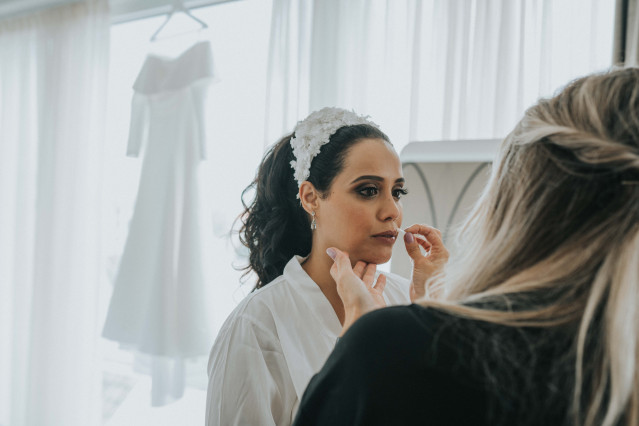
- Natural light is everything: open curtains and position near windows during getting ready. Natural light produces warm, beautiful footage. Overhead fluorescent light produces unflattering, clinical footage. This single choice affects 20% of your film
- Declutter the getting-ready space: move bags, luggage, water bottles, and personal items out of frame. The videographer is capturing the room as part of the story. A clean, styled space looks intentional. A cluttered hotel room looks chaotic
- Background music: play music that sets the mood you want. The videographer may capture ambient audio, and your favorite getting-ready playlist becomes part of the film's soundtrack
- Be present, not performing: the best getting-ready footage shows genuine emotion, not staged moments. Let the videographer capture you being yourself. Laugh with your wedding party. Hug your parent. Read your partner's letter naturally. The camera captures what is real
Ceremony: protect the audio
Your vows are the emotional heart of your wedding film. Protect the audio quality:
- Speak at normal volume during vows: many couples whisper their vows because the moment feels intimate. Whispered vows are inaudible on film even with lavalier microphones. Speak as if you are talking to your partner across a dinner table, not whispering a secret
- Project during readings: anyone giving a reading or speaking during the ceremony should project clearly toward the microphone or officiant position
- Minimize ambient noise: ask the DJ to turn off any background music during the ceremony. Ensure the coordinator silences any audio sources (fountain, HVAC, nearby speakers) that could compete with spoken words
- Wind protection: if the ceremony is outdoors, the videographer should have windscreens on microphones. If wind is severe, consider whether microphone placement can be adjusted to reduce wind noise
Reception: the moments that make the film
- First dance: tell the DJ to start the music only when the videographer signals they are ready and rolling. A missed first 10 seconds of the first dance is unrecoverable
- Speeches: brief your speech-givers: stand at the microphone (not wandering), speak clearly, and pause for laughter rather than talking through it. The microphone captures what reaches it. A speaker who turns away from the mic becomes inaudible
- Golden hour sneak-away: schedule 15 to 20 minutes during golden hour (60 to 90 minutes before sunset) for couple portraits with the videographer. This produces the most cinematic footage of the entire day. Brief your coordinator to keep guests entertained during this window
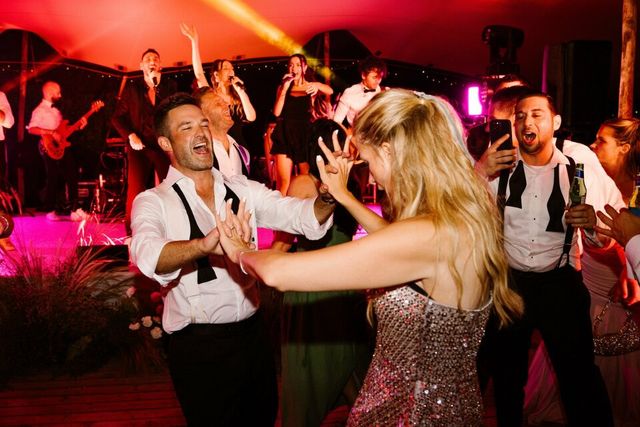
- Dance floor energy: the best dance floor footage happens when people genuinely let loose. This typically occurs 60 to 90 minutes into the party. Ensure your videographer is still on the clock during peak dance floor energy, not packing up
After the Wedding: Getting the Best Final Film
The review process
- Watch the draft together: when your videographer delivers the draft for review, sit down with your partner and watch it on a large screen (not a phone). Your first viewing should be an emotional experience, not a critique session
- Then watch it again with notes: on the second viewing, note specific timestamps with constructive feedback. "At 2:15, can we use the clip where we are both laughing instead?" is actionable. "Make it feel more romantic" is not
- Trust their editing instincts: your videographer selected specific clips, music, and pacing for professional reasons. If something feels wrong, communicate it. But if you simply have a different aesthetic preference for every cut, recognize that you hired a professional for their creative eye
- Respond to drafts promptly: videographers typically include 1 to 2 revision rounds. Sitting on a draft for 3 months delays the entire delivery. Aim to provide feedback within 1 to 2 weeks of receiving the draft
Maximizing the final deliverables
- Share strategically: post the social media teaser within 48 hours while excitement is fresh. Share the highlight film with close family and friends. Save the full ceremony edit for anniversary viewings and showing to future children
- Back up everything: download all video files to a hard drive AND cloud storage. Do not rely solely on the videographer's delivery link, which may expire. Your wedding film should exist in at least 2 backup locations
- Leave a detailed review: a specific, enthusiastic review on Google, The Knot, or WeddingWire helps your videographer's business enormously and takes 10 minutes. Mention specific moments they captured, their professionalism, and the quality of the final film
- Refer them: if you loved your videographer's work, tell every engaged couple you know. Word-of-mouth referrals are the lifeblood of the wedding industry. Find more videographers on our videographer directory
Expert Tip: "The couples who receive the best wedding films are not the ones who spent the most money. They are the ones who prepared the most. A detailed timeline, a clear shot list, a pre-wedding meeting, and a willingness to trust the videographer's creative process produce films that far exceed what money alone can buy. I have filmed $10,000 weddings that produced mediocre films because the couple gave me no direction, and $3,000 weddings that produced extraordinary films because the couple prepared beautifully. Your videographer is an artist with a camera. Give them the canvas, the colors, and the vision. They will paint something you will treasure forever."
Sarah Glasbergen, Founder at ThePerfectWedding.com
Frequently Asked Questions
How involved should we be in the editing process?
Provide clear input during the revision round, then trust the professional. You should specify music preferences, must-include moments, and any clips you want added or removed. But micro-managing every cut, transition, and color grade undermines the professional you hired. The best approach: share your vision before the edit begins, then respond to the draft with specific, constructive notes.
Should we write our own vows for a better film?
Personal vows produce dramatically more emotional films than traditional recitations. Your own words, in your own voice, with your genuine emotion create the most powerful audio in any wedding film. If you are writing personal vows, practice reading them aloud at conversational volume so they are clear and audible on the recording.
What makes the biggest difference in film quality?
Three things, in order of impact: (1) Audio quality, especially during vows and speeches. (2) Natural light during couple portraits, especially golden hour. (3) A detailed timeline that gives the videographer time and information to plan every shot. All three are within your control as a couple. See our timeline template for scheduling.
How can we help our videographer on the day without being in the way?
The best help is invisible help. Give the videographer a timeline, introduce them to the coordinator and DJ, ensure they have a meal and water, and then let them work. Do not direct them during the reception ("Film this! Get that!"). Trust that they know where to be and what to capture. If you notice them looking for someone, point that person out. Otherwise, enjoy your wedding and let the professional do their job.
More guides on ThePerfectWedding.com: Choosing a photographer, Drone photography, Timeline template, Planning checklist. Find videographers on our videographer directory.


