Wedding Vendor Communication: How Clear Communication Gets You Better Results
Wedding vendor communication guide: be specific, batch questions, respect timelines, share context, and handle difficult conversations professionally.

by Sarah Glasbergen on 11 November 2026
Web editor
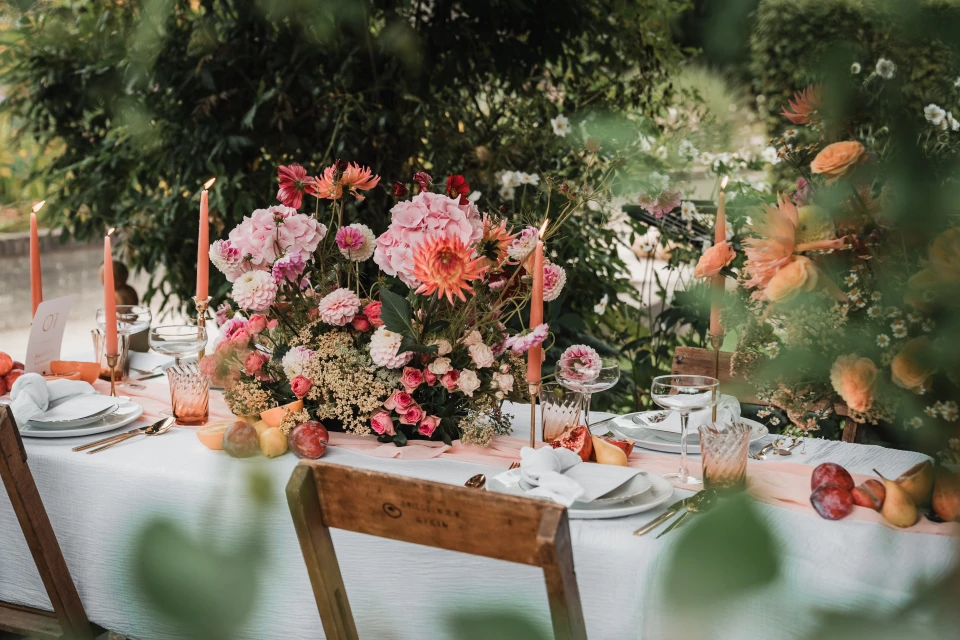
TLDR: How you communicate with your wedding vendors directly affects the quality of service you receive. Clear, organized, respectful communication builds the kind of vendor relationship where professionals go above and beyond. Vague, last-minute, scattered communication creates frustration, miscommunication, and results that do not match your expectations. ThePerfectWedding.com's planning experts share the communication practices that make vendors love working with you and deliver their absolute best work.
Key Facts at a Glance
- The #1 vendor complaint about couples: unclear expectations communicated too late (Source: The Knot, 2025)
- The #1 couple complaint about vendors: slow email responses and poor follow-through (Source: WeddingWire)
- Both problems are preventable with structured communication habits established early in the planning process (Source: Brides.com)
- See our planning checklist for communication milestones by month
Communication Principles That Build Great Vendor Relationships
1. Be specific, not vague
Vague communication creates interpretation gaps that lead to mismatched expectations.
- Vague: "We want romantic flowers." (Every couple says this. It means nothing specific to a florist who designs 50 weddings a year.)
- Specific: "We love loose, garden-style arrangements with lots of greenery, soft blush and white tones, using roses and ranunculus. We prefer low centerpieces that guests can see over. Our budget for florals is $3,000 total."
- The difference: the specific version gives the florist a design direction, a style reference, specific flowers, a height preference, and a budget. They can now create a proposal that matches your vision on the first attempt rather than guessing through 3 rounds of revisions

2. Consolidate your questions
Vendors manage 15 to 30 active weddings simultaneously. Receiving 5 separate emails from one couple in one day, each with a single question, is overwhelming and inefficient. Instead:
- Batch your questions: keep a running list of questions for each vendor throughout the week, then send one organized email with numbered questions. Vendors can respond to all items at once
- Use clear subject lines: "[Last Name] Wedding, June 15 - 4 questions about timeline" is immediately identifiable in a inbox full of wedding emails. "Quick question" is not
- Confirm decisions in writing: after a phone call or in-person meeting, send a follow-up email summarizing what was discussed and decided: "To confirm, we agreed on X, Y, and Z." This creates a paper trail that prevents misremembering
3. Respect response time expectations
- Business days, not weekends: most vendors work weddings on weekends and handle administrative communication Monday through Friday. An email sent Saturday night should not be expected to receive a reply until Monday or Tuesday
- 48 to 72 hours is a reasonable response window: if a vendor responds within 2 business days, they are communicative. If they consistently take 7+ days, that is a pattern worth addressing
- Urgent vs. non-urgent: distinguish between questions that need a same-day response (a timeline change for tomorrow's meeting) and questions that can wait ("Should we do blush or ivory napkins?"). Text for urgent matters. Email for everything else
- Lead by example: if you expect prompt responses, respond promptly yourself. A vendor who sends a proposal on Monday and does not hear back for 3 weeks loses momentum and may deprioritize your wedding
4. Share context, not just decisions
Vendors who understand WHY you made a choice can serve you better than vendors who only know WHAT you chose.
- Instead of: "We want a sunset ceremony."
- Say: "We want a sunset ceremony because we met watching a sunset on vacation. The golden light is meaningful to us, and we want the ceremony photos to capture that warm tone."
- The difference: the photographer now knows that golden hour is not just pretty lighting, it is emotionally significant. They will prioritize it differently, position more carefully, and may suggest creative ideas that connect to the story. Context transforms vendors from service providers into creative collaborators
Communication Timeline by Planning Phase
Booking phase (12 to 9 months before)
- Frequency: 1 to 2 emails per vendor during the consultation and booking process
- Content: package questions, availability confirmation, contract review, deposit payment
- Tone: professional and evaluative. You are assessing fit on both sides
- Action: once booked, send a confirmation email with your wedding date, venue, guest count, and preliminary timeline. This anchors the vendor relationship with shared information

Planning phase (9 to 2 months before)
- Frequency: monthly check-ins with primary vendors (photographer, DJ, caterer, florist)
- Content: design decisions, menu tastings, song selections, floral proposals, timeline drafts
- Tone: collaborative. You are building the vision together
- Action: respond to vendor proposals and questions within 1 week. Delayed decisions create cascading timeline problems
Final details (2 to 4 weeks before)
- Frequency: 1 to 2 final communications with every vendor
- Content: final guest count, confirmed timeline distribution, vendor meal arrangements, arrival times, emergency contact information, final payments
- Tone: efficient and confirming. Every detail should be locked in, not debated
- Action: distribute the final timeline document to ALL vendors. Confirm receipt. This is the most important communication of the entire planning process. See our timeline template
Wedding day
- Frequency: ZERO direct communication from the couple to vendors
- Everything goes through: the coordinator/planner or your designated point person
- The couple's only communication: "Thank you" and "This is beautiful." That is it. No logistics, no questions, no problem-solving
Handling Difficult Conversations
When you disagree with a vendor's recommendation
Professional vendors make recommendations based on experience. When you disagree:
- Ask why: "Help me understand why you recommend X over Y." There may be a practical reason you have not considered (lighting conditions, timing logistics, cost efficiency)
- Share your reasoning: "We prefer Y because [specific reason]." This gives the vendor context to either adapt their recommendation or explain the trade-off
- Find the middle ground: most disagreements have a compromise that satisfies both the vendor's professional concerns and the couple's vision
- Defer to expertise on logistics, not aesthetics: if the vendor says "the timeline is too tight," trust them. If the vendor says "I do not like that color palette," that is a preference, not expertise
When a vendor is underperforming during planning
Address it early, directly, and constructively:
- Name the specific issue: "We have noticed that responses are taking 10+ days. Our planning timeline requires faster communication."
- State your expectation: "Going forward, we need responses within 3 business days."
- Give them a chance to improve: a single conversation resolves most performance issues. Vendors may be going through a busy season or personal challenges
- Escalate if the pattern continues: review your contract cancellation terms and consider whether this vendor will deliver on the wedding day if they cannot deliver during planning
Post-Wedding Communication
The vendor relationship does not end at the send-off:
- Thank-you emails within 1 week: brief, specific gratitude. "Thank you for the incredible floral installations. The ceremony arch was even more beautiful than we imagined." Two sentences is enough
- Reviews within 1 month: leave detailed reviews on Google, The Knot, WeddingWire, and Instagram. Mention specific strengths. See our tipping guide for additional appreciation
- Social media tags: when professional photos arrive, tag vendors in posts featuring their work. This is free marketing they genuinely value
- Referrals: when friends get engaged, recommend vendors by name and share their profiles from our vendor directory. Word-of-mouth is the most valuable marketing a vendor can receive
Expert Tip: "The couples I remember most fondly, years later, are not the ones with the biggest budgets or the most elaborate weddings. They are the ones who communicated clearly, responded promptly, trusted my expertise, and said 'thank you' at the end of the day. Clear communication is the single most undervalued tool in wedding planning. It costs nothing. It takes minimal effort. And it transforms every vendor relationship from transactional to collaborative. When vendors feel respected and informed, they give you their best work. Not because you paid for it, but because they want to."
Sarah Glasbergen, Founder at ThePerfectWedding.com
Frequently Asked Questions
Is it okay to text vendors or should we stick to email?
Email for all planning communication (creates a paper trail). Text for day-of urgency only. Some vendors are comfortable with text during planning. Ask their preference during the booking process. Regardless of medium, follow up any verbal or text conversation with an email confirmation: "Per our text conversation, we confirmed X."
How do we communicate our vision if we cannot articulate it?
Use visual references. Create a Pinterest board with 20 to 30 images that represent the mood, colors, textures, and energy you want. Share the board with every vendor. "We love the feeling of these images" is more useful than trying to describe it in words. Vendors are visual professionals who can translate images into actionable plans. See our photographer guide for creating effective visual references.
What if we change our minds about something after the contract is signed?
Communicate the change immediately and review the contract terms. Minor changes (song order, specific napkin color) are typically accommodated without issue. Major changes (reducing guest count by 50, changing the venue, adding 3 hours of coverage) may require contract amendments, additional costs, or new agreements. The sooner you communicate, the more options the vendor has to accommodate. See our hidden costs guide for change-related fees.
More planning guides: 12-month checklist, 6-month checklist, Hidden costs, Day-of timeline, Vendor tipping. Find all vendor types on our vendor directory.


