Hair and Makeup Trial: When to Book, What to Bring and What to Ask
Your wedding hair and makeup trial explained: when to schedule it, what it costs, what to bring, which questions to ask and how to give feedback.

by Sarah Glasbergen on 11 November 2026
Web editor
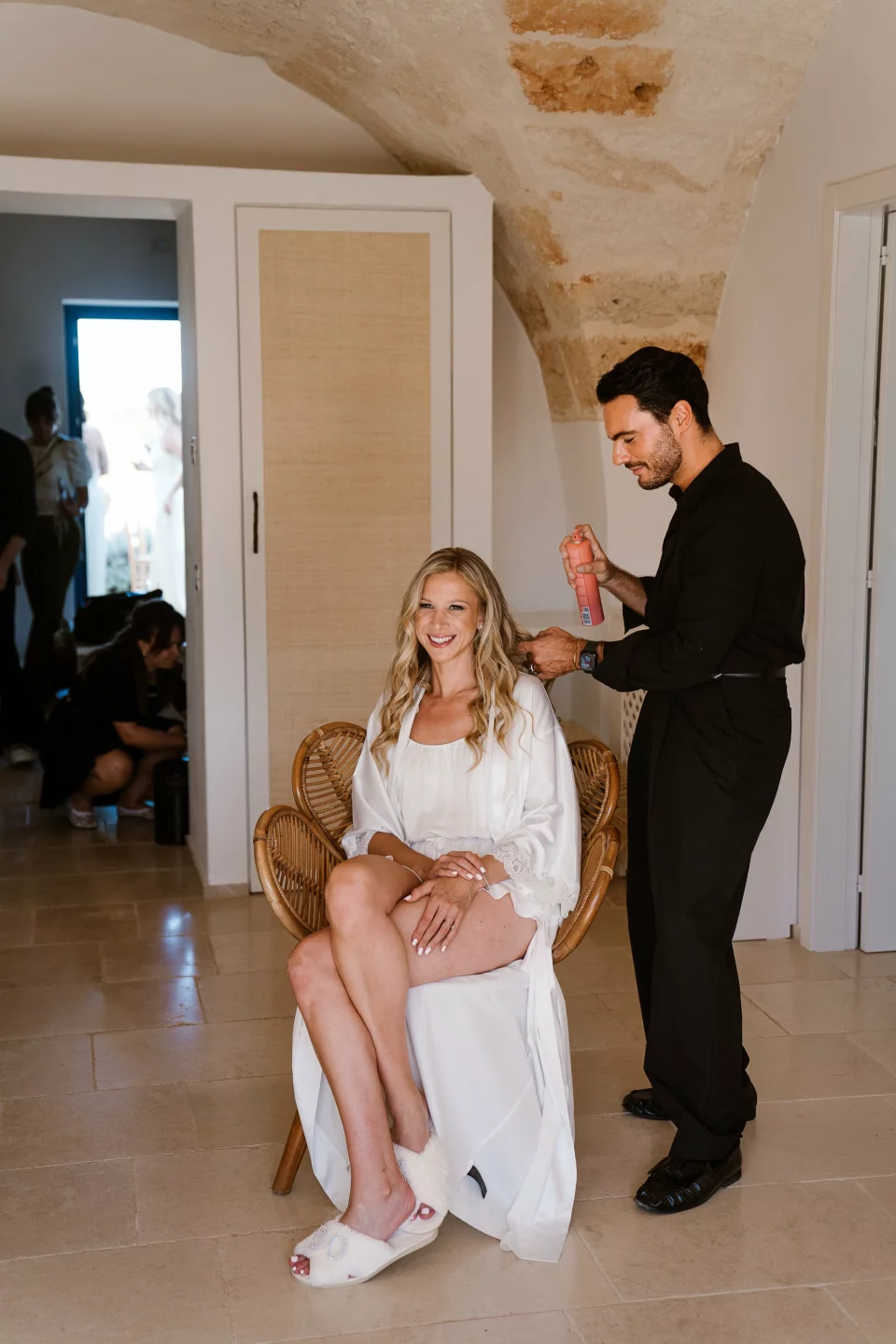
TLDR: A hair and makeup trial is a practice session with your stylist and makeup artist, usually booked two to three months before the wedding. It lets you test your look, check how long it takes and see how it holds up and photographs. A trial typically costs $225 to $350 for hair and makeup together. This guide covers when to book, what to bring, the questions to ask and how to give feedback so the wedding day look is exactly right.
By Sarah Glasbergen, Founder ThePerfectWedding.com. Updated November 2026
Key Facts at a Glance
- Trial price: a combined hair and makeup trial typically costs $225 to $350 (Source: The Knot, 2026)
- Wedding day pricing: bridal hair and makeup average about $150 each on the day itself, not counting the trial (Source: The Knot Real Weddings Study, 2026)
- Most couples hire beauty pros: 72% of couples hired a hair or makeup professional (Source: The Knot Real Weddings Study, 2026)
- Party pricing: bridesmaids pay about $110 for hair and $100 for makeup per person on average (Source: The Knot, 2026)
- Planning help: 36% of engaged couples now use AI tools while planning, for example to collect inspiration (Source: The Knot Real Weddings Study, 2026)
A trial is the single best way to avoid surprises on your wedding morning. It turns a mood board into a real look on your face and hair, and it gives you a chance to build trust with the people who will be with you in the most nerve-racking hours of the day.


What is a hair and makeup trial?
During a trial, your stylist and makeup artist create the look you have in mind, adjust it with you, and note every product, technique and pin they used. Most trials take two to three hours for hair and makeup together. Some artists do hair and makeup in one session; others schedule them separately.
A trial is not a dress rehearsal for everything. It is a working session. Expect to try one or two variations, especially for hair, and to change your mind along the way. That is exactly the point.
When should you schedule your trial?
Most professionals recommend a trial two to three months before the wedding. By then you have your dress, often your veil or hair accessories, and a clear idea of the overall style. Book your artist first, ideally six to nine months out, and schedule the trial once the dress is chosen.
| Timing | What to do | Why |
|---|---|---|
| 6 to 9 months out | Research and book your stylist and makeup artist | Popular pros fill peak Saturdays early |
| 2 to 3 months out | Hair and makeup trial | Dress, veil and accessories are usually decided |
| Same week as a fitting or event | Plan the trial before an engagement shoot, shower or fitting | You can test how the look lasts and photographs |
| 4 to 6 weeks out | Second trial if needed | For big changes, a new hair color or a new artist |
| 2 weeks out | Final hair color and cut | Gives color time to settle |
Tip from ThePerfectWedding.com: schedule the trial on a day you have something to go to afterwards, such as a bridal shower or a dinner. You will see how the look wears for hours, and how it photographs in real life.


What should you bring to your hair and makeup trial?
- Inspiration photos: three to five images per look, plus one or two looks you do not like.
- Photos of your dress: neckline, back and fabric, so the artist can balance the look.
- Veil and hair accessories: combs, pins or a headpiece, so placement can be tested.
- A top with a similar neckline: a white or light top shows how the makeup reads near your skin.
- Your skincare and any must-use products: especially if you have sensitive skin or allergies.
- Your lipstick and earrings: to see the full picture.
- A phone with a good camera: photograph the result in daylight, indoors and with flash.
Arrive with clean, dry hair unless your stylist asks otherwise; many updos hold better on hair washed the day before. Read our guide to hairstyles with a veil before you go.
What questions should you ask at your trial?
Use the trial to learn how the wedding morning will work, not only how the look will appear.
- How long does my hair and makeup take on the day, and how long per bridesmaid?
- How many people can you do before the ceremony, and do you bring an assistant?
- Which products will keep this look in place in heat, humidity or rain?
- Do you offer touch-ups, and until what time can you stay?
- What do you need at the location: a table, a chair, a power outlet, natural light?
- What is your travel fee and the deposit and cancellation policy?
Write the answers down. They help you build an accurate morning schedule; our getting-ready timeline shows how to fit it all in.


How do you give feedback during a trial?
A good artist wants honest feedback, and the trial is the moment to give it. Be specific: "The liner feels too heavy at the outer corner" is much easier to adjust than "something feels off." Look in a hand mirror and a full-length mirror, and check the look from a distance as well as up close.
- Speak up during the session, not afterwards.
- Ask for one change at a time so you can compare.
- Take photos before and after each change.
- Wait a few hours before deciding; first impressions often soften.
- If it still does not feel right, ask for a second trial or consider another artist.
How do you plan the wedding morning after your trial?
The trial gives you the numbers you need to plan the wedding morning. Multiply the time per look by the number of people, add buffer time, and work backwards from when your photographer wants you dressed.
- Order: the person getting married usually goes last for makeup, so it is freshest for photos, but not last for hair if the style needs time to set.
- Buffer: add 30 to 45 minutes of slack for late arrivals, wardrobe moments and a calm coffee.
- Space: a room with a window, a table and a mirror makes the artists faster and the photos better.
- Photos: tell your photographer when the final touches are planned, so they can capture them.
If your party is large, ask whether the team can add a second stylist or an assistant. Splitting hair and makeup between two people can save more than an hour. Our guide to the wedding day timeline helps you fit the morning into the full schedule.
What should you avoid before your trial and wedding day?
- New skincare products, peels or facials in the two weeks before the trial or wedding.
- A brand-new hair color or big haircut right before the trial; do it beforehand so the trial reflects the real result.
- Heavy oils or leave-in products on the day of an updo trial, unless your stylist asks for them.
- Spray tans less than a few days before, which can change your foundation match.
What if you do not love your trial?
It happens, and it is far better to find out now. Most issues can be fixed with clearer references or a second session. If the artist does not listen or the style is fundamentally wrong for you, it is reasonable to move on, as long as you check the cancellation terms in your contract first. Our vendor contracts guide explains what to look for.
Remember that bridal beauty is one of the most personal vendor relationships of the wedding. You can find inspiration for both hair and makeup in the ThePerfectWedding.com bridal hairstyles section, and a full overview of prices in our guide to wedding hair and makeup cost.

“The trial is where trust is built. Walk in with photos, walk out with a plan, and if something does not feel like you, say it right there in the chair. On the wedding morning you want to relax, not wonder.”
Sarah Glasbergen, Founder ThePerfectWedding.com
Hair and Makeup Trial FAQ
-
How much does a hair and makeup trial cost?
A combined hair and makeup trial typically costs $225 to $350, according to The Knot. Some artists credit the trial fee toward your wedding day booking.
-
How far before the wedding should I do my trial?
Two to three months before the wedding is ideal, once you have your dress and accessories. Book a second trial four to six weeks out if needed.
-
Should I wash my hair before my trial?
Ask your stylist. Many prefer hair washed the day before for updos, while sleek styles may need freshly washed hair.
-
How long does a hair and makeup trial take?
Plan two to three hours for hair and makeup together, including time for changes and photos.
-
Do bridesmaids need a trial?
Usually not. Bridesmaids can share inspiration photos in advance. A trial is mainly for the person getting married.
-
Can I skip the trial?
You can, but it is risky. A trial lets you test the look, the timing and the artist before the day, which removes a lot of stress.
Find your bridal beauty look
Browse bridal hairstyles and beauty inspiration on ThePerfectWedding.com before your trial.
Planning the rest of your look? Read our guides to wedding updos and what to wear while getting ready.


