How to Choose a Wedding Veil: Lengths, Styles, and How to Match Your Dress
How to choose a wedding veil: every length explained, dress and hairstyle matching, trending alternatives, and expert tips

by Sarah Glasbergen on 30 March 2026
Web editor
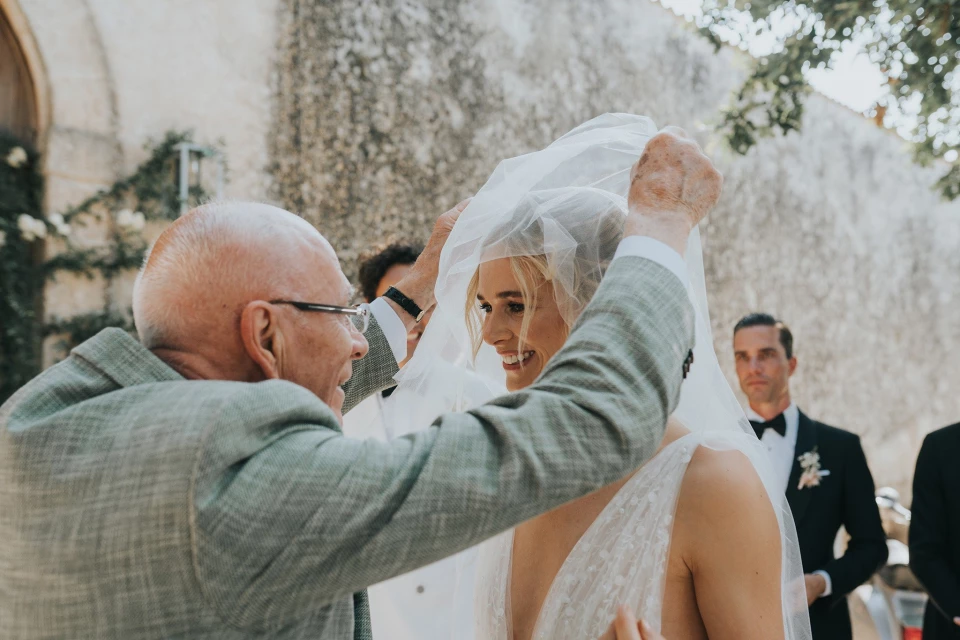
TLDR: A wedding veil is the most iconic bridal accessory, but choosing the right one can be surprisingly complex. Length, fabric, edging, and how it pairs with your dress and hairstyle all matter. ThePerfectWedding.com's bridal experts explain every veil length from blusher to cathedral, how to match your veil to your dress silhouette, trending veil styles, and whether you even need one at all.
Key Facts at a Glance
- Approximately 65% of brides wear a veil for at least part of their wedding day (Source: The Knot, 2025)
- Veil prices range from $30 to $500+, with most brides spending $100 to $250 (Source: WeddingWire)
- Cathedral-length veils are the most dramatic; fingertip veils are the most popular (Source: Brides.com)
- Modern alternatives: capes, hair vines, oversized bows, and floral crowns are all on the rise
- Coordinate your veil with your bridal hairstyle for the most cohesive look
Wedding Veil Lengths Explained
| Veil Length | Where It Falls | Best For | Formality |
| Blusher | Over the face, to chin/shoulder | Traditional ceremony entrance | Any |
| Shoulder | To the shoulders | Short dresses, casual weddings | Casual to semi-formal |
| Elbow | To the elbows | Any dress, versatile | Semi-formal |
| Fingertip | To the fingertips | Most popular length, suits most dresses | Semi-formal to formal |
| Waltz / Ballet | To the ankles | Elegant, dramatic without cathedral length | Formal |
| Chapel | Extends 1-2 feet beyond dress hem | Matching a chapel-length train | Formal |
| Cathedral | Extends 3+ feet beyond dress hem | Grand, dramatic, statement-making | Very formal |
| Royal / Monarch | 10+ feet long | Ultra-dramatic, celebrity-style | Ultra-formal |

How to Match Your Veil to Your Dress
Simple dress = statement veil. If your dress is minimalist or unembellished, a veil with lace edging, embroidery, or pearls adds the detail and drama your dress intentionally left out.
Detailed dress = simple veil. If your gown is heavily beaded, lace-covered, or architecturally complex, choose a plain tulle veil that does not compete. Let the dress be the star.
Match the fabric. A soft tulle veil suits a soft, romantic dress. A stiffer organza veil suits a structured gown. The veil should feel like it belongs to the same family as the dress.
Consider the train. If your dress has a cathedral train, your veil should be slightly shorter than the train so it does not bunch up on top of it. If your dress has no train, a longer veil creates movement and drama on its own.
How to Match Your Veil to Your Hairstyle
Updo: Most veil lengths work with an updo. Place the veil at the crown of the head for a classic look, or lower at the nape for a modern, relaxed feel.
Hair down / loose waves: A fingertip or waltz-length veil draped over loose waves creates a romantic, effortless look. Avoid very long veils with hair down as they can get tangled.
Short hair: Birdcage veils, blusher veils, and shoulder-length veils all work beautifully with short hair. Cathedral veils can also work when secured at the crown with a comb.
For more hairstyle ideas, see our bridal hairstyles for short hair guide.

Trending Veil Alternatives
Bridal cape. A cape in tulle or lace creates veil-like drama with a modern, fashion-forward twist. Capes look stunning over strapless or open-back dresses.
Oversized bow. A large bow at the back of the head or attached to the dress replaces the veil with playful, youthful energy.
Hair vine or headpiece. A crystal or floral vine woven through the hair provides sparkle and detail without a veil.
Floral crown. Fresh or dried flower crowns suit boho, garden, and outdoor weddings perfectly.
No accessory at all. Some dresses (particularly those with dramatic backs, capes, or hoods) look best without any head covering.
Expert Tip: "Always try your veil on with your dress and your hairstyle (or a close approximation) before buying. A veil that looks perfect on a hanger can completely change how your dress looks on your body. Your bridal consultant should style the veil at your appointment so you see the full picture. And do not forget to practice walking in it. Cathedral veils require someone to help spread them at the altar."
Sarah Glasbergen, Senior Wedding Editor at ThePerfectWedding.com
Veil FAQ
Do I need a veil?
No. A veil is optional and entirely a personal preference. Many modern brides skip the veil in favor of a headpiece, cape, or nothing at all. Wear a veil because you love it, not because you feel you should.
When do I take off the veil?
Most brides remove the veil after the ceremony (during cocktail hour or before the reception entrance). Some wear it for photos and the first dance. Very few wear it all night. There are no rules.
Should the veil match the dress exactly?
The color should be close (ivory veil with ivory dress, white with white) but an exact match is not critical. Most tulle veils come in standard ivory and white shades that coordinate well with any gown in the same color family.
Can I wear a veil with a tiara or headband?
Yes. Layer the veil underneath the tiara or headband for a regal look. Your hairstylist can secure both during the trial.
Find Your Perfect Veil on ThePerfectWedding.com
Browse bridal accessories and dress styles. Match your veil to your dress silhouette with our silhouette guide and our body type guide. Coordinate with bridal hairstyles (especially our short hair bridal style guide). Budget your complete bridal look with our dress cost breakdown and plan alterations with our alteration guide. Start your timeline with the 12-month wedding checklist.


