Princess Ball Gown Wedding Dress: The Ultimate Guide to the Most Dramatic Bridal Silhouette
Princess ball gown wedding dress: variations, who it flatters, practical tips, and how to move, sit, and dance.

by Sarah Glasbergen on 12 April 2026
Web editor
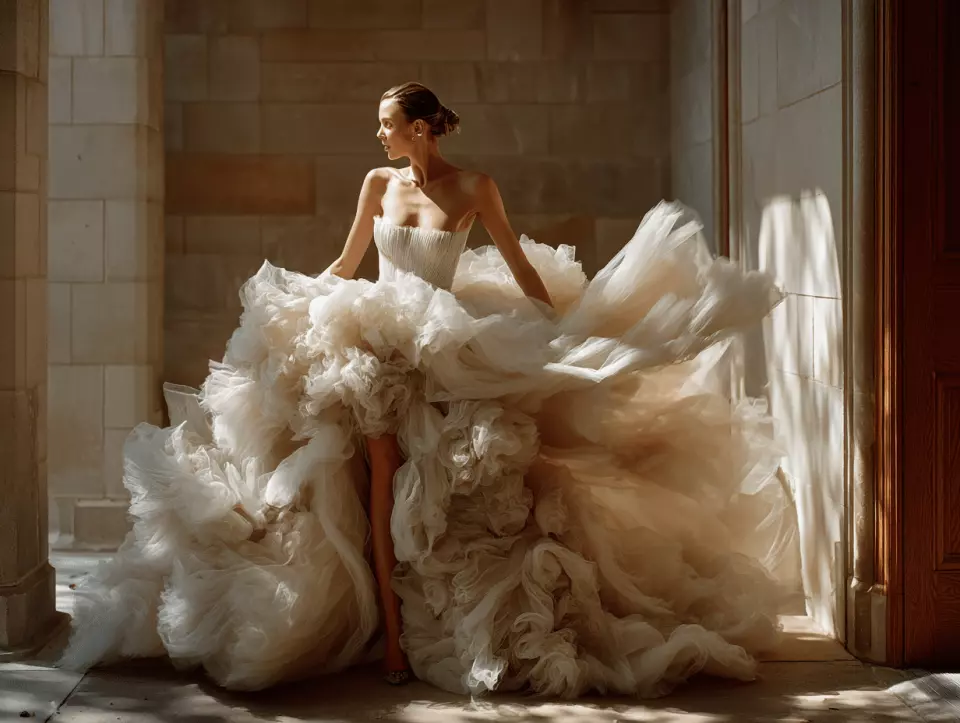
TLDR: The princess ball gown is the most dramatic, romantic, and fairy-tale bridal silhouette: a fitted bodice flowing into a full, voluminous skirt that commands attention and fills every photo frame. It is the dress little girls dream about and grown women fall in love with at the boutique. ThePerfectWedding.com's bridal experts cover who the ball gown flatters best, how to move and sit in one, what it costs, and the practical details that make wearing a ball gown feel magical rather than overwhelming.
Key Facts at a Glance
- The ball gown is the #2 most popular silhouette in US bridal fashion after A-line (Source: The Knot, 2025)
- Ball gowns range from $1,000 to $8,000+ depending on fabric layers, construction, and designer (Source: WeddingWire)
- A ball gown skirt contains 15 to 30 yards of fabric, making it the most material-intensive silhouette (Source: Brides.com)
- Ball gowns require more alteration time and cost than simpler silhouettes due to the volume and layers (Source: Zola)
- Browse all dress styles on our wedding dress page on ThePerfectWedding.com

What Makes a Ball Gown a Ball Gown
The ball gown silhouette has two defining elements: a fitted bodice (often structured with boning, a corset, or built-in support) and a dramatically full skirt that begins at or just below the natural waist. The fullness comes from multiple layers of tulle, organza, or satin, often supported by a petticoat or crinoline underneath. The effect is volume, drama, and an unmistakable sense of occasion.
Ball Gown Variations

Classic tulle ball gown
Multiple layers of soft tulle creating a cloud-like, ethereal fullness. This is the lightest and most romantic version. The tulle layers move and float when you walk, creating a dreamy, cinematic effect. Tulle ball gowns photograph beautifully because the fabric catches light. This is the most popular ball gown type and the most comfortable to wear because tulle is lightweight despite its volume.

Structured satin ball gown
A smooth, polished satin or mikado skirt with clean lines and architectural structure. This is the most formal and dramatic ball gown. The heavy satin holds its shape without a petticoat and creates a bold, sculptural silhouette. Satin ball gowns are the choice for formal ballroom and cathedral weddings. They are heavier than tulle and require more support in the bodice.

Lace ball gown
A lace bodice flowing into a full skirt, either all-lace or lace-over-tulle. This combines the romance of lace with the drama of a ball gown for a princess-meets-vintage aesthetic. Lace ball gowns are among the most popular wedding dresses in bridal history. The lace adds texture, dimension, and heirloom quality to the grand silhouette.

Modern minimalist ball gown
A clean, unembellished ball gown in a single fabric (crepe, mikado, or smooth satin) with no lace, no beading, and no appliques. The drama comes entirely from the silhouette and the fabric quality. This is the most fashion-forward ball gown, favored by modern brides who want volume without ornament. The simplicity makes a powerful statement.

Corset bodice ball gown
A structured, boned bodice with visible corset detailing (lace-up back, sweetheart neckline, defined boning lines). The corset creates a sculpted, hourglass shape above the waist, and the full skirt amplifies the dramatic silhouette below. This is the most body-shaping ball gown option and the one that creates the most defined waistline.
Who Does a Ball Gown Flatter
Every body type, genuinely. The ball gown is one of the most universally flattering silhouettes because the full skirt balances every body shape. The fitted bodice defines the waist, and the skirt skims over hips, thighs, and legs entirely. Pear-shaped, apple-shaped, hourglass, tall, petite, plus-size: the ball gown works.
Petite brides: Choose a ball gown with a basque waist (a V-shaped waistline) that elongates the torso. Avoid overly puffy skirts that can overwhelm a smaller frame. A proportional ball gown on a petite bride looks magical.
Plus-size brides: The ball gown is one of the most popular plus-size silhouettes because it celebrates the waist and flows over everything below. A well-structured bodice with boning provides shape and support. Many designers now make stunning plus-size ball gowns up to size 30+.
Tall brides: You can wear the fullest, most dramatic ball gown without it overwhelming your frame. A cathedral-length train on a tall bride in a ball gown is absolutely breathtaking.
Practical Tips for Wearing a Ball Gown
Moving and walking in a ball gown
A ball gown skirt is wide. Practice walking with the volume: shorter steps, slightly wider stance. When walking down the aisle, kick the front of the skirt gently forward with each step. Your bridal boutique consultant should teach you this at your fitting. It becomes natural quickly.
Sitting down
To sit in a ball gown, gather the front of the skirt with both hands, lift slightly, and sit back. The skirt will poof up around you. This is normal and looks beautiful. Do not try to smooth it flat. Practice at your fitting. The tulle or fabric naturally settles after a moment.
Using the bathroom
This is every ball gown bride's secret concern. The answer: have your maid of honor or a bridesmaid hold the skirt while you use the bathroom. It is not glamorous but it is necessary. Another option: some seamstresses can add wrist loops inside the skirt so you can hold it up yourself. Discuss this at your alteration fitting.
Getting into a car
Sit down first, then swing your legs in. Have someone help gather and tuck the skirt around you. Getting out: swing legs out first, then stand. A helper outside the car managing the skirt prevents door-snagging. Plan for a larger vehicle (SUV or van) rather than a sedan.
Dancing in a ball gown
Ball gowns are surprisingly great for dancing. The full skirt twirls beautifully and hides your feet entirely (no one sees if you take your shoes off). A bustle (sewn by your seamstress to lift the train for the reception) is essential. Practice a few dance moves in your final fitting to get comfortable with the volume.
Expert Tip: "The bride who walks into the boutique saying 'I would never wear a ball gown' is the one who cries when she puts one on. I have seen it hundreds of times. There is something about the volume, the drama, and the way a ball gown transforms how you stand and move that is genuinely magical. Try one on, even if you think it is not you. The mirror might surprise you."
Sarah Glasbergen, Founder at ThePerfectWedding.com
Frequently Asked Questions
Are ball gowns too formal for outdoor weddings?
A tulle ball gown works beautifully outdoors. The fabric is lightweight and moves with the breeze. Avoid heavy satin ball gowns on grass (they drag) or beach sand (they collect it). A lighter tulle or organza ball gown at a garden wedding or backyard celebration is absolutely stunning.
How much does a ball gown weigh?
A typical tulle ball gown weighs 8 to 15 pounds. A heavy satin or multi-layer ball gown can weigh 15 to 25 pounds. The weight sits on your hips and is distributed by the bodice structure, so it feels manageable. After 30 minutes, most brides say they forget about the weight entirely.
What hairstyle works best with a ball gown?
An updo is the classic pairing: it balances the volume below with an elegant, clean line above. A high bun or polished chignon complements the formal drama of a ball gown. A half-up style also works beautifully. Fully hair down can compete with the volume of the skirt, so updos are generally the more balanced choice.
Can I dance in a ball gown?
Yes. Ball gowns are one of the best dresses for dancing because the full skirt twirls dramatically and hides your feet. Have your seamstress add a bustle to lift the train for the reception. Your first dance in a ball gown will look incredible in photos and video.
What undergarments do I need?
Most ball gowns have a built-in corset or boned bodice that provides support, eliminating the need for a separate bra. A smooth, seamless underwear in nude is all you need underneath. Some brides add a petticoat for extra fullness, but many modern ball gowns have enough built-in volume.
Find Your Ball Gown on ThePerfectWedding.com
Browse all silhouettes on our wedding dress page. Compare the ball gown with A-line, fit and flare, short, and backless dresses. Explore fabric options: lace, satin, and tulle. Add drama with a long train or a corset bodice. Pair with the perfect updo and veil. Budget with our cost guide and hidden costs guide.


