Backless Wedding Dresses: How Low Can You Go, What to Wear Underneath, and Styling Tips
Backless wedding dresses: levels of openness, what to wear underneath, best hairstyles, and styling tips. Complete guide

by Sarah Glasbergen on 17 September 2026
Web editor
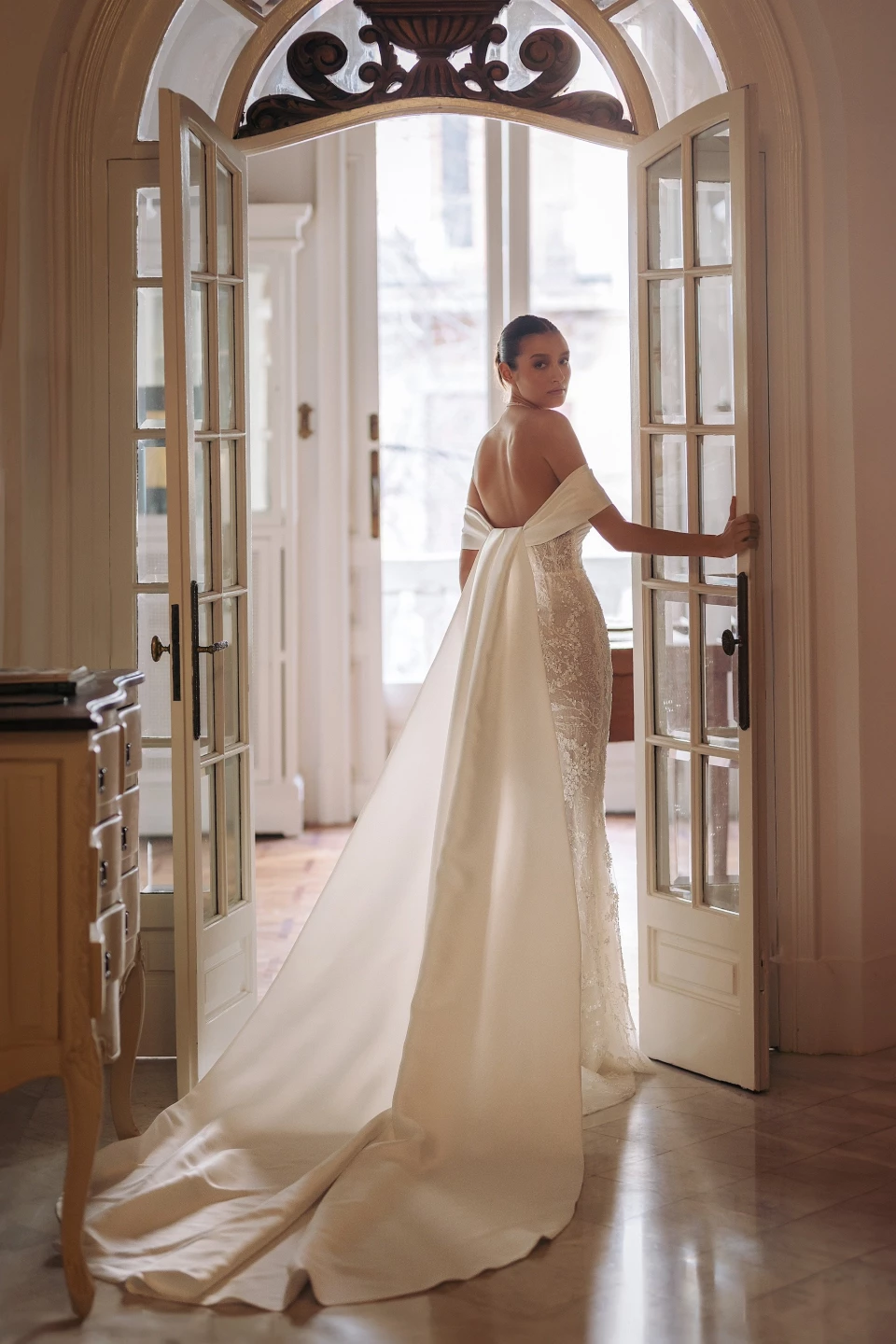
TLDR: A backless wedding dress is one of the most dramatic, modern, and head-turning bridal choices. Whether the back dips to the mid-back, the lower back, or all the way to the waist, an open back creates an unforgettable silhouette that your photographer will love. ThePerfectWedding.com's bridal experts explain the different levels of backless, what undergarments actually work, which hairstyles show off the back, and how to make sure you are comfortable and confident all day.
Key Facts at a Glance
- Backless and low-back dresses are the #3 most searched dress detail after lace and sleeves (Source: The Knot, 2025)
- Backless dresses work in every silhouette: A-line, mermaid, sheath, and even ball gowns (Source: WeddingWire)
- The most popular back depth: mid-back (below the shoulder blades but above the waist) (Source: Brides.com)
- Specialty adhesive bras and built-in support make backless dresses comfortable for every cup size (Source: Zola)
- Browse all dress styles on our wedding dress page on ThePerfectWedding.com
Levels of Backless

Scoop back (subtle)
A rounded opening that dips to just below the shoulder blades. This is the most conservative "backless" option and the most universally flattering. It shows a hint of back without feeling exposed. Works with a standard strapless bra or adhesive cups. Perfect for brides who want the open-back look with full comfort and support.

V-back (moderate)
A V-shaped opening that extends to the mid-back, roughly to the bra line. More dramatic than a scoop but still wearable with specialty adhesive bras or built-in cups. The V-shape creates an elongating line that is very flattering. This is the most popular backless depth because it balances drama with practicality.

Low back (dramatic)
The opening extends to the natural waist or just above it. This is a true statement back that your photographer will capture beautifully from behind. Requires adhesive support (cups or tape) or a dress with excellent built-in structure. No traditional bra works at this depth. The low back is the most dramatic option while still keeping the hips and lower body covered.

Illusion back
A sheer panel of mesh or tulle creates the appearance of a backless dress while providing some coverage and support. Lace motifs or buttons are often placed on the illusion panel for decorative detail. This gives you the visual drama of an open back with the practical benefit of a barrier against the elements (helpful for outdoor and cooler-weather weddings). The illusion back is also the best option for brides who want the look but need more support.
What to Wear Under a Backless Dress
Adhesive bra cups
Silicone stick-on cups that adhere directly to the skin and provide lift and shaping without any back band. Available in sizes A through DD. Brands like NuBra and Fashion Forms are the most popular. Apply to clean, dry skin (no moisturizer) 30 minutes before dressing. They stay put all day when properly applied. Best for A to C cups.
Bridal tape
Double-sided fashion tape that lifts and shapes from below. Medical-grade adhesive tape (KT tape or specialized bridal tape) can be applied in strategic patterns to create support without any visible undergarment. This is the go-to solution for D cups and above in very low-back dresses. Have your seamstress or a friend help with application. Practice before the wedding day.
Built-in bodice support
Many backless dresses include internal boning, cups, and structure built into the bodice that provides support without any external undergarment. Ask your bridal consultant about the dress's built-in support at your fitting. A good seamstress can also add internal cups, boning, or support to a dress that lacks them. This is the most comfortable long-term solution.
Bodysuit or low-back shapewear
Specialty bridal bodysuits with a deep-V back or convertible straps that sit below the dress opening. Brands like Spanx and SKIMS make bridal-specific low-back options. These provide support, smoothing, and shaping while remaining invisible under a V-back or scoop-back dress. Not suitable for dresses with backs lower than the waist.

Hairstyles That Show Off a Backless Dress
The entire point of a backless dress is the back. Your hairstyle should show it off, not hide it.
Updos are the #1 choice. A low chignon, a textured bun, or a French twist keeps all hair away from the back, giving your photographer a clear, unobstructed view of the open back. Make sure the back of the updo itself is beautifully finished, as it will appear in every behind-the-bride photo.
Side-swept styles also work. All hair swept to one side leaves one side of the back fully visible. This creates an asymmetric, glamorous look. See our hair worn down guide for side-swept techniques.
Avoid: Long hair worn fully down the back. It covers the dress's best feature. If you love the hair-down look, consider it for the reception after you have captured ceremony photos with your back on display.
Expert Tip: "Backless dresses are the one style where I always recommend the bride schedule a separate photo moment specifically for the back of the dress. Ask your photographer for 5 minutes of back-focused portraits: looking over your shoulder, walking away, standing at a window. The back of this dress is a design feature, not an afterthought. It deserves its own photographic moment."
Sarah Glasbergen, Founder at ThePerfectWedding.com
Frequently Asked Questions
Can I wear a backless dress if I have a larger bust?
Yes. Built-in bodice structure with boning and internal cups provides excellent support regardless of cup size. Bridal tape creates additional lift and shaping. Have an honest conversation with your bridal consultant about your support needs. Many designers make backless dresses specifically engineered for D+ cups. The key is proper fitting and the right internal construction.
Will I be cold in a backless dress?
In cooler weather, yes, your back will feel the temperature. Solutions: a bridal jacket, bolero, or cape for outdoor portions, an illusion back panel that provides a thin layer of coverage, or a faux fur stole for winter weddings. Many brides wear a cover-up for the ceremony and go backless for the reception indoors.
Does a backless dress work for a church ceremony?
Some religious venues have dress codes that require covered shoulders or backs. If your ceremony venue has restrictions, add a detachable bolero, lace topper, or sheer cape for the ceremony and remove it for the reception. Ask your venue about their dress code before shopping. An illusion back with lace coverage often satisfies religious requirements while maintaining the open-back aesthetic.
What about back acne or scars?
Start a back-care skincare routine 3 to 6 months before the wedding: gentle exfoliation, salicylic acid wash, and moisturizer. For wedding day, a light layer of body makeup (brands like Dermablend or MAC Face and Body) provides smooth, even coverage that is transfer-resistant. Your makeup artist can apply it. Have a touch-up product in your emergency kit.
Can I add a back detail to make it more interesting?
Yes. Bridal back necklaces (chains that drape across the open back), buttons down the spine, a statement veil with lace trim, or a dramatic cathedral train all add visual interest to the back. These details make the open back a design feature rather than just an absence of fabric.
Find Your Backless Dress on ThePerfectWedding.com
Browse all styles on our wedding dress page. Compare backless with lace, ball gown, fit and flare, off-shoulder, and long sleeve styles. Pair with an updo to show off the back, and add a veil for ceremony drama. Coordinate your bouquet and color palette. Budget with our cost guide. Find bridal boutiques on our vendor directory.


