Indoor vs Outdoor Wedding Venue: The Honest Pros, Cons, and Hidden Costs of Each
Indoor vs outdoor wedding venue: true costs, weather planning, decor comparison, guest comfort, photography, and the popular hybrid option.

by Sarah Glasbergen on 19 June 2026
Web editor
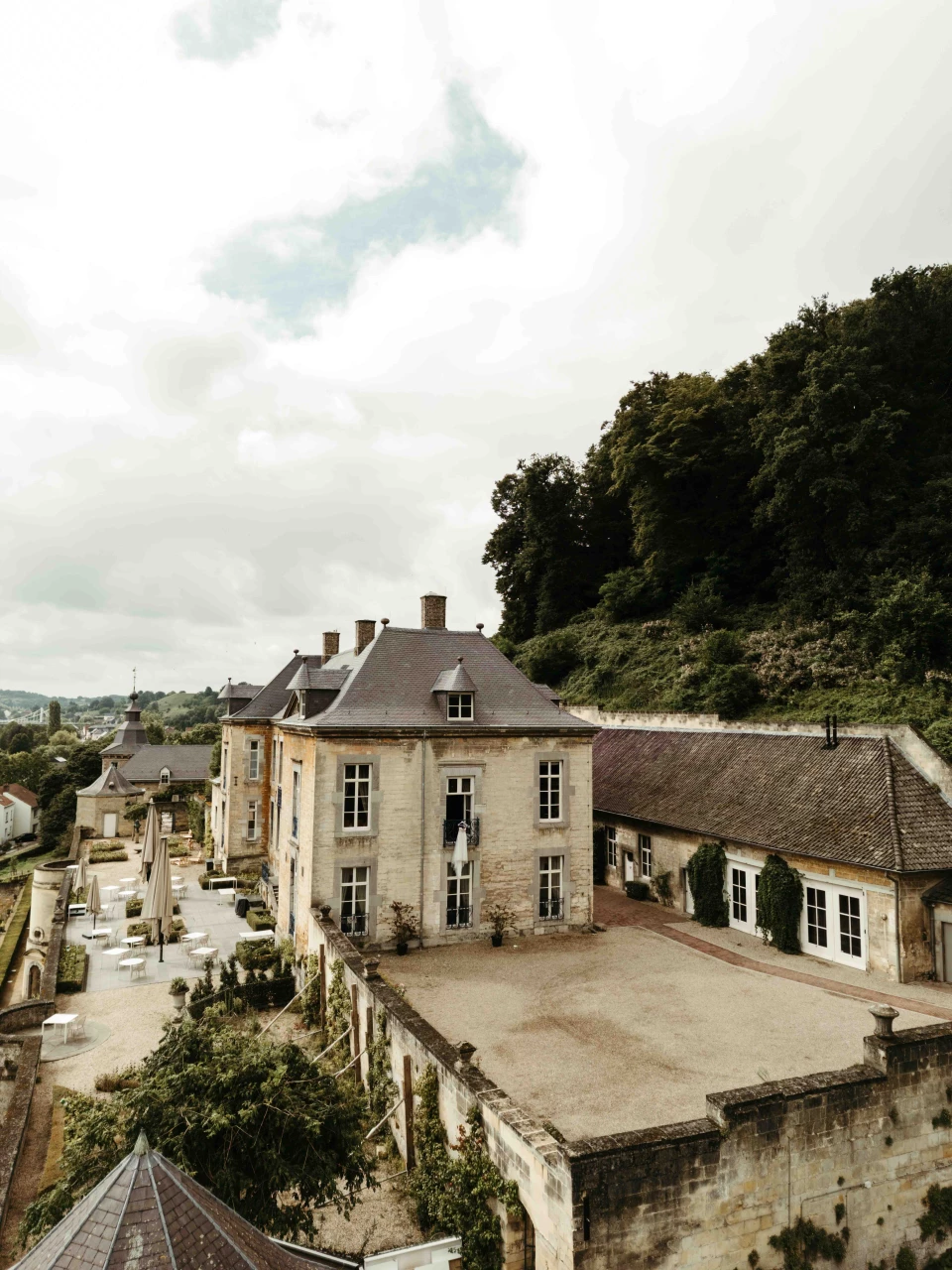
TLDR: The indoor vs outdoor decision is not just about aesthetics. It affects every element of your wedding: total budget, timeline structure, decor investment, attire choices, guest comfort, vendor requirements, and your stress level in the final week when you start checking weather forecasts every hour. Neither option is universally better. ThePerfectWedding.com's venue experts provide an honest, data-backed comparison across every category so you can make this decision based on your real priorities, not just the beautiful outdoor wedding photos you saved on Pinterest.
Key Facts at a Glance
- 65% of US weddings include at least one outdoor element, whether ceremony, cocktail hour, or full reception (Source: The Knot, 2025)
- Outdoor weddings require a weather backup plan that adds $2,000 to $10,000+ to the budget for tenting, alternate space reservations, or same-day logistics (Source: WeddingWire)
- Indoor weddings offer 100% weather reliability but typically require 30% to 50% more decor investment to create atmosphere (Source: Brides.com)
- Hybrid weddings (outdoor ceremony, indoor reception) are the most popular format, combining natural beauty with indoor reliability (Source: Zola, 2025)
- See our comprehensive rain plan guide and fall outdoor wedding ideas on ThePerfectWedding.com

The Case for Outdoor Weddings
Natural beauty that no decorator can replicate
A sunset over the ocean, a ceremony under a 200-year-old oak tree, mountain vistas, or vine rows stretching to the horizon. Outdoor venues provide decor that no florist, no lighting designer, and no rental company can match because it is real, dimensional, and alive. The golden-hour light that filters through tree branches during an outdoor ceremony creates photographs that are genuinely impossible to recreate indoors, no matter how good the photographer or how expensive the lighting rig. Garden estates, beaches, vineyards, and backyard venues all leverage this natural advantage, and the decor savings can be substantial: $1,000 to $5,000 less in florals and staging because the landscape does the heavy lifting.
Photography advantages
Natural light is every photographer's best friend. Outdoor venues in the late afternoon provide soft, diffused, warm light that is flattering to every skin tone and creates depth in every image. The variety of natural backdrops (landscapes, architecture, gardens, water features, textured walls) gives your photographer 10 to 20 distinct photo locations within a single venue. Indoor venues typically offer 2 to 4. Golden hour photos (the 30 to 60 minutes before sunset) are consistently cited by wedding photographers as producing their best work, and golden hour only exists outdoors.
Atmosphere and guest experience
Outdoor weddings feel open, relaxed, experiential, and celebratory in a way that indoor events struggle to match. Fresh air, birdsong, the warmth of sun on skin, and the feeling of openness create a sensory experience that a ballroom cannot replicate. Guests move freely between spaces. Children can run on grass. The overall energy tends to be more relaxed and joyful because guests are not confined to a single room. For couples who spend their weekends hiking, gardening, at the beach, or hosting backyard barbecues, an outdoor wedding is an authentic extension of who they are as a couple.

The Challenges of Outdoor Weddings
Weather: the uncontrollable, unavoidable variable
You cannot control the weather. You can only plan for it, and planning for it costs real money. Rain, extreme heat (above 90 degrees), extreme cold (below 50 degrees), unexpected wind, and humidity can all derail an outdoor event. Even a 30% chance of rain creates anxiety that colors the entire week before the wedding. Every outdoor wedding needs a fully budgeted, fully contracted Plan B that you would be genuinely happy with, not just okay with. A tent adds $3,000 to $15,000 depending on size and style. Reserving an indoor backup space adds $1,000 to $5,000. Heaters or fans add $300 to $1,500. These costs exist whether or not you use them, because they must be arranged in advance. See our complete weather planning guide for the detailed plan.
The hidden cost reality
The outdoor venue rental fee is often lower than an equivalent indoor venue, which makes it look like a budget-friendly choice. But the add-on costs that outdoor venues require frequently exceed the savings.
A typical outdoor venue cost stack beyond the rental: tent or clear-top structure ($3,000 to $15,000), portable luxury restroom trailer ($800 to $2,500), generator for power ($500 to $1,000), outdoor lighting for the evening portion ($500 to $2,000), heaters or fans for temperature management ($300 to $1,500), sound system rated for outdoor use ($300 to $800 beyond standard DJ equipment), bug mitigation ($100 to $300), accessible pathways over grass or uneven terrain ($200 to $500), and additional setup/teardown labor ($500 to $1,500). Total add-on costs: $6,200 to $24,600 beyond the venue rental. An indoor venue that includes all of these elements in the per-person price is often the same total cost or less. See our hidden costs guide for the complete breakdown.
Guest comfort concerns
Not all guests thrive at outdoor events. Elderly guests may struggle with heat, uneven ground, and lack of nearby restrooms. Guests with mobility issues need accessible pathways, firm ground for wheelchairs and walkers, and nearby accessible restrooms. Guests in formal attire may be uncomfortable in direct sun or humidity. Guests with allergies may react to pollen, grass, or flowering plants. Small children need shade, safe areas to play, and sun protection. Insects (mosquitoes, bees, flies) are a reality that citronella candles only partially address. You are asking your guests to attend an event in an uncontrolled environment, and your responsibility is to make that environment as comfortable as possible for everyone, including the guests who would never choose to spend 4 hours outdoors voluntarily.

The Case for Indoor Weddings
Total environmental control
Climate control, lighting control, sound control, and schedule control. The temperature is exactly 72 degrees regardless of the weather outside. The lighting is designed for the event, not dependent on sunset timing or cloud cover. The sound system is calibrated for the room, not competing with wind, traffic, or wildlife. The event runs exactly as planned because there are zero weather variables. For couples who value predictability, precision, and the ability to plan without contingencies, indoor is the objectively safer choice. Nothing on your wedding day depends on what the sky decides to do.
Year-round availability and off-season savings
Indoor venues work identically in every season. A January wedding in a heated hotel ballroom is as comfortable and beautiful as a June wedding in the same room. This opens up off-season pricing (20% to 40% savings at most venues between November and March, excluding holiday weekends) without any weather risk, guest comfort concerns, or plan-B costs. If budget is a primary concern, an off-season indoor wedding is one of the most effective strategies for getting more wedding for less money. The venue, the food, the flowers, and the photographer are all the same quality. Only the calendar date and the price tag change.
Simplified planning
Indoor venues eliminate an entire category of planning: weather contingencies. No tent decisions. No generator coordination. No restroom rentals. No outdoor lighting design. No bug mitigation. No heater/fan logistics. No weather-call decision tree. No Plan B venue to secure and pay for. This is not just about money. It is about the mental load of managing dozens of additional variables that only exist because the event is outdoors. For couples already managing demanding jobs, long-distance planning, or simply high stress levels, the simplicity of indoor is therapeutic. See our wedding planning stress guide.
The Challenges of Indoor Weddings
Decor investment required
Indoor spaces start neutral: carpet, standard lighting, blank walls. The atmosphere that outdoor venues provide for free (natural beauty, golden light, landscape views) must be created from scratch indoors. Budget more for florals, centerpieces, and especially lighting. Uplighting in your wedding colors ($500 to $1,500) transforms a ballroom from corporate conference to romantic celebration. Pin-spot lighting on centerpieces ($300 to $800) adds drama and draws the eye to your table design. Candles (real or LED) warm any indoor space. Draping ($1,000 to $3,000) softens hard architectural lines. These investments add up: plan for $2,000 to $8,000 more in decor than you would spend at a naturally beautiful outdoor venue.
Photography limitations
Indoor lighting is objectively harder to photograph well. Fluorescent ballroom lighting creates unflattering green or yellow color casts. Mixed lighting (some windows, some overhead, some candles) creates inconsistent white balance. Flash photography in low-ceiling rooms can create harsh shadows. None of these problems are unsolvable, but they require a photographer who is experienced and equipped for indoor work. Ask to see full indoor wedding galleries (not just the 10 best shots) from any photographer you are considering for an indoor venue. A photographer who excels outdoors may produce mediocre indoor results, and vice versa.

The Hybrid Solution: Best of Both Worlds
Outdoor ceremony, indoor reception
This is the most popular wedding format in the US, and for excellent reasons. You get the natural beauty, the golden light, and the emotional impact of an outdoor ceremony (typically 20 to 30 minutes, short enough to manage any weather discomfort). Then you move guests inside for the reception, where climate control, reliable lighting, and comfortable seating take over for the 3 to 4 hour celebration. Country clubs, garden estates, and hotels with outdoor ceremony grounds are purpose-built for this format. The ceremony gets the nature. The reception gets the reliability. The photographs get both.
Making the hybrid work
The transition between outdoor and indoor spaces must be smooth, intuitive, and weather-proofed. Can guests walk from the ceremony to the cocktail area to the reception without navigating stairs, gravel paths, long distances, or confusing signage? Is the cocktail space large enough to hold all guests comfortably for 30 to 60 minutes while the reception room is prepared? What happens to the outdoor ceremony if it starts raining 20 minutes before? (Answer: you need an indoor ceremony backup of equal quality, not just a lobby with folding chairs.) Walk the entire guest path during your venue site visit to test the flow.
Expert Tip: "Stop choosing based on the best-case scenario. Choose based on the worst-case scenario. An outdoor wedding on a perfect 75-degree evening with a light breeze and a spectacular sunset is magical, and every outdoor wedding photo on Pinterest shows that best case. But that same outdoor wedding at 95 degrees with 80% humidity, mosquitoes, and guests fanning themselves with the ceremony program is a very different experience. If you cannot handle the worst-case outcome emotionally, logistically, and financially, choose indoor or choose hybrid with a rock-solid backup plan. Your wedding should be wonderful regardless of what the weather decides to do."
Sarah Glasbergen, Founder at ThePerfectWedding.com
Frequently Asked Questions
Can we do an outdoor wedding in a state with unpredictable weather?
Yes, but your backup plan must be airtight. No state has guaranteed weather, including Southern California, which gets surprise rain, Santa Ana winds, and heat waves. The key ingredients: a fully contracted indoor backup space of equal quality to the outdoor space, a clear decision timeline (weather call 24 to 48 hours before the event), agreement on who makes the final call (the couple, the coordinator, or a specific weather threshold), and genuine emotional readiness to activate Plan B without disappointment or regret. If you would feel devastated using Plan B, your outdoor wedding will carry anxiety regardless of the forecast.
Is an outdoor wedding actually cheaper?
Often no, despite appearing cheaper on paper. The venue rental may be lower, but the add-on costs (tent, restrooms, generator, lighting, heating/cooling, sound, bug control, accessible pathways, and additional labor) frequently match or exceed the savings. Use our venue comparison framework to calculate the true all-in cost of outdoor vs. indoor before deciding based on price.
What about outdoor weddings and accessibility?
Accessibility requires specific planning for outdoor venues. Grass and gravel are not wheelchair-accessible. Temporary flooring or boardwalk paths over soft ground are essential ($200 to $500). Accessible restroom trailers (larger, with ramp access) cost more than standard models. Seating areas with shade are necessary for guests who cannot stand for extended periods. Level ground for mobility device users must be confirmed during the site visit. Indoor venues are typically ADA-compliant by default. Outdoor venues require you to create that compliance.
Can we have an outdoor wedding in winter?
In warm-climate states, absolutely. Florida, Southern California, Hawaii, Arizona, and parts of Texas offer comfortable outdoor wedding weather year-round (55 to 75 degrees in winter). In cold-climate states, winter outdoor weddings are possible but require significant heating infrastructure (enclosed tent with heaters, $2,000 to $8,000+), warm blankets or wraps for guests, and a willingness to embrace the cold as part of the aesthetic. Snowy outdoor ceremonies can be breathtakingly beautiful if everyone is dressed and prepared for the temperature.
What is the biggest regret couples have about their venue choice?
The most common regret is choosing based on aesthetics alone and underestimating logistics. A gorgeous venue that is too hot, too far, too small, too restrictive, or too expensive once you add all the extras creates stress that overshadows the beauty. Couples who choose based on a balanced assessment of beauty AND logistics consistently report higher satisfaction with their venue choice. Beauty fades from memory. Comfort and joy do not.
Should we visit the venue during bad weather?
Yes, if considering an outdoor venue. A garden venue on a sunny May afternoon looks very different from the same garden in July heat or during a rain shower. Visit during conditions similar to your potential worst-case scenario. If the venue feels unworkable in bad conditions and the backup space is disappointing, that is critical information you need before signing a contract.
More venue planning on ThePerfectWedding.com: Compare venues, Contract red flags, Capacity guide, Site visit checklist, All-inclusive vs DIY, and more. Start with our questions to ask every venue. Browse venue types: barn, hotel, vineyard, beach, restaurant, and garden estate. Find venues on our venue directory.


