Engagement Photo Ideas: Locations, Outfits, Poses, and How to Get Photos You Actually Love
Engagement photo guide: location ideas, outfit planning, camera-shy preparation, timing, and how to use your engagement photos.

by Sarah Glasbergen on 28 June 2026
Web editor
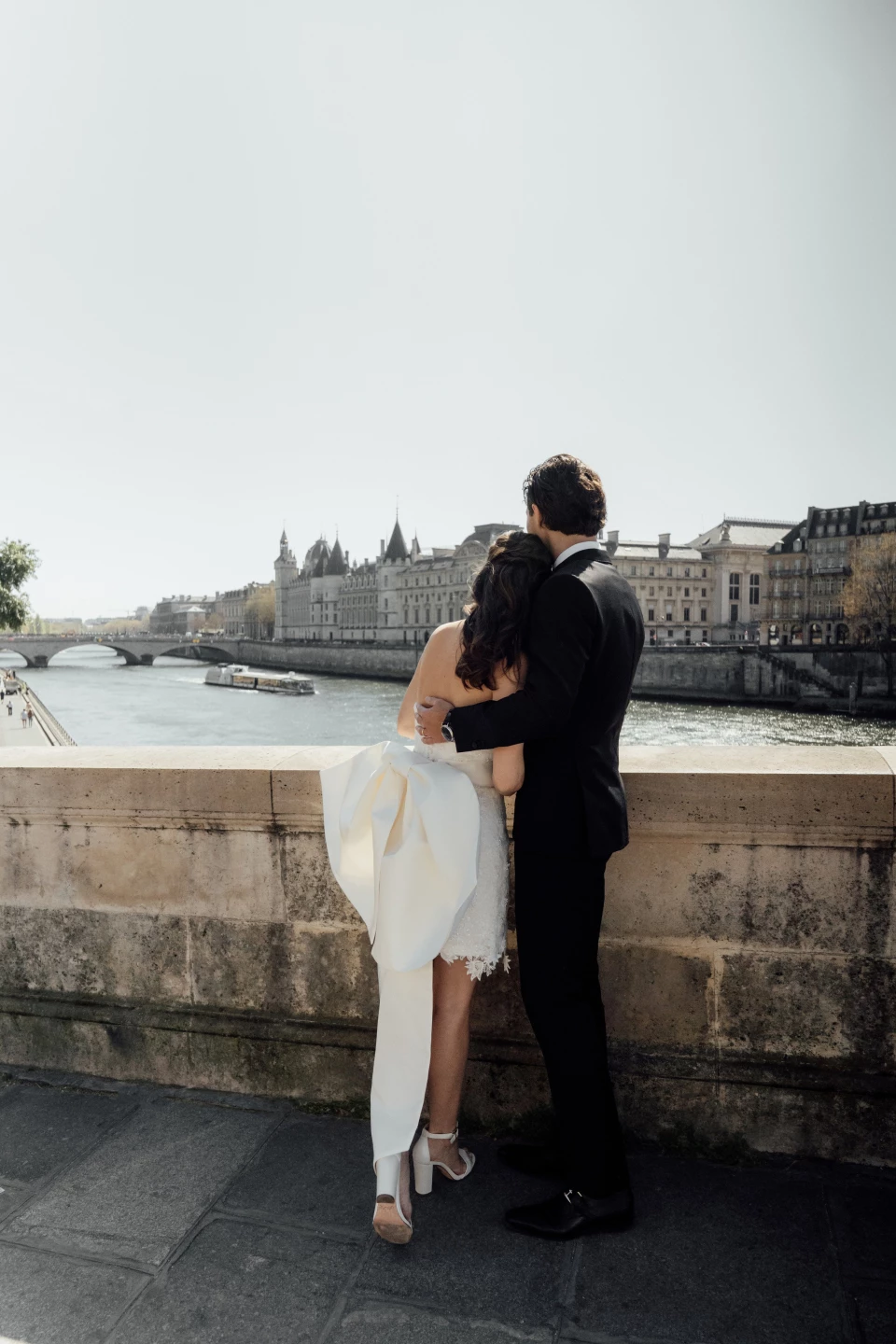
TLDR: Engagement photos serve three practical purposes beyond just being pretty pictures: they give you a trial run with your wedding photographer (you learn their style, they learn your comfort level), they produce images for your save-the-dates and wedding website, and they help you get comfortable in front of a camera before the wedding day when nerves are higher. ThePerfectWedding.com's photography experts cover the best locations, what to wear, how to prepare if you are camera-shy, and the honest timeline for when to schedule your session.
Key Facts at a Glance
- Average engagement session length: 60 to 90 minutes at 1 to 2 locations (Source: The Knot, 2025)
- Many wedding photographers include an engagement session in their package at no extra cost (Source: WeddingWire)
- Standalone engagement session cost (if not included): $200 to $600 (Source: Brides.com)
- Schedule 6 to 9 months before the wedding to have images ready for save-the-dates and the wedding website (Source: Zola)
- See our how to choose a photographer for booking your photographer first

Choosing Your Location
Location categories that work
The best engagement photo locations are meaningful to your relationship and visually interesting:
- Where your story happened: the restaurant where you had your first date, the park where you got engaged, the neighborhood where you first lived together, the campus where you met. Personal locations create images with emotional layers that generic pretty spots lack
- Urban settings: downtown streets, murals, architecture, rooftop views, coffee shops, bookstores, markets. Best for couples who love city life. The variety of backdrops (brick walls, neon signs, wide sidewalks) gives the photographer range within a small area
- Nature settings: beaches, forests, mountain overlooks, lavender fields, vineyards, botanical gardens. Best for couples who spend time outdoors. Natural light in these settings is typically beautiful, especially during golden hour (see our golden hour guide)
- Home: your apartment or house, cooking together, on the couch with your pet, in your backyard. Intimate, relaxed, and uniquely yours. Works especially well for camera-shy couples because you are in your comfort zone
- Activity-based: hiking, kayaking, dancing, cooking, visiting a farmers market, playing a sport you both love. Action creates natural, unposed moments and genuine expressions. You are doing something rather than standing stiffly
Location logistics
- Check permit requirements: some parks, beaches, and public spaces require photography permits ($25 to $100). Your photographer should know local permit rules
- Visit during the time of day you will shoot: a location that is beautiful at noon may be in shadow at 5 PM. Check sun angle and lighting conditions at your planned session time
- Consider crowds: popular locations on weekends are packed with people walking through your shots. Weekday sessions or early morning sessions avoid this
- Travel time between locations: if using 2 locations, keep travel under 15 minutes. Longer drives eat into your 60 to 90 minute session
What to Wear
Outfit strategy
Plan 1 to 2 outfits that coordinate without matching:
- Outfit 1 (primary): slightly dressed up, the version of yourselves you would wear to a nice dinner. This produces the images for save-the-dates and the wedding website. Think: a dress or tailored pants with a blouse for one partner, a button-down with nice pants for the other
- Outfit 2 (optional): more casual and personal. Jeans, a cozy sweater, sneakers, or whatever represents your everyday style. These images are for you personally, not for wedding stationery
What works and what does not
- DO: coordinate colors (complementary tones, not identical outfits), choose solid colors or subtle patterns (they photograph better than busy prints), wear clothes that fit well and make you feel confident, consider the location (a flowy dress in a field looks romantic; the same dress in a downtown alley looks misplaced)
- DO NOT: wear matching outfits (couple in identical white shirts looks dated), wear logos or large text graphics, wear brand-new shoes you have not broken in (you will be walking and standing for 90 minutes), wear neon or highly saturated colors that pull focus from your faces
Practical prep
- Hair and makeup: if you plan to hire a professional for the wedding, consider a trial for the engagement session. This gives you a preview AND beautiful photos. If doing your own hair/makeup, style it the way you want to look in photos (not your everyday look)
- Nails: your hands will be in close-up shots (ring photos, hand-holding). A fresh manicure or clean, neat nails make a visible difference
- Bring your ring: ring detail shots are a standard part of engagement sessions. Clean your ring before the shoot

How to Prepare If You Are Camera-Shy
The honest truth about camera discomfort
Most couples feel awkward in front of a camera. This is completely normal. You are not models. You have not been trained to pose. Standing in a park while someone points a camera at you feels weird. Here is how to manage it:
- Talk to each other, not the camera: the best engagement photos look like the camera is not there. Your photographer will direct you to walk together, whisper something funny, hold hands and look at each other. Focus on your partner, not the lens
- Movement helps: walking, dancing, twirling, piggyback rides, and playful interaction create natural-looking photos. Standing still and staring at the camera creates stiff, awkward photos. A good photographer will keep you moving
- Music helps: ask your photographer if they can play music from a phone speaker during the session. Familiar music relaxes you and encourages natural movement
- A drink helps (one): a single glass of wine or beer before the session loosens tension without impairing judgment. Two drinks creates glassy eyes in photos
- The first 15 minutes are the worst: every photographer knows that the first 10 to 15 minutes of a session are stiff and awkward. By minute 20, most couples relax. By minute 40, they forget the camera exists. Trust the process
Timing and Scheduling
When to schedule
- 6 to 9 months before the wedding: this gives you time to receive edited images (2 to 4 weeks after the session), select your favorites, and use them for save-the-dates (sent 6 to 8 months before the wedding) and your wedding website
- Season matters: fall (golden foliage, warm light) and spring (green leaves, cherry blossoms) are the most popular and most photogenic seasons. Winter (bare branches, cozy outfits, snow) and summer (beaches, fields, long evenings) work beautifully with the right location
- Time of day: 60 to 90 minutes before sunset (golden hour) is universally the most flattering light. See our golden hour photography guide for details. Avoid midday (harsh overhead shadows) unless shooting in full shade
How long the session takes
- 60 minutes: 1 location, 1 outfit, 50 to 100 edited images. Standard and sufficient for most couples
- 90 minutes: 1 to 2 locations, 1 to 2 outfits, 75 to 150 edited images. More variety and more time to relax into the session
- 2+ hours: multiple locations, outfit changes, lifestyle/activity elements. Results in 100 to 200+ images. Best for couples who want extensive content for social media, wedding website, and print
Using Your Engagement Photos
Where the images go
- Save-the-date cards: the primary practical purpose. Choose 1 to 2 photos for your save-the-date design
- Wedding website: 5 to 10 photos create a beautiful homepage and "Our Story" section
- Reception decor: framed engagement photos at the sign-in table, in a slideshow during the reception, or as part of a photo display
- Social media: engagement announcement posts, countdown posts, and wedding-related content
- Personal keepsake: printed and framed for your home. These are the first professional photos of your relationship and they hold sentimental value far beyond the wedding
Expert Tip: "The engagement session is not about getting perfect photos. It is about getting comfortable with your photographer so that on the wedding day, you already trust them. You know their voice, their energy, their style of direction. They know your good angles, your natural chemistry, and what makes you laugh. That familiarity produces better wedding day photos than any amount of posing instruction. If your photographer offers an engagement session, take it. If they do not, ask for one. The investment of 90 minutes before the wedding pays off in every photo taken on the wedding day."
Sarah Glasbergen, Founder at ThePerfectWedding.com

Frequently Asked Questions
Can we bring our dog to the engagement session?
Yes, and pet-inclusive photos are increasingly popular. Tips: bring a handler (someone other than the couple) who can manage the pet between shots, bring treats for attention and cooperation, schedule the pet for the first 20 to 30 minutes (before they get tired or bored), and accept that pet photos are charmingly imperfect. The best dog photos are the candid, slightly chaotic ones.
What if it rains on our engagement session day?
Light rain creates stunning, moody, romantic photos (clear umbrellas are the classic prop). Heavy rain usually means rescheduling. Discuss the rain policy with your photographer before booking. Most allow one free reschedule for weather. Indoor backup locations (a favorite cafe, a library, a museum lobby, your home) work beautifully for rainy-day sessions. See our rain plan guide for weather strategies.
Should we include props?
Skip the chalkboard signs and balloon letters. Props that photograph well: a shared blanket for sitting shots, a bouquet of flowers, your favorite book or vinyl record, food or drinks (ice cream cones, coffee cups, a bottle of wine at a picnic). Props should feel natural to your life, not staged for a photo. If you would never hold a "Future Mrs." sign in real life, do not hold one for photos.
Do we need professional hair and makeup for the engagement session?
Not required, but recommended if you want polished, editorial-quality images. Professional hair and makeup ($150 to $300 for the session) ensures your look is camera-ready, photographs well in the specific lighting conditions, and lasts through 90 minutes of outdoor shooting without melting or fading. If budget is tight, invest in a professional for the wedding and do your own for the engagement session with extra care and setting spray.
Can we do engagement photos after the wedding?
Yes. They are called "day-after" or "post-wedding" sessions and serve a different purpose: you are already married, the pressure is off, and you can wear your wedding attire in a relaxed, creative setting you did not have time for on the wedding day. See our day-after session guide for details.
More photography guides on ThePerfectWedding.com: Shot list, Posing guide, Boudoir guide, Day-after session, Album design, Photo booth ideas, and more. See our how to choose a photographer, film vs digital, and drone photography guides. Find photographers on our vendor directory.


