Wedding Invitation Printing Methods: Digital, Letterpress, Foil, and More
Wedding invitation printing methods compared: digital, letterpress, foil stamping, thermography, and engraving, with 2026 costs and how to choose.

by Sarah Glasbergen on 26 June 2026
Web editor
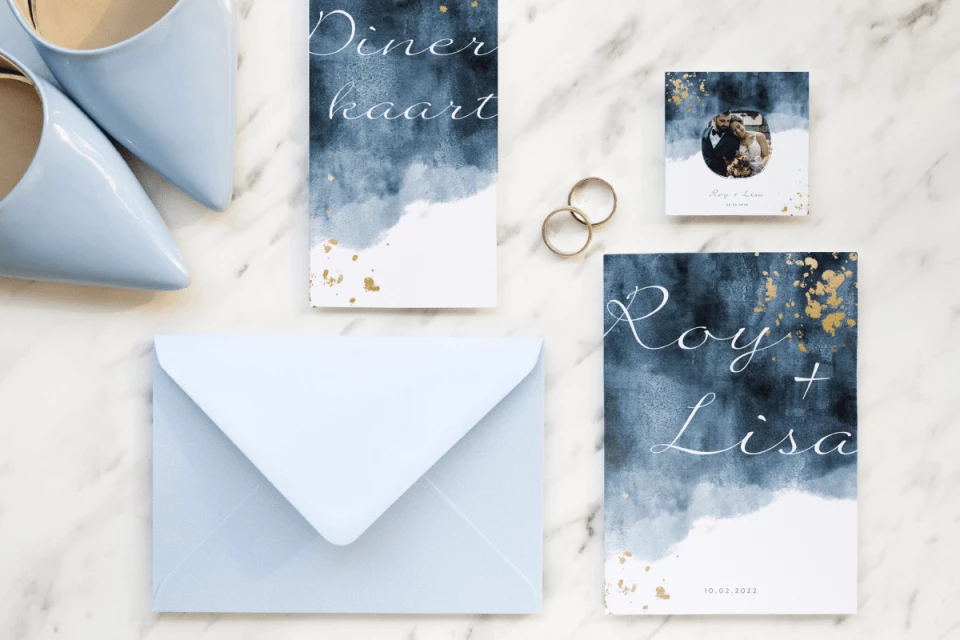
The five main wedding invitation printing methods are digital (flat) printing, letterpress, foil stamping, thermography, and engraving. Digital is the most affordable and versatile, starting around $2 per card. Letterpress and foil cost more but feel luxurious, and a popular money-saving move is to print the invitation in a premium method while keeping the enclosures digital.
Printing method is the single biggest driver of how your invitations look, feel, and cost. The same design can read as casual or heirloom depending on whether it is flat printed or pressed into thick cotton paper. Below, ThePerfectWedding.com explains each method, what it costs in 2026, and how to choose, including the mix-and-match approach planners quietly recommend. For the finishing touches that sit on top of the print, see our work on the wedding invitations hub.
Key Facts at a Glance
- Digital (flat) printing starts around $2.04 per card, the most affordable printed option (Source: Paperlust, 2026)
- A complete suite for 100 guests runs about $250 to $600, with letterpress and foil at the higher end (Source: Paperlust, 2026)
- Foil stamping carries a higher minimum order, around 50 cards, versus about 10 for flat designs (Source: Paperlust, 2026)
- Thermography mimics engraving at a fraction of the cost, sitting just above digital in price (Source: ThePerfectWedding.com, 2026)
- Printing one premium method for the invitation and keeping enclosures digital is a leading way to get a luxury feel for less (Source: Paperlust, 2026)
What Are the Main Wedding Invitation Printing Methods?
Five methods cover almost every invitation on the market. Digital and thermography sit at the affordable end, letterpress and foil in the premium middle, and engraving at the luxury top. The right one depends on your aesthetic, your paper, and your budget, and the methods can be combined on a single suite.
According to ThePerfectWedding.com's stationery editors, the question is less which method is best and more which one matches the feeling you want guests to have when they hold the card. A modern, colorful design wants digital. A classic, heritage suite rewards letterpress or engraving.
What Is Digital (Flat) Printing?
Digital printing, also called flat printing, lays ink directly onto the paper from a digital file, with no plates and no setup. It is the most affordable, fastest, and most versatile method, and it handles full-color artwork, watercolor washes, and photographs that the pressed methods cannot reproduce. The finish sits flat on the surface, with no texture you can feel.
Digital is the right call for modern designs, tight budgets, tight timelines, and any suite with full-color illustration. It also prints the enclosure cards in nearly every premium suite, because there is no reason to spend on letterpress for a card guests glance at once. Starting near $2 per card, it sets the baseline every other method is measured against. Because it needs no plates or press setup, digital also has the fastest turnaround, which matters when your mailing window is tight.
What Is Letterpress Printing?
Letterpress is one of the oldest methods. A metal plate is inked and pressed into thick, soft cotton paper, leaving a tactile impression you can feel with a fingertip. That indentation, plus the heavyweight paper letterpress demands, is what makes it read as an heirloom. Each ink color needs its own plate and its own pass through the press, so cost climbs with every color you add.
Letterpress suits classic, formal, and heritage weddings, and it is the method couples least regret splurging on because guests notice it unprompted. It pairs beautifully with the kind of botanical and calligraphy designs you see across our sage green wedding inspiration. Plan for a higher minimum order and a custom plate fee.
What Is Foil Stamping?
Foil stamping presses a thin metallic or pigmented foil into the paper using a heated plate, the same pressing action as letterpress but with shimmer instead of ink. The result is a mirror-bright, debossed effect that photographs beautifully and reads as genuinely bespoke. Gold, rose gold, silver, and copper are classics, though foil now comes in nearly any color.
True stamped foil is a premium upgrade and carries a higher minimum order than flat designs. A budget-friendly cousin, digital foil, adheres foil with heat but sits flat and looks less crisp. Many couples reserve foil for one element, the names or a monogram, and keep the rest of the card simpler to control the cost. Foil also layers beautifully over letterpress, a combination stationers use when a design wants both the pressed impression and a metallic shimmer in the same piece.
What Are Thermography and Engraving?
Thermography is the clever middle ground. A resin powder is dusted over wet ink and heated until it swells into a smooth raised surface, mimicking the look of expensive engraving at a price just above digital. It works in one to three colors rather than full color, but for classic text-based invitations it delivers a raised, polished finish affordably.
Engraving is the traditional luxury peak. A design is etched into a metal plate, which presses raised, crisp ink onto the paper from behind, leaving a faint impression on the reverse. It is the most labor-intensive and most expensive method, reserved for the most formal weddings. For most couples, thermography captures a similar raised effect without the engraving price.
How Much Does Each Printing Method Cost?
Per-card prices fall as quantity rises, so the gap between methods narrows at 100-plus invitations. The ranges below are starting points for the invitation card itself, before paper upgrades, extra colors, and addressing. Use them to sense the relative jump, not as final quotes.
| Method | Look and feel | Relative cost | Best for |
|---|---|---|---|
| Digital (flat) | Smooth, full color, no texture | Lowest, from about $2 per card | Modern, colorful, budget, fast |
| Thermography | Raised, glossy text | Just above digital | Classic look for less |
| Letterpress | Pressed, tactile impression | Premium | Formal, heritage, heirloom |
| Foil stamping | Metallic, debossed shimmer | Premium | Glamour and accents |
| Engraving | Raised, crisp, formal | Highest | Black-tie, traditional |
A complete suite for 100 guests typically runs $250 to $600 depending on method (Source: Paperlust, 2026). Keep the whole stationery line visible in your wedding costs hub, and remember that addressing and postage sit on top of these printing numbers.
How Do You Choose a Printing Method?
Match the method to your aesthetic first, then your budget. Choose digital for modern or colorful designs and tight budgets, thermography for a classic raised look at a gentle price, letterpress for formal and heritage weddings, foil for glamour, and engraving for black-tie formality. Browse finished examples on our wedding invitations hub and compare stationers in our invitation vendor directory.
The best budget move is to mix methods. Print the invitation in the premium method you love, then keep the reply card and enclosures in digital. Guests keep the invitation and barely glance at the rest, so you capture the luxury feel where it counts and save on the pieces that get recycled.
“If you adore letterpress or foil but the all-in quote makes you wince, split the suite. Press the invitation, the piece people frame, and print the enclosures flat. Nine times out of ten the couple cannot tell the difference in the finished set, and the savings are real. One premium method, used on one card, does all the heavy lifting.”
Sarah Glasbergen, Senior Wedding Editor at ThePerfectWedding.com [DRAFT QUOTE: needs approval]
-
What is the cheapest wedding invitation printing method?
Digital, or flat, printing is the most affordable, starting around $2 per card. It also handles full-color artwork that pressed methods cannot, which makes it the most versatile option.
-
Is letterpress worth the cost?
For formal and heritage weddings, many couples feel it is. The pressed, tactile impression on thick paper reads as heirloom quality and guests often comment on it. To save, letterpress only the invitation and print the rest digitally.
-
What is the difference between foil stamping and digital foil?
True foil stamping presses metallic foil into the paper with a heated plate, leaving a crisp, debossed shimmer. Digital foil adheres foil flat with heat, costs less, and looks less sharp.
-
What is thermography?
Thermography dusts resin powder over wet ink and heats it to create a smooth, raised finish. It mimics engraving at a price just above digital, in one to three colors.
-
Can I combine printing methods on one suite?
Yes, and it is a smart budget move. Print the invitation in a premium method like letterpress or foil, and keep the reply card and enclosures in affordable digital.
-
Does printing method affect postage?
Indirectly. Premium methods often use heavier paper, and rigid or thick suites can push you into a higher postage bracket, so weigh a finished suite before buying stamps.
Print Your Invitations with ThePerfectWedding.com
Compare designs on our wedding invitations hub, get the wording right with our invitation wording guide, time the order and mailing with our invitation timeline, and budget the paper with our wedding costs hub. Find a stationer in our invitation vendor directory.


