How to Word the Dress Code on a Wedding Invitation
How to Word the Dress Code on a Wedding Invitation Meta Description: How to word the dress code on a wedding invitation, where to place it, the standard terms explained, and how to communicate it clearly.

by Sarah Glasbergen on 26 June 2026
Web editor
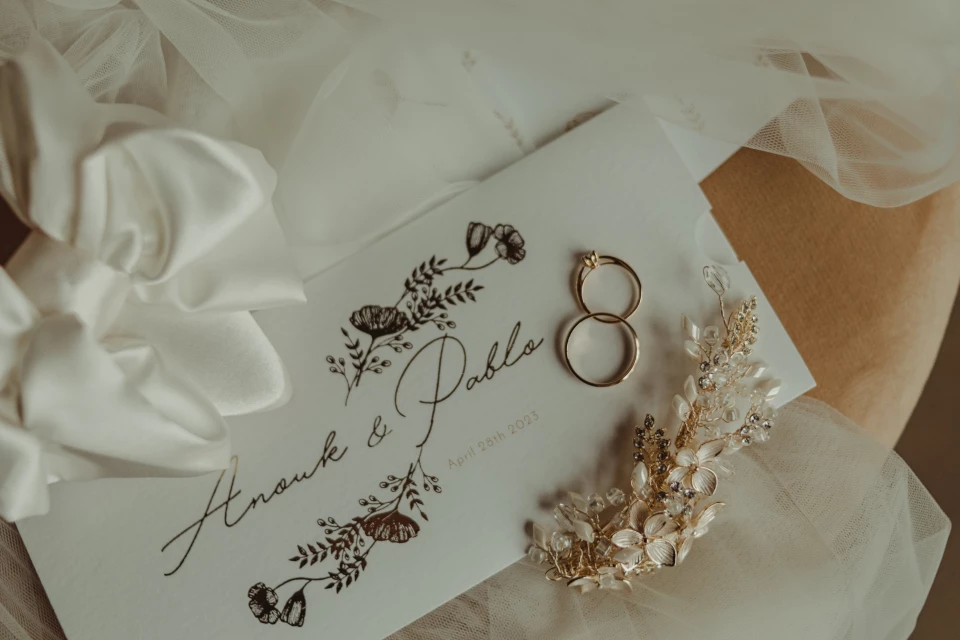
TLDR: To communicate a dress code on a wedding invitation, print one clear term in the lower corner or on the details card, for example black tie, cocktail attire, or dressy casual. Name the level, then back it up with a one-line explanation on your wedding website so no guest has to guess.
A dress code is a kindness, not a demand. It tells guests how formal the day will be so they arrive comfortable and confident rather than over or underdressed. The trick is naming a recognized level clearly and explaining it once in plain language. Below, ThePerfectWedding.com covers every dress code level, exactly what to write, where it belongs on the suite, and how to set expectations without sounding bossy.
Key Facts at a Glance
- Dress code is one of the seven essentials guests expect to find, and leaving it off is one of the most common stationery gaps (Source: Bliss and Bone, 2026)
- Black-tie optional means a tuxedo or dark suit, or a floor-length gown or cocktail dress, which is why a one-line definition helps (Source: Joy, 2026)
- Dress code is one of the ten core questions a wedding website FAQ should answer (Source: Aisle, 2026)
- The FAQ page is the most-read page after the homepage, so the dress code explanation belongs there in full (Source: Aisle, 2026)
- The invitation carries the short label and the website carries the detail, since space on the card is limited (Source: The Knot, 2026)
How Do You Put a Dress Code on a Wedding Invitation?
Print the dress code as a short line, usually in the lower right corner of the invitation or at the bottom of the details card. One or two words is enough: black tie, cocktail attire, garden formal, or dressy casual. Keep the term recognizable so guests instantly know the formality level.
Then explain it once on your wedding website, where you have room for a sentence of detail. According to ThePerfectWedding.com's stationery editors, the label sets the level and the website removes the doubt, which is the combination that actually prevents wrong outfits. For where the details card sits in the suite, see our invitation suite anatomy guide.
What Are the Wedding Dress Code Levels?
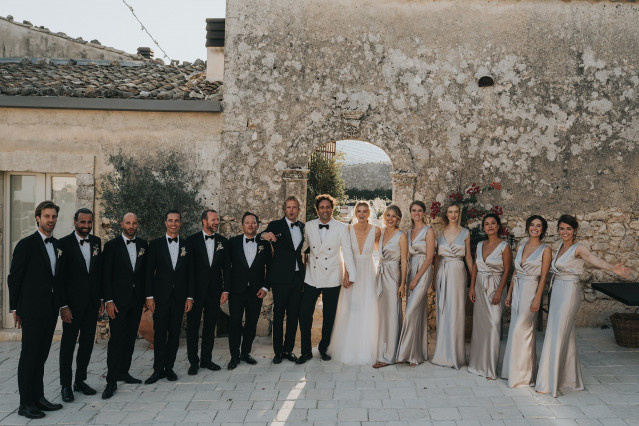
There are six widely understood levels, from most to least formal: white tie, black tie, formal or black-tie optional, cocktail or semi-formal, dressy casual, and casual. Each one signals a clear expectation, and pairing the label with a short description on your website closes the gap between what you mean and what guests picture.
Black-tie optional, the most misread level, means a guest can wear a tuxedo or a dark suit, and a floor-length gown or a cocktail dress (Source: Joy, 2026). Spelling that out in one line saves a flurry of texts. Themed or color codes, such as garden formal or an all-white reception, sit alongside these levels and always need a website explanation.
| Dress code | What it means | What to write |
|---|---|---|
| White tie | Most formal: tails, floor-length gown | White Tie |
| Black tie | Tuxedo or dark suit; gown or formal dress | Black Tie |
| Formal / Black-tie optional | Tux or dark suit; gown or cocktail dress | Black Tie Optional |
| Cocktail / Semi-formal | Suit; cocktail dress or dressy separates | Cocktail Attire |
| Dressy casual | Slacks and collared shirt; sundress or jumpsuit | Dressy Casual |
| Casual | Neat, relaxed; no jeans unless stated | Casual Attire |
Where Should the Dress Code Go on the Suite?
On a formal invitation, the dress code traditionally sits in the lower right corner of the main card. If your invitation is busy or very minimal, move it to the details or information card instead, where it shares space with directions and timing. Either spot works, as long as it is easy to find at a glance.
For destination or multi-event weddings, list the dress code per event on the website rather than cramming it onto the card. A welcome dinner, ceremony, and farewell brunch can each have their own level. Map those events with our wedding website checklist so guests pack correctly.
How Do You Word a Dress Code Without Sounding Bossy?
Lead with warmth and frame it as helping guests prepare. Instead of a blunt command, try "We would love to see you in cocktail attire" or "Dress code: garden formal, think linen suits and midi dresses." A light, specific line reads as guidance, not a rule, and gives guests a concrete picture.
Avoid listing what guests cannot wear unless it is truly necessary, such as a request to avoid white at the ceremony or to skip stilettos on a lawn. When you do need a restriction, explain the reason briefly, because guests follow requests far more willingly when they understand why.

Should the Dress Code Be on the Website Too?
Yes, and the website is where the full explanation belongs. Dress code is one of the ten core questions a wedding website FAQ should answer, and the FAQ is the most-read page after the homepage (Source: Aisle, 2026). Give each level a one-line definition so the meaning is unmistakable. For the full list of pages and questions, see our wedding website checklist.
Match the website wording to the label on the invitation so the two never contradict each other. If the card says cocktail attire, the website should define cocktail attire, not semi-formal. Consistency across your paper and your site is what keeps guests confident about what to wear.
What If You Have a Themed or Color Dress Code?
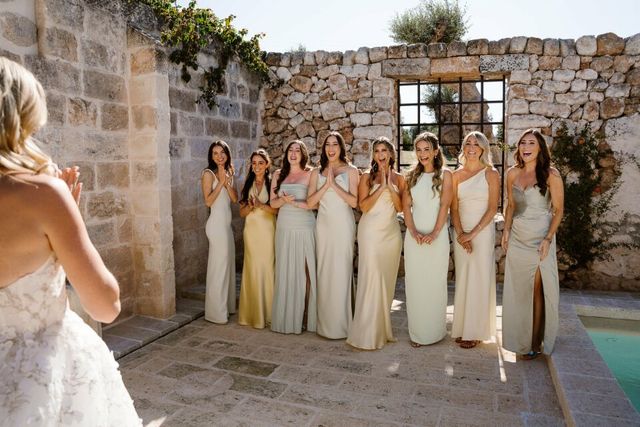
Themed and color codes are popular and photograph beautifully, but they are also the easiest to misread, so they need the clearest explanation. An all-white reception, a specific palette, or a garden-party theme should appear as a short label on the card and a full description on the website, ideally with an example or two.
Be realistic about what you ask of guests. A simple color request is easy, while an elaborate costume theme can stress people out and lower attendance. Keep it optional and fun, and offer guidance rather than rules. Browse styling inspiration on our wedding ideas hub and guest guides.
Where Should the Dress Code Go on the Invitation?
Place the dress code where guests will naturally look: the lower right corner of the invitation, or on the details or reception card if your suite has one. Keep it to one clear term so there is no ambiguity, and make sure the same wording appears anywhere else you mention it. Our invitation suite anatomy shows where each piece of information belongs, and our wording templates give you ready phrasing.
How Do You Communicate Dress Code Beyond the Invitation?
The invitation sets the term, but your wedding website is the place to explain it. Add a short note on what the dress code means in practice, a few examples of what to wear, and even a colour palette or inspiration link so guests feel confident. Reinforce it through your wedding party and close family, who often field the what-should-I-wear questions. For the rest of your stationery wording, see our wording templates and browse the wedding stationery section on ThePerfectWedding.com.
“Couples worry that stating a dress code feels demanding, but the opposite is true. Guests are relieved to know the formality level. Put one clear term on the invitation, define it in one warm sentence on your website, and you have given everyone the gift of arriving dressed exactly right.”
Sarah Glasbergen, Senior Wedding Editor at ThePerfectWedding.com
-
Where does the dress code go on a wedding invitation?
Print it as a short line in the lower right corner of the main invitation, or at the bottom of the details card. Then explain it in full on your wedding website.
-
What does black-tie optional mean?
Guests may wear a tuxedo or a dark suit, and a floor-length gown or a cocktail dress. Because it is the most misread level, define it in one line on your website.
-
Do I have to include a dress code?
It is not strictly required, but guests expect it and appreciate it. Leaving it off is a common gap that leads to mismatched outfits and last-minute texts asking what to wear.
-
How do I word a dress code politely?
Frame it as helping guests prepare, such as 'We would love to see you in cocktail attire.' Keep it warm and specific, and explain any restriction briefly so it reads as guidance, not a rule.
-
Can different events have different dress codes?
Yes. A welcome dinner, ceremony, and farewell brunch can each have their own level. List them per event on your wedding website rather than crowding the invitation.
-
Should the website and invitation match?
Always. Use the same label on both, and let the website carry the one-line definition. If the card says cocktail attire, the website should define cocktail attire, not a different level.
Set Expectations with ThePerfectWedding.com
Pair your dress code with our wedding website checklist, place it correctly using our invitation suite anatomy guide, and word the rest of the card with our invitation wording guide. Browse styling ideas on our wedding ideas hub and guest guides.


