Wedding Invitation Paper and Cardstock: Types, Weights, and How to Choose
Wedding invitation paper and cardstock explained: types, weights, finishes, and how to match paper to your print method.

by Sarah Glasbergen on 28 June 2026
Web editor
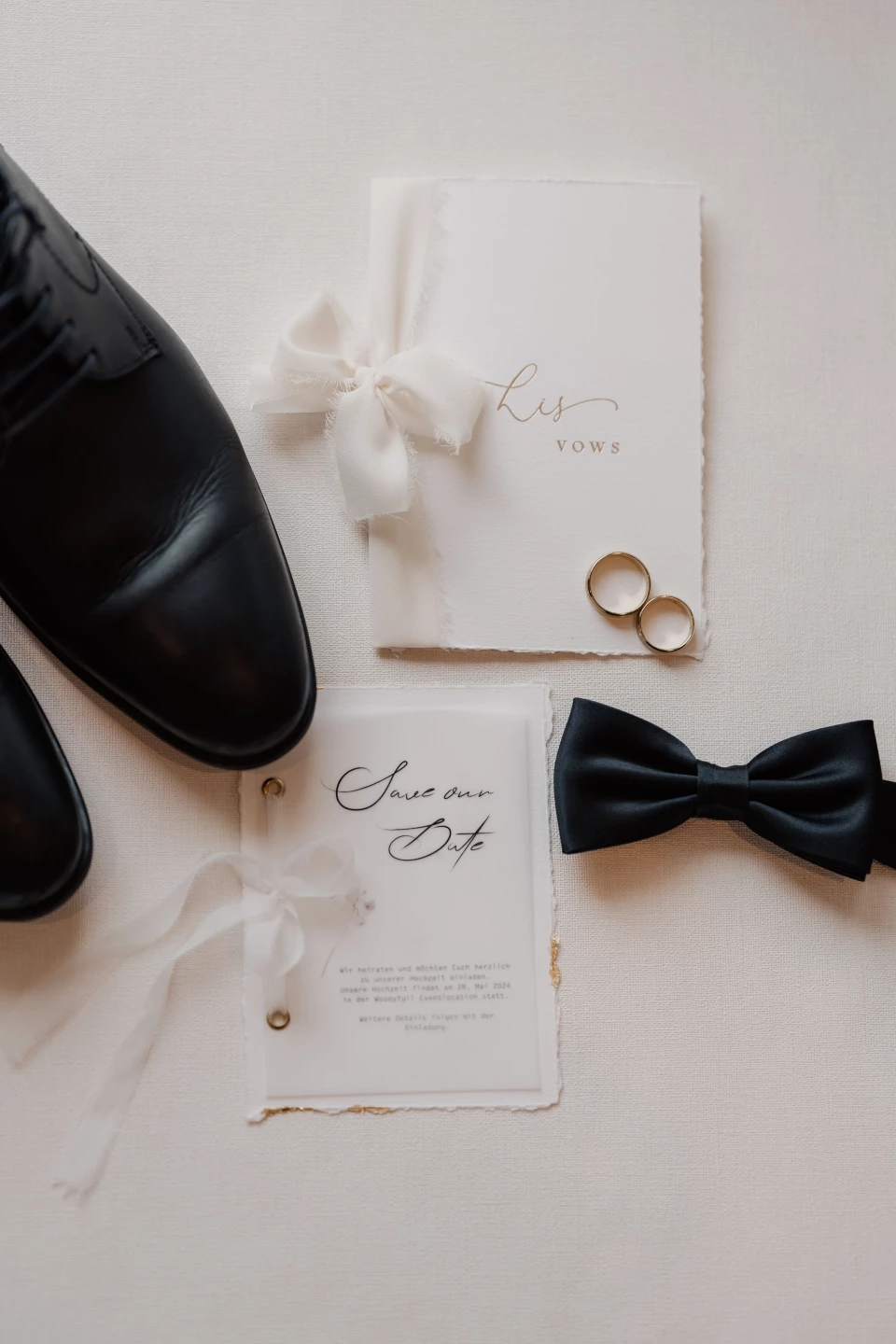
TLDR: For most wedding invitations, a heavyweight cardstock between 110 and 120 lb cover, around 300 to 350 gsm, is the standard. It feels substantial, survives the mail, and prints well. Cotton paper is the classic choice for letterpress, vellum makes a translucent overlay, and linen adds woven texture. Match the weight and stock to your printing method and your style.
Paper is the part of the invitation you literally feel, and the right weight signals the importance of the day before a guest reads a word. The choices, lb versus gsm, cotton versus cardstock, matte versus shimmer, can feel like a different language. Below, ThePerfectWedding.com decodes paper weights, stock types, and finishes, and matches each to a printing method and a wedding style. For how those methods differ, pair this with our work on the wedding invitations hub.
Key Facts at a Glance
- 110 to 120 lb cover, about 300 to 350 gsm, is the standard for wedding invitations (Source: Utah Announcements, 2026)
- 300 gsm is widely called the industry gold standard, rigid enough to survive mailing (Source: Utah Announcements, 2026)
- Letterpress and foil use heavier cotton stock, often 110 to 220 lb, to hold the impression (Source: LCI Paper, 2026)
- Home printers typically handle only 80 to 100 lb cover, so heavier stock needs professional printing (Source: Cardstock Warehouse, 2026)
- Basic cardstock costs roughly $0.10 to $0.30 per sheet, before premium cotton or specialty papers (Source: ThePerfectWedding.com, 2026)
How Is Wedding Invitation Paper Weight Measured?
Two systems describe the same thing: thickness and heft. In the US, paper is measured in pounds, shown as lb or a pound sign. In most of the rest of the world it is grams per square meter, or gsm, which is the cleaner scale because a higher number always means heavier paper. With pounds, the number depends on the paper category, so gsm is the more reliable comparison.
For wedding invitations, heavier reads as more luxurious, up to a point. Around 110 to 120 lb cover, roughly 300 to 350 gsm, is the sweet spot that feels rigid and substantial without becoming hard to mail. Two-ply or duplexed stock at 220 lb and above is reserved for formal and black-tie suites where the paper itself is part of the statement. As a rule of thumb, anything below about 250 gsm starts to feel closer to a greeting card than a wedding invitation, which is why the heavier cover weights are worth the small added cost.
What Is the Best Cardstock Weight for Invitations?
For a flat invitation, 110 lb cover, near 300 gsm, is the safe, widely recommended choice. It has enough body to feel elegant and to stand on its own in the envelope alongside RSVP and details cards. Most professional invitation companies work in the 110 to 120 lb range for exactly this reason.
If you want a noticeably luxe feel, 130 lb cover or a double-thick 220 lb duplex creates real presence, which suits minimal designs where the paper carries the impact. A smart move for layered suites is a heavier main card with lighter enclosures, which keeps the tactile experience while controlling mailing weight. Track the wider stationery spend in our wedding costs hub.
Weight also affects how a suite mails. A single heavy card travels fine, but stack a 120 lb invitation with several enclosures, a vellum wrap, and a wax seal, and the suite can cross into a higher postage bracket. Weighing a fully assembled sample at the post office before you buy stamps avoids an expensive surprise at the mailbox.
What Are the Main Types of Invitation Paper?
Beyond plain cardstock, a handful of specialty papers define the look and feel of a suite. Each one suits a different aesthetic and a different printing method, and many couples combine a textured main card with smooth enclosures.
- Cardstock (cover stock): the smooth, versatile standard, ideal for digital and flat printing.
- Cotton paper: soft, absorbent, and luxurious, the classic choice for letterpress and torn-edge deckle looks.
- Linen: a subtle woven texture that reads traditional and resists fingerprints.
- Vellum: a translucent, lightweight sheet used as an overlay or wrap, best with minimal text.
- Parchment: a thin, semi-translucent paper that layers over a thicker backing for depth.
- Kraft and seed paper: natural, uncoated, and sustainable options that suit rustic and outdoor weddings.
Mixing papers is common and effective. A textured cotton or linen main card paired with smooth enclosures gives you the luxurious first touch where it counts while keeping the rest practical and easy to print. Color matters as much as texture too: ivory, cream, and soft white are the timeless backdrops for formal typography, while bolder envelope colors and liners add personality without touching the main card.


What Finish Should You Choose?
Finish is what people notice in the first few seconds, sometimes more than weight. A smooth matte cover gives a clean, modern look and is the most popular choice, partly because matte hides fingerprints and photographs cleanly on a card guests will handle and pass around. Cotton feels soft and quietly luxurious, metallic and shimmer papers catch the light for drama, and linen introduces a traditional woven texture. The right finish can make a 110 lb card feel more elevated than a heavier sheet with the wrong surface.
Finish also interacts with printing. Foil sits crispest on smooth stock and can skip across heavy linen texture, while cotton takes a letterpress impression beautifully. Because two papers with similar specs can feel completely different in hand, order a sample before committing. Screens distort paper color and sheen, so a swatch held in daylight is the only reliable way to judge a shade. Match the finish to the look you are building across your invitation suite.
How Do Paper and Printing Method Work Together?
Paper and print method are a pair, not separate decisions. Digital and flat printing work well on smooth 100 to 110 lb cover. Letterpress and foil need heavier, softer stock, often cotton at 110 to 220 lb, so the press can leave a clean, deep impression without breaking the sheet. Engraving similarly rewards a substantial cotton stock.
| Printing method | Recommended stock | Typical weight |
|---|---|---|
| Digital or flat | Smooth cardstock | 100 to 110 lb cover |
| Letterpress | Cotton paper | 110 to 220 lb cover |
| Foil stamping | Smooth or cotton | 110 to 220 lb cover |
| Engraving | Cotton, two-ply | 220 lb and above |
| Home printing | Smooth cardstock | 80 to 100 lb cover |
If you are printing at home, confirm your printer's maximum weight first, since most top out around 100 lb cover and heavier stock will jam or crease. For anything formal or textured, professional printing is the right call, and you can compare stationers in our invitation vendor directory.
How Do You Choose the Right Cardstock Weight?
Cardstock weight is measured in pounds or gsm, and it shapes how your invitation feels in the hand. A heavier stock reads as more luxurious and formal, while a lighter stock keeps inserts and costs down. A cover weight around 110 to 120 lb is a reliable standard for the main invitation, with lighter stock for enclosure cards. Match the paper to your print method, since letterpress and foil need a thick, soft cotton stock to show their texture. Our printing methods guide explains which paper suits each technique, and our suite anatomy guide shows how the pieces fit together.
When in doubt, ask your stationer for a paper sample pack so you can feel the weight and finish before you order the full run. Browse options in the wedding stationery section on ThePerfectWedding.com.
“Couples agonize over the gsm number, but finish is what guests actually feel. A smooth 300 gsm matte card in the right shade reads more expensive than a heavier sheet with a cheap surface. Order the sample pack, hold the papers side by side, and let your fingertips decide. Then match the stock to your printing method, because the wrong pairing wastes both.”
Sarah Glasbergen, Founder ThePerfectWedding.com
-
What weight paper is best for wedding invitations?
A heavyweight cardstock around 110 to 120 lb cover, roughly 300 to 350 gsm, is the standard. It feels substantial, stays rigid in the envelope, and survives mailing. 130 lb or duplex stock suits formal, minimal designs.
-
What is the difference between lb and gsm?
Both measure paper heft. Pounds is the US system and depends on paper category, while gsm, grams per square meter, is universal and more reliable: a higher gsm always means heavier paper.
-
What paper is best for letterpress?
Cotton paper, in a heavier weight of 110 to 220 lb, is the classic letterpress choice. Its soft fibers accept the pressed impression cleanly and create the deep, tactile effect letterpress is known for.
-
Can I print wedding invitations at home?
On a limited basis. Most home printers handle only 80 to 100 lb cover, suitable for casual flat-printed invitations. Letterpress, foil, and engraving require professional printing on heavier stock.
-
What is vellum used for on invitations?
Vellum is a translucent, lightweight sheet used as an overlay or wrap on top of the main card. It adds a soft, layered, romantic effect and works best over minimal text, since dense type loses legibility through it.
-
Does heavier paper cost more to mail?
It can. Heavier stock and layered suites add weight, and rigid or thick pieces can push you into a higher postage bracket. Weigh a finished suite before buying stamps, and consider lighter enclosures.
Choose Your Paper with ThePerfectWedding.com
Match paper to method on our wedding invitations hub, get the wording right with our invitation wording guide, budget the stationery in our wedding costs hub, and time the order with our invitation timeline. Find a stationer in our invitation vendor directory.


