Real vs Faux Wedding Flowers: Cost, Realism, and How to Choose
Real vs faux wedding flowers compared: cost, realism, longevity, and when to use each, plus the hybrid approach

by Sarah Glasbergen on 28 June 2026
Web editor
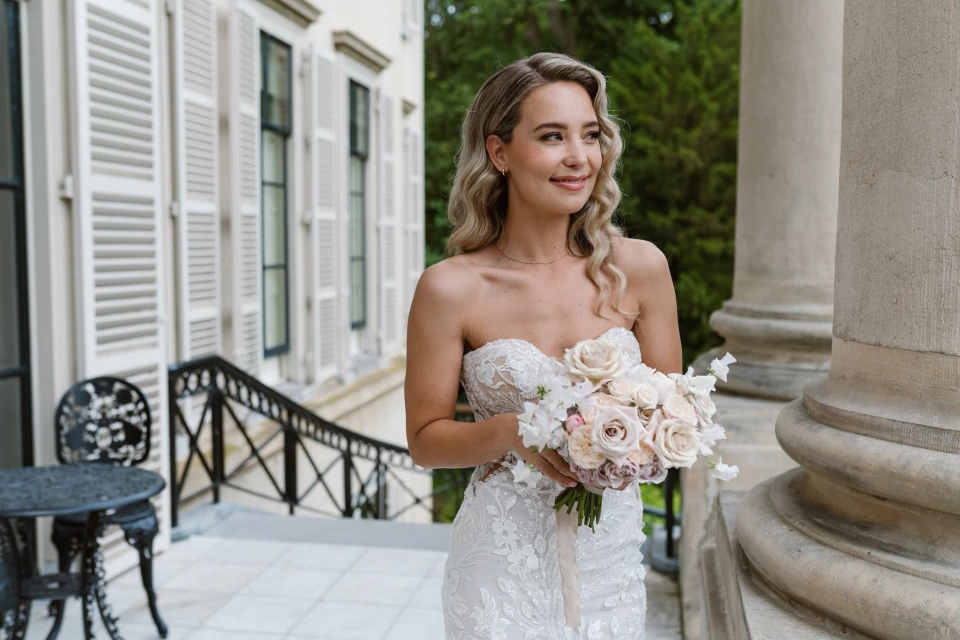
TLDR: For most couples, the best choice is mostly fresh flowers designed by a florist, with high-quality faux used as a targeted accent for a few specific situations like outdoor heat, destination travel, or allergy-prone wedding parties. Fresh blooms bring the fragrance, texture, and romance that define a wedding, and a good florist can design a beautiful fresh-led look at almost any budget. Below we compare cost, realism, and logistics, and show where a faux accent genuinely earns its place.
Flowers shape the whole look of a wedding, and the fresh-versus-faux question is really about cost, realism, and practicality. The good news is that modern faux flowers have come a long way, and the best answer is rarely all of one or the other. ThePerfectWedding.com pulled the current figures so you can decide with real numbers, and paired them with our questions to ask a florist.
Key Facts at a Glance
- A fresh bridal bouquet costs $150 to $350, with full fresh floral budgets often $2,000 to $4,000+ (Source: industry data, 2026)
- High-quality silk bouquets cost $80 to $200, roughly 60 to 70 percent less than fresh per piece (Source: industry data, 2026)
- Rental faux floral packages start around $500 for a full set (Source: industry data, 2026)
- A florist can design a fresh-led look at almost any budget using seasonal blooms and greenery (Source: industry advice, 2026)
- Faux flowers do not wilt, making them reliable for hot, cold, or outdoor weddings (Source: industry data, 2026)
Are Real or Faux Wedding Flowers Cheaper?
Faux flowers are usually cheaper, but not always, and the gap is smaller than the loudest claims suggest. A fresh bridal bouquet runs $150 to $350, and a full fresh setup with centerpieces, bridesmaid bouquets, and ceremony arrangements often reaches $2,000 to $4,000 or more, climbing past $10,000 for elaborate installations. Premium silk bouquets run $80 to $200, and rental packages start around $500 for a full set. That said, top-tier Real Touch stems can cost more than fresh ones, so faux is not automatically the budget option. More importantly, a florist can build a fresh-led design to fit almost any budget, so price alone rarely needs to push you toward all-faux. For the fresh side, see our bouquet budget guide.
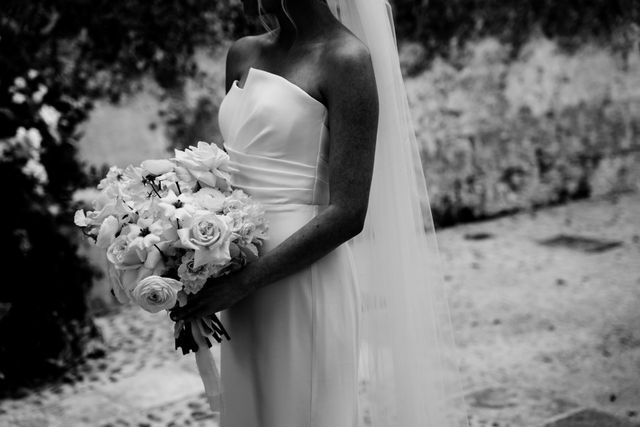
Fresh vs Faux Flowers: A Side-by-Side Comparison
Each option wins on different fronts. Here is how they compare across what matters most.
| Factor | Fresh flowers | Faux flowers |
|---|---|---|
| Cost per bouquet | $150 to $350 | $80 to $200 (premium) |
| Lifespan | A few days | Years, a keepsake |
| Realism | Natural, with fragrance | Excellent at premium quality |
| Weather | Can wilt in heat or cold | Unaffected |
| Best for | The bouquet and close-up pieces | Targeted accents and tough conditions |
When Are Fresh Flowers Worth It?
Fresh flowers shine where the senses are involved. The fragrance of real peonies and roses, the natural movement and texture of fresh blooms, and the traditional romance of living flowers are hard to replicate. They are especially worth it for the pieces guests see and hold up close, like the bridal bouquet and boutonnieres. Choosing flowers that are in season keeps fresh florals more affordable and more beautiful, and a good florist will design around your budget rather than against it.
When Do Faux Flowers Make Sense?
Faux flowers earn their place as a targeted accent, not a wholesale replacement for a florist's work. Ask your florist about incorporating premium faux where durability or logistics matter:
- Hot, cold, or outdoor weddings where a few exposed pieces would wilt or freeze, alongside fresh personal flowers.
- Out-of-season or hard-to-source blooms your florist can match convincingly in premium faux.
- Destination weddings where transporting large fresh arrangements is impractical.
- Allergy-prone wedding parties, for the pieces they carry or wear closest.
- A keepsake bouquet to keep forever, displayed alongside a fresh bouquet for the day itself.
Is a Hybrid of Fresh and Faux the Best Choice?
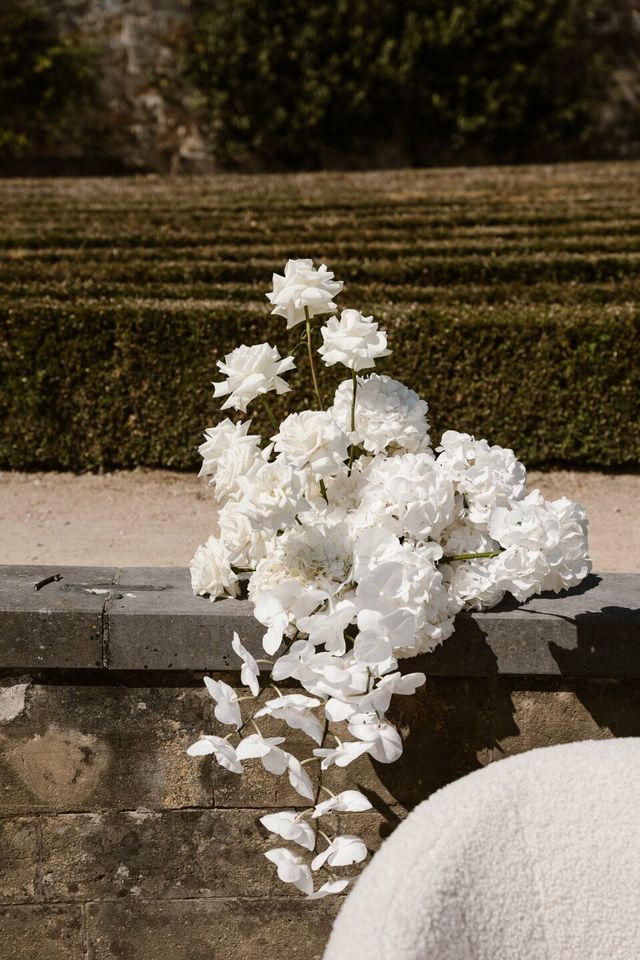
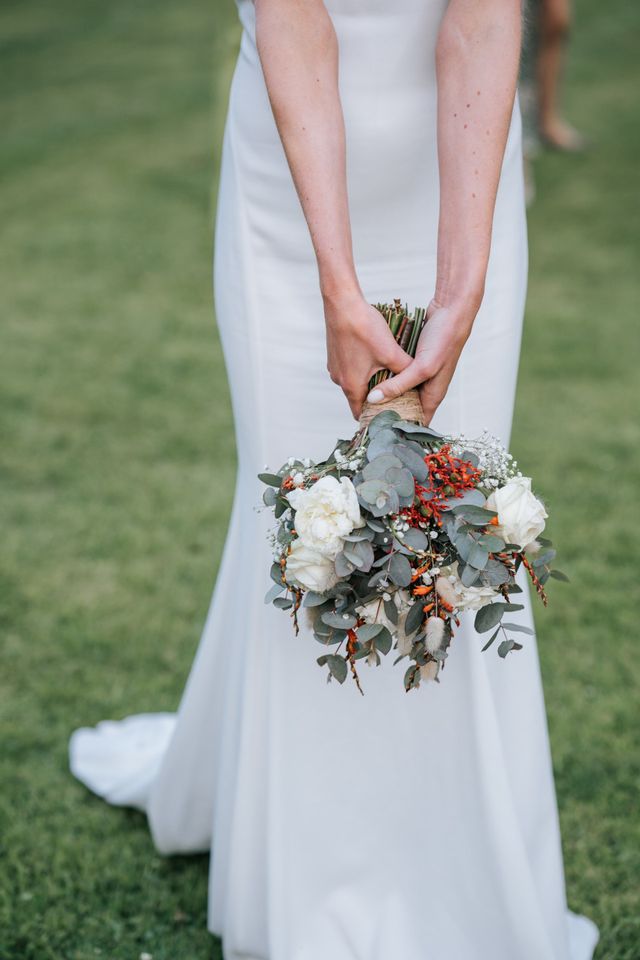
For most couples, a fresh-led look with a few faux accents is the sweet spot. Fresh flowers carry the bouquet, the boutonnieres, the head table, and the centerpieces guests sit beside, while premium faux can fill in large, distant, or hard-to-source elements your florist suggests. Done well, the two are indistinguishable in photos, and a skilled florist designs the whole thing as one cohesive, fresh-led look, sourcing both so the undertones never clash. Ask about it during your consultation, and browse florists on ThePerfectWedding.com who design fresh-led and hybrid arrangements.
How Do You Keep Wedding Flowers Beautiful and Affordable?
Whichever route you choose, a few vendor-friendly moves stretch your floral budget. Repurpose ceremony arrangements as reception decor so you pay once. Lean on greenery and seasonal blooms, which cost less and look lush. For any faux accents, ask your florist to source premium silk or Real Touch rather than cheap plastic, or use a professional rental. And preserve your bouquet, so the fresh flowers you love last beyond the day. Our guide to saving on wedding flowers and bouquet preservation guide go deeper.
Do Faux Flowers Photograph Well?
This is where quality matters most. Premium silk and Real Touch flowers photograph beautifully and are often indistinguishable from fresh in images, while cheap plastic versions betray themselves with unnatural sheen and flat color. The investment in quality pays off precisely in your photos, which last far longer than the blooms. If you go faux, prioritise realistic materials and matte, natural finishes, especially for any close-up pieces the camera lingers on like the bridal bouquet.
How Far in Advance Can You Arrange Each?
Timing is a major practical difference. Fresh flowers must be arranged within a day or two of the wedding, need refrigeration, and depend on a florist's day-of delivery and setup, which leaves a little room for weather or supply surprises. Faux flowers can be finished weeks or even months ahead, with zero last-minute stress, and rental services ship pre-designed arrangements to your door to return afterward. For couples who want one less thing to worry about on the day, that reliability is a real advantage.
What Happens to the Flowers After the Wedding?
Fresh flowers last only a few days, though you can preserve your bouquet as a lasting keepsake or donate the arrangements afterward. A faux accent piece, by contrast, can be kept and displayed at home for years, which is part of its appeal for a memento bouquet. Either way, your florist can advise on preserving or repurposing the pieces you most want to hold onto. See our bouquet preservation guide for the fresh option.
Which Is the Greener Choice?
Sustainability is worth a thought too, though neither option is automatically greener. Imported fresh flowers carry a real water and carbon footprint unless you choose local, seasonal blooms, while faux flowers create waste only if they are used once and discarded. The deciding factor is reuse: a faux arrangement given a long second life, or fresh flowers sourced locally and composted afterward, are both responsible choices. A florist who sources seasonally or designs reusable pieces helps you minimise the impact either way.
“My honest advice is to make fresh flowers from a florist the heart of your day, the bouquet, the personal flowers, the tables guests sit beside, and use premium faux only as a targeted accent where heat, travel, or a hard-to-source bloom calls for it. A good florist designs the whole look as one, fresh-led and seamless, at a budget that works for you. You rarely need to choose all faux.”
Sarah Glasbergen, Founder ThePerfectWedding.com
-
Are faux wedding flowers cheaper than real ones?
Usually, yes. Premium silk bouquets run $80 to $200 versus $150 to $350 for fresh, and full faux setups cost 60 to 70 percent less. But top-tier Real Touch stems can cost more than fresh, so faux is not always cheaper.
-
Do faux wedding flowers look real?
High-quality silk and Real Touch flowers look remarkably realistic, often indistinguishable from fresh in photos. Cheap plastic versions do not, so the quality tier matters far more than the fresh-versus-faux choice itself.
-
What are the advantages of fresh flowers?
Fresh flowers offer natural fragrance, texture, and movement, plus the traditional romance of living blooms. They are especially worth it for the bridal bouquet and other pieces guests see and hold up close.
-
When should I use faux flowers?
Use faux as a targeted accent your florist incorporates: for exposed pieces in extreme heat or cold, out-of-season or hard-to-source blooms, destination weddings, allergy-prone parties, and a keepsake bouquet alongside a fresh one.
-
Can I mix fresh and faux flowers?
Yes, and it is often the smartest choice. Use fresh for close-up sensory pieces and faux for large visual areas. A skilled florist can blend the two seamlessly by matching undertones.
-
How much do wedding flowers cost?
A fresh bridal bouquet runs $150 to $350, with full fresh floral budgets often $2,000 to $4,000 or more. Premium silk bouquets run $80 to $200, and rental faux packages start around $500.
Design Your Florals with ThePerfectWedding.com
Compare options with our bouquet budget guide and flower saving tips, then browse wedding florists on ThePerfectWedding.com. For the wider look, see our wedding decor section.
The bottom line on real versus faux wedding flowers: for most couples the happiest choice is mostly fresh flowers designed by a florist, with premium faux used as a targeted accent for heat, travel, allergies, or a hard-to-source bloom. Fresh brings the fragrance and romance that define the day, and a florist can meet your budget at almost any level while blending in faux only where it genuinely helps. Lean on a florist to design a fresh-led look that suits your day, your weather, and your numbers.


