Wedding Flower Types: A Guide to Popular Wedding Flowers
The most popular wedding flowers by type and season, which suit each style, and how to choose.

by Sarah Glasbergen on 28 June 2026
Web editor
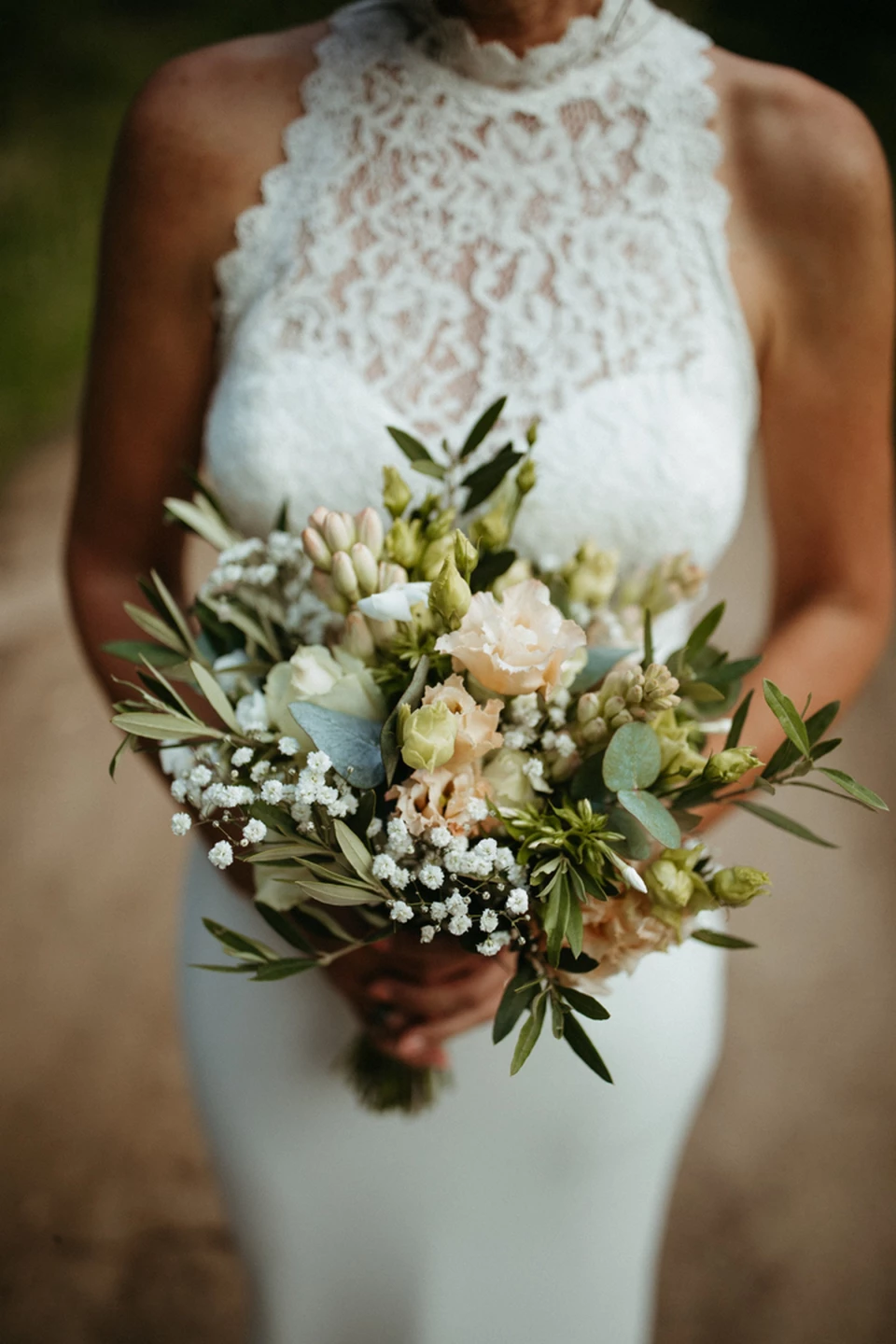
TLDR: The most popular wedding flowers include roses, peonies, ranunculus, hydrangeas, tulips, dahlias, calla lilies, orchids, and baby's breath, each with its own season, look, and price. Roses and orchids are available year round, while peonies and ranunculus shine in spring. Choosing flowers that are in season and suit your palette keeps costs down and arrangements fresh. Below we walk through the best wedding flower types and how to choose them.
With hundreds of blooms to choose from, picking your wedding flowers can feel overwhelming. Knowing the most popular types, their seasons, and their characters makes it far easier to build a palette you love. ThePerfectWedding.com mapped out the favorites, and paired them with our guide to seasonal flowers by month.
Key Facts at a Glance
- Roses and orchids are available year round (Source: industry data, 2026)
- Peonies and ranunculus are spring favorites (Source: industry data, 2026)
- In-season blooms cost less than imports (Source: industry advice, 2026)
- Greenery adds fullness for less than blooms (Source: industry advice, 2026)
- Your palette and style guide the flower choice (Source: industry advice, 2026)
What Are the Most Popular Wedding Flowers?
The classic wedding flowers endure because they photograph beautifully and suit almost any style: roses for timeless romance, peonies for lush softness, ranunculus for delicate layers, and hydrangeas for full, affordable volume. Tulips, dahlias, calla lilies, and orchids round out the favorites, each bringing a distinct shape and feel. Your florist can blend these into a cohesive look. For bouquet inspiration, see our bouquet ideas and trends.
Popular Wedding Flowers by Season
Here are favorite wedding flowers and when they are at their best.
| Flower | Best season |
|---|---|
| Rose | Year round |
| Peony | Late spring |
| Ranunculus | Spring |
| Hydrangea | Summer |
| Dahlia | Late summer to fall |
| Orchid | Year round |
Which Wedding Flowers Are Best for Each Style?
Different blooms suit different wedding styles:
- Classic and formal. Roses, calla lilies, and orchids feel elegant and timeless.
- Romantic and soft. Peonies, ranunculus, and garden roses bring lush texture.
- Rustic and boho. Wildflowers, dahlias, and abundant greenery feel natural.
- Modern and minimal. Single-variety arrangements and architectural calla lilies.
- Budget-friendly. Hydrangeas, carnations, and baby's breath fill space beautifully.
How Do You Choose Your Wedding Flowers?
Start with your color palette and overall style, then let those guide your blooms rather than picking flowers in isolation. Share your palette, venue, and a few inspiration images with your florist, who can recommend in-season flowers that deliver the look for less. Be open about your budget so they can suggest smart swaps. Bring our questions to ask your florist to the consultation to make it productive.
Should You Choose In-Season Wedding Flowers?
Whenever possible, yes. In-season, locally grown flowers are fresher, more affordable, and easier to source than out-of-season imports, which carry premium prices and supply risk. If you have your heart set on a bloom that is out of season, your florist can suggest a similar in-season alternative or work it in as an accent. Our seasonal flowers by month guide shows what is available when, so you can plan your palette around it.
How Much Greenery Should You Use?
Greenery is a florist's secret weapon for fullness and value. Foliage like eucalyptus and ferns fills arrangements, softens installations, and stretches your flower budget, since greens generally cost less per stem than premium blooms. A mix of blooms and greenery reads lush without being flower-heavy. For an all-green look, see our greenery-only bouquet ideas, and browse wedding florists on ThePerfectWedding.com to design your mix.
What Are the Best Spring Wedding Flowers?
Spring is peak season for some of the most coveted wedding blooms. Peonies, ranunculus, tulips, sweet peas, anemones, and lilac all flourish, offering lush texture and soft, romantic palettes at their best value of the year. Because these are seasonal stars, they are fresher and more affordable in spring than at any other time. If you are marrying in spring, build your palette around them. Our seasonal flowers by month guide shows exactly what is in bloom.
What Are the Best Summer and Fall Wedding Flowers?
Summer and fall each bring their own stars. Summer favors hydrangeas, garden roses, dahlias, zinnias, and sunflowers, all sun-loving and abundant. As the season turns, fall leans into dahlias, chrysanthemums, ranunculus, and rich, warm tones with seeded eucalyptus and berries. Choosing the blooms at their seasonal peak keeps arrangements vibrant and your budget in check. Your florist can pair these with greenery suited to the season for a cohesive, full look that photographs beautifully.
What Flowers Work for a Winter Wedding?
Winter weddings have a quietly luxurious palette to draw on. Amaryllis, anemones, ranunculus, and white roses pair beautifully with evergreen foliage, berries, pinecones, and touches of metallic or deep jewel tones. The look can be crisp and elegant or warm and cozy depending on your blooms and greenery. A few statement flowers go a long way against rich winter greenery. Ask your florist what is reliably available in winter, and cross-reference our seasonal flowers guide.
How Do You Mix Flower Types in a Bouquet?
A balanced bouquet layers a few roles: focal flowers like peonies or garden roses draw the eye, secondary blooms like ranunculus or lisianthus fill around them, and texture from filler flowers and greenery ties it together. Mixing two or three flower types with foliage reads lush without looking busy. Your florist will balance scale, color, and shape. For inspiration on shapes and combinations, see our bouquet ideas and trends.
Should You Consider Dried or Preserved Flowers?
Dried and preserved flowers have surged in popularity for their texture, muted tones, and longevity, and they often cost less than fresh premium blooms. They suit boho and modern weddings beautifully and can be kept as a lasting keepsake. Some couples mix dried elements like pampas or bunny tails with fresh flowers for depth. For an all-dried look, see our dried flower bouquet ideas, and our guide to preserving your bouquet for keeping fresh ones.
How Do You Make a Statement With Fewer Flower Types?
You do not need many varieties to create impact. A single-variety or monochrome design, think a lush bunch of all garden roses, all peonies, or all white blooms arranged generously, reads as intentional and elegant, and can be more affordable than a complex mix. Larger arrangements of one beautiful flower often make a bigger statement than many competing types. If you love a clean, modern look, ask your florist about a focused palette built around one or two standout blooms.
Whatever blooms you choose, the goal is a palette that feels like you and holds together across the bouquet, ceremony, and reception. Lean on your florist's seasonal knowledge, stay flexible on specific varieties, and let your colors and style lead the way to flowers you will love in every photo.
“Couples often arrive fixated on one specific flower, but the smarter starting point is your palette and your season. Tell your florist the colors and feeling you want, then trust them to choose the blooms that deliver it beautifully and affordably. Roses and hydrangeas are popular for good reason, they are gorgeous and reliable, but a great florist will also introduce you to seasonal stars you had never considered.”
Sarah Glasbergen, Founder ThePerfectWedding.com
-
What are the most popular wedding flowers?
Roses, peonies, ranunculus, hydrangeas, tulips, dahlias, calla lilies, orchids, and baby's breath are among the most popular. Roses and orchids are available year round, while peonies and ranunculus are spring favorites.
-
What wedding flowers are in season in spring?
Peonies, ranunculus, tulips, and sweet peas are spring stars, alongside year-round blooms like roses. Choosing in-season flowers keeps arrangements fresher and more affordable than out-of-season imports.
-
What are the cheapest wedding flowers?
Carnations, chrysanthemums, baby's breath, and hydrangeas offer fullness for less, and abundant greenery stretches any budget. Your florist can mix these with a few premium blooms for a lush look.
-
How do I choose my wedding flowers?
Start with your color palette and style, then share them with your florist along with your venue and budget. They can recommend in-season blooms that deliver the look affordably and build a cohesive design.
-
Should I use in-season wedding flowers?
Yes, where possible. In-season, locally grown flowers are fresher, cheaper, and easier to source than out-of-season imports. If you want an out-of-season bloom, your florist can suggest a similar alternative.
-
What flowers work for a rustic wedding?
Wildflowers, dahlias, garden roses, and plenty of greenery suit a rustic or boho look, creating a natural, gathered feel. Your florist can build loose, organic arrangements around your palette.
Design Your Flowers with ThePerfectWedding.com
Explore our bouquet ideas and seasonal flowers guide, then browse wedding florists on ThePerfectWedding.com.
The bottom line on wedding flower types: the most popular blooms, roses, peonies, ranunculus, hydrangeas, tulips, dahlias, calla lilies, and orchids, each have a season and a character. Start with your palette and style, lean on in-season flowers and greenery for value, and let your florist build a cohesive design. Browse wedding florists on ThePerfectWedding.com to bring your palette to life.


