Wedding Photography Timeline: How to Plan Your Day for Photos
Wedding photography timeline guide: a sample schedule, how long each moment takes, first look tips, and how to avoid a rushed day.

by Sarah Glasbergen on 28 June 2026
Web editor
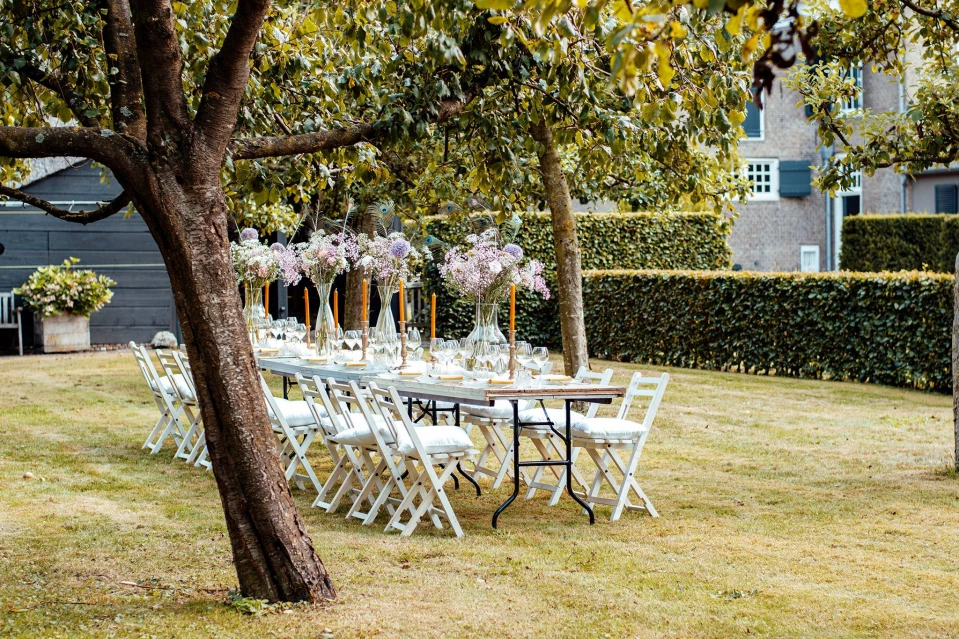
TLDR: A smooth wedding photography timeline allots roughly 60 minutes for getting ready, 20 for a first look, 45 for couple portraits, 30 for family formals, 30 for the wedding party, and 20 minutes at golden hour, all built around your ceremony time. Planning it with your photographer ensures you capture every key moment in good light without feeling rushed. Below is a sample timeline and how to build your own.
The difference between a relaxed wedding and a stressful one often comes down to the photography timeline. Plan it well and the day flows; plan it poorly and you spend it chasing the clock. ThePerfectWedding.com built a clear template so your photos never feel rushed, and paired it with our full wedding day timeline template.
Key Facts at a Glance
- Getting-ready coverage needs about 60 minutes (Source: industry advice, 2026)
- A first look takes about 20 minutes and frees up the timeline (Source: industry advice, 2026)
- Couple portraits need 30 to 45 minutes (Source: industry advice, 2026)
- Family formals run about 30 minutes, roughly 3 to 4 minutes per grouping (Source: industry advice, 2026)
- Golden hour, near sunset, gives the softest portrait light (Source: industry advice, 2026)
Why Does the Photography Timeline Matter?
Your photography timeline is the backbone of the whole wedding day. It determines whether you have time for the portraits you want, whether family photos run smoothly, and whether you catch the best light. A rushed timeline means missed shots and stress; a well-planned one means you are present and relaxed. The key is building it backward from your ceremony and golden hour with your photographer. Combine it with our wedding day timeline template for the full picture.
Sample Wedding Photography Timeline
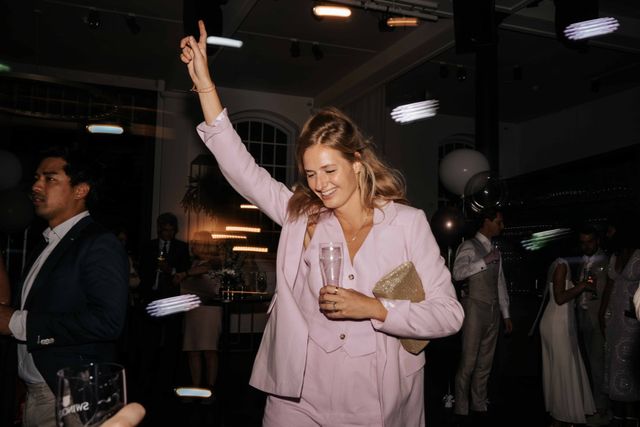
Here is a sample of how long each photography moment typically takes.
| Moment | Time needed |
|---|---|
| Getting ready and details | 60 minutes |
| First look | 20 minutes |
| Couple portraits | 30 to 45 minutes |
| Family formals | 30 minutes |
| Wedding party | 30 minutes |
| Golden hour portraits | 15 to 20 minutes |
How Do You Build Your Timeline?
Start from two fixed points: your ceremony time and sunset. Work backward from the ceremony to slot in getting ready, the first look, and pre-ceremony portraits, and identify golden hour, the half hour before sunset, for a few stunning couple shots later. Add buffer time between segments so a slow moment does not derail everything. Your photographer will help you sequence it, and our getting-ready timeline covers the morning in detail.
Should You Do a First Look?
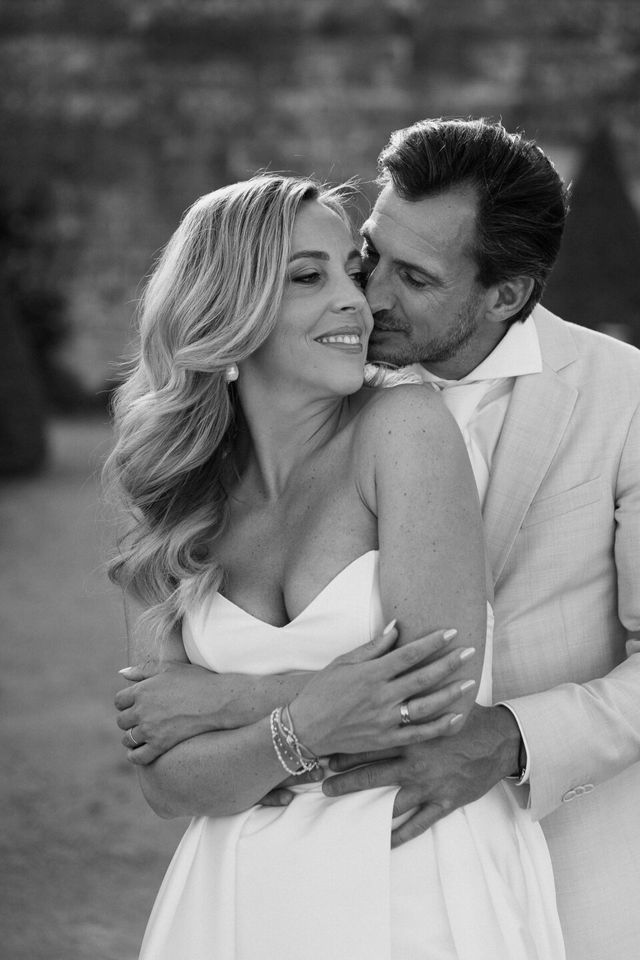
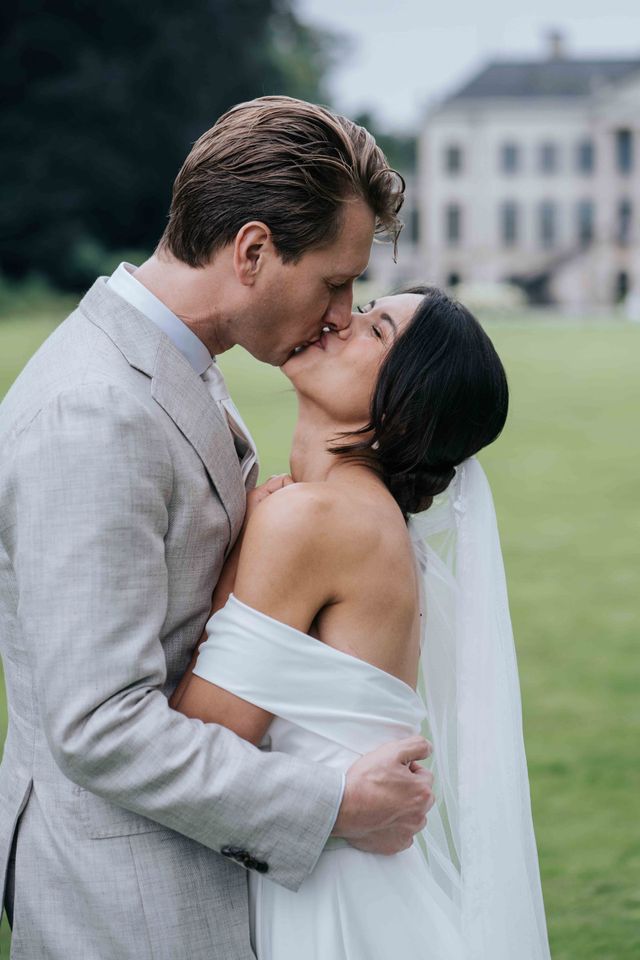
A first look, a private moment where you see each other before the ceremony, has a big effect on your timeline. It lets you do couple portraits, and often family and wedding party photos, before the ceremony, freeing up cocktail hour to relax and join your guests. It also captures an intimate, emotional moment without an audience. Some couples prefer the tradition of seeing each other at the aisle, which is equally lovely. Our guide to the first look versus traditional reveal weighs both.
What Are the Most Time-Sensitive Moments?
A few parts of the day need extra planning to run smoothly:
- Family formals. Allow 3 to 4 minutes per grouping and share a list so no one is missing.
- Golden hour. Pause briefly near sunset for the softest, most flattering portrait light.
- Getting ready. Have hair and makeup finish early so the photographer is not waiting.
- The first look. Schedule it with enough margin before the ceremony.
- The send-off. If it is after your coverage ends, consider a staged early exit.
How Do You Avoid a Rushed Timeline?
The most common timeline mistake is underestimating how long things take, especially hair, makeup, and family photos. Build in generous buffers, finish getting ready ahead of schedule, and prepare a clear family-photo list so formals move quickly. A first look relieves pressure by shifting portraits earlier. Above all, plan it with your photographer and lock it into a shot list so nothing is forgotten. Then browse photographers on ThePerfectWedding.com who help you build the timeline.
How Does Sunset Affect Your Timeline?
Sunset is one of the two anchors of your whole photography schedule. Golden hour, the warm half hour before sunset, gives the most flattering portrait light, so you want a few couple shots scheduled then. Because sunset shifts dramatically by season, an early winter sunset can fall right in the middle of dinner, check the exact time for your date and build around it. Your photographer will help you place portraits in the best light. Our day timeline template helps you map it.
How Much Buffer Time Should You Add?
Buffer time is what keeps a timeline from collapsing. Add 15 to 30 minutes of cushion between major segments, because something almost always runs long, hair and makeup overrun, family members wander off, traffic happens. A timeline packed back to back with no margin means one delay cascades through the entire day. Generous buffers let you absorb the inevitable hiccups and stay relaxed, which shows in your photos.
Who Builds the Timeline?
It is a collaboration. Your photographer leads on the photography segments, knowing how long portraits and formals realistically take, while your planner or coordinator builds the overall day around them. Your job is to share the fixed points, the ceremony time, the sunset, and your venue, and your priorities. Lock the plan in advance so everyone is working from the same schedule. Our getting-ready timeline covers the morning, where delays most often start.
How Do Family Photos Fit the Timeline?
Family formals are the single biggest time sink, so plan them carefully. Write a shot list of every grouping in advance, allow 3 to 4 minutes each, and schedule them immediately after the ceremony while everyone is gathered. Appointing a family member or your coordinator to call out names keeps things moving and stops you losing twenty minutes hunting for a missing uncle. A clear list folded into your shot list is the difference between five smooth minutes and a chaotic half hour.
Should You Build in Time to Eat and Breathe?
Yes, and couples forget this constantly. Schedule a few minutes to actually eat, drink some water, and freshen up, and protect a quiet moment or two to simply take the day in together. A timeline packed wall to wall with photo ops leaves you drained and frazzled, which shows on camera. Building in small pauses keeps you present and energised, and the relaxed, happy version of you is exactly what your photographer wants to capture.
Lastly, print a copy of the final timeline for your photographer, your planner, and your wedding party, so everyone is working from the same schedule. When the whole team shares one plan, the day unfolds calmly and exactly as you imagined it.
“The best wedding galleries come from the best timelines, not the most expensive photographers. Build the day backward from your ceremony and sunset, protect 15 minutes at golden hour, and pad every segment with buffer time. A first look works wonders for a relaxed flow. Do that planning with your photographer in advance, and you will spend your wedding day present and joyful, not watching the clock.”
Sarah Glasbergen, Founder ThePerfectWedding.com
-
How do I plan my wedding photography timeline?
Build it backward from your ceremony time and sunset. Allot about 60 minutes for getting ready, 20 for a first look, 45 for couple portraits, 30 for family formals, and 30 for the wedding party, with buffers between.
-
How much time do family photos take?
Allow about 30 minutes total, roughly 3 to 4 minutes per grouping. Sharing a clear list of who is in each photo keeps formals moving quickly and ensures no one is missed.
-
What is golden hour and why does it matter?
Golden hour is the soft, warm light in the half hour before sunset. Pausing briefly then gives the most flattering couple portraits, so it is worth building into your timeline.
-
Does a first look save time?
Yes. A first look lets you do couple, family, and wedding party portraits before the ceremony, freeing up cocktail hour to relax with guests and easing the overall timeline.
-
How long does getting-ready coverage take?
About 60 minutes for the final stages, the details, and the dress. Have hair and makeup finish a little early so your photographer is not left waiting.
-
How do I avoid a rushed timeline?
Build in generous buffers, finish getting ready ahead of schedule, prepare a family-photo list, consider a first look, and plan the whole sequence with your photographer in advance.
Plan Your Day with ThePerfectWedding.com
Use our wedding day timeline template and getting-ready timeline, build a shot list, then browse photographers on ThePerfectWedding.com.
The bottom line on the wedding photography timeline: build it backward from your ceremony and sunset, allot realistic time for getting ready, portraits, and family formals, protect golden hour, and add buffers throughout. A first look eases the whole flow. Plan it with your photographer and lock it into a shot list, and you will capture every moment in good light while staying present and relaxed. Browse photographers on ThePerfectWedding.com to help build yours.


