Wedding Food Tasting: What to Expect and What to Ask
Wedding food tasting guide: what to expect, when it happens, what to bring, and the questions to ask your caterer.

by Sarah Glasbergen on 28 June 2026
Web editor
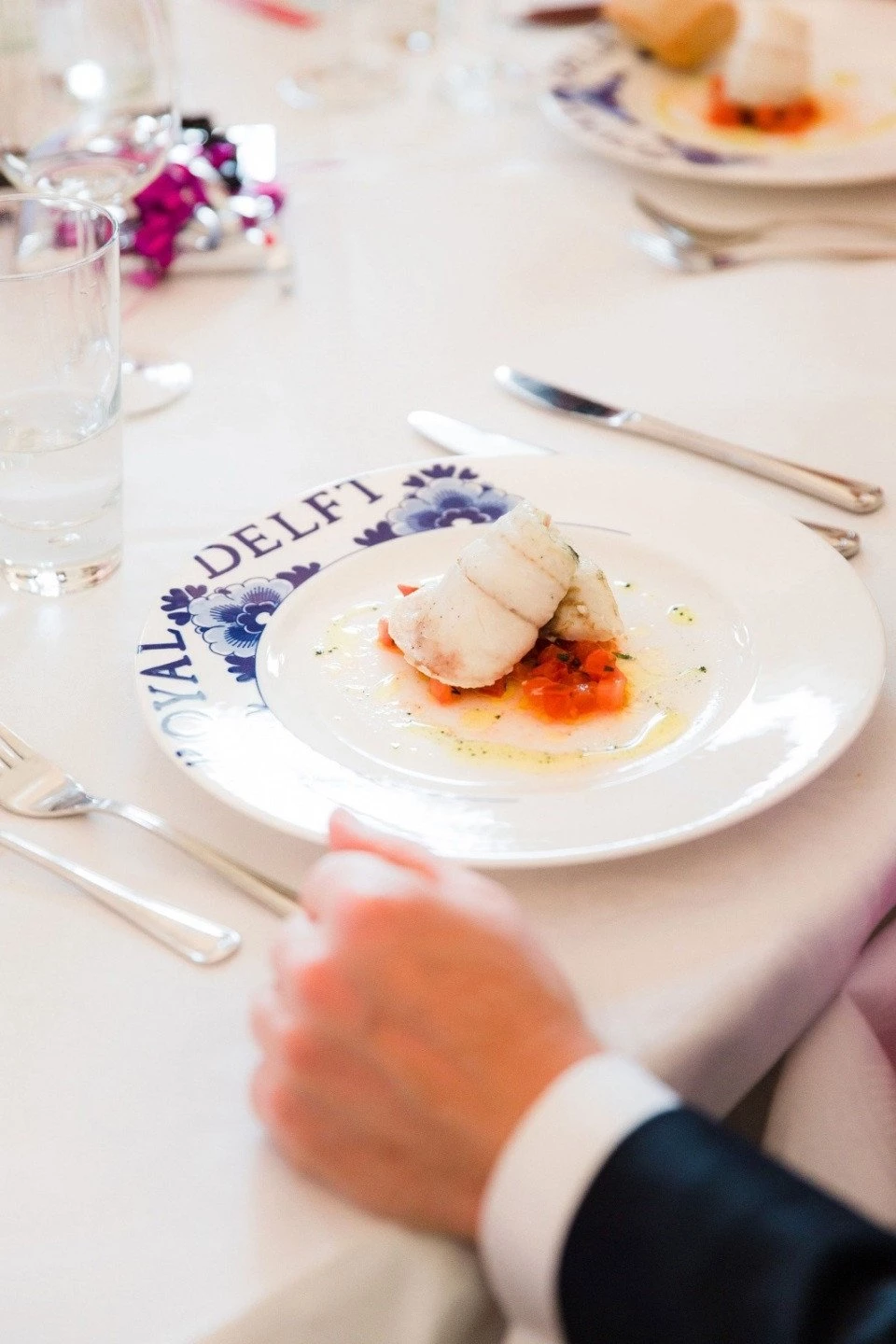
TLDR: A wedding food tasting is where you sample your caterer's menu, refine your choices, and confirm portion sizes and presentation. It usually happens 3 to 6 months before the wedding, after you have shortlisted or booked a caterer. Bring your menu ideas, dietary needs, and questions about service. Below is exactly what to expect at a catering tasting and the questions to ask.
The food tasting is one of the most enjoyable milestones of planning, and where your menu takes final shape. Knowing how it works helps you make the most of it. ThePerfectWedding.com laid out the process, and paired it with our catering styles guide.
Key Facts at a Glance
- Tastings usually happen 3 to 6 months before the wedding (Source: industry advice, 2026)
- Some caterers taste after booking, to refine an agreed menu (Source: industry advice, 2026)
- You sample and refine your menu and portions (Source: industry advice, 2026)
- Bring your dietary needs and menu ideas (Source: industry advice, 2026)
- The tasting confirms presentation and service style (Source: industry advice, 2026)
What Is a Wedding Food Tasting?
A food tasting is a session where you sample your caterer's dishes and finalize your menu. You will try proposed appetizers, entrees, and sides, discuss portion sizes and presentation, and refine the selections to suit your taste and guests. It is also a chance to see the caterer's professionalism up close. Depending on the caterer, it happens before booking to help you decide, or after, to perfect an agreed menu. Browse caterers on ThePerfectWedding.com to find one.
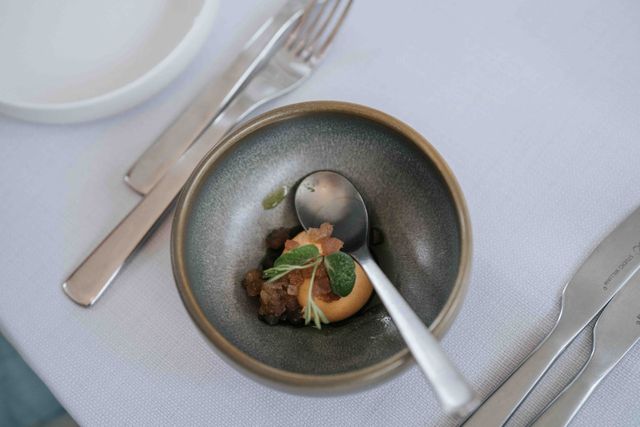
Wedding Food Tasting at a Glance
Here is what a typical catering tasting involves.
| Detail | What to expect |
|---|---|
| When | 3 to 6 months before the wedding |
| What you sample | Proposed appetizers, entrees, and sides |
| Who attends | The couple, plus any key decision-makers |
| What to bring | Menu ideas, dietary needs, questions |
| What you leave with | A refined menu and confirmed details |
When Does the Tasting Happen?
Timing depends on the caterer. Larger caterers often offer a tasting before you book, to help you choose, while smaller ones may schedule it after booking, since preparing samples without a signed contract is costly for them. Either way, plan for 3 to 6 months before the wedding, late enough that your style and guest count are settled. Coordinate it with your other vendor milestones using our planning timeline.


What Should You Ask at a Food Tasting?
Come prepared so you leave with a finalized menu. Key questions:
- Will the portion sizes match what you tasted on the day?
- How will each dish be presented and served to guests?
- Can you adjust seasoning or swap an ingredient you are unsure about?
- How will you handle our dietary and allergy needs across the menu?
- What is the deadline for final menu changes and headcount?
How Do You Prepare for a Catering Tasting?
A little prep pays off. Bring inspiration for your menu, your color palette and overall style, your guest count, and a list of dietary needs so the caterer can prepare relevant samples. Come with a clear palate, take notes on each dish, and bring whoever is helping decide. If specific guests have allergies, flag them in advance so suitable versions can be tasted. Our dietary accommodations guide helps you plan those.
How Many Dishes Will You Taste?
It varies by caterer, but a tasting typically includes a selection of proposed appetizers, one or more entrees, and sides, sometimes with dessert. Ask in advance how many dishes you will sample and whether you can request specific items you are considering. Tasting a representative cross-section, rather than every possible dish, is enough to finalize your menu confidently. If you have narrowed your choices, tell the caterer so they can focus the tasting.
Who Should You Bring to the Tasting?
Keep the group small and purposeful. Bring your partner and anyone genuinely helping decide or contributing to the budget, such as a parent, but avoid turning it into a large gathering, which can complicate the caterer's planning and muddy the decision. A focused group makes clearer choices. Confirm with the caterer how many guests they can accommodate at the tasting, since space and portions are prepared in advance.
How Do You Choose Your Final Menu?
Balance is the goal. Aim for crowd-pleasing dishes that suit your season and venue, cover the main dietary needs, and fit your budget, rather than the most adventurous options. Think about how each dish travels and is served at scale, and lean on your caterer's experience for what works for a large group. Keep your menu cohesive with the rest of the day using our wedding menu ideas.
What If You Want Changes After the Tasting?
Most caterers allow refinements after the tasting, within reason and up to a deadline. If you want to adjust seasoning, swap a side, or change a protein, raise it promptly and confirm the change, and any price impact, in writing. Be clear on the final deadline for menu changes, which is usually tied to the headcount deadline a few weeks before the wedding, so the kitchen can order and prep accordingly.
How Is a Food Tasting Different From a Cake Tasting?
They are separate sessions with separate vendors. The catering tasting finalizes your meal, appetizers, entrees, and sides, with your caterer, while the cake tasting is held with your baker to choose flavors and design. Some caterers offer dessert, but many couples use a dedicated cake baker. Schedule both as their own appointments. For the sweet side, see our cake flavors guide and plan the baker separately.
How Do You Take Notes at a Tasting?
A tasting goes by quickly, so capture your impressions as you go. Photograph each dish, jot a quick rating, and note what you would tweak, more seasoning here, a different side there. With several dishes to compare, relying on memory alone makes the final decision harder. Clear notes also help when you confirm the menu with your caterer afterward, ensuring the cake you loved, or the entree, is exactly what shows up on the day.
What If You Don't Like Something at the Tasting?
Speak up, kindly and clearly, because that is exactly what the tasting is for. A good caterer wants your honest feedback and will happily adjust seasoning, swap an ingredient, or suggest an alternative dish. It is far better to raise it now than to be disappointed on the day. Frame it as collaboration, telling them what you love and what you would change, and a professional caterer will refine the menu until it is right for you.
Most of all, enjoy the tasting. It is a rare, delicious pause in the planning where you and your partner get to dream about your wedding day over a beautiful meal, and it is your best chance to make sure the food is every bit as memorable as the rest of the celebration.
“Treat the tasting as the moment your menu becomes real. Taste everything, yes, but also confirm the practical things: will the portions and presentation on the day match what is in front of you, and how will dietary needs be handled. Bring your notes and your decision-makers, and leave with the menu locked. A caterer who welcomes your questions here is one who will deliver on the day.”
Sarah Glasbergen, Founder ThePerfectWedding.com
-
What happens at a wedding food tasting?
You sample your caterer's proposed appetizers, entrees, and sides, discuss portion sizes and presentation, and refine the menu to your taste. It finalizes your selections and lets you assess the caterer.
-
When is the wedding food tasting?
Usually 3 to 6 months before the wedding. Larger caterers may taste before booking to help you choose, while smaller ones often taste after booking to refine an agreed menu.
-
What should I bring to a catering tasting?
Your menu ideas and inspiration, color palette and style, guest count, and a list of dietary and allergy needs so the caterer can prepare relevant samples. Bring your key decision-makers.
-
What questions should I ask at a food tasting?
Ask whether portions and presentation will match on the day, how dishes are served, whether you can adjust seasoning or ingredients, how dietary needs are handled, and the deadline for final changes.
-
Do I have to pay for a catering tasting?
It varies. Some caterers include a tasting, others charge a fee that may be credited if you book. Confirm the policy when you schedule, especially with smaller caterers.
-
Can I taste dietary or allergy-friendly options?
Yes, if you flag them in advance. Ask the caterer to prepare vegan, vegetarian, gluten-free, or allergy-safe versions so you can confirm the flavor and presentation before the wedding.
Plan Your Tasting with ThePerfectWedding.com
Pair it with our catering styles guide and dietary guide, then browse wedding caterers on ThePerfectWedding.com.
The bottom line on the wedding food tasting: it is where your menu is finalized, usually 3 to 6 months out, before or after booking depending on the caterer. Bring your ideas, dietary needs, and decision-makers, taste with an open palate, and confirm that portions and presentation will match on the day. Leave with the menu locked. Browse caterers on ThePerfectWedding.com to set yours up.


