Wedding Flower Meanings: Symbolism of Popular Blooms
Wedding flower meanings: the symbolism of roses, peonies, tulips, lilies, and more, and how to use it in your bouquet.

by Sarah Glasbergen on 28 June 2026
Web editor
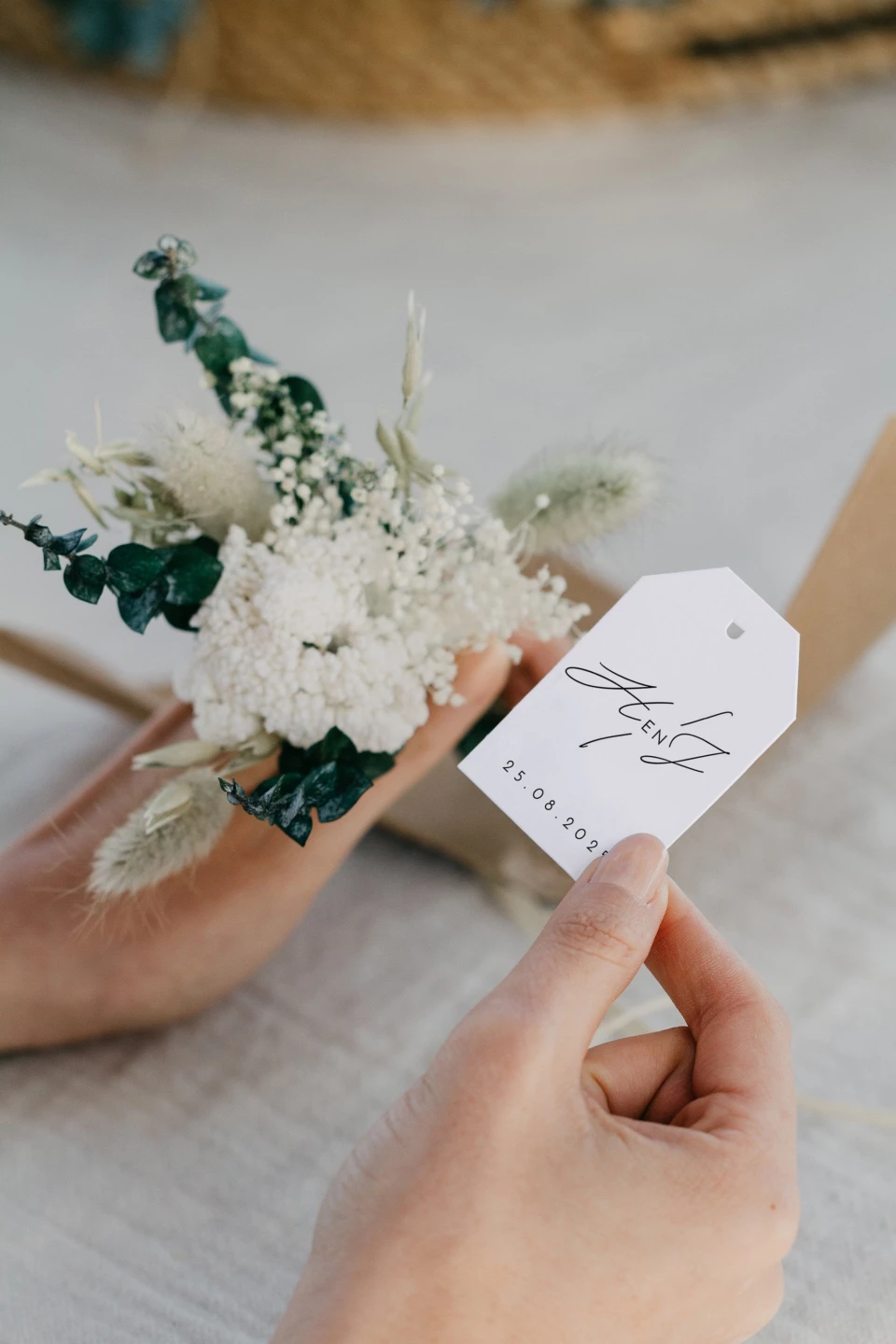
TLDR: Wedding flowers carry traditional meanings: roses symbolize love, peonies a happy marriage and prosperity, tulips perfect love, lilies purity and devotion, hydrangeas heartfelt gratitude, and baby's breath everlasting love. Drawn from the Victorian language of flowers, these symbols let you weave personal meaning into your bouquet and arrangements. Below we cover the meanings of popular wedding flowers and how to use them.
Choosing flowers by meaning adds a quiet layer of intention to your wedding, turning a beautiful bouquet into a personal statement. The tradition runs deep and is easy to use. ThePerfectWedding.com gathered the symbolism, and paired it with our bouquet ideas and trends.
Key Facts at a Glance
- Roses symbolize love, the classic wedding flower (Source: tradition)
- Peonies symbolize a happy marriage and prosperity (Source: tradition)
- Tulips symbolize perfect love (Source: tradition)
- Lilies symbolize purity and devotion (Source: tradition)
- The meanings come from the Victorian language of flowers (Source: tradition)
What Do Wedding Flowers Symbolize?
Wedding flowers have carried symbolic meaning for centuries, formalized in the Victorian language of flowers, where each bloom expressed a sentiment. Roses speak of love, peonies of a happy marriage, and lilies of purity, so choosing flowers by meaning lets you embed a personal message in your arrangements. It is a lovely way to honor your story or loved ones. Build the symbolism into your bouquet with our bouquet ideas and trends.
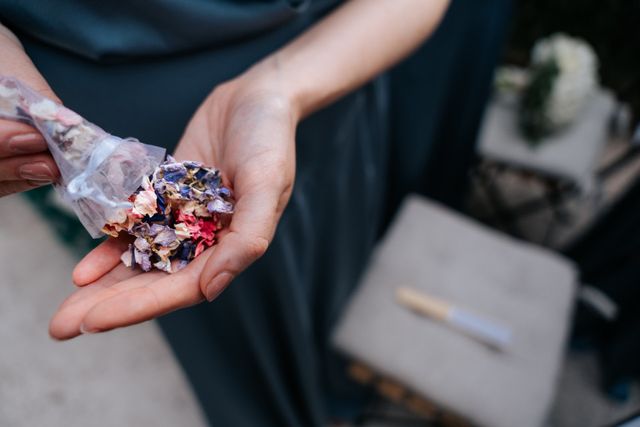
Wedding Flower Meanings
Here are the traditional meanings of popular wedding flowers.
| Flower | Meaning |
|---|---|
| Rose | Love |
| Peony | Happy marriage, prosperity |
| Tulip | Perfect love |
| Lily | Purity, devotion |
| Hydrangea | Heartfelt gratitude |
| Baby's breath | Everlasting love |
What Do the Most Popular Wedding Flowers Mean?
Here is what the favorite wedding blooms traditionally symbolize:
- Rose. Love, with colors adding nuance, red for passion, white for purity.
- Peony. A happy marriage, good fortune, and prosperity.
- Ranunculus. Charm and radiant attractiveness.
- Orchid. Refined beauty, love, and strength.
- Sunflower. Adoration and loyalty.
- Lily of the valley. The return of happiness, a royal wedding favorite.
How Do Rose Colors Change the Meaning?
Roses are the classic wedding flower, and their color shifts the message: red for deep love and passion, white for purity and new beginnings, pink for gratitude and admiration, and peach for sincerity. Many couples mix rose colors to layer meanings, or pair roses with other symbolic blooms. Your florist can blend them into a palette that looks beautiful and says something. For a rose-led bouquet, see our rose bouquet guide.
How Do You Use Flower Meanings in Your Wedding?
Weaving meaning into your flowers is simple and personal. Choose a few blooms whose symbolism resonates, your love story, hopes, or heritage, and ask your florist to feature them in the bouquet and key arrangements. You might include a flower that honors a grandparent, or a bloom that marks where you met. A note in your program can share the meaning with guests. Browse wedding florists on ThePerfectWedding.com to design a bouquet with intention.
Which Flowers Symbolize Love and Marriage?
Several blooms are especially fitting for a wedding. Roses symbolize love, peonies a happy marriage and prosperity, tulips perfect love, and lilac the first emotions of love. Myrtle, a longtime royal tradition, stands for love and marriage, while ivy represents fidelity. Combining a few of these creates a bouquet rich in meaning. For a lush, romantic option, see our peony bouquet ideas on ThePerfectWedding.com.
What Do Peonies and Roses Mean Together?
Combining roses and peonies is one of the most meaningful pairings you can carry. Roses symbolize love and peonies a happy marriage and prosperity, so a bouquet of both speaks directly to the union you are celebrating. They also happen to be a gorgeous match visually, lush, romantic, and full. It is a favorite for spring and early summer weddings. For a peony-led design, see our peony bouquet ideas on ThePerfectWedding.com.
What Do Greenery and Herbs Symbolize?
The greens in your arrangements carry meaning too. Ivy represents fidelity and lasting bonds, myrtle has long symbolized love and marriage in royal tradition, rosemary stands for remembrance, and eucalyptus suggests protection and abundance. Weaving a meaningful herb or foliage through your flowers adds symbolism and texture at once, often for less than premium blooms. For a green-forward look rich in meaning, see our greenery-only bouquet ideas.
Which Flowers Honor Loved Ones?
Flowers are a tender way to remember those who cannot be with you. Forget-me-nots symbolize remembrance and true love, white lilies evoke peace and purity, and including a departed loved one's favorite bloom is a quietly powerful tribute. Some couples pin a small charm or locket photo into the bouquet, or set a memorial arrangement near the ceremony. A line in your program can share the meaning. These gestures let the people you love be present in spirit.
What Do Wedding Flower Colors Mean?
Color layers another dimension of meaning onto your flowers. White conveys purity and new beginnings, red deep love and passion, pink admiration and gratitude, yellow friendship and joy, and purple admiration and a touch of regal elegance. Choosing your palette with these associations in mind lets your flowers say something beyond their beauty. You can mix colors to combine meanings, or keep to a single hue for a clear, intentional message that runs through every arrangement.
How Do Birth-Month Flowers Add Meaning?
Birth-month flowers offer a charming way to personalize your blooms. Each month has an associated flower, the rose for June, the daisy for April, the marigold for October, and including each partner's birth flower weaves your individual stories into the bouquet. It is a subtle, personal detail that most guests will not notice but that means something to you. Ask your florist to work them in where the season allows, alongside the symbolic blooms in our bouquet ideas and trends.
What Is the Language of Flowers?
The meanings behind wedding flowers come from floriography, the Victorian language of flowers, when sentiments that could not be spoken aloud were exchanged through carefully chosen blooms. A suitor might send a red rose for love or a forget-me-not for remembrance, and the recipient would read the message in the flowers. Whole dictionaries of flower meanings circulated in the nineteenth century. That tradition is why so many blooms still carry romantic associations today, and why building a little of that symbolism into your wedding feels so timeless and personal.
You do not have to assign meaning to every stem. Choosing even one or two blooms for what they represent, and letting your florist build them in, is enough to turn a beautiful bouquet into something that quietly tells your story.
From a single rose for love to a sprig of myrtle for marriage, the meanings woven through your flowers are a centuries-old way to say more than words can. Choose the blooms that speak to you, let your florist bring them together, and carry a bouquet that is as personal as it is beautiful.
“There is something quietly moving about choosing flowers for what they mean, not just how they look. A peony for a happy marriage, a rose for love, a bloom that honors a grandmother, these small intentions turn your bouquet into a story you carry down the aisle. You do not need to decode every stem; even one meaningful flower makes it personal. Tell your florist what matters to you, and let them build the symbolism in.”
Sarah Glasbergen, Founder ThePerfectWedding.com
-
What do wedding flowers symbolize?
Many carry traditional meanings from the Victorian language of flowers: roses for love, peonies for a happy marriage, tulips for perfect love, lilies for purity, hydrangeas for gratitude, and baby's breath for everlasting love.
-
What flower symbolizes love?
The rose is the classic symbol of love, with colors adding nuance, red for passion, pink for admiration, white for purity. Peonies, tulips, and myrtle are also strongly associated with love and marriage.
-
What does a peony symbolize?
Peonies traditionally symbolize a happy marriage, good fortune, and prosperity, which makes them a meaningful as well as beautiful wedding flower. They are a lush, romantic favorite for spring weddings.
-
What flowers mean marriage or fidelity?
Peonies symbolize a happy marriage, myrtle stands for love and marriage in a long royal tradition, and ivy represents fidelity. Combining these creates a bouquet rich with marital symbolism.
-
How do rose colors change the meaning?
Red roses mean deep love and passion, white means purity and new beginnings, pink conveys gratitude and admiration, and peach signals sincerity. Mixing colors lets you layer several meanings in one bouquet.
-
How do I use flower meanings in my wedding?
Choose a few blooms whose symbolism resonates with your story or heritage and ask your florist to feature them in your bouquet and arrangements. A note in your program can share the meanings with guests.
Design a Meaningful Bouquet with ThePerfectWedding.com
Explore our bouquet ideas and rose bouquet guide, then browse wedding florists on ThePerfectWedding.com.
The bottom line on wedding flower meanings: roses symbolize love, peonies a happy marriage, tulips perfect love, lilies purity, and baby's breath everlasting love, all drawn from the Victorian language of flowers. Choose a few blooms whose symbolism resonates and let your florist weave them in. A meaningful bouquet is a story you carry down the aisle. Browse wedding florists on ThePerfectWedding.com to design yours.


