Wedding Videography Guide: Styles, Costs, and What to Look For
Wedding videography guide: cinematic vs documentary styles, budget breakdown by price point, deliverables explained, and how to coordinate with your photographer.

by Sarah Glasbergen on 29 June 2026
Web editor
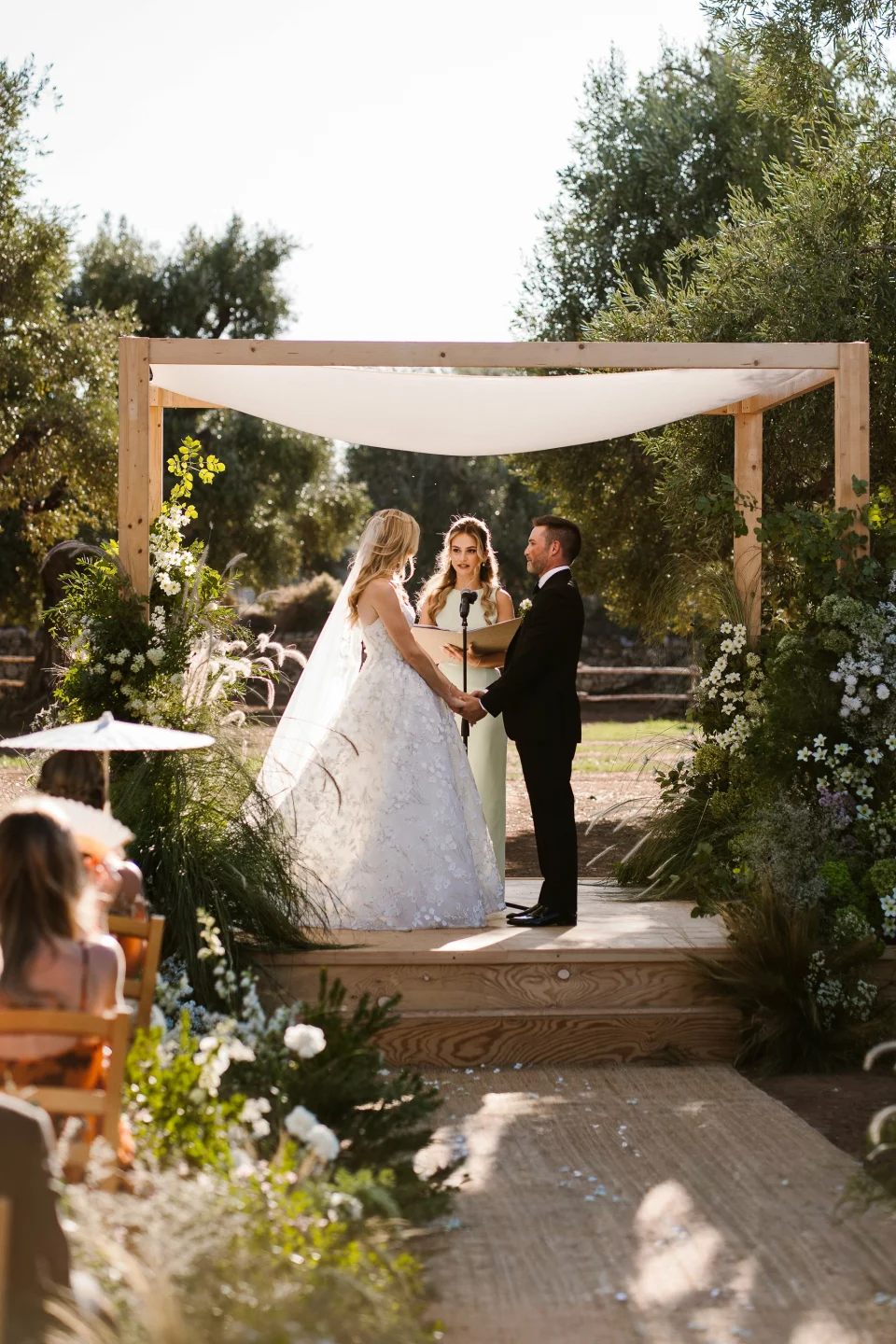
TLDR: A videography shot list ensures your videographer captures every moment that matters on film, not just photos. While your photographer freezes single frames, your videographer preserves motion, sound, and emotion. This guide covers the essential video moments organized by timeline phase, the audio-specific shots that make wedding films unforgettable, and the coordination between your photo and video teams to ensure nothing is missed.
Key Facts at a Glance
- A professional videographer captures 2 to 6 hours of raw footage that becomes a 3 to 8 minute highlight film (Source: The Knot, 2025)
- Audio moments (vows, speeches, first dance song) are the #1 most valued elements in wedding films, rated higher than visual beauty (Source: WeddingWire)
- Share your video shot list at least 2 weeks before the wedding alongside your photo shot list (Source: Brides.com)
- Coordinate both lists with your wedding day timeline to avoid scheduling conflicts between photo and video teams
Pre-Ceremony Video Moments
Getting ready footage
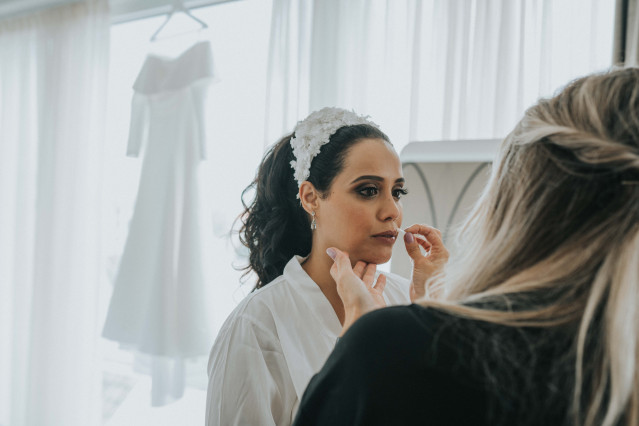
Video captures what photos miss during preparation: the nervous laughter, the music playing in the background, the champagne pop, the moment someone says something that makes everyone cry. These moments become the emotional opening of your highlight film.
- The dress reveal: the moment the bride steps into the dress and sees herself in the mirror for the first time. Film continuously for 2 to 3 minutes to capture the genuine reaction, not a posed version
- Letter reading: if partners exchange letters before the ceremony, this is one of the most emotionally powerful sequences in any wedding film. Film the full reading, including pauses and tears. The audio is as important as the visual
- Parent reactions: a parent seeing their child in wedding attire for the first time. Position the camera to capture both faces simultaneously if possible
- Detail b-roll: slow-motion shots of shoes, rings, invitations, perfume application, cufflink attachment. These become transition footage in the edited film
- Group energy: the wedding party laughing, toasting, helping with preparation. These clips establish the tone and relationships that carry through the film
First look (if applicable)
The first look is the single most filmable moment of the pre-ceremony. Unlike photos where the photographer needs specific angles, video benefits from continuous filming of the full sequence: the walk, the tap, the turn, the reaction, the embrace, and the quiet words exchanged. A second camera capturing the reverse angle (the approaching partner's face) doubles the emotional impact in the edit.
Ceremony: The Audio Priority
The ceremony is where videography earns its entire budget. Photos capture how the ceremony looked. Video captures how it sounded and felt. The priority list:
- Vows (CRITICAL): this is the single most important audio capture of the entire day. Lavalier microphones on both partners and the officiant are essential. If the videographer captures nothing else perfectly, the vows must be crystal clear
- Ring exchange: the words spoken during the ring exchange, the close-up of hands, the trembling fingers. Film continuously without cutting
- Readings and songs: any personal readings, poems, or musical performances during the ceremony. These are unique, unrepeatable performances
- Officiant's words: the ceremony address, the pronouncement, the "you may kiss" moment. The officiant's microphone captures this
- Processional and recessional: wide shots showing the full venue, the walk, the music, and the guest reactions. The recessional (walking out as a married couple) is often the most joyful 30 seconds of the entire day
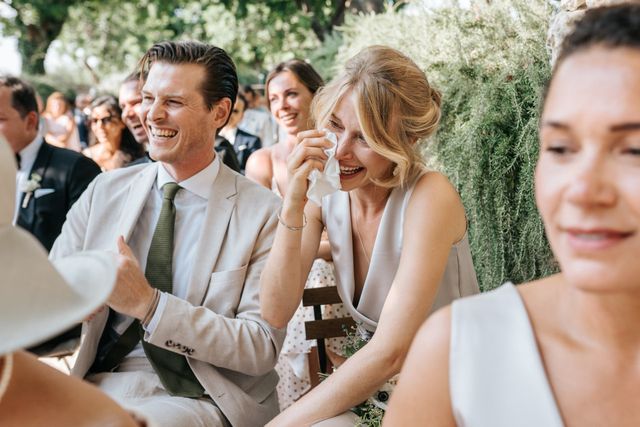
- Guest reactions: a second camera positioned to capture guest faces during the vows and key moments. These reaction shots become the emotional counterpoint in the edited film
Reception: Energy and Spontaneity
Planned reception moments
- Grand entrance: the couple's introduction, the energy of the room, the cheering. Wide shot to capture the full atmosphere
- First dance: film the entire dance, not just highlights. The song choice, the movement, the eye contact, and the crowd's reaction are all essential. Multiple angles (wide and close) create editing options
- Parent dances: film each one fully. These moments are for the parents as much as the couple. The audio (song choice) is critical
- Toasts and speeches: film every speech in full with clear audio. These are unrehearsable, one-time performances. Missing a speech on video is unrecoverable. Position a camera on the speaker AND one on the couple's reaction
- Cake cutting: a short, simple moment but a traditional one worth capturing. 30 seconds of clean footage is sufficient
- Bouquet and garter toss: if applicable, capture the throw, the catch, and the group energy. See our timeline guide for sequencing
Unplanned moments the videographer should seek
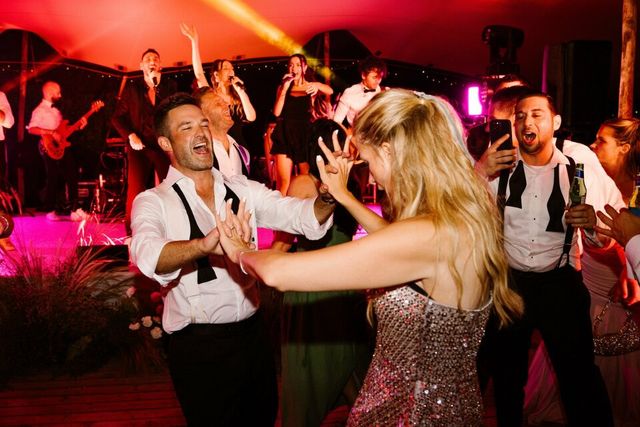
- Dance floor energy: the packed dance floor at peak party, the circle dance, the crowd singing along to a specific song. These clips become the high-energy climax of the highlight film
- Quiet couple moments: the couple stealing a private conversation during the reception, a forehead touch at the head table, a look across the room that says everything
- Guest interactions: friends reuniting, family members dancing together, children playing, elderly guests tapping their feet to the music
- Environmental atmosphere: the venue at golden hour, candles being lit as the sun sets, string lights twinkling against the evening sky, the transition from daylight to evening ambiance
Exit and Send-Off
The final moments of the reception are some of the most cinematic:
- Sparkler exit: slow-motion footage of the couple walking through a sparkler tunnel is one of the most visually stunning sequences in any wedding film. The videographer should position ahead of the couple to capture them walking toward the camera
- Last dance: the final slow dance before the send-off, often with the room watching and the DJ making a final announcement. Intimate, emotional, and the natural ending of the film's narrative
- Getaway car: the couple entering the car, the final wave, the car driving away. This is the closing shot of many wedding films
- Guest farewell reactions: cheering, waving, blowing bubbles or throwing confetti. The communal joy of the send-off
Coordinating Video and Photo Shot Lists
Your videographer and photographer need aligned but different shot lists. Key coordination points:
- Share both lists with both vendors: each should see what the other is responsible for to avoid duplication and ensure coverage
- Designate priority moments: photographer leads during posed portraits and formal family shots. Videographer leads during audio moments (vows, speeches, first dance). Both capture everything else simultaneously from different angles
- Build buffer time: if the timeline allocates 30 minutes for couple portraits, the photographer uses 20 minutes for posed work while the videographer captures candid behind-the-scenes footage, then the videographer gets 10 minutes for specific video-only shots (walking sequences, cinematic angles)
- Ceremony positioning: agree in advance who stands where. The photographer typically needs front-facing positions for the kiss and reaction shots. The videographer needs a static camera on a tripod for the full ceremony plus a mobile camera for close-ups and angles
Expert Tip: "The video shot list that produces the best films is not the longest list. It is the list that prioritizes audio. I have watched hundreds of wedding films, and the ones that make me cry every time are the ones with crystal-clear vow audio, perfectly captured speech audio, and the song from the first dance playing at full quality. The visual footage can be color-graded, stabilized, and enhanced in editing. The audio cannot. If your vows are inaudible on film, no amount of beautiful b-roll compensates. Tell your videographer: audio first, always."
Sarah Glasbergen, Founder at ThePerfectWedding.com
Frequently Asked Questions
How is a video shot list different from a photo shot list?
A photo shot list focuses on specific frames and groupings. A video shot list focuses on moments and sequences. "Photo of the couple with grandparents" is a photo list item. "Film the full vow exchange from two angles with clear audio" is a video list item. Both vendors need their own list, and both should see the other's list. See our photo-specific version in our photography guide.
Should we give the videographer a list of must-have songs?
Yes, especially the first dance song, processional music, recessional music, and any songs with personal significance. These songs become the soundtrack of the highlight film. The videographer needs to know which songs to capture at full audio quality and which might be licensed for the edited film.
How do we ensure our vows are captured clearly?
Three non-negotiable requirements: lavalier microphones on both partners (clipped inside a lapel or dress neckline), a microphone on the officiant, and a backup audio recorder running independently. If your videographer does not use lavaliers for the ceremony, consider this a dealbreaker. Venue ambient noise (wind, traffic, guests) makes camera-mounted microphones unreliable for vow capture.
What if our ceremony venue restricts videographer movement?
Some religious venues and officiants restrict where videographers can stand during the ceremony. Discuss this with both your officiant and videographer well in advance. Static tripod positions with remote monitoring are the workaround: the videographer sets up cameras before the ceremony and monitors them from an approved position. The audio (via lavaliers) is unaffected by camera position. See our venue planning tips for navigating venue restrictions.
More videography guides on ThePerfectWedding.com. See our photographer guide, drone photography guide, and wedding timeline template. Find videographers on our videographer directory.


