Wedding Ring Metals: Gold, Platinum & More
Wedding ring metals compared: gold, platinum, titanium, tungsten, and more, with pros, cons, and how to choose for your lifestyle.

by Sarah Glasbergen on 17 September 2026
Web editor
In short
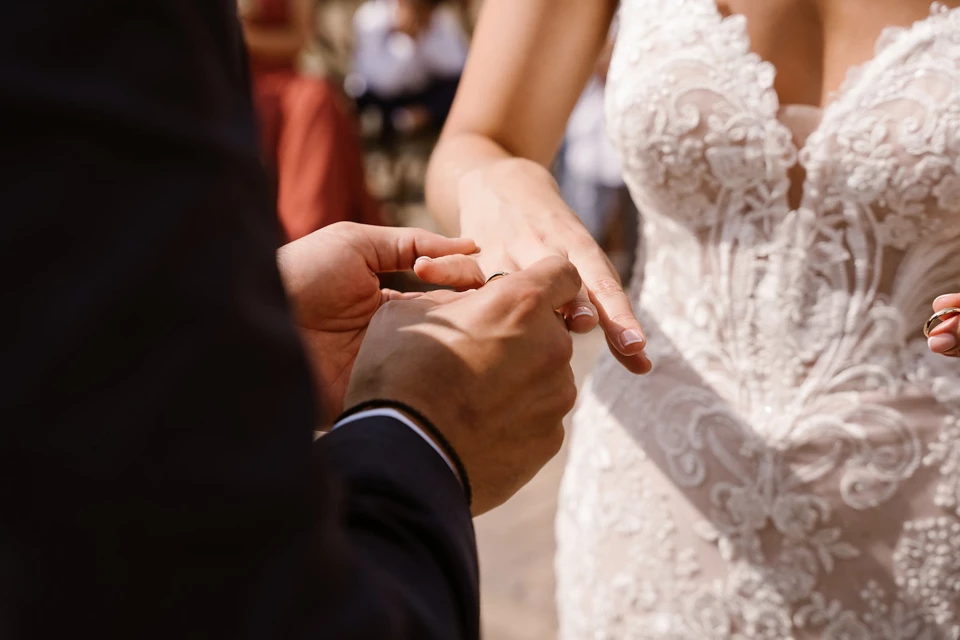
The metal you choose shapes how your wedding ring looks, how it wears, and what it costs. Gold (yellow, white, or rose) is the timeless choice, platinum is the most durable and premium, and modern metals like titanium, tungsten, and ceramic are hard-wearing and budget-friendly. The right pick balances looks, lifestyle, allergies, and whether you may want to resize it later.
Below: every popular wedding ring metal, its pros and cons, mixed metals, and how to choose for your lifestyle.
Once you start shopping, you quickly discover just how many materials a wedding ring can be made from. Everyone knows gold and its yellow, white, and rose tones, but there is a whole world beyond that, from premium platinum to ultra-durable tungsten and feather-light titanium. Since this is a ring you will wear every single day, the metal matters as much as the design. Here is a complete, no-nonsense guide to every option, with the honest pros and cons of each.
Why the metal matters more than you think
The metal is not just about color. It determines durability (how well the ring resists scratches and dents), weight on the hand, whether it can be resized later, how it suits sensitive skin, and of course the price. A delicate high-karat gold band and a tough titanium one can look similar in a photo but live completely differently on an active hand. Matching your metal to your daily life is the single most useful thing you can do before falling for a particular look. If you are choosing the engagement ring at the same time, our guide to how to choose an engagement ring covers that side too.
Gold wedding rings
Gold is the classic, and for good reason. One thing many couples do not realize: a gold ring is not pure gold. Pure gold is soft, so it is mixed with other metals to make it strong enough for daily wear. That mix is measured in karats: the higher the karat, the more pure gold and the richer the color, but also the softer and pricier the ring. For everyday durability, 14k is often the sweet spot, while 18k gives a deeper color with a little less hardness.
Yellow gold
The traditional, instantly recognizable choice, warm and timeless. It is easy for a jeweler to work with and resize, and it does not lose its color over time.
- Pros | Classic and recognizable, easy to work with and repair, keeps its color.
- Cons | Higher-karat gold is soft and scratches more easily, and some gold alloys contain metals that can irritate sensitive skin.
White gold
Bright and silvery, white gold pairs beautifully with diamonds and other silver-toned jewelry. It is an alloy (white gold does not occur in nature) and is usually finished with a rhodium plating for extra shine.
- Pros | Bright finish, holds up well to scratches, matches diamonds and silver tones.
- Cons | The rhodium plating wears over time and needs occasional re-plating, and the alloy often contains nickel, which can bother those with allergies.
Rose gold
A warm, romantic pink tone created by adding copper to the gold. Still relatively modern in ring terms, but hugely popular, and it pairs nicely with white gold or yellow gold in a mixed look.
- Pros | Holds its color, wears well, flatters many skin tones, easy to mix with other metals.
- Cons | The copper content can cause a reaction for those sensitive to copper or nickel.
Platinum
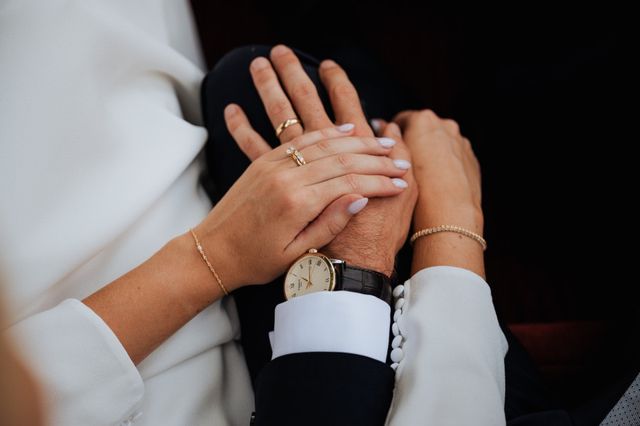
Naturally white, denser, and rarer than gold, platinum is the premium choice. It is highly durable, holds small stones securely, and is hypoallergenic, which makes it a favorite for sensitive skin and for settings with diamonds.
- Pros | Very strong and long-lasting, does not lose its color, hypoallergenic, excellent for stone settings.
- Cons | The most expensive option, and noticeably heavier on the hand.

Palladium
Part of the platinum family, palladium looks similar to white gold and platinum but is a more affordable, lighter alternative. It is naturally white, so it does not need rhodium plating.
- Pros | More affordable than platinum, lightweight, strong, and resists damage.
- Cons | Less widely stocked than gold or platinum, so options can be more limited.

Silver
Pure silver is too soft for a ring, so it is alloyed with copper as sterling silver (marked 925, meaning 92.5 percent silver). It is the budget-friendly option with a lovely bright shine, though it needs more care than gold or platinum.
- Pros | Affordable, attractive light color and shine.
- Cons | Tarnishes and scratches more easily, and is not suitable for those with a copper allergy.

Titanium
Extremely strong yet light, titanium is hypoallergenic and can be finished in colors through anodizing, from black to blue. It is a great modern choice for an active lifestyle, especially for men's bands.
- Pros | Very strong and durable, lightweight, hypoallergenic, available in different colors.
- Cons | Generally cannot be resized, so the fit must be exact from the start.

Tungsten carbide
One of the hardest materials used for rings, tungsten carbide keeps its shine, resists scratches, and is ideal for couples with an active lifestyle or nickel and copper allergies. It is a popular, affordable choice for a sleek, modern men's band.
- Pros | Extremely scratch-resistant, keeps its shine, hypoallergenic, budget-friendly.
- Cons | So hard that it cannot be resized or have stones added later, and it can crack under a sharp impact rather than bend.
Zirconium, ceramic, stainless steel, and wood
A few more modern materials round out the options, each with a distinct look:
- Zirconium | Can be heat-treated to a deep black, making it a striking, durable, budget-friendly choice often chosen for men's bands. Hard to resize.
- Ceramic | Lightweight, hypoallergenic, affordable, and moldable into creative shapes, but brittle and not resizable.
- Stainless steel | Strong, rust-proof, hypoallergenic, and inexpensive, often combined with a ceramic edge for a modern, robust look. Difficult to resize.
- Wood | A natural, original look, usually combined with metal for strength. Beautiful but more delicate, and sensitive to chemicals and hard wear.

Mixed metals: bicolor and tricolor
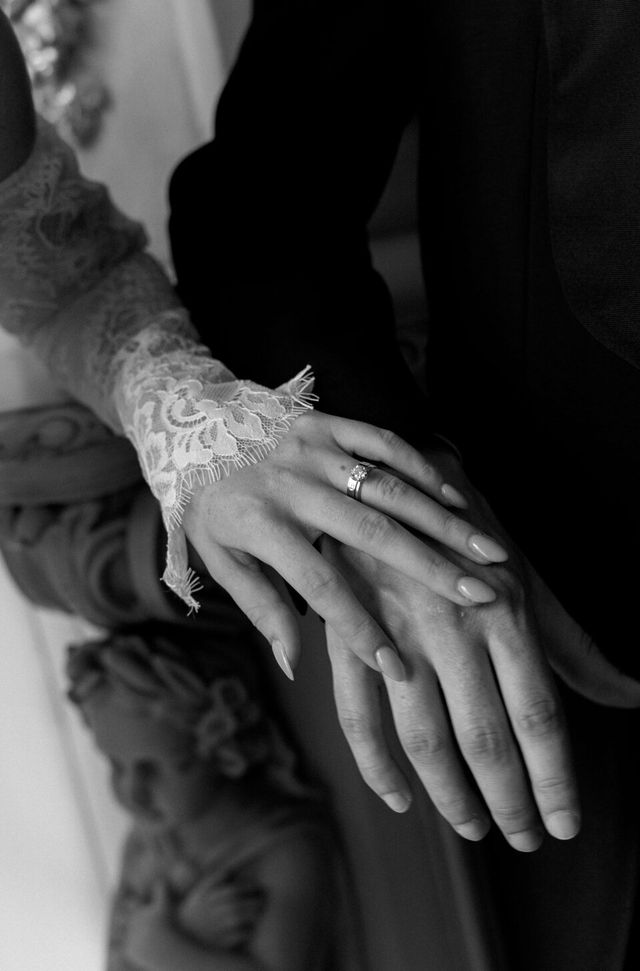
Cannot agree on one metal, or simply love more than one? Mixed-metal rings combine two (bicolor) or three (tricolor) tones in a single band, for example yellow gold with white gold, or a fine line of rose gold running through. It is a modern way to get the best of each and to coordinate with whatever other jewelry you wear. A set can also share a design or finish rather than a metal, so two different-colored rings still read as a pair.
How to choose the right metal for you
With so many options, these questions narrow it down fast:
- Lifestyle | Hard on your hands or active? Lean toward durable metals like platinum, titanium, or tungsten. Office-based and gentle on jewelry? Gold gives you more flexibility.
- Allergies | Sensitive skin? Choose hypoallergenic options such as platinum, palladium, titanium, or ceramic, and be cautious with nickel-containing white gold.
- Resizing | If your size may change, pick a metal that resizes easily, such as gold or platinum. Tungsten, titanium, ceramic, and zirconium generally cannot be resized.
- Coordination | Match or complement your engagement ring and everyday jewelry, or go deliberately mixed.
- Budget | Silver, titanium, tungsten, and stainless steel deliver durability for less; platinum and high-karat gold sit at the top.
Coordinating your rings with the rest of your wedding-day jewelry? See our bridal jewelry guide.
“I always steer couples toward lifestyle first, looks second. A gorgeous high-karat gold band is wasted on someone who is rough on their hands, and a tough titanium ring is perfect for them instead. Decide how you live, then choose the metal, and only then fall in love with the design.”
Sarah Glasbergen, Founder at ThePerfectWedding.com
Frequently asked questions about wedding ring metals
-
What is the most durable metal for a wedding ring?
Platinum is the most durable premium metal, while tungsten carbide and titanium are exceptionally hard, scratch-resistant, and more affordable. Note that the very hard metals usually cannot be resized.
-
Which wedding ring metal is best for sensitive skin?
Hypoallergenic options include platinum, palladium, titanium, and ceramic. Be cautious with white gold and some gold alloys, which can contain nickel that irritates sensitive skin.
-
What does karat mean in a gold wedding ring?
Karat measures how much pure gold is in the alloy. Higher karat means more pure gold and richer color but a softer ring; 14k is a popular balance of color and durability for everyday wear.
-
Can all wedding ring metals be resized?
No. Gold and platinum resize fairly easily, but tungsten, titanium, ceramic, zirconium, and stainless steel generally cannot, so the fit must be exact at purchase.
-
What is the difference between white gold and platinum?
Both are silvery-white. White gold is an alloy usually rhodium-plated for shine and needs occasional re-plating, while platinum is naturally white, denser, more durable, and more expensive.
-
Are mixed-metal wedding rings a good idea?
Yes, if you love more than one tone or want to coordinate with different jewelry. Bicolor and tricolor rings combine two or three metals in one band for a modern, versatile look.
-
Is rose gold durable enough for everyday wear?
Yes. The copper in rose gold makes it quite hard-wearing and it keeps its color well. The main consideration is that copper can irritate those with a copper or nickel sensitivity.
-
What is the most affordable wedding ring metal?
Silver, stainless steel, titanium, and tungsten are all budget-friendly while still attractive, with the harder metals also offering excellent durability.
Plan the rest of your day
Still choosing the engagement ring? See how to choose an engagement ring and our bridal jewelry guide. Find more inspiration in our wedding ideas galleries, and stay organized with our free wedding planning checklist.


