DIY Bridal Hairstyles: Easy Wedding Looks You Can Do Yourself and When to Call a Pro
Easy DIY bridal hairstyles for elopements, courthouse weddings and second looks, with step-by-step ideas, a prep timeline and when a stylist is worth it.

by Sarah Glasbergen on 24 November 2026
Web editor
TLDR: The easiest DIY bridal hairstyles are a sleek low bun, a half-up twist, soft waves, a low braided ponytail and a simple braid crown. They work best for elopements, courthouse weddings, intimate ceremonies, rehearsal dinners and an evening second look. For a full wedding day with photos, many couples combine both: a professional stylist for the main look, or a styling lesson so you can recreate it yourself. This guide covers easy styles, a prep timeline, tools, and how to decide when a pro is worth it. Updated November 2026.
Key Facts at a Glance
- $150 average for wedding hair: the typical US cost of professional bridal hair, with makeup averaging another $150. (Source: The Knot, Average Cost of Wedding Hair and Makeup, 2026)
- Hair and makeup take two to three hours: many stylists schedule about two and a half hours. (Source: The Knot, Wedding Hair and Makeup Timeline)
- Do your trial one to three months before: close enough to reflect your final hair length and season. (Source: The Knot, Wedding Hair and Makeup Trials)
- Book a stylist six to twelve months ahead: popular stylists fill up quickly in peak season. (Source: The Knot, Wedding Hair and Makeup Trials)
- 117 guests on average: most weddings mean a full day of photos, which affects how long your style needs to last. (Source: The Knot 2026 Real Weddings Study)
Doing your own wedding hair can feel personal and relaxed, especially for a small or casual celebration. It also takes more practice and planning than most people expect. According to ThePerfectWedding.com's bridal hair guides, the happiest couples are the ones who choose a style that suits their skill level and wedding type, and who know when to bring in help.


Which bridal hairstyles are easiest to do yourself?
These styles need basic tools and a few practice rounds. All of them suit most hair lengths from shoulder-length and longer.
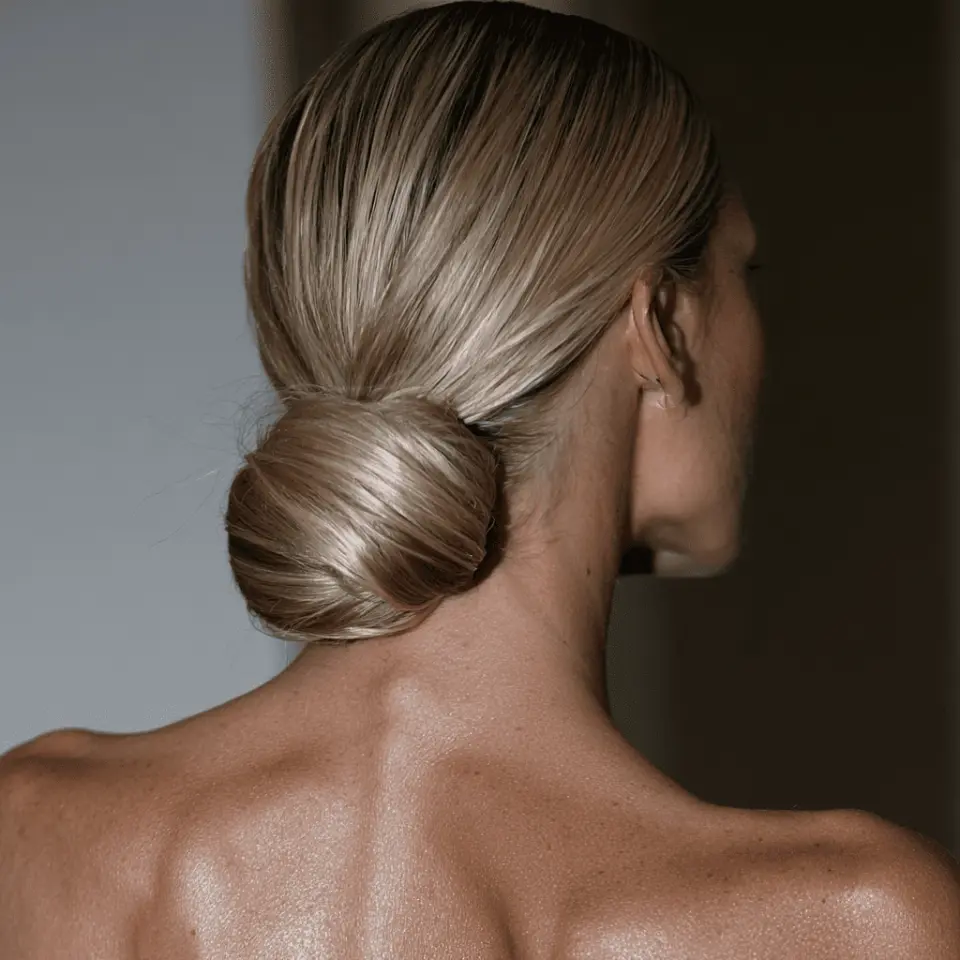
- Sleek low bun: a low ponytail twisted into a bun and pinned, finished with a smooth center or side part.
- Half-up twist: two front sections twisted back and secured at the crown, with the rest of your hair loose.
- Soft waves: loose waves made with a large-barrel curling iron or flat iron, brushed out lightly.
- Low braided ponytail: a loose braid tied low and softened by gently pulling the sections.
- Braid crown: two braids pinned across the top of the head, great for medium to long hair.
- Messy chignon: a loose, low twisted bun with face-framing pieces.
- Accessorized down style: smooth or waved hair with a statement clip, comb or headband.
Short hair? See our bridal hairstyle ideas for short hair and bridal hairstyles for every hair length.
When does a DIY bridal hairstyle make sense?
A DIY style can be a great fit in some situations and a source of stress in others. Use this table to decide.
| Wedding situation | DIY hair | Professional stylist |
|---|---|---|
| Courthouse or civil ceremony | Often a good fit | Optional |
| Elopement or micro wedding | Good fit if practiced | Helpful for remote or windy locations |
| Rehearsal dinner or welcome party | Great fit | Optional |
| Evening second look | Good fit for simple changes | A stylist can switch your look quickly |
| Full wedding day with photos | Possible but demanding | Recommended for longevity and calm |
| Wedding party of several people | Not recommended | Recommended for timing |
For a full wedding day, the biggest challenges are timing and longevity. A style needs to look fresh from the getting-ready photos to the last dance, and doing it yourself on the morning of your wedding adds pressure when you would rather be enjoying the moment.
Which DIY bridal hairstyle suits your hair type?
Your natural texture decides which styles are easiest to achieve and keep in place. Working with your hair instead of against it saves time and gives a more polished result.
- Fine, straight hair: add texture spray first, then choose a low bun or half-up twist. Waves may drop, so set them well.
- Thick hair: braids and chignons hold beautifully, but allow extra time for curling and pinning.
- Wavy hair: enhance your natural waves with a cream and a few touch-ups with a curling iron.
- Curly and coily hair: define your curls, then try a high or low curly bun, a pineapple updo or a half-up style with a statement accessory.
- Layered hair: braids and twists can show short layers, so use pins and a little wax to tuck pieces in.
If you are not sure what suits you, a single consultation or trial with a stylist can save hours of trial and error. ThePerfectWedding.com recommends bringing your dress neckline and accessories to that session so you can judge the full look.
How do you prepare for DIY wedding hair?
Practice is everything. Start early so you have time to adjust or change your mind.
- 3 months before: collect inspiration photos and choose two possible styles.
- 2 months before: practice each style at least three times with your accessories.
- 6 weeks before: do a full test on a day out, and check how it holds after six hours.
- 2 to 3 weeks before: get your final trim and any color appointment.
- The day before: wash and dry your hair, so it has some grip for pins and curls.
- On the day: give yourself double the time you needed in practice.
Take photos of each practice run from the front, side and back. What looks good in the mirror can look different on camera.


What tools do you need for DIY bridal hair?
- A large-barrel curling iron or flat iron
- Heat protectant spray
- Texture spray or dry shampoo for grip
- Bobby pins and U-pins in your hair color
- Clear elastics and a fine-tooth comb
- Flexible-hold hairspray
- A hand mirror to check the back
- Your accessories: clips, combs, a headband or veil
Bring a small touch-up kit with pins, a mini hairspray and a comb for later in the day. Our bridal hair accessories guide helps you choose pieces that are easy to secure.
“There is no wrong answer between doing your own hair and booking a stylist. What matters is that you feel like yourself and calm on the morning of your wedding. If doing it yourself would add stress, a great stylist is one of the best gifts you can give yourself.”
Sarah Glasbergen, Founder ThePerfectWedding.com
Can a stylist help if you want to do your own hair?
Yes, and this is where many couples find the perfect middle ground. Professional stylists offer more than day-of styling.
- Styling lessons: a stylist teaches you how to create your chosen look step by step.
- Trial session: test your style with a professional, then recreate it yourself.
- Prep only: a stylist does the curls or blowout, you pin it up yourself.
- Main look by a pro, second look DIY: a professional style for the ceremony and photos, and a simple change for the party.
- Help for the wedding party: a stylist handles the group while you take your time.
Ask stylists whether they offer lessons or partial services when you request quotes. ThePerfectWedding.com's hair and makeup trial questions and wedding hair and makeup cost guide help you compare options.

How do you make a DIY wedding hairstyle last all day?
- Start with second-day hair: freshly washed hair is too slippery for pins.
- Add grip: texture spray or dry shampoo at the roots and lengths.
- Set your curls: let curls cool fully before brushing or pinning them.
- Pin in an X: crossing two bobby pins holds better than one.
- Plan for weather: in humidity, choose updos and braids over loose curls.
- Ask a helper: a friend can check the back and handle touch-ups during photos.
If your wedding is outdoors or in a humid climate, braided and pinned styles are the safest choice. Our wedding updo hairstyles and braided wedding hairstyles offer inspiration for long-lasting looks.
DIY bridal hairstyles: frequently asked questions
-
Can I do my own hair for my wedding?
Yes, especially for courthouse weddings, elopements and casual celebrations. Practice your style several times and give yourself plenty of time on the day.
-
What is the easiest bridal hairstyle to do yourself?
A sleek low bun or a half-up twist are the easiest. Both need only a few pins and work on most hair lengths.
-
How much does a bridal hairstylist cost?
The average cost of professional wedding hair in the US is about $150, according to The Knot. Trials, travel and wedding party styling are usually extra.
-
How long does bridal hair take?
Professional hair and makeup together usually take two to three hours. A simple DIY style can take 30 to 60 minutes once you have practiced.
-
When should I practice my DIY wedding hair?
Start about two to three months before your wedding and do at least three practice runs, including one full test with your accessories.
-
Can a stylist teach me to do my own wedding hair?
Yes. Many stylists offer lessons or trial sessions where they teach you to recreate the look yourself. Ask about this when requesting quotes.
Find bridal hair inspiration
Browse bridal hairstyles on ThePerfectWedding.com and find stylists who offer trials, lessons and day-of styling.


