How Many Hours of Wedding Photography Do You Need?
How many hours of wedding photography you need: 6, 8, or 10+, what each covers, costs per hour, and how to plan coverage.

by Sarah Glasbergen on 28 June 2026
Web editor
TLDR: Most couples need 8 hours of wedding photography, which covers getting ready through the main reception events. An intimate wedding or elopement may need only 6 hours, while a large, full-day celebration with multiple events often calls for 10 or more. Photographers charge $200 to $500 for each additional hour, and most have a 6-hour minimum. Below we break down how many hours you really need and how to plan your coverage.
Coverage hours are the single biggest factor in what a wedding photographer costs, so getting the number right protects both your budget and your memories. Too few hours and you miss key moments; too many and you pay for downtime. ThePerfectWedding.com pulled the current norms so you can choose confidently, and paired them with our guide to choosing a wedding photographer.
Key Facts at a Glance
- 8 hours is the standard coverage for a full-day wedding (Source: industry data, 2026)
- Intimate weddings and elopements often need only 6 hours (Source: industry data, 2026)
- Large or multi-event weddings call for 10 or more hours (Source: industry data, 2026)
- Each additional hour costs $200 to $500, with a typical 6-hour minimum (Source: industry data, 2026)
- An 8-hour wedding yields roughly 400 to 800 edited images (Source: industry data, 2026)
How Many Hours of Wedding Photography Do You Need?
For most weddings, 8 hours is the sweet spot. It captures the story from getting ready through the ceremony, cocktail hour, and the main reception events like the first dance, toasts, and cake cutting. Smaller, simpler celebrations can be well documented in 6 hours, while large weddings with a first look, multiple venues, or a long reception often need 10 or more. The goal is to match coverage to your actual day, not a generic package. Map it against our wedding day timeline template to see where the hours go.
How Many Hours by Wedding Type?
Here is a rough guide to coverage based on the size and shape of your day.
| Coverage | Best for | What it captures |
|---|---|---|
| 6 hours | Intimate weddings, elopements | Ceremony and key reception moments |
| 8 hours | Most full-day weddings | Getting ready through main reception |
| 10+ hours | Large or multi-event weddings | First look, multiple venues, late reception |
What Does 8 Hours of Coverage Include?
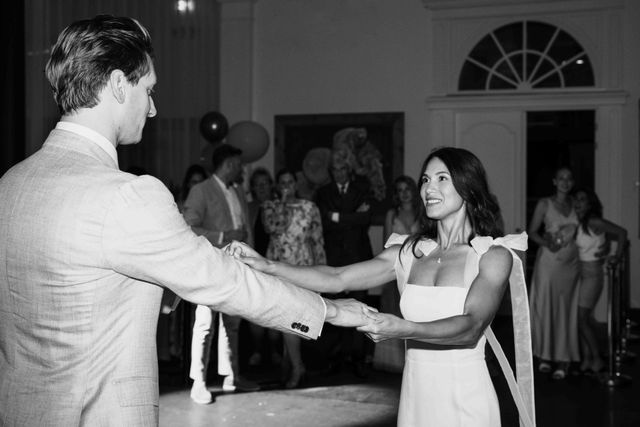
A standard 8-hour block typically starts with the final stages of getting ready, the dress, the details, the first look if you have one, then moves through the ceremony, family and wedding party portraits, cocktail hour, and the heart of the reception. Most photographers want to capture at least the first dance, the toasts, and the cake cutting before coverage ends. Building a photo shot list with your photographer ensures the moments you care about most are all within the window.
When Do You Need More Than 8 Hours?
Several factors push you toward 10 or more hours of coverage:
- A first look and extended portraits earlier in the day add time before the ceremony.
- Multiple locations, such as separate getting-ready spots or a different ceremony and reception venue.
- A large guest list with many family groupings to photograph.
- A long or late-running reception where you want the dance floor and send-off covered.
- Cultural or religious traditions that extend the ceremony or add events.
Can You Get Away with Fewer Hours?
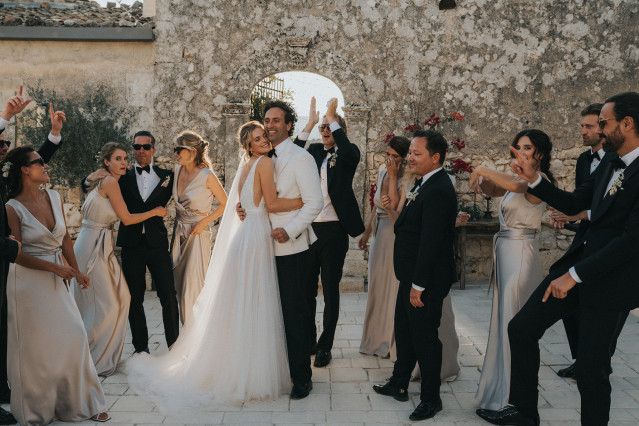
Yes, for the right wedding. An intimate gathering, an elopement, or a wedding where the ceremony and reception flow together quickly can be beautifully captured in 6 hours. The key is a tight timeline: if your ceremony and reception are close together and you skip a long getting-ready window, fewer hours work well. Reducing coverage is also one of the cleaner ways to lower your photography cost without cutting quality. Just make sure the hours you book cover your non-negotiable moments.
How Do You Make the Most of Your Coverage?
A little planning ensures every hour counts. Build a realistic timeline with your photographer, front-load the most important shots, and consider a first look to fit portraits in efficiently. Keep getting-ready spaces tidy and well lit, and gather family promptly for formals so you are not burning coverage on logistics. Above all, share your priorities early. For the full picture of where photography fits, see our wedding budget breakdown, and browse wedding photographers on ThePerfectWedding.com.
How Far in Advance Should You Book a Photographer?
Coverage means nothing if your photographer is already booked. The most sought-after photographers reserve a large share of prime dates a year or more out, so secure yours soon after locking your venue, ideally 9 to 18 months ahead for peak-season Saturdays. Booking early also tends to lock in current rates and sometimes includes bonus hours or an engagement session. Off-peak and weekday dates have more availability if you are flexible. See our guide to choosing a photographer to start the search.
How Do Coverage Hours Affect the Cost?
Hours are the most direct lever on what you pay. Each additional hour typically adds $200 to $500, so the gap between a 6-hour and a 10-hour package is significant. Most couples allocate 8 to 12 percent of their total budget to photography. If you need to trim costs, reducing coverage to match a tighter timeline is one of the cleanest ways to do it without sacrificing quality, far better than choosing a less experienced photographer. Slot it into our wedding budget breakdown.
Does a First Look Change Your Hours?
It can. A first look shifts couple, family, and wedding party portraits earlier in the day, which sometimes lets you start coverage a little later or end a little earlier, and almost always makes the timeline calmer. Without a first look, you need enough coverage after the ceremony to fit all portraits in before the reception. Decide on the first look early, since it shapes how your hours are distributed. Our guide to the first look versus traditional reveal weighs both options.
What If Your Wedding Runs Long?
Weddings often run behind, so plan for it. If your celebration overruns the booked hours, most photographers offer overtime, typically at $200 to $500 per hour, but it is far better to build a realistic timeline with buffers than to pay for overruns on the day. If your coverage ends before the send-off, you can stage an early mock exit so you still get the shot. Confirm your photographer's overtime policy in the contract so there are no surprises, and pad the schedule so the hours you booked comfortably cover everything that matters.
Finally, share your full timeline with your photographer at least a few weeks out, so they can flag any tight spots and suggest adjustments while there is still time to change them. A quick planning call often prevents the rushed moments that cost you shots on the day.
“Eight hours is the right answer for most couples, but the real skill is matching coverage to your specific timeline. The couples who get the best galleries are the ones who plan the day with their photographer, decide on a first look, and protect time for portraits in good light. Book the hours your day actually needs, not a number off a price list, and every one of them will earn its place in your album.”
Sarah Glasbergen, Founder ThePerfectWedding.com
-
How many hours of wedding photography do I need?
Most couples need 8 hours, covering getting ready through the main reception events. Intimate weddings may need only 6 hours, while large or multi-event weddings often call for 10 or more.
-
What does 8 hours of wedding photography cover?
Typically the final getting-ready stages, the first look, the ceremony, family and wedding party portraits, cocktail hour, and the key reception moments like the first dance, toasts, and cake cutting.
-
How much does an extra hour of photography cost?
Each additional hour usually costs $200 to $500, depending on the photographer's experience and market. Most photographers also have a minimum booking of around 6 hours.
-
Is 6 hours enough for a wedding?
For intimate weddings, elopements, or celebrations with a tight timeline where the ceremony and reception flow together, 6 hours can be plenty. Larger full-day weddings usually need 8 or more.
-
When do I need 10 or more hours?
When you have a first look, multiple locations, a large guest list with many family photos, a long reception, or cultural traditions that extend the day.
-
How many photos will I get?
An 8-hour wedding typically yields 400 to 800 edited images, delivered in an online gallery, usually within 4 to 8 weeks of the wedding.
Plan Your Coverage with ThePerfectWedding.com
Start with our photographer guide and day timeline template, then browse wedding photographers on ThePerfectWedding.com to find the right coverage for your day.
The bottom line on wedding photography hours: 8 hours suits most couples, 6 works for intimate or tightly scheduled days, and 10 or more covers large or multi-event weddings. Match the coverage to your real timeline rather than a generic package, plan the day with your photographer, and protect time for portraits in good light. Get the hours right and you capture every moment that matters. Browse photographers on ThePerfectWedding.com to build the coverage your day deserves.


