What Is the Order of a Wedding Ceremony? Full Structure
he order of a wedding ceremony explained step by step: processional, readings, vows, ring exchange, and recessional.

by Sarah Glasbergen on 28 June 2026
Web editor
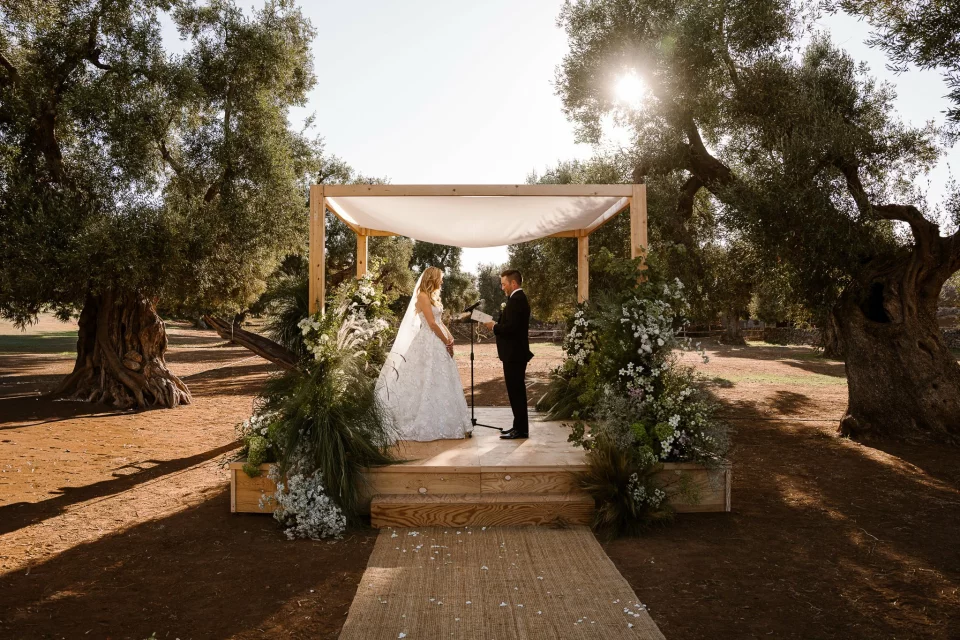
TLDR: The order of a wedding ceremony follows a clear sequence: the prelude and processional, a welcome from the officiant, readings, the declaration of intent, vows, the ring exchange, an optional unity ritual, the pronouncement and kiss, and the recessional. Most ceremonies run 20 to 30 minutes. You can personalize the order, but this framework keeps it flowing. Below we walk through each part and how to build your own ceremony structure.
The ceremony is the heart of your wedding day, yet its structure is often the last thing couples plan. Knowing the standard order makes it simple to build a service that feels both traditional and personal. ThePerfectWedding.com mapped out the full sequence, and paired it with our ceremony program guide.
Key Facts at a Glance
- Most wedding ceremonies run 20 to 30 minutes (Source: industry data, 2026)
- The processional takes about 5 to 8 minutes with a full wedding party (Source: industry data, 2026)
- The legal core takes about 5 minutes: intent, vows, pronouncement (Source: industry data, 2026)
- The vows and ring exchange are the emotional center of the ceremony (Source: industry advice, 2026)
- Unity rituals are optional and add meaning and a few minutes (Source: industry advice, 2026)
What Is the Order of a Wedding Ceremony?
A wedding ceremony moves through a familiar arc: the prelude plays as guests are seated, the processional brings in the wedding party, the officiant welcomes everyone, readings and the couple's story follow, then the declaration of intent, vows, and ring exchange. An optional unity ritual can come next, before the pronouncement, the kiss, and the recessional. The signing of the license and a postlude close it out. Pair this with our processional order guide for who walks when.
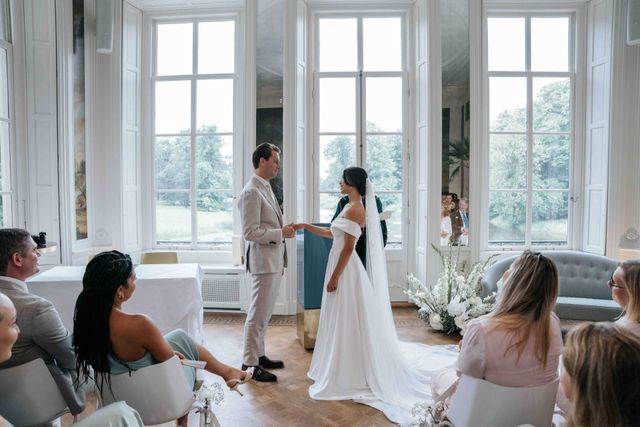
The Wedding Ceremony Order Step by Step
Here is the full sequence most ceremonies follow.
| Step | What happens |
|---|---|
| Prelude and processional | Guests seated, wedding party enters |
| Welcome | Officiant greets guests, shares your story |
| Readings | Family or friends read poems or scripture |
| Vows and ring exchange | The couple's promises and rings |
| Unity ritual | Optional symbolic ceremony |
| Pronouncement and recessional | Officiant declares you married, you exit |
How Does the Ceremony Begin?
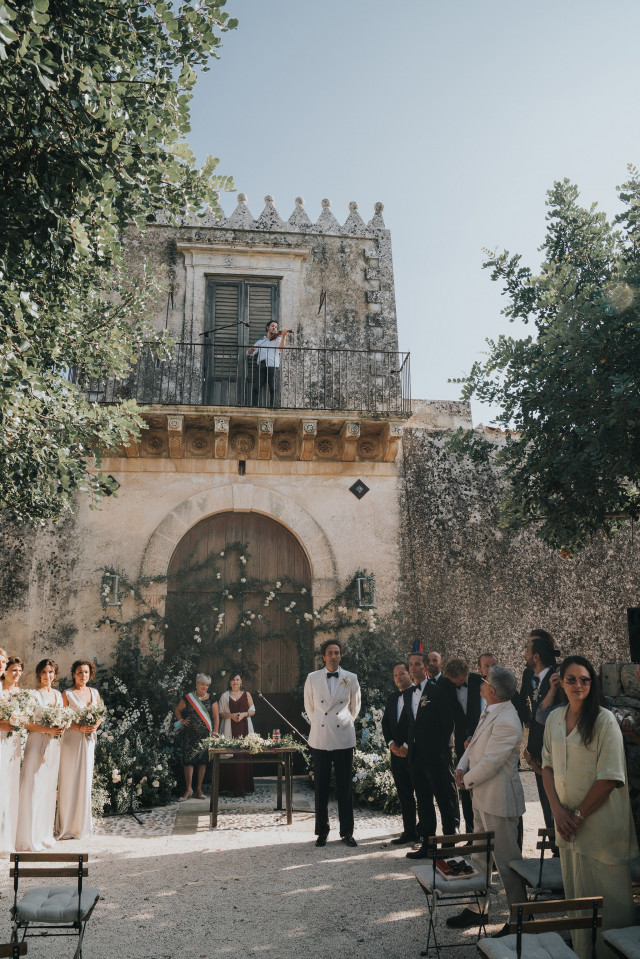
The opening sets the tone. A prelude of soft music plays as guests arrive and are seated, then the processional brings in the wedding party in order, ending with the entrance of the person walking last. The officiant opens with a welcome that greets guests, sets the mood, and often shares how the couple met. Getting the entrance right makes everything that follows feel intentional. Plan the music with our processional order guide.
What Happens in the Middle of the Ceremony?
The core of the ceremony is where the marriage actually happens:
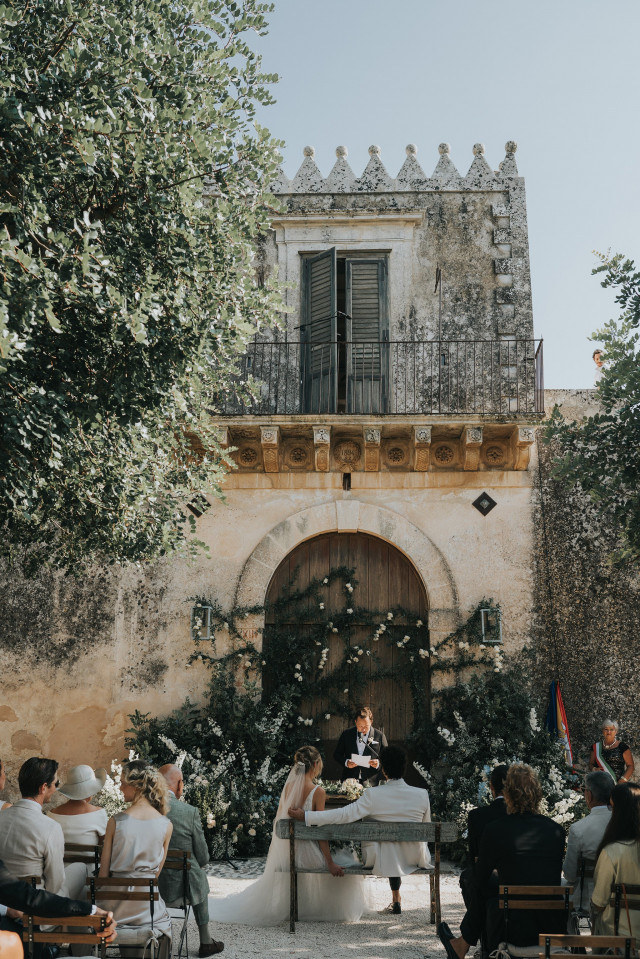
- Readings. One to three poems, scripture passages, or prose, often read by loved ones.
- Declaration of intent. The classic 'I do' that legally confirms your consent.
- Vows. Traditional or personal promises to each other.
- Ring exchange. The rings given with a few words of meaning.
- Unity ritual. An optional candle, sand, handfasting, or other symbolic act.
How Does the Ceremony End?
The closing brings the joy. After the vows, rings, and any unity ritual, the officiant gives the pronouncement, declaring you married, followed by the kiss and, often, the introduction of the couple. The recessional then sends you back up the aisle to celebratory music, with the wedding party following. The marriage license is usually signed just after, with witnesses. For an optional unity moment, see our unity ceremony ideas.
Can You Change the Ceremony Order?
Yes, within reason. The legal elements, the declaration of intent, vows, and pronouncement, must be included, but much of the rest is flexible. You can add or skip readings, include or omit a unity ritual, and personalize the welcome and vows. Religious ceremonies follow more set structures, so discuss any changes with your officiant early. Our guide to choosing an officiant helps you find someone who fits your vision.
What Is the Declaration of Intent?
The declaration of intent is the legally essential 'I do' moment, where the officiant asks each partner whether they freely choose to marry, and each answers yes. It is distinct from your vows: the declaration confirms your consent in the eyes of the law, while the vows are the personal promises you make to each other. Most jurisdictions require some form of it, so it stays in every ceremony. It is brief, just a question and answer, but it is the legal heart of the service.
What Music Plays During the Ceremony?
Music frames the ceremony's key moments. A prelude plays as guests are seated, the processional accompanies the wedding party and your entrance, an optional interlude can underscore a reading or unity ritual, and the recessional sends you out on a high note. You can use live musicians or a curated playlist run by your officiant or a DJ. Coordinate the cues carefully so transitions are smooth. Plan the placement alongside our ceremony program guide.
Where Does the Unity Ritual Go?
If you include a unity ritual, it usually comes after the vows and ring exchange and before the pronouncement, as a symbolic seal on the promises you have just made. Options include a unity candle, a sand ceremony, handfasting, or a wine or time-capsule box. It adds a few minutes and a lot of meaning, and it is entirely optional. Choose one that resonates rather than several. Our unity ceremony ideas guide covers the most popular choices.
When Is the Marriage License Signed?
The marriage license is the legal paperwork that makes your marriage official, and it is usually signed just after the ceremony, often with your witnesses present. Some couples sign during the ceremony as a visible moment, while others step aside immediately afterward. Confirm with your officiant who needs to sign and when, and make sure your witnesses know their role. Handling this properly is what turns a beautiful ceremony into a legally recognized marriage, so do not leave it to chance.
How Do You Make the Ceremony Flow Smoothly?
Smooth flow comes from preparation. Hold a rehearsal so the wedding party knows the processional and their positions, give your officiant a clear cue sheet for readings, music, and rituals, and confirm who hands off the rings and signs the license. A printed program helps guests follow along and feel included. Build in small buffers for the unexpected. Pull it all together with our ceremony program guide so nothing is left to chance.
Do You Need a Ceremony Rehearsal?
A rehearsal is well worth the hour. Walking through the processional, positions, cues, and the hand-off of rings and the license means everyone knows their part, which removes a surprising amount of day-of stress. It is usually held the day before, often before the rehearsal dinner. Your officiant or coordinator leads it. Even a simple run-through ensures the wedding party enters in order and the ceremony begins and flows without confusion or awkward pauses on the day itself.
“The beauty of the ceremony order is that it gives you a reliable backbone while leaving room to make it yours. Keep the legal essentials, then decide which readings, rituals, and personal touches belong. Work the structure through with your officiant so the whole thing flows naturally. When the order is right, the ceremony feels effortless and every guest stays with you from the first note to the kiss.”
Sarah Glasbergen, Founder ThePerfectWedding.com
-
What is the order of a wedding ceremony?
Prelude and processional, the officiant's welcome, readings, declaration of intent, vows, ring exchange, an optional unity ritual, the pronouncement and kiss, and the recessional, followed by signing the license.
-
How long is a wedding ceremony?
Most run 20 to 30 minutes. Civil ceremonies are shorter at 10 to 20 minutes, while religious ceremonies can run 30 to 90 minutes depending on the tradition and elements.
-
What are the must-have parts of a ceremony?
The legal elements: the declaration of intent (your 'I do'), the exchange of vows, and the pronouncement of marriage. Everything else, including readings and unity rituals, is optional.
-
When do the vows happen in the ceremony?
After the welcome and any readings, in the heart of the ceremony, followed immediately by the ring exchange. Together they form the emotional and legal center of the service.
-
Can we personalize the ceremony order?
Yes. You can add or skip readings, include a unity ritual, and personalize the welcome and vows. The legal elements must stay, and religious ceremonies are more structured, so consult your officiant.
-
What comes after the pronouncement?
The kiss, often the introduction of the couple, and then the recessional as you exit to music with the wedding party following. The marriage license is usually signed just afterward.
Plan Your Ceremony with ThePerfectWedding.com
Build it with our ceremony program guide and processional order guide, then browse wedding officiants on ThePerfectWedding.com.
The bottom line on the order of a wedding ceremony: follow the proven sequence of prelude and processional, welcome, readings, vows and rings, optional unity ritual, pronouncement, and recessional. Keep the legal essentials, personalize the rest, and walk it through with your officiant. A clear structure lets the ceremony flow and keeps every guest present for the moment that matters. Browse officiants on ThePerfectWedding.com to bring it to life.


