Wedding Ceremony Readings: Ideas and How to Choose
Wedding ceremony readings: types and ideas, how many to include, how to choose, and who should read.

by Sarah Glasbergen on 28 June 2026
Web editor
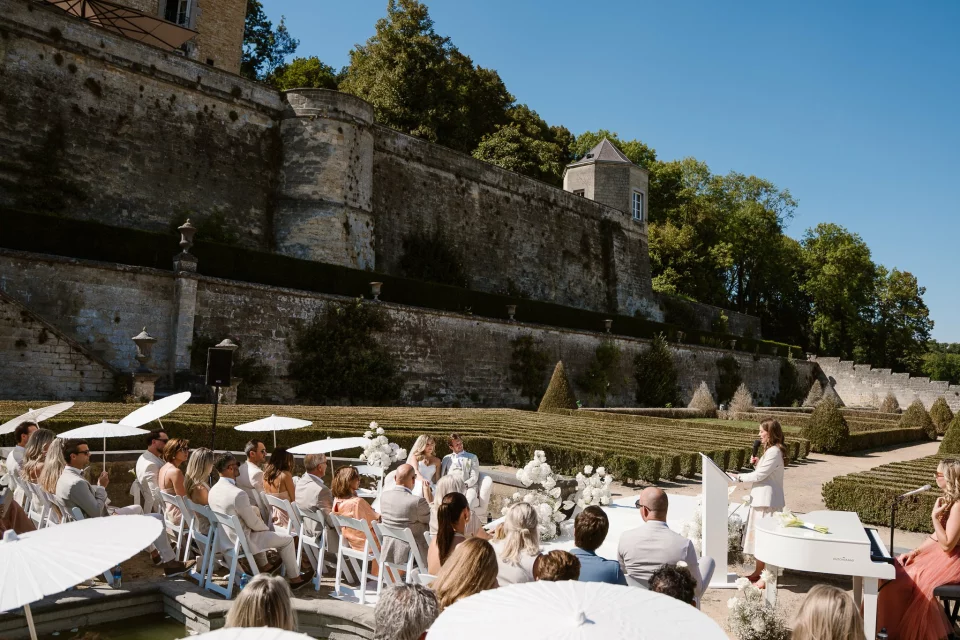
TLDR: Wedding ceremony readings are poems, scripture, prose, or song lyrics chosen by the couple and read by family or friends. Most ceremonies include one to three readings, placed after the welcome and before the vows. Choose pieces that reflect your relationship, suit the tone, and are the right length. Below are reading ideas by type, how to choose them, and who should read.
A well-chosen reading adds depth and personality to your ceremony, giving loved ones a meaningful role and your guests a moment to reflect. The trick is choosing pieces that feel like you. ThePerfectWedding.com gathered the ideas and guidance, and paired them with our ceremony program guide.
Key Facts at a Glance
- Most ceremonies include one to three readings (Source: industry advice, 2026)
- Readings are placed after the welcome, before the vows (Source: industry advice, 2026)
- Readings can be religious, poetic, literary, or original (Source: industry advice, 2026)
- Family or friends usually deliver the readings (Source: industry advice, 2026)
- A reading typically runs one to three minutes (Source: industry data, 2026)
What Is a Wedding Ceremony Reading?
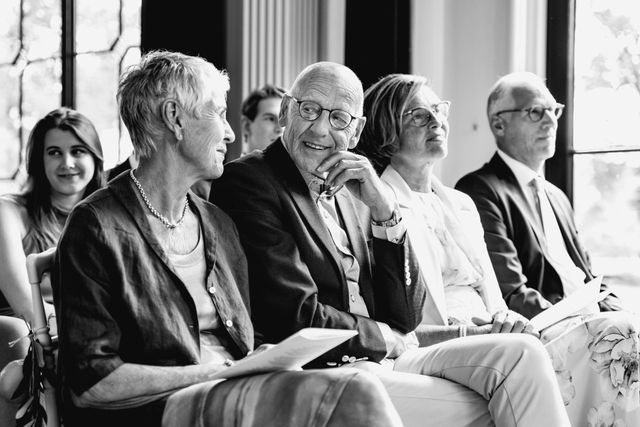
A reading is a short passage, a poem, a piece of scripture, an excerpt from a book, or even song lyrics, shared during the ceremony to express love, commitment, or hope. It gives the ceremony texture beyond the officiant's words and the vows, and it is a lovely way to honor a friend or family member by asking them to read. Most couples include one to three. Place them in the flow using our ceremony program guide.
Types of Wedding Readings
Readings come in several styles. Here are the main types with examples.
| Type | Examples |
|---|---|
| Religious | Scripture, blessings, sacred texts |
| Poetry | Classic and modern love poems |
| Literature | Excerpts from novels or essays |
| Song lyrics | Meaningful lines from a favorite song |
| Original | A piece written by you or a loved one |
How Many Readings Should You Have?
One to three readings is the sweet spot for most ceremonies. A single, well-chosen reading can be plenty for a short or civil ceremony, while two or three suit a fuller service and let you honor more loved ones. Remember that each reading adds a few minutes, so balance them against your overall ceremony length. If you want a brief ceremony, keep it to one. See how it fits in our wedding day timeline.
How Do You Choose Your Readings?
Pick pieces that feel personal and fit the moment. A few guidelines:
- Choose what resonates. Pick readings that capture your relationship or values.
- Mind the tone. Match the mood, romantic, joyful, spiritual, or lighthearted.
- Watch the length. One to three minutes keeps readings from dragging.
- Consider your venue. Some religious venues require or restrict certain texts.
- Read it aloud first. Make sure it sounds as good as it reads.
Who Should Read at Your Wedding?
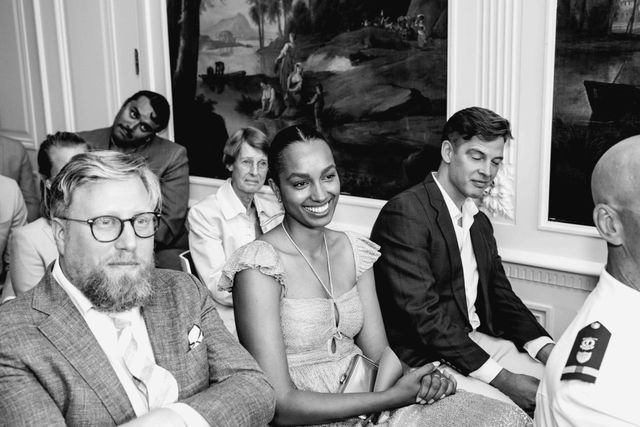
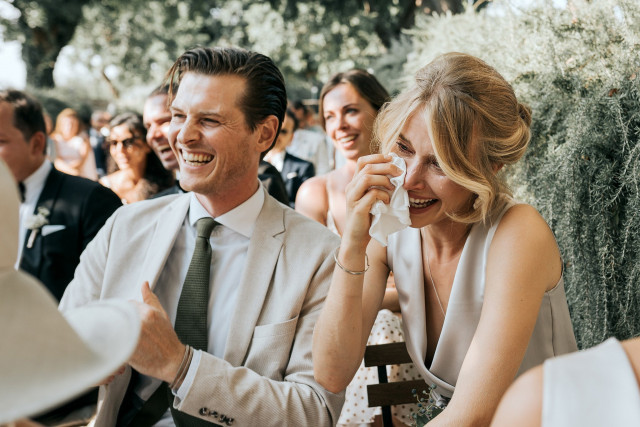
Readings are a meaningful way to include people you love. Choose readers who are comfortable speaking in public and who mean something to you, a parent, sibling, or close friend. Give them the passage well in advance so they can practice, and confirm the order and pronunciation of any tricky words. A heartfelt reading from someone close often moves guests more than anything else. For more ways to involve loved ones, see our unity ceremony ideas.
Where Do Readings Go in the Ceremony?
Readings usually come after the officiant's welcome and before the vows, breaking up the service and building toward its emotional peak. If you have several, you can space them, one after the welcome, another before the vows, so they punctuate the ceremony rather than cluster. Your officiant will cue each reader. Map the placement into your overall ceremony program so guests can follow along.
What Are Popular Wedding Reading Choices?
Couples draw on a wide range of beloved sources. Popular religious choices include passages on love from scripture, while secular favorites range from classic poets to modern writers and even heartfelt prose from a favorite novel. Song lyrics that mean something to you can work beautifully too. The best reading is one that genuinely reflects your relationship rather than the most quoted option. For a fully personal touch, consider writing your own, as in our guide to writing vows.
Religious or Secular Readings: Which Fit?
Match your readings to your ceremony's tone. A religious ceremony typically features scripture or sacred texts, often guided by your officiant or tradition, while a secular ceremony opens the door to poetry, literature, and original pieces. Many modern and interfaith ceremonies blend both. Confirm any requirements with your officiant or venue, especially in a religious setting. Our guides to secular ceremonies and interfaith ceremonies can help you choose.
How Do You Personalize a Reading?
A reading does not have to be used word for word. You can trim a longer passage to the best lines, combine two short pieces, or write something entirely your own. Choosing a reading that suits the person delivering it, or that references your story, makes it land harder. If you write an original piece, keep it concise and read it aloud to test the flow. The same instincts apply as when you write your vows.
How Do You Prepare Your Readers?
Set your readers up to succeed. Give them the final text well in advance so they can practice, provide a clean, large-print copy for the day, and let them know where to stand and when they are up. Remind them to read slowly and to pause if emotion takes over. If your ceremony has a microphone, make sure they know how to use it. A confident, well-prepared reader turns a lovely passage into a genuinely moving moment.
Can You Skip Readings Entirely?
Yes, readings are optional. A short or civil ceremony may have none at all, letting the vows and the officiant's words carry the emotional weight. If you prefer a brief, streamlined ceremony, skipping readings is a simple way to shorten it. Conversely, if you love the idea but cannot choose, one well-chosen reading is plenty. Let your overall wedding day timeline and the feel you want guide the decision.
How Do You Order Multiple Readings?
If you have more than one reading, arrange them with variety in mind. Alternate tone and length so two long or two solemn pieces do not sit back to back, and space them through the ceremony rather than clustering them, perhaps one after the welcome and another before the vows. A brief introduction from your officiant, naming the reader and the piece, helps guests follow along. Thoughtful ordering keeps the readings feeling like meaningful beats rather than a single long stretch.
Above all, let your readings be a window into who you are. The right words, delivered by someone you love, can capture the meaning of the day in a way that stays with your guests long after the last song, so choose them with as much care as any other part of your ceremony.
“Readings are where your ceremony gets its personality. Skip the ones that feel generic and choose words that genuinely sound like your relationship, whether that is a centuries-old poem or lyrics from your song. Then pick readers who will deliver them with feeling and give them plenty of time to practice. A reading chosen and read with heart is something guests remember long after the day.”
Sarah Glasbergen, Founder ThePerfectWedding.com
-
What is a wedding ceremony reading?
A short passage, poem, scripture, literary excerpt, or song lyric chosen by the couple and read aloud during the ceremony, usually by a family member or friend, to express love and commitment.
-
How many readings should a wedding have?
Most ceremonies include one to three readings. One suits a short or civil ceremony, while two or three work for a fuller service and let you involve more loved ones.
-
Where do readings go in the ceremony?
After the officiant's welcome and before the vows. If you have several, you can space them through the ceremony so they punctuate the service rather than cluster together.
-
What can you use as a wedding reading?
Religious scripture, classic or modern poetry, excerpts from novels or essays, meaningful song lyrics, or an original piece written by you or a loved one. Choose what reflects you.
-
Who should do the readings?
Choose readers who mean something to you and are comfortable speaking publicly, such as a parent, sibling, or close friend. Give them the passage early so they can practice.
-
How long should a wedding reading be?
About one to three minutes each. Keep them concise so they add meaning without slowing the ceremony, and read them aloud beforehand to check the timing and flow.
Personalize Your Ceremony with ThePerfectWedding.com
Pair your readings with our guide to writing vows and ceremony program guide, then browse wedding officiants on ThePerfectWedding.com.
The bottom line on wedding ceremony readings: include one to three pieces that genuinely reflect your relationship, place them after the welcome and before the vows, and choose readers who will deliver them with feeling. Mind the tone and length, and check your venue's rules. A reading chosen with care turns a lovely ceremony into a deeply personal one. Browse officiants on ThePerfectWedding.com to plan yours.


